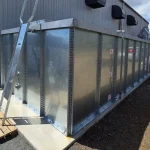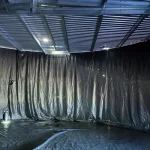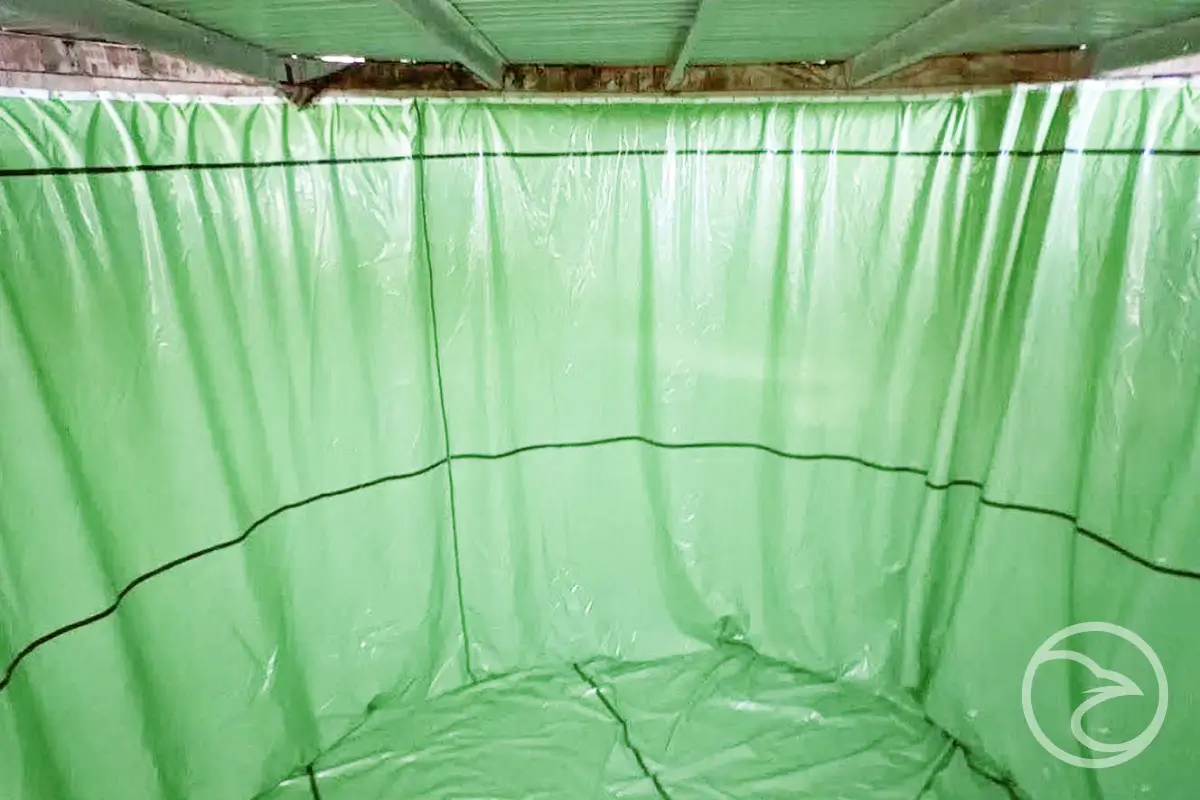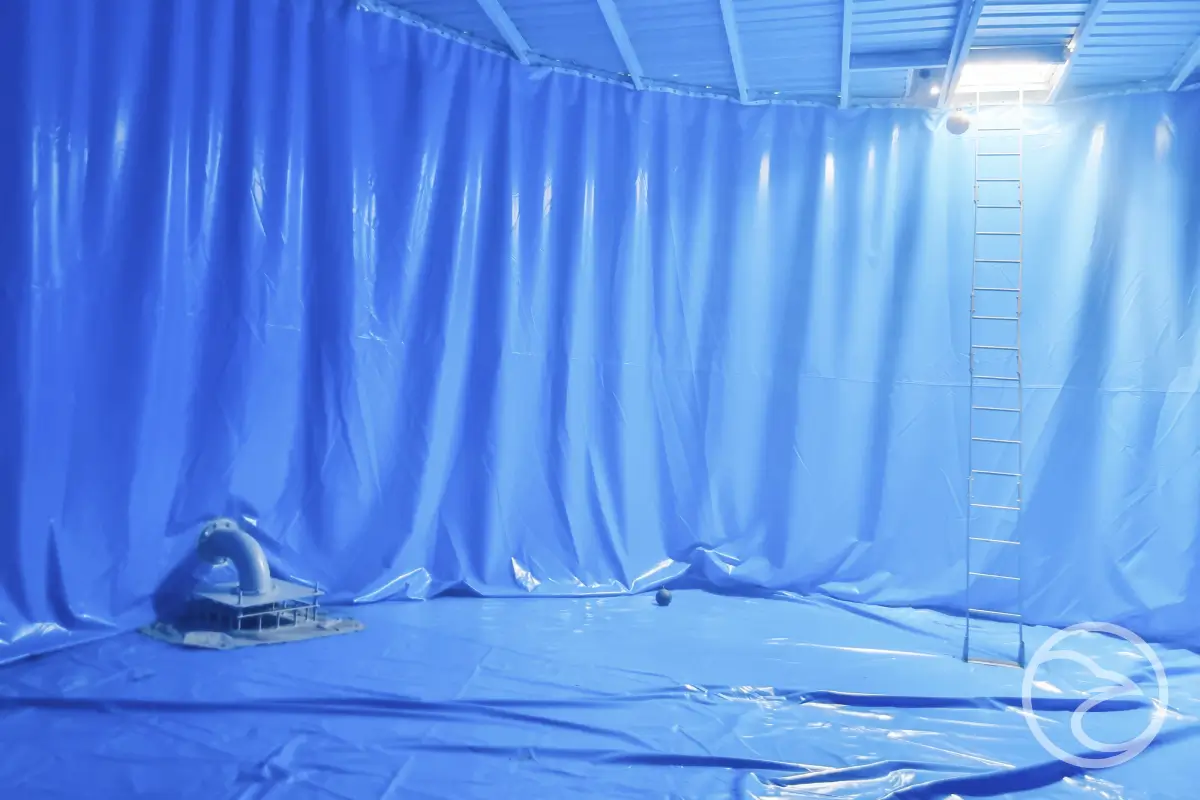
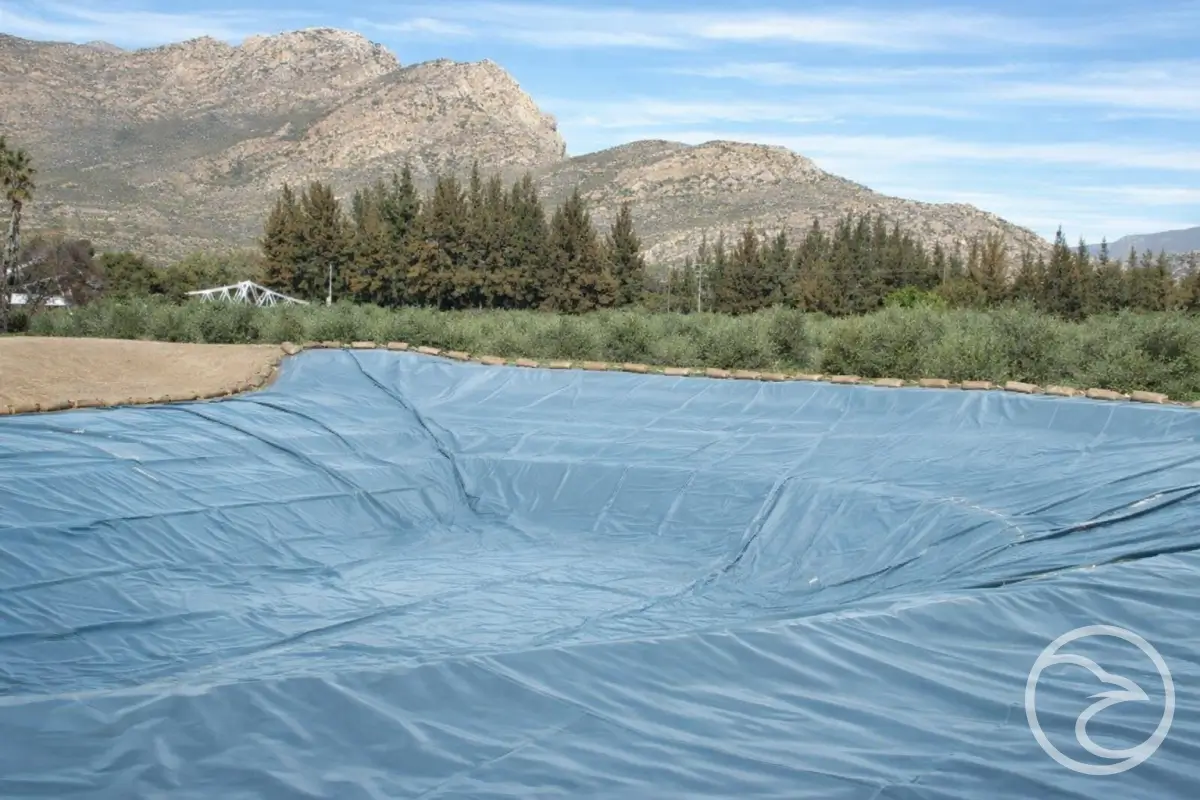
Following a comprehensive bund liner inspection checklist is essential for maintaining effective spill containment systems. Bund liners help prevent leaks from reaching surrounding soil, groundwater, and nearby waterways.
Even durable liner materials can deteriorate over time due to weather exposure, chemical contact, and operational wear. Regular inspections help identify issues before they affect containment performance and environmental protection.
Why Regular Bund Liner Inspections Matter
Bund liners are exposed to challenging operating conditions. Weather, chemical exposure, and mechanical stress can all affect their condition.
Routine inspections help:
- Detect damage early
- Reduce environmental risks
- Extend liner service life
- Minimise repair costs
- Improve site safety
Regular inspections also support long-term containment reliability.
Understanding inspection requirements is only one part of an effective containment strategy. For a broader overview of storage compliance and containment requirements, read our secondary containment requirements guide.
How Often Should Bund Liners be Inspected?
Inspection frequency depends on site conditions and the materials being stored.
Many facilities perform:
- Daily visual checks
- Monthly condition assessments
- Annual detailed inspections
- Post-spill inspections
- Weather-related inspections
Sites storing hazardous liquids may require more frequent inspections. A documented inspection schedule helps ensure consistency across all containment areas.
Check for Visible Tears and Punctures
Physical damage is one of the most common causes of liner failure.
Inspect the entire liner surface for:
- Tears
- Holes
- Punctures
- Abrasion marks
- Surface cuts
Even small defects can allow liquids to escape over time. Any visible damage should be assessed as soon as possible.
Inspect Seams and Welded Joints
Seams are often the most vulnerable areas of a containment liner system. Poorly performing seams can compromise containment even when the liner itself appears undamaged.
Look for:
- Seam separation
- Lifting edges
- Wrinkling
- Failed welds
- Visible gaps
Early detection can prevent more extensive repairs later. When inspection results indicate significant deterioration, replacing damaged systems with suitable bund liners can help restore containment performance and reduce future risks.
Look for Signs of Chemical Degradation
Chemical exposure can gradually affect liner performance. The impact depends on both the stored substance and the liner material.
Warning signs include:
- Discolouration
- Swelling
- Softened areas
- Brittle surfaces
- Surface distortion
These changes may indicate that the liner is no longer performing as intended.
Assess UV and Weather Damage
Outdoor containment areas are constantly exposed to sunlight and changing weather conditions. Over time, UV radiation can weaken some liner materials.
Inspect for:
- Fading
- Surface cracking
- Dry or brittle areas
- Material shrinkage
- Surface deterioration
Regular monitoring helps identify weather-related damage before containment integrity is affected.
Examine Drainage Areas
Drainage systems are critical components of many bunded areas. Blocked drains can lead to liquid accumulation and additional stress on the containment system.
Inspect drainage areas for:
- Standing water
- Debris build-up
- Sediment accumulation
- Blocked outlets
- Poor water flow
Proper drainage helps maintain the effectiveness of the entire containment area.
Check Corners, Penetrations, and Connections
Certain areas experience higher stress than flat liner surfaces. These locations should receive extra attention during inspections.
Inspect:
- Corners
- Pipe penetrations
- Wall connections
- Junction points
- Equipment interfaces
These areas are often the first locations where wear becomes visible.
Look for Signs of Settlement
Ground movement can place additional stress on bund liner systems. Uneven settlement may create tension that eventually damages the liner.
Potential warning signs include:
- Wrinkles
- Surface distortion
- Stretching
- Uneven liner tension
- Localised stress points
Identifying settlement issues early can prevent more extensive containment failures.
When Does a Bund Liner Need Repair?
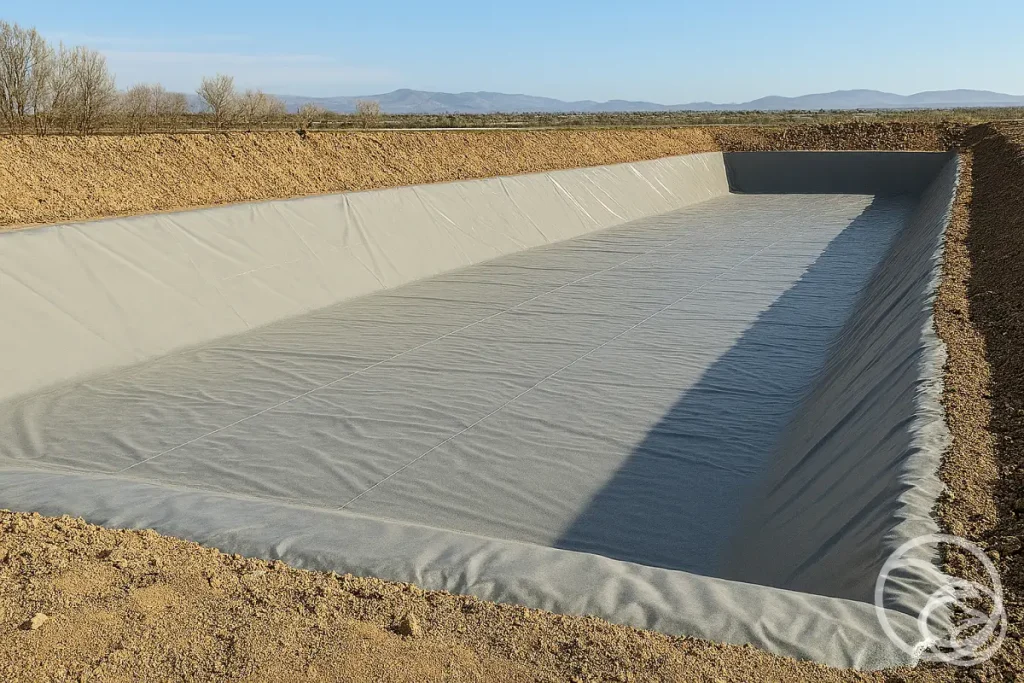
Not all damage requires full replacement. Many issues can be repaired if identified early.
Common repair situations include:
- Small punctures
- Minor tears
- Localised seam failures
- Limited areas of degradation
Timely repairs can significantly extend liner service life. Repairs should always be carried out using compatible materials and appropriate repair methods.
When Should a Bund Liner be Replaced?
Some situations indicate that replacement may be the most practical option.
Replacement should be considered when there is:
- Extensive damage
- Widespread degradation
- Repeated repair history
- Material incompatibility
- Significant loss of integrity
Continuing to repair a severely degraded liner may increase long-term costs and risks.
Maintaining Long-Term Containment Performance
A proactive inspection program is one of the most effective ways to protect containment infrastructure. Regular inspections help facility managers identify developing issues before they become major failures.
Key inspection areas include:
- Liner surfaces
- Seams and welds
- Drainage systems
- Penetrations
- Weather-related damage
By maintaining a consistent inspection schedule, facilities can improve containment performance and reduce environmental risks.
Final Thoughts
Regular inspections are one of the most effective ways to maintain containment system performance and reduce environmental risks. Following a structured bund liner inspection checklist helps facility managers identify damage early, plan maintenance activities, and extend the service life of containment infrastructure.
A proactive inspection program supports safer operations and improves long-term spill containment reliability.