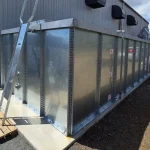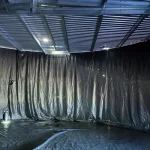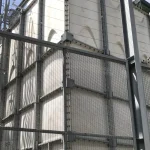
Industrial storage tanks rely on internal membranes to protect structural components from corrosion, chemical exposure, and water infiltration. These protective barriers are critical for maintaining tank integrity. However, over time, industrial tank membrane failure can occur due to environmental stress, mechanical damage, or material aging.
Understanding the causes and early warning signs helps facility managers prevent costly structural deterioration.
What is an Industrial Tank Membrane?
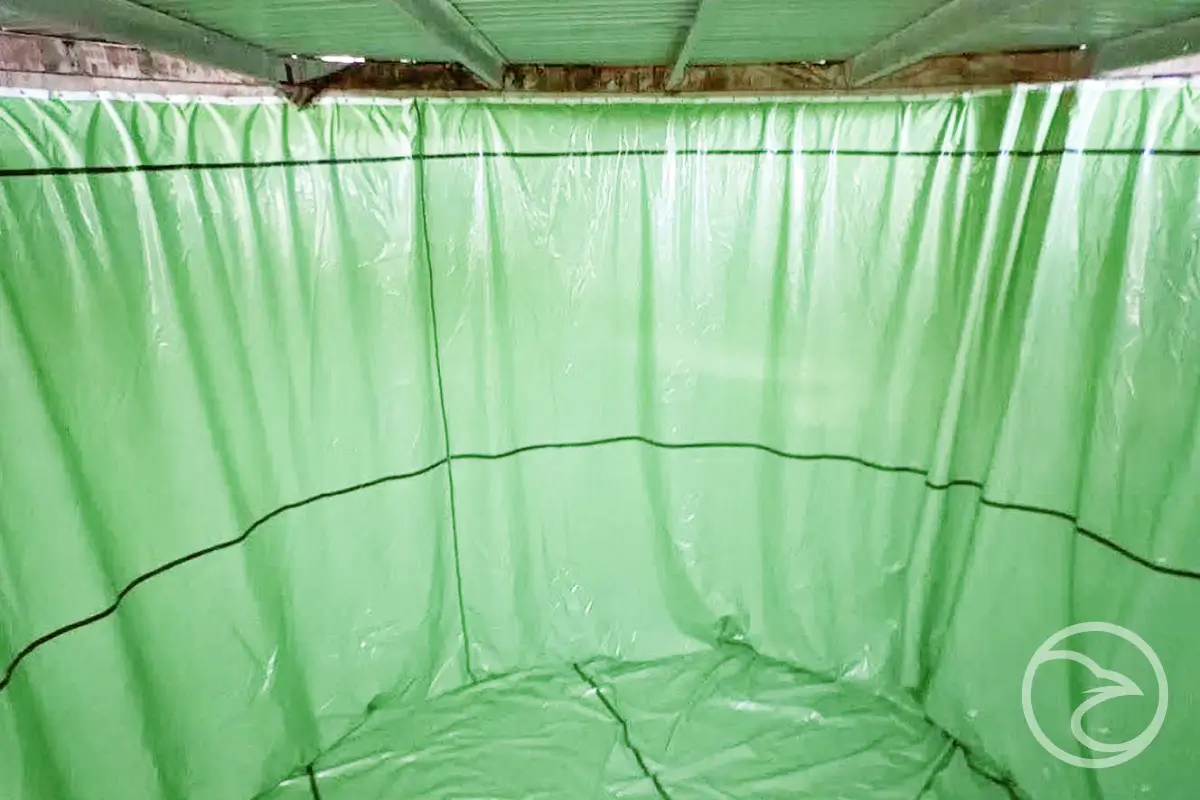
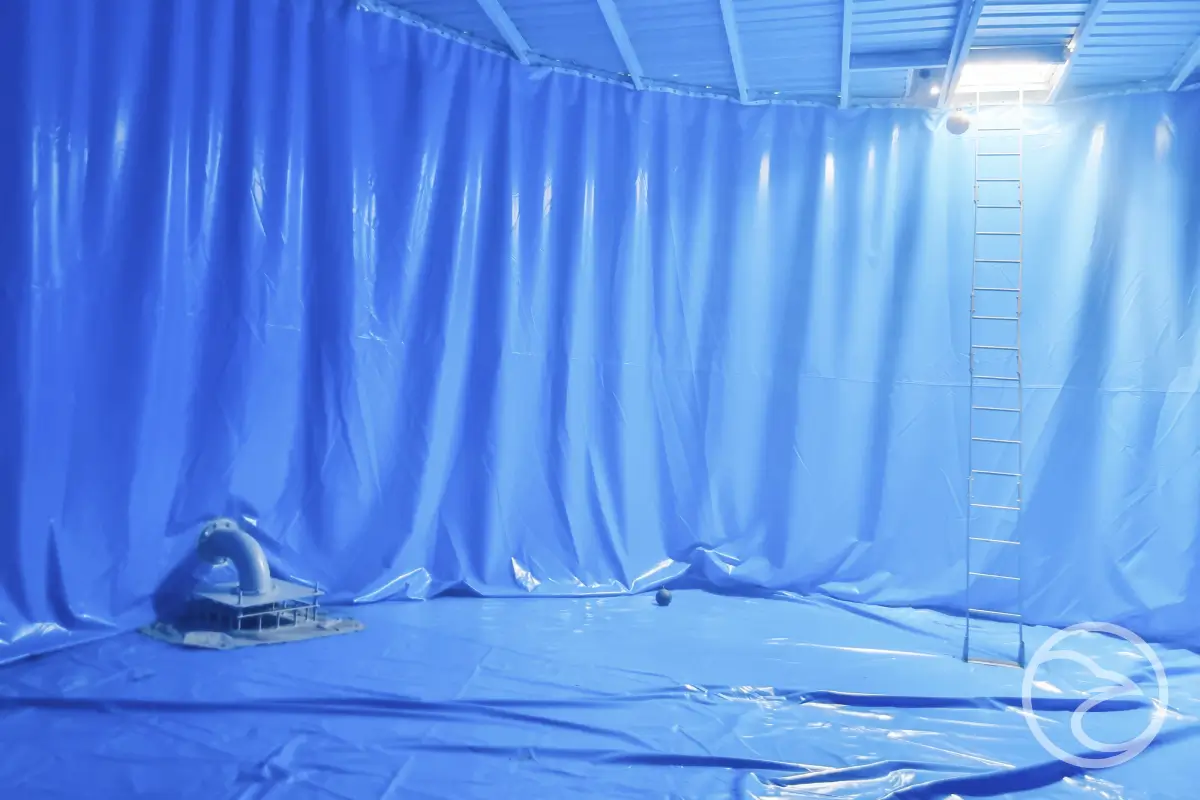
An industrial tank membrane is a flexible internal lining installed to create a protective barrier between stored liquids and the tank shell. These membranes are commonly used in:
- Steel storage tanks
- Concrete reservoirs
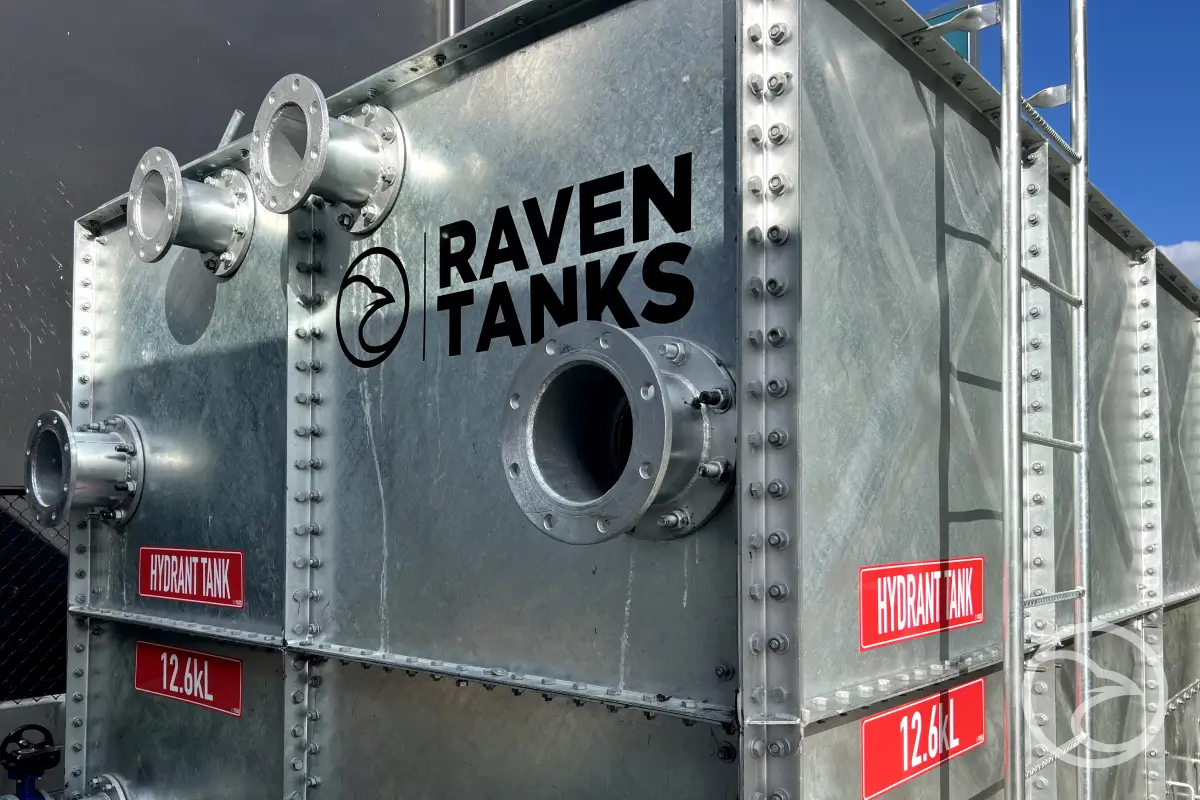
- Fire water tanks
- Potable water systems
- Chemical containment tanks
The membrane prevents direct contact between the stored liquid and the structural surface, reducing corrosion and contamination risks.
Common Causes of Industrial Tank Membrane Failure
Several factors contribute to membrane degradation over time.
1. Material Aging
All membrane materials have a projected service life. Exposure to UV radiation, temperature changes, and chemical interaction gradually weakens flexibility and strength.
As materials age, they may become brittle, increasing the likelihood of cracking.
2. Chemical Exposure
Industrial tanks often store treated water, wastewater, or chemical solutions. Incompatible or highly aggressive substances can accelerate membrane breakdown.
Prolonged exposure may cause:
- Softening or swelling
- Surface erosion
- Chemical blistering
- Loss of elasticity
Selecting the correct membrane type is essential to prevent premature failure.
3. Mechanical Stress and Movement
Tanks expand and contract due to pressure changes and temperature fluctuations. Structural movement can strain seams and anchoring points.
Repeated stress may result in:
- Seam separation
- Tension tears
- Fastener pull-out
- Wrinkling or detachment
Improper installation can increase vulnerability to movement-related damage.
4. Poor Surface Preparation
If the underlying tank surface was not properly cleaned or prepared before installation, adhesion issues may develop.
Contaminants, sharp edges, or structural irregularities can lead to early membrane punctures or uneven stress distribution.
Warning Signs of Membrane Deterioration
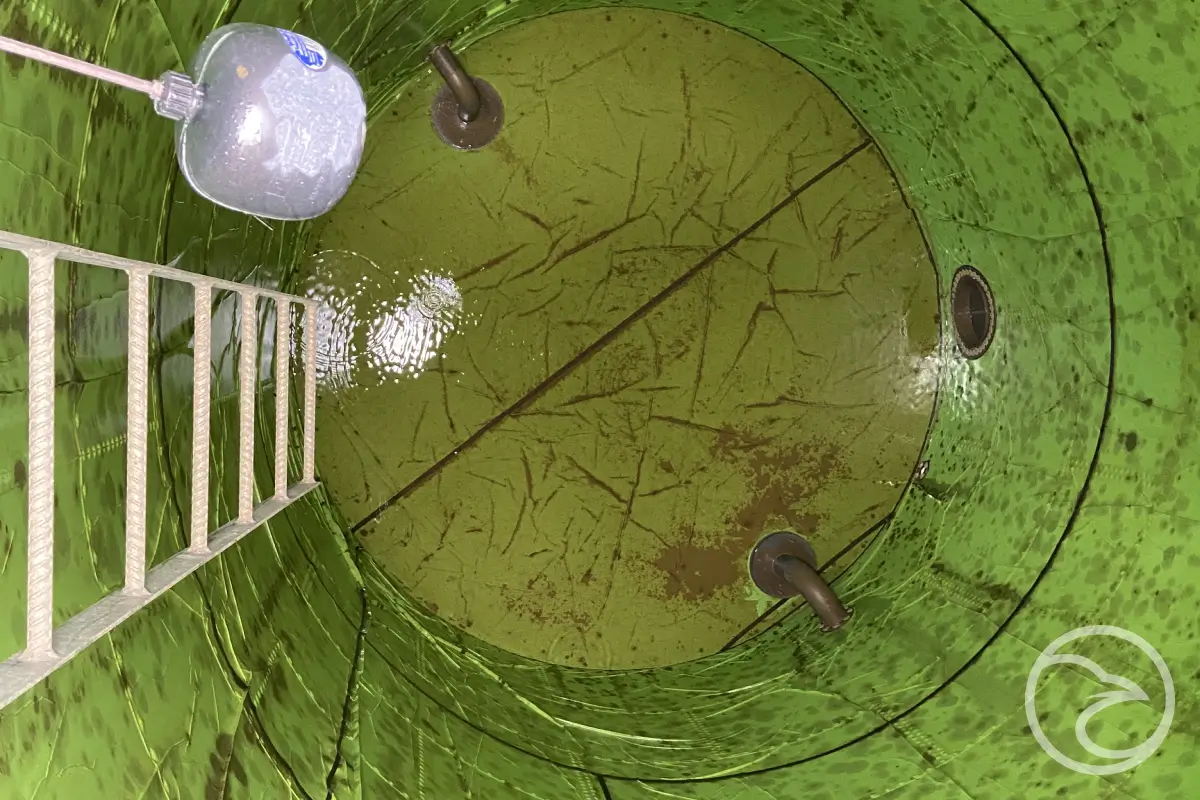
Early detection reduces the risk of widespread structural damage. Common indicators of industrial tank membrane failure include:
- Visible cracking or splitting
- Blistering or bubbling surfaces
- Discoloration or thinning areas
- Water trapped behind the membrane
- Unexpected moisture on the exterior structure
In severe cases, corrosion may develop beneath the liner, compromising the tank shell.
Consequences of Ignoring Membrane Failure
When membrane deterioration is not addressed promptly, the underlying tank structure becomes exposed to corrosive elements. This can lead to:
- Accelerated steel corrosion
- Concrete degradation
- Leakage and environmental risk
- Increased maintenance costs
- Potential regulatory non-compliance
Addressing early-stage damage is significantly more cost-effective than full structural rehabilitation. In some situations, localized tank liner repair may be possible if the damage is identified before widespread separation occurs.
Preventing Industrial Tank Membrane Failure
Proactive inspection and maintenance are the most effective strategies for extending membrane lifespan.
Recommended best practices include:
- Scheduled internal inspections
- Monitoring for seam integrity
- Checking anchoring systems
- Verifying compatibility with stored liquids
- Promptly addressing minor surface defects
Routine assessments help detect small issues before they escalate into major structural failures.
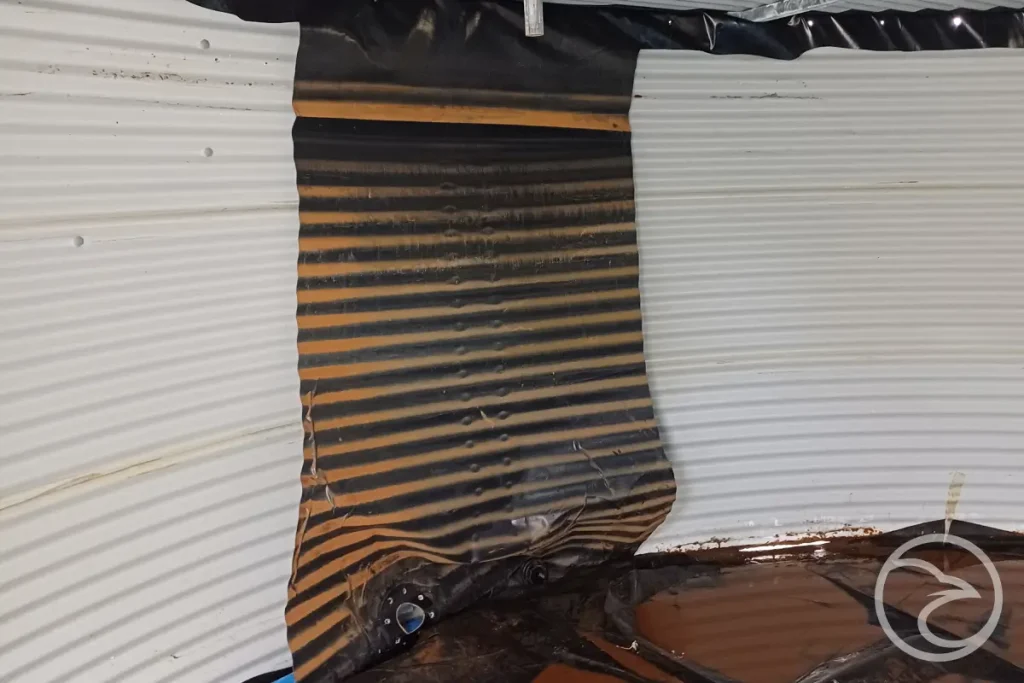
Repair vs. Replacement: Making the Right Decision
Not all membrane damage requires full replacement. The appropriate course of action depends on:
- Extent of deterioration
- Age of the membrane
- Type of stored liquid
- Structural condition of the tank
If degradation is isolated, targeted corrective measures may restore protection. However, widespread material fatigue often indicates the need for complete relining.
Additional information about liner restoration solutions is available on our main solutions page.
Final Thoughts
Industrial tank membrane failure is typically the result of aging materials, chemical exposure, mechanical stress, or improper installation. While deterioration is inevitable over time, early identification significantly reduces long-term structural risk.
By understanding warning signs and implementing routine inspections, facility managers can protect storage infrastructure and maintain safe, compliant operations for years to come.