Industrial water storage tanks require regular inspections to identify deterioration, leaks, corrosion, and other conditions affecting long-term performance.
However, not every inspection method provides the same level of access, detail, or operational flexibility. Two common approaches are manual water tank inspections and remotely operated vehicle (ROV) inspections.
Manual inspections involve direct assessment by qualified personnel. ROV inspections use underwater robotic equipment to examine accessible submerged surfaces remotely.
Both methods can provide valuable information about tank condition. However, their suitability depends on tank construction, accessibility, water conditions, inspection objectives, and operational requirements.
For facility managers, understanding these differences is important when planning tank assessments. This guide compares ROV vs manual water tank inspection methods, including their benefits, limitations, and practical applications.
What is a Manual Water Tank Inspection?
A manual water tank inspection involves direct assessment by qualified personnel using visual observations and appropriate inspection equipment. Depending on the tank configuration, inspectors may examine external components, internal surfaces, connections, and structural elements.
Some manual inspections can be completed without entering the tank. Others require personnel to access internal areas for closer examination. For certain internal assessments, draining and cleaning may be necessary.
However, manual inspection does not always require complete tank drainage.
How Manual Water Tank Inspections Work
The inspection process depends on the tank’s construction, operating conditions, and assessment requirements.
A conventional internal inspection may involve several activities:
-
Reviewing tank specifications and previous inspection records.
-
Evaluating access conditions and potential hazards.
-
Planning any necessary operational shutdown.
-
Draining or isolating the tank when required.
-
Cleaning surfaces where necessary.
-
Conducting visual examinations and measurements.
-
Documenting defects and recommending corrective actions.
These activities vary between facilities. For example, an external visual inspection may require little operational disruption. A detailed internal assessment may involve extensive preparation and safety procedures.
What can Manual Inspections Identify?
Manual inspections can help identify various problems affecting industrial water storage tanks.
Common findings include:
-
Corrosion on accessible metal surfaces.
-
Cracks or deformation in tank components.
-
Damaged protective coatings.
-
Deteriorated joints and connections.
-
Visible liner damage.
-
Evidence of leakage.
-
Structural deterioration.
-
Sediment accumulation.
-
Damaged supports or fittings.
Direct access may also allow inspectors to perform specialized measurements. These can include material thickness measurements, coating assessments, or other tests when appropriate.
However, the available testing methods depend on the tank material and inspection scope.
What is an ROV Water Tank Inspection?
An ROV water tank inspection uses a remotely operated underwater vehicle to examine submerged tank components. The equipment is controlled by an operator positioned outside the tank.
Underwater cameras and lighting systems transmit visual information during the assessment. In suitable conditions, the ROV can inspect accessible internal surfaces while the tank remains filled.
This can reduce the need for draining and physical entry. However, ROV inspections have limitations involving visibility, accessibility, and available testing capabilities.
How ROV Inspections Differ From Manual Methods
The primary difference involves how inspectors access and assess internal tank components. Manual inspections may allow personnel to examine surfaces directly. ROV inspections rely primarily on remotely collected visual information.
This distinction affects several aspects of the assessment:
-
Physical access to tank components.
-
Inspection equipment requirements.
-
Water drainage considerations.
-
Operational disruption.
-
Available measurements and testing.
-
Visibility and documentation.
-
Safety planning.
Neither method automatically provides a complete assessment of every tank component. The appropriate approach depends on the inspection objectives.
For a detailed explanation of underwater equipment, read our how do ROV water tank inspections work?
ROV vs Manual Water Tank Inspection: Key Differences
ROV and manual inspection methods offer different capabilities. Understanding these differences helps facility managers select an appropriate approach.
| Inspection factor | Manual inspection | ROV inspection |
|---|---|---|
| Tank drainage | May be required for detailed internal access | Often unnecessary under suitable conditions |
| Personnel entry | May be required | Generally unnecessary for underwater visual assessment |
| Inspection method | Direct observation and applicable testing | Remote underwater visual assessment |
| Surface access | Depends on physical accessibility | Depends on ROV navigation and visibility |
| Physical measurements | Various methods may be available | Depends on installed sensors and attachments |
| Operational disruption | Can be significant for drained inspections | Often reduced |
| Documentation | Photographs, measurements, and written findings | Underwater video, images, and written findings |
| Main limitations | Access restrictions, preparation, and safety requirements | Visibility, navigation, and limited physical testing |
These differences do not establish one method as universally superior. Each approach addresses particular inspection requirements.
Tank Drainage and Operational Disruption
One of the most important considerations is whether a tank must be drained.
Industrial facilities may depend on stored water for production, cooling, processing, or other operations.
Removing stored water can interrupt these activities.
Manual Inspections and Tank Drainage
Detailed manual internal inspections may require a tank to be emptied. This allows personnel to access surfaces that would otherwise remain submerged.
Depending on the application, additional preparation may include:
-
Isolating the tank.
-
Removing stored water.
-
Cleaning internal surfaces.
-
Providing suitable ventilation.
-
Establishing safe access.
-
Preparing inspection equipment.
-
Restoring the tank after inspection.
These activities can increase the time and resources required. However, drainage is not necessary for every manual inspection.
External examinations and certain accessible component checks may occur while the tank remains operational.
ROV Inspections Without Draining
ROV inspections can provide an alternative when underwater visual assessment is suitable. The equipment can examine accessible submerged surfaces while water remains inside the tank.
Potential operational benefits include:
-
Reduced water disposal requirements.
-
Less disruption to storage operations.
-
Reduced need for internal personnel entry.
-
Faster access to some submerged areas.
-
Underwater photographic documentation.
However, retaining water does not guarantee uninterrupted operation. Tank configuration, water quality requirements, and inspection procedures may create additional restrictions.
Facility managers should confirm these considerations before scheduling an assessment.
Inspection Accuracy and Available Detail
Inspection accuracy depends on the method, equipment, environmental conditions, and specific defects being evaluated. A high-quality visual inspection can identify many visible problems.
However, visual observations do not always establish the full extent of deterioration.
Advantages of Direct Manual Assessment
Direct access may allow inspectors to examine specific components more closely. Depending on the inspection requirements, personnel may perform measurements or specialized tests.
Examples include:
-
Ultrasonic thickness measurements.
-
Coating thickness assessments.
-
Detailed examination of accessible joints.
-
Localized surface testing.
-
Measurements of visible deformation.
-
Additional non-destructive testing.
These methods may provide information beyond visual observations. However, specialized testing requires appropriate equipment, procedures, and qualified personnel.
Advantages of ROV Visual Documentation
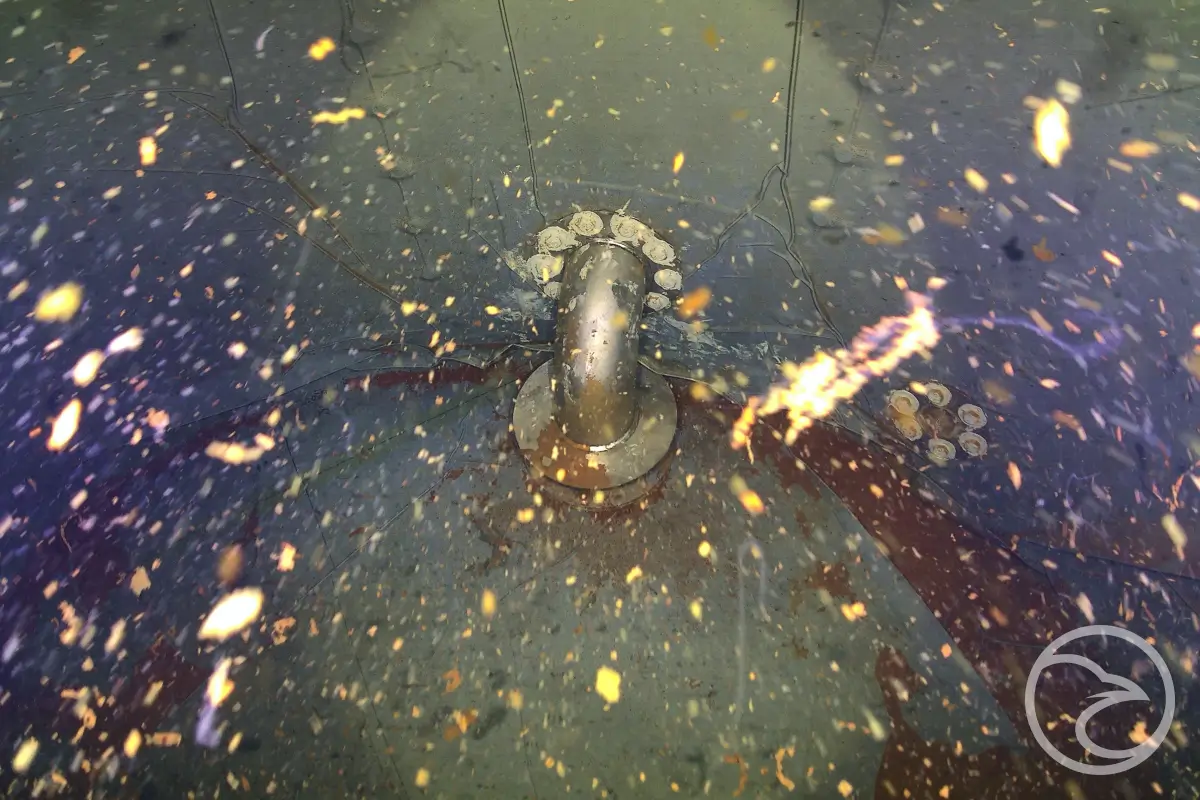
ROV equipment can capture underwater video and photographs. This provides a record of accessible internal surfaces and observed conditions.
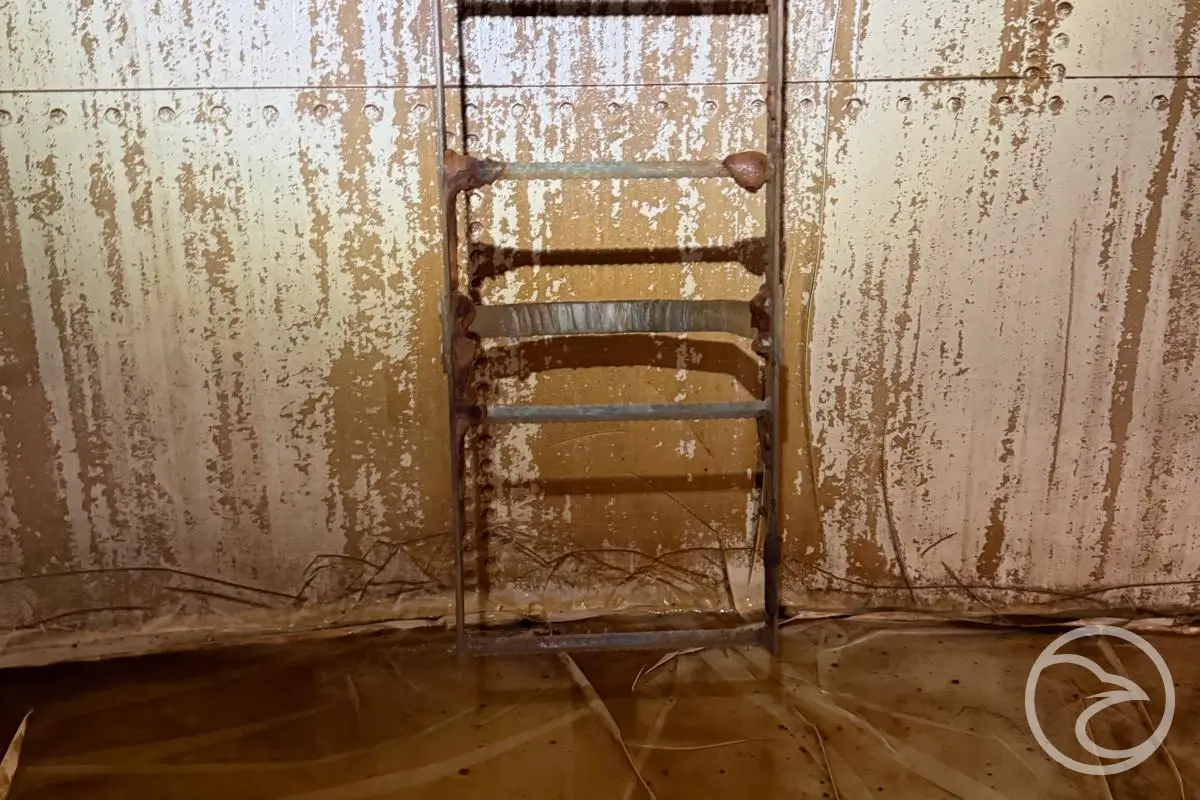
Recorded footage can help inspectors review:
-
Visible corrosion.
-
Sediment accumulation.
-
Surface deterioration.
-
Damaged internal fittings.
-
Accessible joints and connections.
-
Unusual deposits or staining.
ROV documentation can also support comparisons with previous inspections. However, image quality depends on water clarity, lighting, camera positioning, and equipment capabilities.
Can ROVs Measure Corrosion?
Some specialized ROV systems support additional sensors or inspection attachments. These may allow certain measurements under suitable conditions. However, a standard camera-based ROV inspection cannot automatically determine material thickness or remaining structural strength.
Visible corrosion may require additional assessment. Facility managers should confirm which measurements are included before selecting an inspection method.
Safety Considerations for Manual and ROV Inspections
Safety planning is essential for all industrial water tank inspections. The hazards vary according to tank construction, access conditions, stored contents, and inspection activities.
Manual Inspection Safety
Internal manual inspections may involve confined space hazards.
Potential concerns include:
-
Restricted entry and exit.
-
Hazardous atmospheric conditions.
-
Oxygen deficiency.
-
Slippery surfaces.
-
Difficult emergency access.
-
Equipment and electrical hazards.
-
Residual contamination.
Applicable OSHA requirements must be considered when personnel enter spaces meeting relevant regulatory definitions. Certain tanks may qualify as permit-required confined spaces.
Appropriate hazard evaluation and entry procedures are essential.
ROV Inspection Safety
ROV inspections can reduce the need for personnel to enter submerged areas. This may eliminate some hazards associated with physical internal access. However, remote inspection does not eliminate every risk.
ROV operations still require appropriate planning for:
-
Safe equipment deployment.
-
Electrical equipment protection.
-
Access opening conditions.
-
Equipment retrieval.
-
Contamination prevention.
-
Site-specific operational hazards.
The inspection team must also consider the possibility of equipment becoming trapped. A suitable retrieval plan should form part of inspection preparation.
Does ROV Inspection Eliminate Confined Space Requirements?
Not necessarily. Using an ROV can avoid personnel entry during certain underwater assessments.
However, other inspection activities may still require physical access. Any necessary entry must follow applicable safety requirements.
The inspection method should be selected after evaluating the specific tank and planned activities.
Access Limitations and Tank Configuration
Tank design influences which inspection methods are practical. Large industrial tanks may contain internal supports, partitions, fittings, and restricted areas.
These features can affect both manual and ROV access.
Manual Inspection Access
Manual inspectors may require suitable entry openings and safe internal working conditions. Some tank sections may remain difficult to access even after drainage.
Elevated components, restricted compartments, and complex structural arrangements can create additional challenges. Specialized access equipment may be necessary.
ROV Navigation Limitations
ROV equipment must fit through available openings and navigate internal structures.
Potential restrictions include:
-
Narrow access points.
-
Internal partitions.
-
Dense support arrangements.
-
Submerged obstructions.
-
Restricted spaces around fittings.
-
Tether management challenges.
Water clarity can also limit the effectiveness of underwater cameras. Sediment and suspended particles may reduce visibility.
The ROV may not reach every required inspection area. These limitations should be documented in the inspection report.
Comparing Inspection Costs and Resources
Inspection cost is another important consideration for facility managers. However, comparing methods requires more than reviewing the initial inspection price.
The total project cost may include preparation, equipment, operational disruption, and follow-up work.
Factors Affecting Manual Inspection Costs
Manual inspection costs can depend on:
-
Tank dimensions and configuration.
-
Required access arrangements.
-
Water removal and disposal.
-
Cleaning requirements.
-
Confined space safety procedures.
-
Inspection personnel.
-
Specialized testing.
-
Operational downtime.
A detailed internal inspection may involve substantial preparation. However, simple external manual inspections may be comparatively straightforward.
Factors Affecting ROV Inspection Costs
ROV inspection costs may depend on:
-
Tank size and water depth.
-
Equipment requirements.
-
Access opening dimensions.
-
Internal obstructions.
-
Water visibility.
-
Inspection duration.
-
Required documentation.
-
Specialized sensors or attachments.
ROV inspections may reduce expenses associated with draining and refilling. However, they may also require follow-up testing.
Which Method is More Cost-Effective?
Neither method is automatically less expensive. The appropriate comparison depends on the required inspection outcomes.
An ROV assessment may be efficient when underwater visual documentation is sufficient. A manual inspection may provide better value when direct measurements or physical access are necessary.
Facility managers should evaluate the complete inspection scope rather than equipment costs alone.
When is ROV Water Tank Inspection the Better Option?
ROV inspection may be suitable when a facility needs visual information about submerged tank conditions. It can be particularly useful when draining would create operational difficulties.
Potential applications include:
-
Large industrial water storage tanks.
-
Tanks with accessible submerged surfaces.
-
Facilities seeking to reduce operational interruption.
-
Assessments focused on visible internal deterioration.
-
Inspections requiring underwater photographic evidence.
-
Preliminary investigations before further testing.
ROV inspections may also help identify areas requiring closer examination. For example, underwater footage may reveal suspected corrosion or liner deterioration.
The findings can guide subsequent inspection planning. However, an ROV assessment should not replace required testing that the equipment cannot perform.
When is Manual Water Tank Inspection Necessary?
Manual inspection remains important when direct physical access or specialized testing is required. Certain conditions cannot be adequately assessed through underwater video alone.
Manual methods may be necessary when:
-
Material thickness measurements are required.
-
Detailed coating assessments are needed.
-
Surfaces require cleaning before examination.
-
Suspected defects require physical testing.
-
Internal repairs must be planned.
-
ROV access is restricted.
-
Water visibility is insufficient.
-
Applicable inspection requirements specify another method.
For example, severe visible corrosion may require additional measurements. A manual assessment can provide access for appropriate testing after suitable preparation.
The decision should reflect the condition being investigated.
Can ROV and Manual Inspections be Combined?
Yes. In some situations, combining methods provides a more complete understanding of tank condition. An ROV inspection may identify visible concerns during an initial underwater assessment.
Inspectors can then recommend targeted follow-up work. For example, an ROV may document corrosion near an internal connection.
Additional manual assessment may be necessary to determine the extent of deterioration. This approach can help prioritize areas requiring further investigation.
A Practical Combined Inspection Approach
A combined assessment may involve:
-
Reviewing existing inspection records and known problems.
-
Performing an initial visual assessment.
-
Using an ROV to examine accessible submerged surfaces.
-
Documenting suspected defects and inspection limitations.
-
Identifying areas requiring direct examination.
-
Performing additional testing when appropriate.
-
Preparing a consolidated inspection report.
The sequence depends on the tank and inspection objectives. Not every facility requires both methods. However, combining techniques can be useful when visual findings require confirmation.
How to Choose the Right Water Tank Inspection Method
Selecting an inspection method begins with defining the assessment objectives. Facility managers should identify what information they need before comparing available approaches.
Consider the Tank’s Operating Requirements
Determine whether the tank can be temporarily removed from service. For some facilities, draining may be manageable.
Others may require continuous water storage availability. Operational restrictions can influence the inspection method.
Identify the Required Inspection Detail
A general condition assessment may focus on visible deterioration. A structural investigation may require measurements and specialized testing.
The inspection method must support the required level of assessment.
Evaluate Accessibility
Review tank dimensions, access openings, and internal arrangements. Determine whether personnel or robotic equipment can reach the required areas.
Restricted access may limit the effectiveness of either approach.
Review Water Conditions
Water clarity is particularly important for underwater visual inspections. High sediment levels or suspended particles can restrict visibility.
These conditions may require additional preparation or another assessment method.
Confirm Documentation Requirements
Inspection reports should clearly describe the methods used and findings observed. They should also identify limitations and recommended corrective actions.
Photographs, measurements, and location references can support future maintenance planning. Professional tank inspection services can help facility managers evaluate suitable assessment methods.
Common Mistakes when Comparing ROV and Manual Inspections
Choosing an inspection method without understanding its limitations can lead to incomplete assessments. Several assumptions should be avoided.
Assuming Every Manual Inspection Requires Draining
Manual inspections include different activities. Some external assessments can occur while the tank remains filled.
Drainage depends on the required internal access and inspection scope.
Assuming ROV Inspections Replace all Manual Testing
ROV inspections provide valuable underwater visual information. However, camera-based assessments cannot replace every physical measurement or specialized test.
Additional investigation may be necessary.
Ignoring Water Visibility
Poor visibility can significantly reduce the usefulness of underwater footage. Facility managers should consider water conditions before scheduling an ROV assessment.
Comparing Only Initial Inspection Prices
The lowest inspection quote may not represent the lowest overall project cost. Preparation, downtime, additional testing, and follow-up work should also be considered.
Overlooking Inspection Limitations
Every inspection report should identify inaccessible areas and unresolved uncertainties. Without this information, facility managers may misunderstand the completeness of the assessment.
Conclusion
ROV and manual water tank inspections provide different approaches to evaluating industrial water storage systems. ROV inspections offer remote underwater visual assessment and may reduce the need for tank drainage.
Manual inspections can provide direct access and support specialized testing when required. However, both methods have limitations involving accessibility, equipment capabilities, and inspection conditions.
The most suitable approach depends on the tank’s construction, operating requirements, and assessment objectives. In some cases, combining methods can provide a more complete understanding of tank condition.
Appropriate inspection planning helps facility managers identify deterioration, understand maintenance needs, and make informed decisions about their tanks.