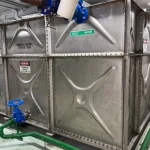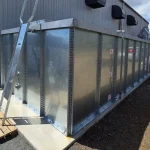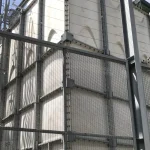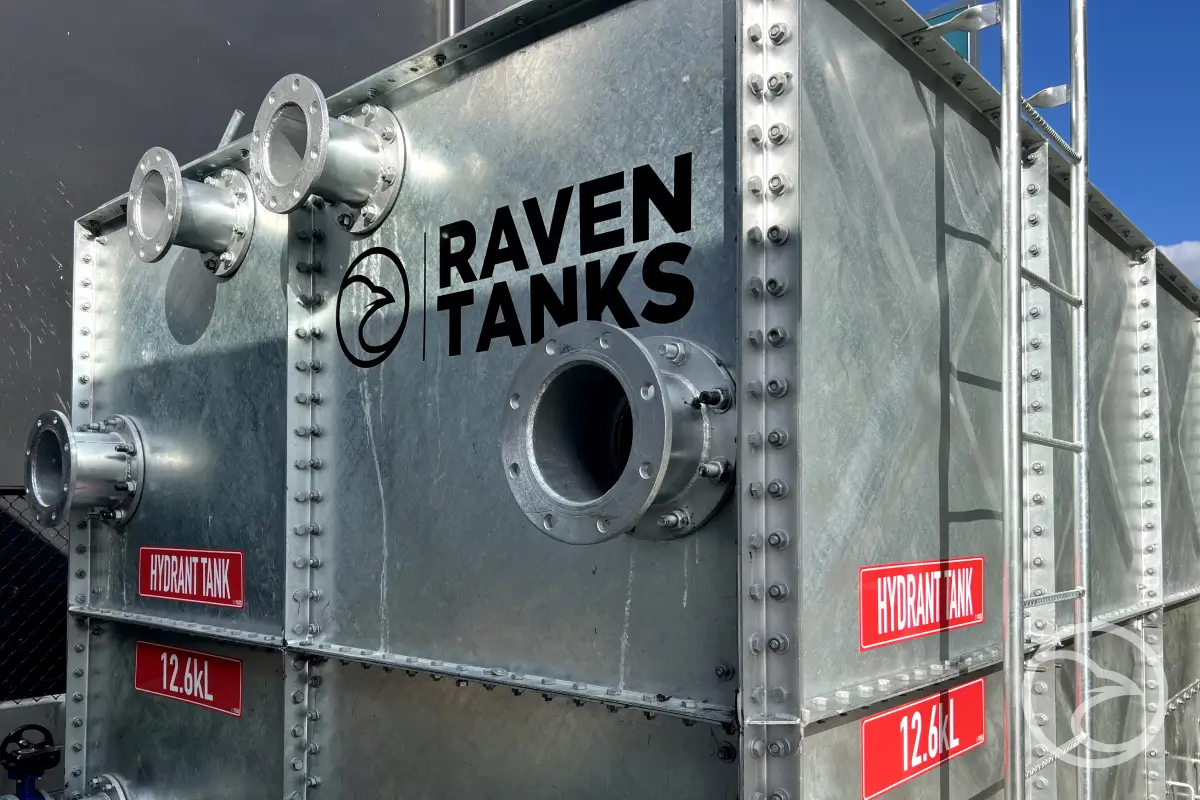
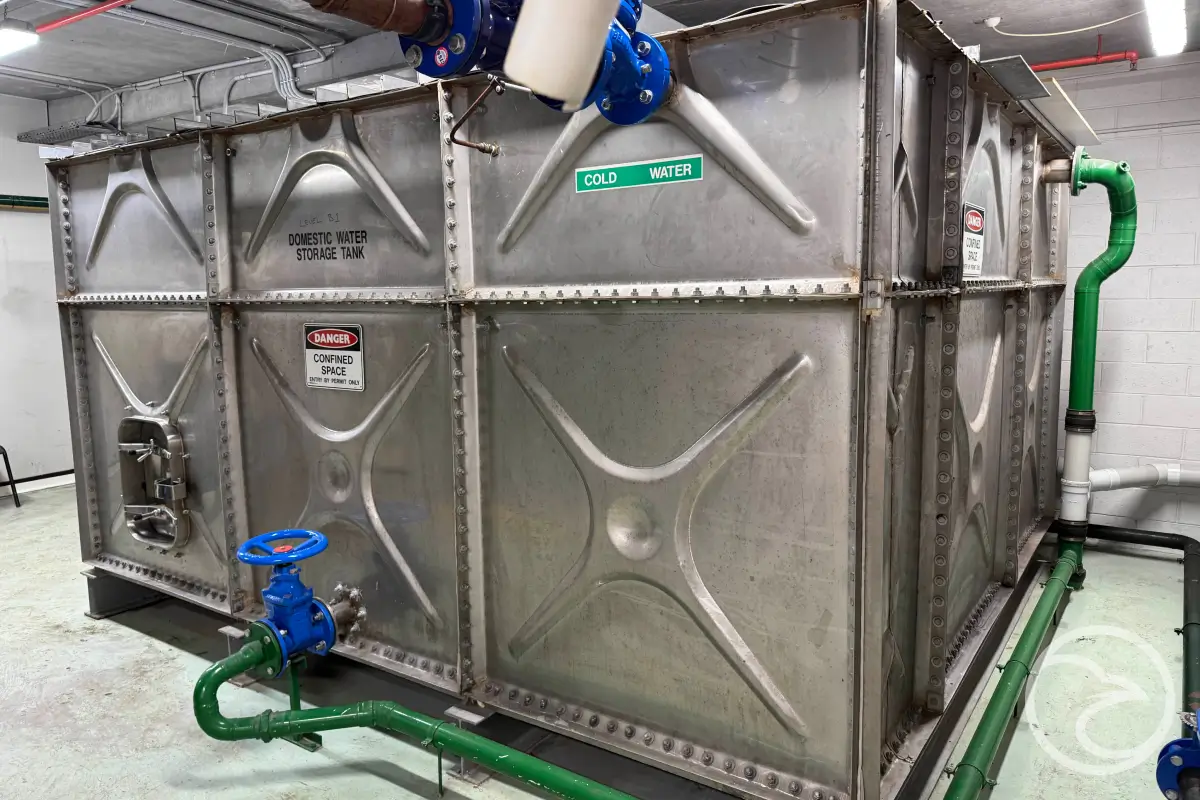
Modular stainless steel water tanks provide a flexible solution for storing water in commercial, industrial, and infrastructure facilities.
Unlike conventional tanks manufactured as single structures, modular systems are assembled from individual panels or prefabricated sections. This approach allows tank dimensions and configurations to suit different installation requirements.
These tanks are commonly considered for projects involving restricted access, large storage capacities, or complex site conditions. But how do modular stainless steel water tanks actually work?
Understanding their construction, components, and assembly process helps explain how these systems store water safely and efficiently.
This guide covers the working principles of modular stainless steel tanks, their main components, installation methods, and maintenance requirements.
What is a Modular Stainless Steel Water Tank?
A modular stainless steel water tank is a storage structure assembled from individual stainless steel panels or prefabricated modules. These components form the tank walls, base, and sometimes the roof.
Depending on the design, panels may be connected using bolted joints, welded connections, or other engineered assembly methods. The completed structure creates a water storage enclosure designed to withstand internal water pressure and external operating conditions.
Modular tanks can be manufactured in different shapes and capacities. Rectangular and square configurations are common because they allow efficient use of available installation space.
The exact dimensions depend on structural requirements, available space, and intended water storage capacity.
How are Modular Tanks Different from Conventional Tanks?
Traditional prefabricated tanks may arrive as complete units or large assembled sections. Modular tanks are typically transported as smaller components and assembled at the installation site.
This distinction can offer practical benefits for projects with restricted access. For example, individual panels may be easier to transport through narrow entrances or into existing buildings.
Modular construction can also support customised tank dimensions. However, all configurations must satisfy applicable structural and operational requirements.
How does a Modular Stainless Steel Water Tank Work?
A modular stainless steel water tank works by containing stored water within an engineered structure. Although the concept appears straightforward, several components work together to maintain structural stability and watertight containment.
The operating process involves water entering, remaining within, and leaving the tank through designated connections.
1. Water Enters Through the Inlet
Water enters the tank through an inlet connection. The inlet arrangement depends on the intended application and connected water supply system.
Some tanks receive water from mains supplies, pumps, or other storage systems. Inlet controls may regulate filling and help prevent excessive water levels.
The exact arrangement depends on the system design.
2. Stainless Steel Panels Contain the Water
The assembled stainless steel panels form the primary water containment structure. These panels must withstand the pressure created by the stored water.
Hydrostatic pressure increases with water depth. Consequently, the lower sections of a tank generally experience greater water pressure than the upper sections.
Panel thickness, structural reinforcement, and connection design must account for these loads. The tank’s structural system transfers the resulting forces through its supports and foundation.
3. Joints Maintain Watertight Containment
Connections between panels are essential to the performance of modular tanks. Bolted systems commonly use engineered sealing arrangements between adjoining panels.
These seals help prevent water escaping through the joints. Welded systems achieve containment through appropriately designed and completed welded connections.
The sealing method depends on the tank manufacturer and construction system.
4. Water Remains Stored Until Required
Once filled, the tank holds water for its intended application. This may include process water, potable water, fire protection supplies, or other suitable storage purposes.
Different applications require different water quality controls and system components. For example, drinking water storage requires suitable materials and hygienic operating conditions.
Fire protection storage must meet the relevant design and performance requirements.
5. Water Leaves Through the Outlet
Stored water exits through designated outlet connections. The outlet may connect to pumps, distribution pipework, or other equipment.
Its size, position, and arrangement depend on system requirements. Additional connections may support drainage, overflow management, ventilation, and maintenance access.
Main Components of Stainless Steel Panel Water Tanks
Modular stainless steel tanks contain several interconnected components. Each component contributes to structural integrity, watertight containment, or operational performance.
| Component | Main function |
|---|---|
| Stainless steel panels | Form the water containment structure |
| Panel joints | Connect individual tank sections |
| Gaskets and seals | Help maintain watertight connections in applicable designs |
| Bolts and fasteners | Secure panels in bolted systems |
| Structural supports | Help resist water pressure and other loads |
| Tank foundation | Supports the assembled structure |
| Inlet connection | Allows water to enter |
| Outlet connection | Allows stored water to leave |
| Overflow connection | Provides a designated route for excess water |
| Drain connection | Supports emptying and maintenance |
| Access openings | Provide access for inspection and servicing |
| Roof or cover | Helps protect stored water from external contamination |
The exact component arrangement varies between tank designs.
Stainless Steel Panels
Panels are the primary structural elements in sectional water storage systems. Their dimensions and thickness depend on the manufacturer’s design and engineering requirements.
Panels may include formed profiles or reinforcement features to improve structural performance. Suitable stainless steel grades must be selected for the stored water and surrounding environment.
Bolts, Fasteners, and Connections
Bolted systems rely on mechanical connections to secure individual panels. Fasteners must provide the required connection strength and remain suitable for operating conditions.
Correct assembly is essential because connection defects can affect structural performance and watertightness. Fastener materials should also be compatible with surrounding components.
Sealing Systems
Sealing systems help prevent leakage between connected panels. Gaskets and other sealing materials must be compatible with the stored water and expected operating conditions.
Their performance depends on material properties, joint design, and correct installation. Over time, some sealing materials may require inspection or replacement.
Internal and External Supports
Structural supports help the tank resist loads created by stored water. Depending on the design, reinforcement may include internal ties, braces, or external support members.
These components help maintain the intended tank shape under operating conditions. Their arrangement must follow the approved structural design.
How are Modular Stainless Steel Water Tanks Assembled?
Modular tank assembly involves connecting prefabricated components at the installation site. The process varies between manufacturers and construction systems.
However, most installations involve several common stages.
Step 1: Site Assessment and Preparation
Installation begins with an assessment of site conditions. Important considerations include available space, ground conditions, access restrictions, and required tank capacity.
The foundation must provide suitable support for the completed tank. Foundation requirements depend on tank dimensions, loading, and structural design.
Step 2: Delivery of Tank Components
Individual panels and supporting components are transported to the installation site. Modular construction can simplify transportation compared with delivering a fully assembled large tank.
This may be particularly useful for restricted-access locations. However, lifting arrangements and safe handling procedures remain important.
Step 3: Assembly of the Base
The tank base is assembled or prepared according to the selected design. Some modular systems use stainless steel base panels.
Others may incorporate different engineered base arrangements. The base must provide suitable support and containment for the intended installation.
Step 4: Installation of Wall Panels
Wall panels are positioned and connected to form the tank enclosure. Bolted systems require the correct installation of fasteners and sealing components.
Welded systems require suitable welding procedures and quality controls. The assembly sequence must follow the manufacturer’s instructions.
Step 5: Installation of Structural Supports
Internal or external reinforcement is installed where required. These components help maintain structural stability under operating loads.
Incorrect support installation can affect tank performance. Therefore, structural components must match the approved design.
Step 6: Installation of Fittings and Accessories
Inlet, outlet, overflow, drainage, and access components are installed. Additional equipment may be required for particular applications.
Connections must be suitable for operating pressure, mechanical loading, and stored water conditions.
Step 7: Inspection and Testing
The completed tank undergoes appropriate inspections and testing before entering service. These checks may include joint inspection, structural verification, and leakage testing.
Testing requirements depend on the design, manufacturer, and applicable standards. Any identified defects should be corrected before commissioning.
Bolted vs Welded Stainless Steel Tank Construction
Modular stainless steel tanks can use different connection methods. Bolted and welded construction approaches have distinct installation and maintenance characteristics.
Neither method is automatically suitable for every project.
| Feature | Bolted construction | Welded construction |
|---|---|---|
| Panel connections | Mechanical fasteners | Welded joints |
| Watertightness | Engineered seals and joint design | Properly completed welds |
| Installation | Panel positioning and fastening | Panel positioning and welding |
| Site requirements | Access for assembly and fastening | Suitable welding access and controls |
| Maintenance | Inspection of joints, seals, and fasteners | Inspection of welds and affected areas |
| Component replacement | May allow selected panels to be removed | May require cutting and welding |
| Main considerations | Joint design and sealing integrity | Weld quality and corrosion protection |
Bolted Stainless Steel Tanks
Bolted tanks use mechanical fasteners to connect individual panels. This method can support modular assembly and component replacement.
However, connection quality and sealing performance are essential. Joint deterioration may require maintenance during the tank’s service life.
Welded Stainless Steel Tanks
Welded tanks use welded connections to join structural components. Properly completed welds can create continuous metal joints.
However, welding quality is critical. Incorrect welding procedures or inadequate surface treatment can increase the risk of defects and localised corrosion.
The appropriate construction method depends on project specifications and operating requirements.
What are the Advantages of Modular Tank Construction?
Modular construction offers several practical advantages for water storage projects. These benefits depend on the selected system, installation conditions, and engineering design.
Flexible Tank Dimensions
Modular panels can support different tank dimensions and configurations. This flexibility may help accommodate available floor space and required storage capacity.
However, panel arrangements must remain within the manufacturer’s approved design limits.
Easier Transportation
Transporting individual components can be more practical than moving a complete large tank. This is particularly relevant when access roads, building entrances, or lifting conditions are restricted.
Smaller components may also simplify handling at certain sites.
Installation in Restricted Spaces
Some modular systems can be assembled within existing facilities. This may be useful where delivering a fully assembled tank is impractical.
However, sufficient working space must remain available for safe installation and future maintenance.
Potential for Component Replacement
Certain modular systems allow selected panels or connection components to be replaced. This can provide maintenance flexibility when damage is localised.
However, replacement feasibility depends on tank design and structural condition.
Adaptable Storage Configurations
Modular construction can accommodate various project layouts. For example, rectangular tanks may make efficient use of designated plant rooms or industrial spaces.
Tank configuration must still account for access, maintenance, structural loads, and connected equipment.
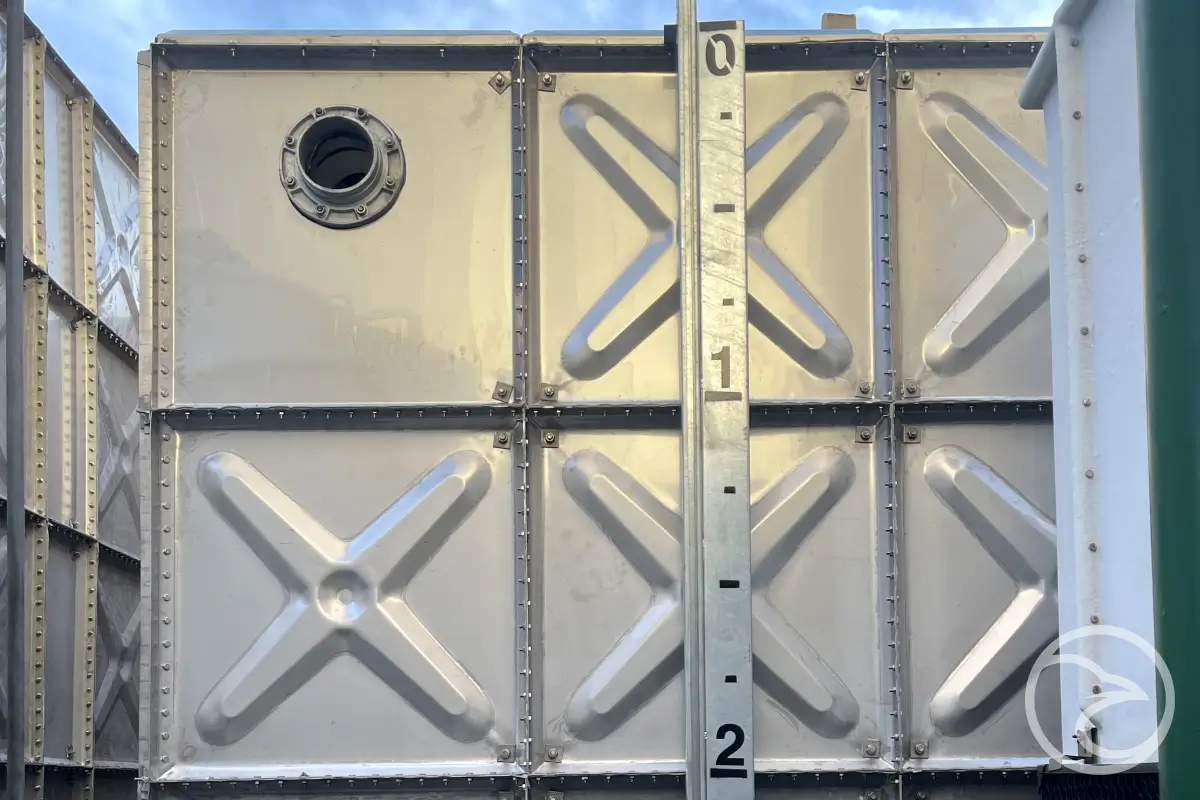
Where are Modular Stainless Steel Water Tanks Used?
Modular stainless steel tanks can support different water storage applications. Their suitability depends on material selection, design requirements, and water quality considerations.
Commercial Buildings
Commercial facilities may require water storage for building services and operational systems. Modular configurations can be useful when available installation space is limited.
The selected design must meet the building’s water storage requirements.
Industrial Facilities
Industrial operations may use stainless steel tanks for process water and other compatible liquids. Material suitability depends on the stored liquid’s chemical composition.
Not every industrial liquid is suitable for every stainless steel grade.
Fire Protection Systems
Some modular stainless steel tanks are designed for fire protection water storage. These systems must provide the required capacity and performance for the relevant fire protection installation.
Tank design and maintenance must reflect the applicable standards and system specifications.
Potable Water Storage
Stainless steel tanks may also be used for drinking water storage. Materials contacting drinking water must satisfy applicable requirements.
The complete installation must also address hygiene, contamination prevention, and water quality management.
What Maintenance do Modular Stainless Steel Tanks Require?
Modular stainless steel water tanks require appropriate inspection and maintenance. Although stainless steel offers good corrosion resistance, tank performance also depends on connections and supporting components.
Maintenance requirements vary according to tank design and application.
Inspect Panel Joints
Panel joints should be checked for visible leakage, damage, or unusual movement. Bolted systems may require particular attention to gaskets and connection components.
Any recurring leakage should be investigated.
Check Structural Supports
Structural supports help maintain tank stability. Inspections should identify damaged braces, visible deformation, or unusual movement.
Structural concerns may require assessment by a qualified professional.
Examine Fittings and Connections
Pipe connections and fittings can experience mechanical stress or deterioration. Leaks around penetrations should be addressed promptly.
Supporting pipework should not impose unintended loads on the tank.
Monitor Water Quality
Stored water conditions can influence maintenance requirements. Sediment accumulation and contamination may affect water quality and internal tank conditions.
Monitoring and cleaning should reflect the intended application.
Inspect for Corrosion
Stainless steel can experience corrosion under certain conditions. Chlorides, surface contamination, and unsuitable material selection can contribute to deterioration.
Early identification helps prevent localised damage from becoming more extensive. Proper maintenance helps reduce corrosion risks. Learn more about common causes and prevention methods in stainless steel water tank corrosion.
Maintain Inspection Records
Maintenance records help track tank condition over time. They should document identified defects, completed repairs, and recommended follow-up actions.
Consistent records support long-term maintenance planning.
What Should You Consider Before Choosing a Modular Stainless Steel Tank?
Selecting a modular water tank requires more than determining its storage capacity. The design must suit the intended application and installation environment.
Important considerations include:
-
Required capacity: The tank must store the volume required by the connected system.
-
Available space: Dimensions must accommodate installation, operation, and maintenance access.
-
Water chemistry: Stainless steel grade selection should reflect stored water conditions.
-
Construction method: Bolted and welded systems have different assembly and maintenance requirements.
-
Foundation design: Supporting structures must accommodate the tank’s operating loads.
-
Site accessibility: Delivery routes and installation conditions may influence the selected configuration.
-
Applicable standards: Design and installation must meet relevant regulatory and project requirements.
-
Maintenance access: The completed installation should allow appropriate inspection and servicing.
These factors influence long-term tank reliability and operational performance. For projects requiring modular water storage, explore our stainless steel panel tanks to learn about available construction options.
Conclusion
Modular stainless steel water tanks work by connecting engineered panels or prefabricated sections into a complete water storage structure.
Their panels, joints, supports, and fittings work together to maintain watertight containment and structural stability. Modular construction can provide practical benefits for transportation, installation, and customised storage configurations.
However, reliable performance depends on suitable materials, correct assembly, and ongoing maintenance. Understanding how modular stainless steel tanks work helps facility managers and project teams make informed water storage decisions.