Water storage tanks require periodic assessments to identify deterioration, structural damage, and conditions that may affect their performance. However, inspecting submerged surfaces can present significant challenges.
Traditional inspection methods may require draining a tank, arranging confined space entry, or temporarily interrupting water storage operations.
ROV water tank inspections offer an alternative approach by using remotely operated underwater vehicles to examine submerged tank components. These specialized robots carry cameras and lighting systems that allow inspectors to observe underwater conditions from outside the tank.
In suitable conditions, underwater ROV inspections can be performed while the tank remains filled with water. This approach can reduce operational disruption while providing valuable visual information about internal tank conditions.
This guide explains how ROV underwater tank inspections work, what they can identify, and where their limitations apply.
What is an ROV Water Tank Inspection?
An ROV water tank inspection is a remote visual assessment performed using an underwater remotely operated vehicle. The ROV travels through stored water while transmitting video footage to an operator.
This allows inspectors to examine accessible submerged surfaces without physically entering the water.
The equipment typically includes:
-
Underwater cameras: Capture video and images of submerged tank components.
-
LED lighting: Illuminates areas with limited natural light.
-
Propulsion systems: Allow controlled underwater movement.
-
Tether cables: Provide communication and, depending on the system, electrical power.
-
Control equipment: Enables operators to navigate and observe the underwater environment.
-
Recording systems: Store visual evidence for later assessment.
Some specialized ROV systems also support additional sensors or inspection attachments. However, their capabilities depend on the equipment configuration and inspection objectives.
Why are ROVs Used for Water Tank Inspections?
Large water storage tanks can contain submerged areas that are difficult to access. Conventional internal assessments may require draining, cleaning, ventilation, and confined space safety procedures.
Underwater ROV inspections can reduce some of these requirements when conditions permit. They allow operators to examine accessible internal surfaces while remaining outside the tank.
However, an ROV inspection does not automatically replace every required structural, safety, or regulatory assessment.
Professional tank inspection services help identify structural deterioration, corrosion, and other potential issues affecting water storage tank performance.
How do Underwater ROV Tank Inspections Work?
The underwater tank inspection process involves planning, equipment preparation, controlled navigation, and evaluation of recorded observations. Although procedures vary between projects, most ROV inspections follow several general stages.
Step 1: Reviewing Tank Information
Before deployment, inspectors review available information about the water storage tank.
This may include:
-
Tank dimensions and storage capacity
-
Construction materials
-
Access opening locations
-
Water depth
-
Internal structural arrangements
-
Previous inspection findings
-
Known defects or operational concerns
Understanding the tank configuration helps determine whether the ROV can access the required inspection areas. It also supports equipment selection and inspection planning.
Step 2: Preparing the Inspection Equipment
The ROV is prepared according to the inspection requirements. Operators check the camera, lighting, propulsion system, tether, and communication equipment.
Equipment cleanliness is particularly important for potable water storage applications. Suitable cleaning and disinfection procedures may be necessary before deployment.
The inspection team also evaluates access conditions and operational restrictions.
Step 3: Deploying the Underwater ROV
The ROV enters the tank through a suitable access opening. The opening must accommodate the equipment without damaging the tank or compromising safety.
The operator then guides the vehicle into the water. Deployment procedures depend on tank geometry, access restrictions, and equipment specifications.
Step 4: Navigating Inside the Tank
The ROV moves through accessible underwater areas while transmitting video to the operator. The inspection may cover tank walls, floors, joints, fittings, and structural components.
Operators use lighting and camera positioning to observe visible surface conditions. Careful navigation helps reduce the risk of disturbing sediment or contacting vulnerable components.
However, obstacles and restricted spaces may prevent complete coverage.
Step 5: Recording Underwater Conditions
Video footage provides a record of the inspected areas. Inspectors may capture additional images of suspected defects or unusual conditions.
Observations can include corrosion, sediment deposits, coating deterioration, and visible structural irregularities. The recorded material supports later review and reporting.
Step 6: Reviewing Inspection Findings
After deployment, inspectors review the available footage. They identify visible conditions that may require attention.
However, visual observations do not always establish the severity or underlying cause of a defect. Further testing may be necessary when significant deterioration is suspected.
Step 7: Preparing the Inspection Report
The inspection report documents the assessment and its findings.
It may include:
-
Tank identification and inspection date
-
Inspection scope
-
Equipment used
-
Areas examined
-
Visual observations
-
Photographs or video references
-
Access or visibility limitations
-
Recommendations for further assessment
Clear documentation helps tank owners understand observed conditions and plan appropriate follow-up actions.
What Can an ROV Detect Inside a Water Storage Tank?
ROV inspections provide visual information about submerged tank surfaces and components. Their effectiveness depends on water clarity, camera capabilities, access, and the condition being investigated.
Corrosion and Rust
Corrosion can affect steel tanks and exposed metal components. Underwater cameras may reveal visible rust, surface deterioration, or unusual corrosion deposits.
Common inspection locations include:
-
Steel wall panels
-
Tank floors
-
Bolted connections
-
Internal supports
-
Pipe connections
-
Exposed metal fittings
However, video footage alone cannot reliably determine remaining steel thickness. Ultrasonic testing or other appropriate methods may be necessary to evaluate material loss.
Sediment Accumulation
Sediment can collect along the bottom of water storage tanks. An ROV may identify visible deposits and areas of significant accumulation.
Sediment can also obscure surfaces and restrict inspection coverage. In some cases, excessive deposits may require separate investigation or removal.
ROV observations can help identify areas where additional assessment may be useful.
Coating Deterioration
Protective coatings help reduce corrosion exposure in certain tank designs. Underwater footage may reveal peeling, blistering, or visibly damaged coating areas.
However, cameras cannot determine coating adhesion or remaining protective performance through visual observation alone. Additional testing may be required when coating failure is suspected.
Cracks and Structural Defects
ROVs may identify visible cracks or surface irregularities in accessible areas. Concrete tanks can develop cracking associated with movement, loading, or material deterioration.
Steel tanks may show deformation or damage around connections. The significance of these observations requires professional evaluation.
An ROV cannot determine the full structural condition of a tank solely from video footage.
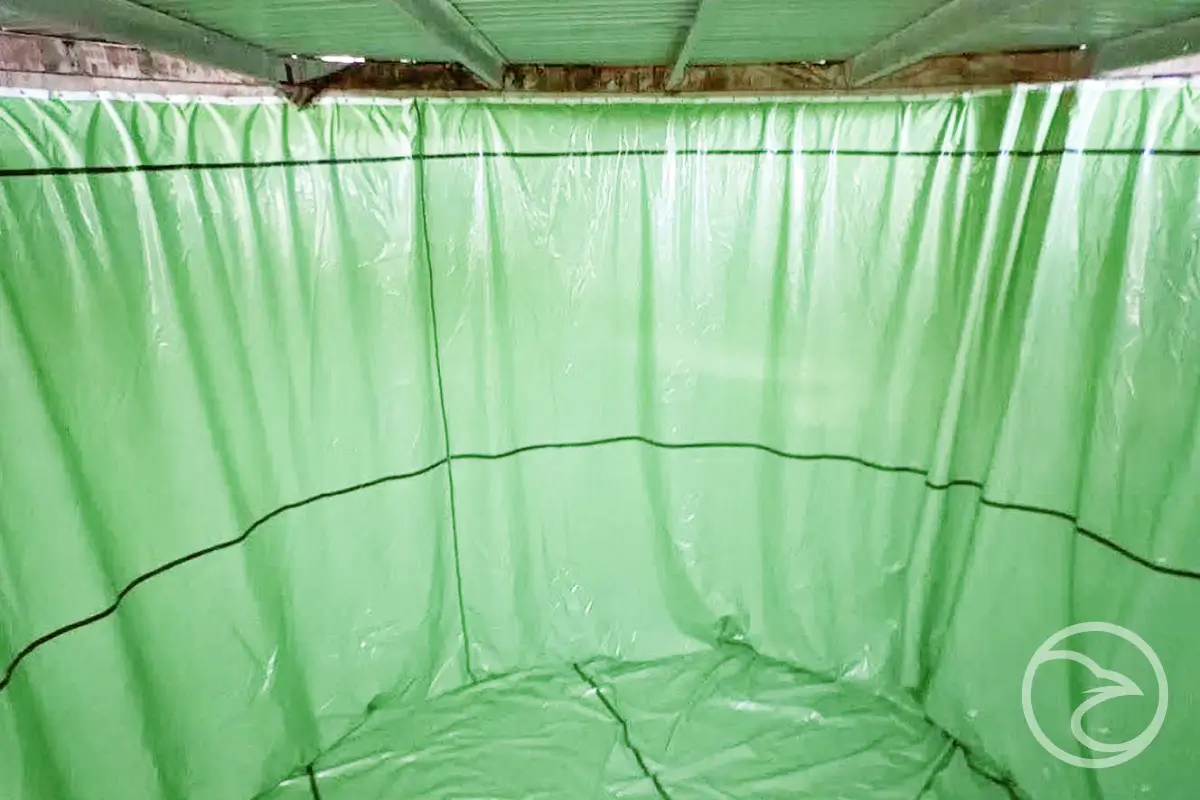
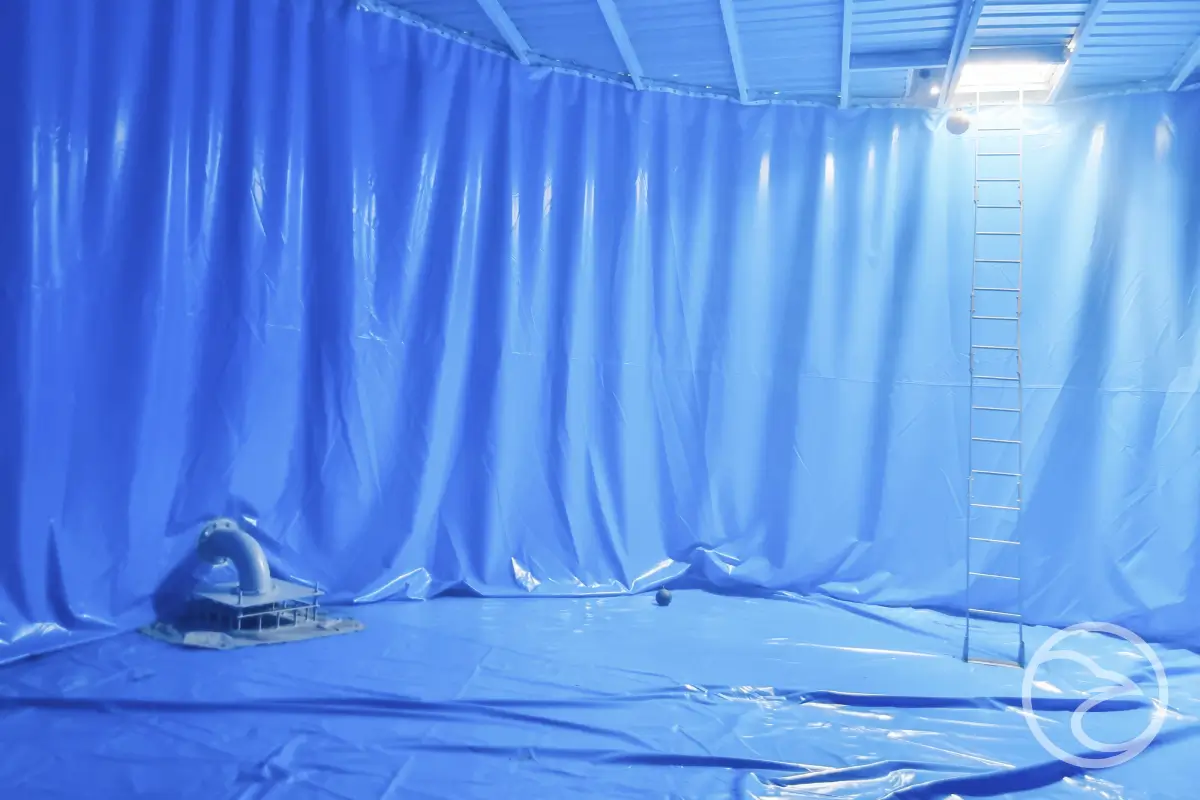
Liner Damage
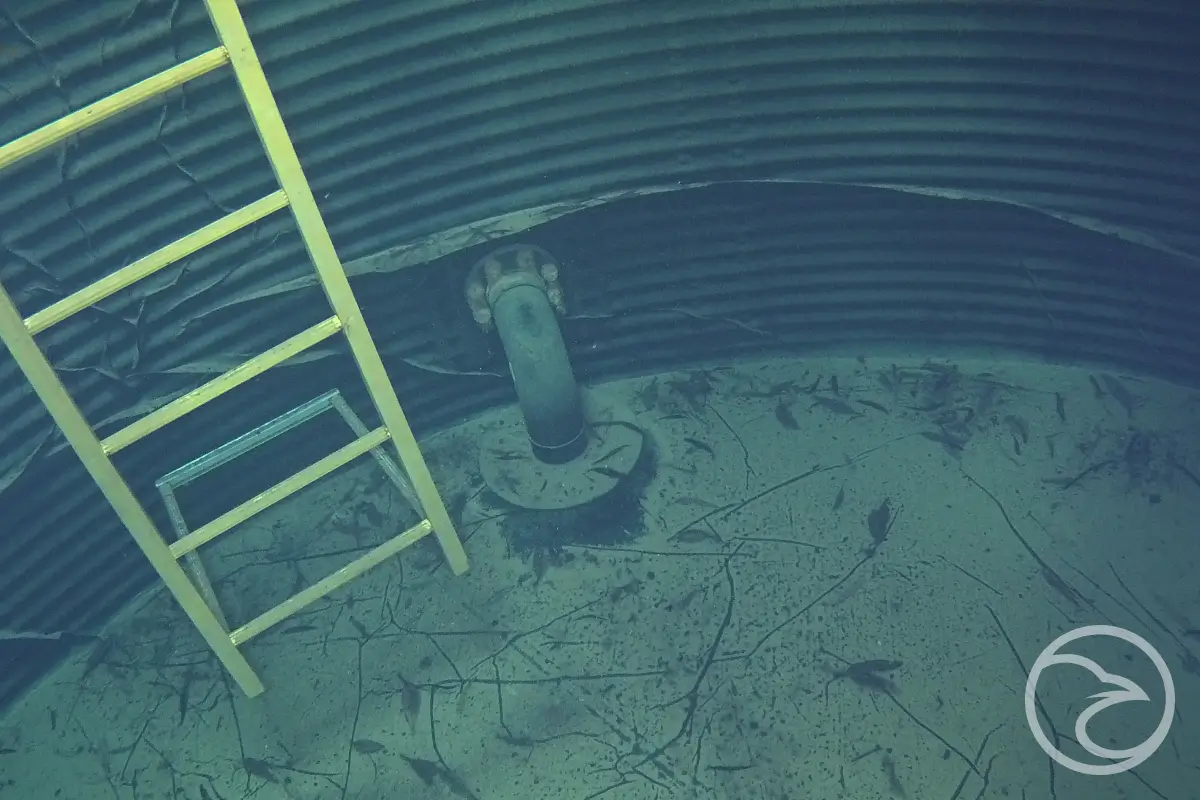
Some water storage tanks use internal liners to separate stored water from structural components. Underwater cameras may reveal visible tears, wrinkles, displaced sections, or damage around fittings.
However, small punctures and concealed defects may remain undetected. Additional investigation may be necessary when liner leakage is suspected.
Problems Around Fittings
Inlets, outlets, and internal pipe connections may develop visible deterioration. ROVs can examine accessible fittings for corrosion, damage, or unusual conditions.
They may also help document the position of submerged components. The inspection does not necessarily confirm hydraulic performance or watertightness.
Can Water Tanks be Inspected without Draining Them?
One important application of underwater ROV technology is inspecting tanks while they remain filled. This may eliminate the need for complete drainage during certain visual assessments.
However, whether a tank can remain operational depends on its design, contents, and inspection requirements.
How does Inspection Without Draining Work?
The ROV enters the water through an approved access point. Its camera captures submerged surfaces while the operator controls movement remotely.
Because the equipment operates underwater, inspectors may observe internal conditions without removing the stored water. This can be useful for facilities where draining would create operational challenges.
When is Inspection without Draining Suitable?
ROV inspections may be suitable when:
-
Water clarity allows meaningful visual observation.
-
Access openings accommodate the equipment.
-
Internal obstacles permit safe navigation.
-
The tank contents are compatible with the ROV.
-
Inspection objectives can be achieved visually.
-
Operational requirements permit equipment deployment.
The inspection team must evaluate these conditions before proceeding.
When Might Draining still be Necessary?
Draining may be required when defects cannot be adequately examined underwater.
Examples include:
-
Severe sediment obscuring the tank floor
-
Areas inaccessible to the ROV
-
Repairs requiring dry surfaces
-
Coating adhesion testing
-
Detailed material thickness assessment
-
Certain structural evaluations
ROV inspections provide valuable information, but they cannot replace every physical assessment method.
Which Types of Water Tanks can be Inspected using ROVs?
ROV technology can be applied to different water storage structures. However, suitability depends on tank dimensions, access, internal conditions, and equipment capabilities.
Fire Water Storage Tanks
Fire protection systems often depend on dedicated water storage. Taking these tanks out of service can affect system availability.
Underwater ROV inspections may help assess accessible submerged conditions without completely draining the tank. However, inspection procedures must align with applicable fire protection requirements.
In the United States, NFPA 25 addresses inspection, testing, and maintenance of water-based fire protection systems. The applicable edition and requirements depend on the jurisdiction and system.
The NFPA 25 fire tank inspection checklist provides a useful reference for understanding inspection requirements and evaluating fire protection water storage tank conditions.
Potable Water Storage Tanks
Potable water tanks require careful protection against contamination. ROV inspections may be possible when suitable equipment and procedures are used.
Equipment cleanliness, material compatibility, and deployment methods require particular attention. The inspection must follow applicable drinking water requirements and utility procedures.
Industrial Water Storage Tanks
Industrial facilities may use large tanks for process water, cooling systems, or other operational needs. ROV inspections can help document submerged conditions in compatible storage environments.
However, the stored liquid must be assessed before equipment deployment. Chemicals, temperature, and visibility may limit inspection suitability.
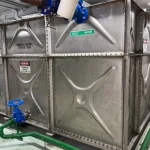
Steel Panel Tanks
Bolted steel panel tanks contain numerous connections and structural components. ROVs may help examine accessible underwater panels, joints, and fittings.
Visible corrosion or deformation can be documented for further assessment. However, hidden connection surfaces and concealed defects may remain inaccessible.
Concrete Water Tanks
Concrete tanks may contain submerged walls, floors, and structural features. ROV cameras can identify visible cracking, deposits, or surface deterioration.
However, determining crack depth or structural significance requires additional assessment.
What are the Limitations of Underwater ROV Inspections?
ROV inspections offer useful visual access, but their capabilities have important limitations. Understanding these restrictions helps prevent incorrect conclusions about tank condition.
Limited Water Visibility
Cloudy water can reduce camera effectiveness. Suspended particles may obscure surfaces and prevent reliable observations.
Powerful lighting cannot always overcome poor visibility. Inspection quality depends on the distance between the camera and the inspected surface.
Sediment Disturbance
ROV propulsion can disturb settled material. This may reduce visibility near the tank floor.
Careful movement and suitable operating procedures can help minimize disturbance. However, heavily sedimented tanks may remain difficult to inspect.
Restricted Access
Internal supports, narrow openings, and complex geometries can limit navigation. The ROV must have enough clearance to move safely.
Some areas may remain inaccessible even with compact equipment.
Visual Assessment Limitations
An underwater camera primarily records visible surface conditions.
It cannot automatically determine:
-
Remaining steel thickness
-
Hidden corrosion
-
Internal concrete defects
-
Coating adhesion
-
Structural load capacity
-
Concealed liner damage
Additional testing may be required to evaluate these conditions.
Equipment Compatibility
Not every ROV is suitable for every tank. Water chemistry, temperature, depth, and contamination risks affect equipment selection.
Specialized applications may require additional preparation or different inspection methods.
ROV Water Tank Inspections vs Traditional Tank Inspections
ROV inspections and conventional inspection methods provide different capabilities. The appropriate approach depends on the tank’s condition and assessment objectives.
| Inspection factor | Underwater ROV inspection | Traditional internal inspection |
|---|---|---|
| Tank drainage | May not be necessary | May be required |
| Personnel entering the tank | Usually unnecessary for ROV operation | May be necessary |
| Visual examination | Camera-based underwater observations | Direct visual examination |
| Surface access | Limited by visibility and navigation | Depends on access and safety conditions |
| Physical testing | Requires suitable additional equipment | May allow direct testing |
| Sediment removal | Not inherent to inspection | May be performed separately |
| Operational disruption | May be reduced | Can involve extended downtime |
| Hidden defect detection | Limited | Also requires appropriate testing methods |
Neither method is universally superior. ROV technology can provide efficient visual information in suitable conditions.
Traditional access may still be necessary for detailed testing, repairs, or areas beyond the ROV’s capabilities.
When is an ROV Inspection More Appropriate?
An ROV may be useful when the primary objective is examining visible underwater conditions. It can also be valuable when drainage would create significant operational disruption.
However, inspection suitability should be confirmed before deployment.
When is Traditional Inspection Necessary?
Direct access may be required for detailed physical testing or repairs. It may also be necessary when underwater visibility is inadequate.
The inspection method should reflect the specific questions that need answering.
How are ROV Inspection Findings Documented?
Documentation is an important part of an underwater tank assessment. Video footage provides a visual record that can support future condition comparisons.
However, useful reporting requires more than collecting images.
Inspection Footage
Recorded footage shows the areas examined during the assessment. Clear recording helps reviewers identify visible conditions and understand the inspection coverage.
Where possible, observations should be associated with identifiable tank locations.
Photographic Evidence
Still images can highlight specific defects or unusual conditions. These may include corrosion, sediment deposits, coating damage, or structural irregularities.
Photographs should be supported by sufficient location information.
Inspection Observations
Reports should distinguish between observed conditions and interpretations. For example, visible rust may be documented without claiming a specific amount of steel loss.
This distinction helps avoid conclusions unsupported by visual evidence.
Recommendations for Further Assessment
Some findings may justify additional investigation. A report may recommend further examination, material testing, or engineering review.
Recommendations should reflect the severity and uncertainty of observed conditions.
Proper water tank maintenance helps address issues identified during ROV inspections, prevent further deterioration, and support reliable long-term water storage.
What Factors Affect the Quality of an ROV Tank Inspection?
Inspection quality depends on both equipment capabilities and site conditions. Several factors influence how much useful information can be collected.
Water Clarity
Clear water generally allows better visual coverage. Suspended particles and biological growth may reduce image quality.
Visibility should be evaluated before and during the inspection.
Camera and Lighting Capabilities
Camera resolution influences the detail visible in recorded footage. Lighting helps illuminate dark areas.
However, excessive light reflection can reduce image clarity in turbid water. Equipment settings must suit underwater conditions.
Operator Experience
ROV navigation requires controlled movement and awareness of internal obstacles. Experienced operators can position cameras to examine accessible components more effectively.
They can also reduce unnecessary sediment disturbance.
Tank Geometry
Large, open tanks may provide relatively straightforward navigation. Complex internal structures can create blind spots and restricted areas.
Inspection planning should account for these limitations.
Inspection Objectives
A general visual assessment differs from an investigation targeting a suspected defect. Clearly defined objectives help determine equipment selection and inspection coverage.
They also support more useful reporting.
Final Thoughts
ROV water tank inspections provide a practical method for examining accessible submerged surfaces using remotely operated underwater equipment. They can help document corrosion, sediment, coating deterioration, and other visible conditions without necessarily draining the tank.
However, inspection quality depends on water clarity, equipment capabilities, access, and operator experience. ROV technology also has limitations when evaluating hidden defects or structural integrity.
Understanding these capabilities helps tank owners select appropriate assessment methods and interpret underwater inspection findings accurately.
For commercial, industrial, municipal, and fire protection water storage systems, ROV inspections can form part of a broader condition assessment strategy.