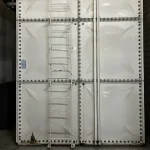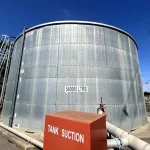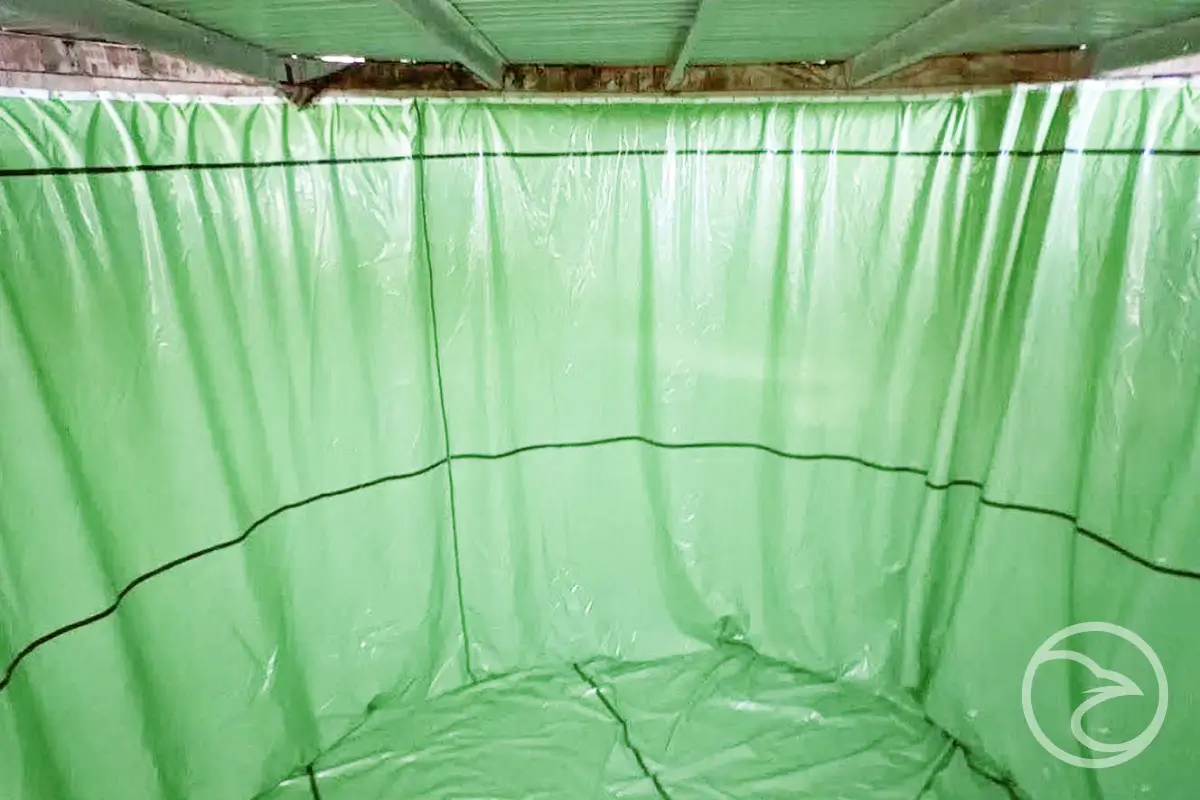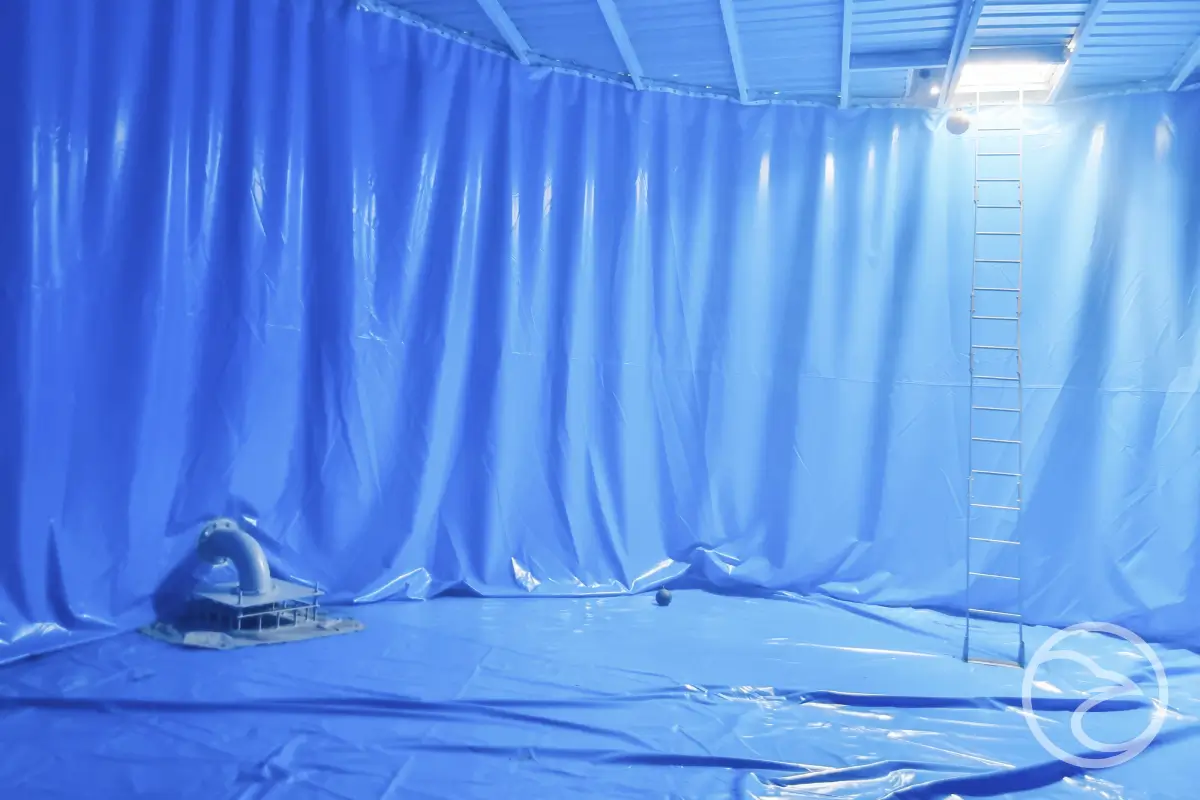

GRP water tanks are among the most widely used water storage solutions for commercial, industrial, and municipal applications. Their combination of strength, corrosion resistance, and long service life makes them suitable for storing potable water, fire water, rainwater, and process water.
Unlike traditional steel or concrete tanks, GRP tanks require minimal maintenance and do not rust. Their modular design also allows them to be installed in locations where transporting a large one-piece tank would be difficult.
As demand for durable and hygienic water storage continues to grow, GRP tanks have become a preferred choice across many industries. They are available in a wide range of sizes and configurations to suit different operational requirements.
This guide explains what GRP water tanks are, how they work, where they are used, their advantages and limitations, expected lifespan, maintenance requirements, and common issues owners should understand before choosing this type of storage system.
What are GRP Tanks?
GRP stands for Glass Reinforced Plastic. It is a composite material made from glass fibres embedded in a durable resin. The combination creates a lightweight but extremely strong material that performs well in demanding environments.
GRP water tanks are designed to store water safely while resisting corrosion, weather exposure, and many chemicals. They are commonly used for potable water, fire protection systems, industrial processes, and rainwater harvesting.
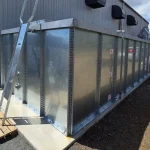
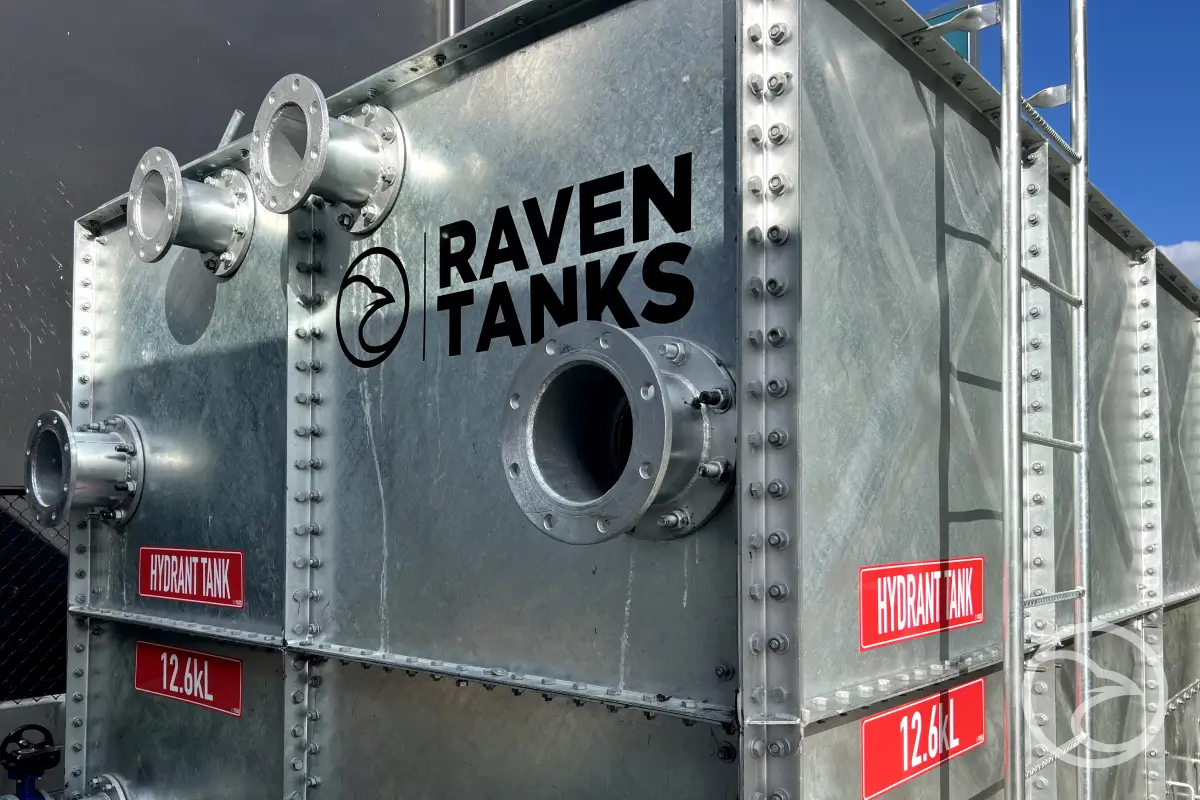
Most commercial GRP tanks are built using modular panels. These panels are assembled on-site to create tanks of different shapes and capacities. The modular design makes transportation easier and allows installations in confined spaces where large one-piece tanks cannot be delivered.
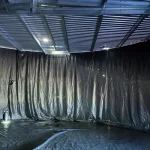
Depending on the application, tanks can include insulated panels, internal support structures, access hatches, ladders, overflow systems, and level monitoring equipment.
Because GRP does not corrode like steel, these tanks require less maintenance over their lifetime. They also provide smooth internal surfaces that help maintain water quality and simplify cleaning.
Today, GRP oanel tanks are widely used in hospitals, schools, apartment buildings, manufacturing facilities, warehouses, agricultural sites, and public infrastructure projects around the world.
How do GRP Panel Tanks Work?
GRP panel tanks are designed to store water safely while maintaining structural stability under constant pressure. Although designs vary, most tanks use the same basic construction principles.
The walls are formed from individual GRP panels that are bolted together using sealed joints. High-quality gaskets create a watertight connection between each panel.
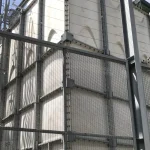
As tank size increases, internal bracing is added to support the walls and distribute water pressure evenly. This prevents excessive movement and helps maintain the tank’s shape during operation.
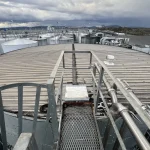
Most tanks include a roof to prevent contamination from dust, debris, insects, and sunlight. The base may be supported by a concrete foundation or a steel framework, depending on the installation.
Additional components can include:
- inlet and outlet connections
- overflow pipes
- drain valves
- inspection hatches
- access ladders
- level indicators
- ventilation systems
Because the tanks are assembled from standard panels, manufacturers can produce a wide variety of capacities without changing the overall design. This flexibility makes GRP panel tanks suitable for both small commercial installations and large municipal water storage systems.
Common Applications of GRP Water Tanks
GRP tanks are used across a wide range of industries because they combine durability, flexibility, and low maintenance requirements. Their modular construction allows them to be installed in both small buildings and large infrastructure projects.
Below are some of the most common applications.
Potable Water Storage
One of the primary uses of GRP tanks is storing drinking water. The smooth internal surfaces help maintain water quality and reduce the risk of contamination.
Many GRP tanks are manufactured using materials that comply with drinking water standards. They are commonly installed in residential developments, hospitals, schools, hotels, and office buildings.
Fire Water Storage
GRP water tanks are widely used as dedicated fire water storage tanks. They provide a reliable water supply for sprinkler systems, hydrants, and other fire protection equipment.
Their corrosion resistance and long service life make them well suited for emergency water storage. Insulated models are also available for locations where freezing temperatures are a concern.
If your primary application is fire protection, learn more about fire water tanks and the key design considerations for reliable emergency water storage.
Commercial Buildings
Commercial properties often require a dependable water supply for daily operations. GRP tanks help maintain consistent water availability during periods of high demand or temporary supply interruptions.
They are commonly installed in:
- shopping centres
- hotels
- apartment complexes
- office buildings
- healthcare facilities
Industrial Facilities
Manufacturing plants use GRP tanks for a variety of industrial processes. Depending on the application, the tanks may store process water, cooling water, or treated water.
Their resistance to corrosion allows them to perform well in many industrial environments where traditional steel tanks may require more frequent maintenance.
Modern industrial panel tanks provide a practical solution for manufacturing facilities, warehouses, utilities, and other demanding environments.
Agricultural Water Storage
Reliable water storage is essential for many agricultural operations. GRP tanks are used to store water for irrigation, livestock, crop spraying, and general farm use.
Their modular design allows large-capacity installations without the transportation challenges associated with oversized one-piece tanks.
Rainwater Harvesting
Rainwater harvesting systems often use GRP panel tanks because they provide long-term durability with relatively low maintenance.
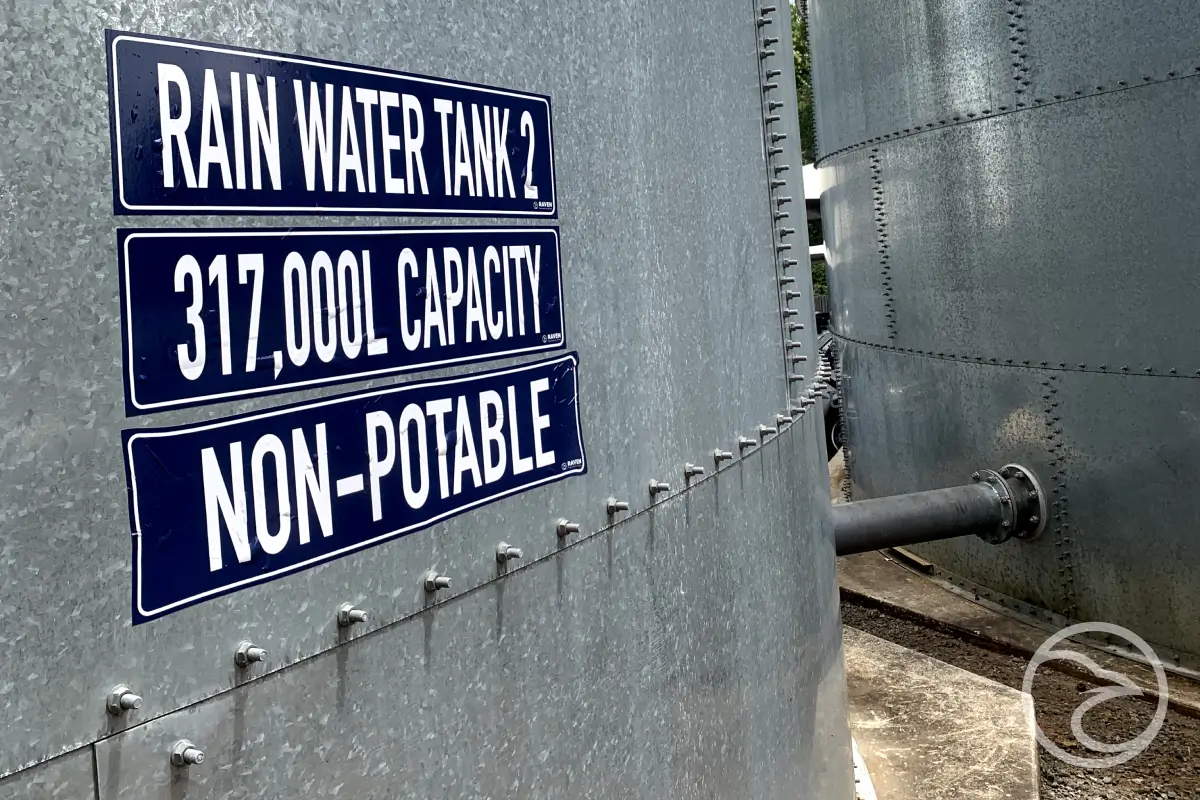
Collected rainwater can be used for landscape irrigation, industrial processes, toilet flushing, and other non-potable applications. Large storage capacity also helps maximise the use of seasonal rainfall.
Municipal Infrastructure
Local authorities and public utilities use GRP water tanks in water distribution and storage systems. Their long service life and low maintenance requirements help reduce operating costs over time.
Applications include:
- municipal water storage
- pressure management systems
- emergency water reserves
- infrastructure upgrades
- remote community water supplies
Advantages of GRP Tanks
GRP water tanks have become one of the most popular water storage solutions because they offer a combination of durability, reliability, and flexibility. While no storage system is perfect, GRP provides several important advantages over many traditional materials.
Excellent Corrosion Resistance
Unlike steel, GRP does not rust when exposed to water. This makes it an excellent choice for long-term water storage in both indoor and outdoor environments.
The material also performs well in many humid and corrosive conditions, reducing the need for protective coatings or frequent repairs.
Long Service Life
A well-designed and properly maintained GRP water tank can remain in service for several decades.
Its resistance to corrosion and environmental degradation helps minimise long-term deterioration. Regular inspections and routine maintenance can further extend the tank’s lifespan.
Lightweight Construction
GRP is significantly lighter than concrete and many steel alternatives.
The lower weight simplifies transportation, handling, and installation. It may also reduce structural loading requirements for the supporting foundation.
Modular Design
Most GRP panel tanks are assembled from individual panels. This allows manufacturers to build tanks in a wide range of sizes without changing the overall design.
The modular approach also makes installation possible in confined spaces where large one-piece tanks cannot be delivered. If storage requirements increase in the future, many modular systems can be expanded by adding additional panels.
Hygienic Water Storage
GRP tanks provide smooth internal surfaces that help reduce dirt accumulation and make cleaning easier.
Many tanks are manufactured using materials approved for potable water storage, making them suitable for applications where water quality is essential.
Low Maintenance Requirements
Because GRP does not corrode, routine maintenance is generally simpler than with many metal tanks. Most maintenance focuses on inspections, cleaning, and checking joints, seals, and fittings rather than repairing corrosion damage.
Suitable for Large Storage Capacities
GRP tanks are available in a wide range of sizes, from relatively small commercial systems to large municipal storage installations. Their modular construction allows very large tanks to be assembled on-site while maintaining structural strength and design flexibility.

Are there any Disadvantages of GRP Tanks?
Although GRP tanks offer many advantages, they are not the right solution for every application. Understanding their limitations helps owners choose the most suitable storage system for their needs.
Higher Initial Cost
A GRP water tank may cost more upfront than a standard polyethylene tank of similar capacity. However, the longer service life and lower maintenance requirements often reduce the total cost of ownership over time.
Professional Installation is Required
Most sectional GRP tanks are assembled on-site. Correct installation is essential to ensure structural stability and watertight performance.
Poor installation can lead to leaks, panel movement, or uneven loading. For this reason, installation should always follow the manufacturer’s specifications.
Susceptible to Heavy Impact
GRP is strong but not indestructible. Heavy impacts from machinery, construction equipment, or falling objects can crack panels or damage fittings. Tanks installed in busy industrial areas should be protected from accidental collisions.
Regular Inspections are Still Necessary
GRP tanks require less maintenance than many alternatives, but they should not be considered maintenance-free. Routine inspections help identify worn gaskets, loose fittings, minor cracks, or structural movement before these issues become more serious.
Surface Ageing Over Time
Long-term exposure to sunlight, changing temperatures, and harsh weather gradually affects the outer surface of the tank. Most modern GRP tanks include UV-resistant finishes, but periodic inspections remain important throughout the tank’s service life.
GRP Water Tanks vs Other Water Storage Tanks
Several materials are used for water storage, and each offers different advantages. The best choice depends on the application, operating environment, budget, and maintenance expectations.
| Tank Material | Main Advantages | Main Limitations |
|---|---|---|
| GRP | Corrosion resistant, lightweight, modular, long lifespan, hygienic | Higher initial cost, requires professional installation |
| Steel | Very strong, suitable for large capacities | Can corrode without protective coatings, higher maintenance |
| Concrete | Extremely durable, suitable for very large installations | Heavy, difficult to transport, longer construction time |
| Polyethylene (Plastic) | Low purchase cost, lightweight, easy installation | Limited capacity, shorter lifespan, less suitable for large commercial systems |
GRP tanks offer one of the best balances between durability, maintenance, and long-term performance. While plastic tanks may be suitable for smaller installations, and concrete tanks for very large infrastructure projects, GRP provides the flexibility needed for many commercial and industrial applications.
How Long do GRP Tanks Last?
A high-quality GRP tank typically lasts between 25 and 50 years. Many installations continue performing well beyond this range when properly maintained. Service life depends on several factors rather than age alone.
The quality of manufacturing has a significant impact on long-term durability. Tanks produced using high-grade materials and installed correctly generally experience fewer structural problems.
Operating conditions also play an important role. Tanks exposed to harsh weather, aggressive chemicals, or heavy operating cycles may age more quickly than those used in controlled environments.
Regular maintenance is equally important. Routine inspections, cleaning, and timely repairs prevent small defects from developing into larger structural issues. Proper water quality management also helps extend the tank’s lifespan by reducing sediment build-up and biological contamination.
Rather than replacing a tank based solely on its age, owners should assess its overall condition through regular inspections and professional evaluations.
Do GRP Water Tanks Require Maintenance?
Yes. Although GRP water tanks are known for their low maintenance requirements, regular servicing is still essential to ensure reliable long-term performance.
Most maintenance activities are simple and focus on preventing small issues from becoming expensive repairs.
Regular Inspections
Routine inspections should include both the inside and outside of the tank. Inspectors should check for leaks, cracks, loose fittings, damaged seals, and signs of structural movement.
Cleaning
Over time, sediment and organic material can accumulate inside the tank. Regular cleaning helps maintain water quality and allows internal surfaces to be inspected more effectively.
Cleaning frequency depends on the tank’s application and local maintenance requirements.
Checking Joints and Fittings
Panel joints, bolts, and gaskets should be inspected periodically. Replacing worn sealing components before they fail is usually much less expensive than repairing water damage caused by leaks.
Monitoring Water Quality
Water quality should be monitored regularly, particularly in potable water systems. Unexpected changes in colour, odour, or clarity may indicate contamination or developing maintenance issues.
Professional Condition Assessments
Periodic inspections by experienced specialists provide a more detailed evaluation of the tank’s condition. These assessments help identify structural issues that may not be visible during routine maintenance and support long-term maintenance planning.
Common GRP Tank Problems
GRP tanks are highly reliable, but like any engineered structure, they can develop problems over time. Most issues are caused by installation errors, ageing, accidental damage, or inadequate maintenance rather than defects in the material itself.
The good news is that many of these problems can be identified early and repaired before they affect the tank’s structural integrity.
Leaks
Leaks are one of the most common issues affecting GRP tanks. They usually occur around panel joints, gaskets, pipe connections, or damaged seals. Small leaks should be repaired promptly to prevent further deterioration and water loss.
Surface Cracks
Cracks may develop because of impact damage, structural movement, or long-term ageing. Not every crack is structural, but any visible damage should be inspected to determine whether repairs are required.
Worn Gaskets and Seals
Rubber gaskets naturally lose flexibility over time. As seals deteriorate, the likelihood of leaks increases. Replacing ageing gaskets is a routine maintenance task that helps preserve the tank’s watertight performance.
Structural Movement
Movement of the supporting foundation or surrounding structure can place additional stress on the tank. If left uncorrected, this may lead to panel distortion, leaking joints, or localised cracking.
Sediment Build-up
Minerals, dirt, and organic matter gradually settle at the bottom of the tank. Excessive sediment can reduce water quality and make inspections more difficult. Routine cleaning helps prevent these problems.
For a more detailed explanation of common defects, warning signs, and repair options, read our guide on why do GRP water tanks fail.
Can GRP Tanks be Repaired?
Yes. Many GRP tank problems can be repaired without replacing the entire structure. The most appropriate solution depends on the type of damage, its location, and the overall condition of the tank.
Common repair methods include:
- sealing leaking joints
- replacing worn gaskets
- repairing cracks
- restoring damaged laminate
- replacing individual panels
- repairing pipe connections
When damage is detected early, repairs are usually faster and more cost-effective than complete replacement. However, replacement may be the better option if the tank has extensive structural deterioration, repeated failures, or has reached the end of its practical service life.
If you would like to learn more about available repair methods, visit our page to GRP water tank repair.
How to Choose the Right GRP Tank
Selecting the right GRP tank involves more than choosing the required capacity. The tank should also match the intended application, installation site, and future operational needs.
Consider the following factors before making a decision.
Required Capacity
Estimate both current and future water demand. Choosing a tank that is too small may limit system performance, while an oversized tank can increase installation costs unnecessarily.
Intended Application
Different applications may require different specifications. For example, tanks used for potable water must comply with drinking water standards, while fire water storage systems may have different design requirements.
Installation Location
Available space, site access, and foundation conditions all influence tank selection. Modular GRP tanks are particularly suitable for confined spaces because they are assembled on-site.
Environmental Conditions
Consider the local climate and operating environment. Outdoor installations may require insulation, UV-resistant finishes, or additional protection against freezing temperatures.
Future Expansion
If water demand is likely to increase, a modular GRP tank can often be expanded by adding additional panels. Planning for future growth may reduce long-term costs and avoid the need for complete replacement.
Conclusion
GRP tanks have become one of the most trusted water storage solutions for commercial, industrial, agricultural, and municipal applications. Their corrosion resistance, modular construction, long service life, and low maintenance requirements make them a practical choice for a wide range of projects.
While no storage system is completely maintenance-free, regular inspections and timely repairs help maximise performance and extend the tank’s lifespan. Most common issues can be identified early, allowing owners to avoid costly failures and unplanned downtime.
Whether you need potable water storage, fire protection, process water, or rainwater harvesting, a properly designed and maintained GRP tank offers a reliable long-term solution that combines durability with operational flexibility.