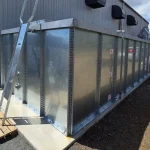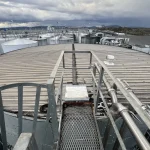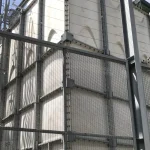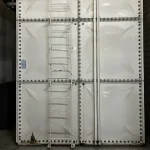
Water storage tanks operate in conditions where moisture is always present. This environment makes corrosion resistance an important consideration when selecting tank materials. Stainless steel offers natural corrosion resistance without relying entirely on applied protective coatings.
However, stainless steel is corrosion resistant, not completely corrosion proof. Water chemistry, contaminants, tank design, and environmental conditions can still affect the material.
Understanding these factors explains why stainless steel performs well in many water storage applications. It also explains why proper material selection and tank design remain important.
Why is Corrosion Important in Water Storage Tanks?
Corrosion is the gradual deterioration of metal through chemical or electrochemical reactions with its environment. Water, oxygen, salts, and other substances can contribute to these reactions.
Storage tanks can face corrosion from both internal and external environments. Internally, tank surfaces remain exposed to stored water for extended periods.
Externally, moisture, humidity, chemicals, and weather conditions may affect exposed surfaces.
Corrosion can eventually influence:
- Metal thickness
- Surface condition
- Tank components
- Joints and connections
- Structural performance
- Water storage conditions
- Maintenance requirements
Different metals respond differently to these conditions. Stainless steel has properties that help limit many common forms of corrosion.
These properties make it useful for corrosion resistant tanks designed for long-term water storage.
What Makes Stainless Steel Corrosion Resistant?
The corrosion resistance of stainless steel comes primarily from its chromium content. Stainless steel contains enough chromium to form a thin protective layer on its surface. This layer is commonly called the passive layer.
It forms naturally when chromium reacts with oxygen. The passive layer separates the underlying metal from much of the surrounding environment. This process helps slow the reactions that normally cause corrosion.
The layer is extremely thin and cannot usually be seen. However, it plays a major role in stainless steel performance. This natural protection distinguishes stainless steel from ordinary carbon steel.
Carbon steel does not form the same stable protective layer. Without suitable protection, carbon steel can develop rust when exposed to water and oxygen.
How Does the Passive Layer Protect Stainless Steel?
The passive layer acts as a barrier between the steel and its surroundings. It reduces direct interaction between the underlying metal and corrosive substances. One important feature is its ability to reform under suitable conditions.
Minor surface disruption does not always result in continuing corrosion. Available oxygen can help rebuild the protective oxide layer. This process is often described as self-passivation.
However, successful repassivation depends on the surrounding conditions. Aggressive chemicals or contaminants can interfere with the protective mechanism.
Poorly oxygenated crevices may also behave differently from open surfaces. Therefore, the passive layer is highly effective but not indestructible.
Its performance depends on both material composition and environmental conditions.
Can Stainless Steel Water Tanks Still Corrode?
Yes. The term “stainless” does not mean the material can never experience corrosion. Stainless steel provides strong corrosion resistance under suitable conditions.
However, aggressive environments can challenge its protective passive layer. Problems can develop when conditions become unsuitable for the selected stainless steel grade.
Potential influences include:
- High chloride concentrations
- Aggressive water chemistry
- Surface contamination
- Crevices
- Deposits
- Dissimilar metal contact
- Poor fabrication practices
- Harsh external environments
These factors do not automatically cause corrosion. Their effect depends on concentration, exposure time, temperature, and stainless steel grade.
Tank design can also influence how these conditions affect the material.
How can Chlorides Affect Stainless Steel Tanks?
Chlorides are important when considering stainless steel corrosion. They occur naturally in many water sources and environments. Saltwater and coastal environments can contain particularly high chloride levels.
Chlorides can challenge the passive layer under certain conditions. Localized corrosion may develop when the protective layer becomes unstable in a small area.
This type of attack can be more difficult to notice than widespread surface corrosion. Chloride exposure depends on several factors.
These include:
- Chloride concentration
- Water temperature
- Stainless steel grade
- Exposure duration
- Surface condition
- Tank design
- Presence of deposits
Higher temperatures can make some chloride environments more aggressive. For this reason, stainless steel selection should reflect actual storage conditions.
A material suitable for one water source may face different conditions elsewhere.
What is Pitting Corrosion?
Pitting is a localized form of corrosion. It produces small areas of concentrated attack rather than uniform deterioration across the surface. A pit may begin where the passive layer becomes locally compromised.
Chlorides can contribute to this process under certain conditions. The surrounding surface may continue to appear relatively unaffected.
This makes pitting different from widespread rusting commonly associated with carbon steel.
Several conditions can influence pitting risk:
- Water chemistry
- Chloride concentration
- Temperature
- Stainless steel composition
- Surface contamination
- Deposits
The selected stainless steel grade can significantly influence resistance to pitting. For this reason, material selection should consider the intended water and operating environment.
What is Crevice Corrosion?
Crevice corrosion develops within narrow gaps or shielded areas. These spaces can create different chemical conditions from surrounding exposed surfaces. Oxygen movement may become restricted inside a tight crevice.
This can make passive layer maintenance more difficult.
Potential crevice locations include:
- Bolted connections
- Gasket interfaces
- Overlapping surfaces
- Deposits
- Tight joints
- Certain fittings
This does not mean these components will automatically corrode. Correct design helps reduce unnecessary conditions where moisture can remain trapped.
Material selection also influences resistance to crevice corrosion. These considerations are particularly relevant for stainless steel panel tanks with multiple connections.
Why are Joints Important in Stainless Steel Panel Tanks?
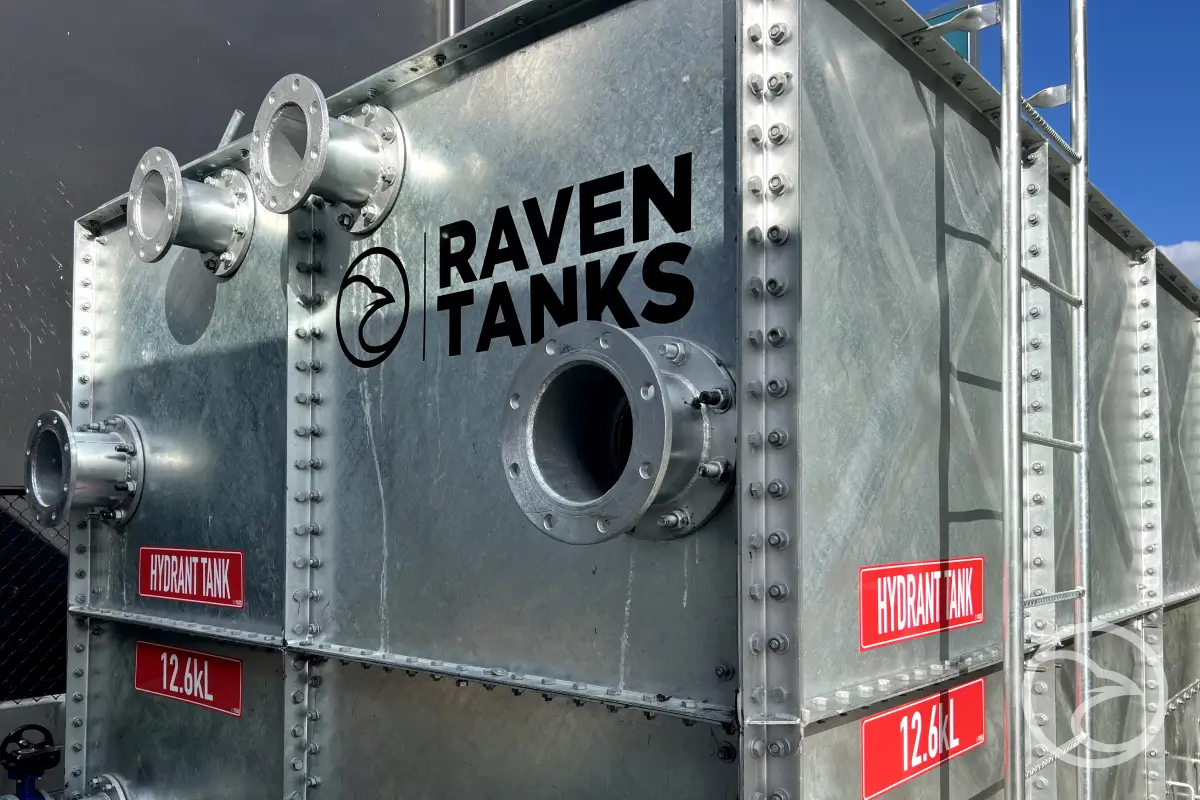
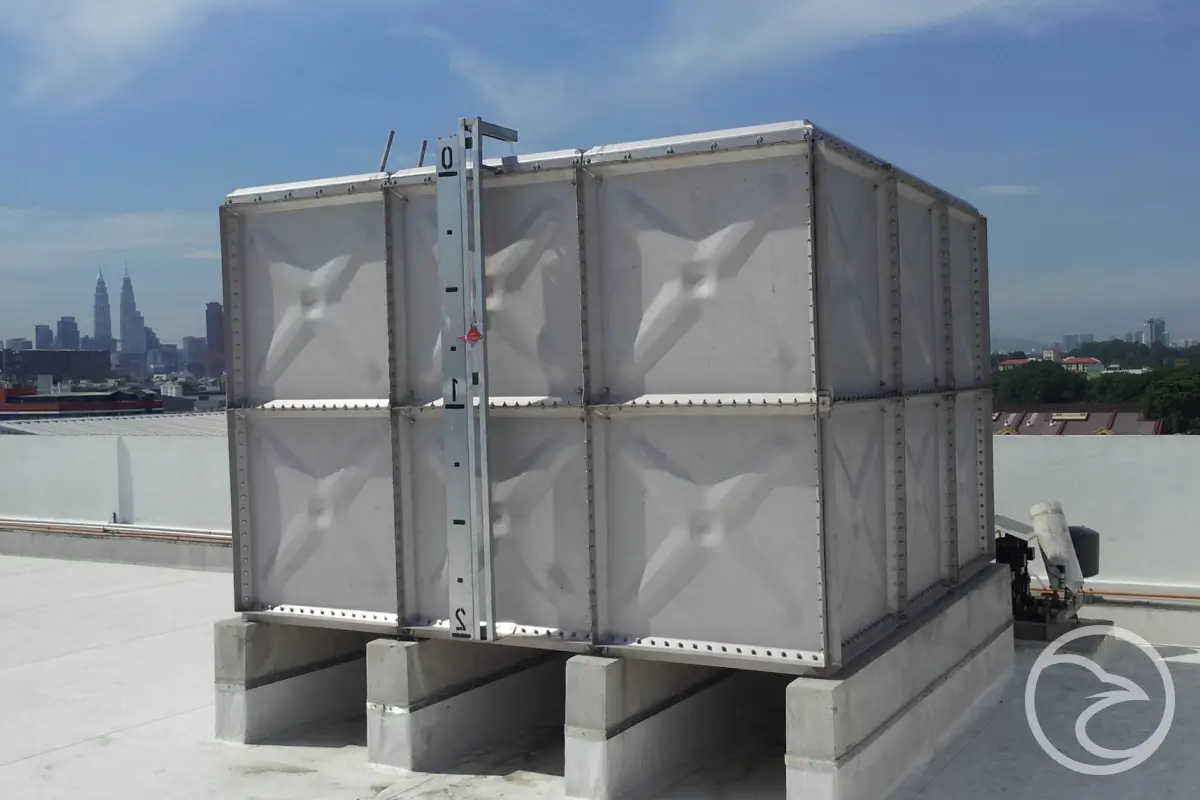
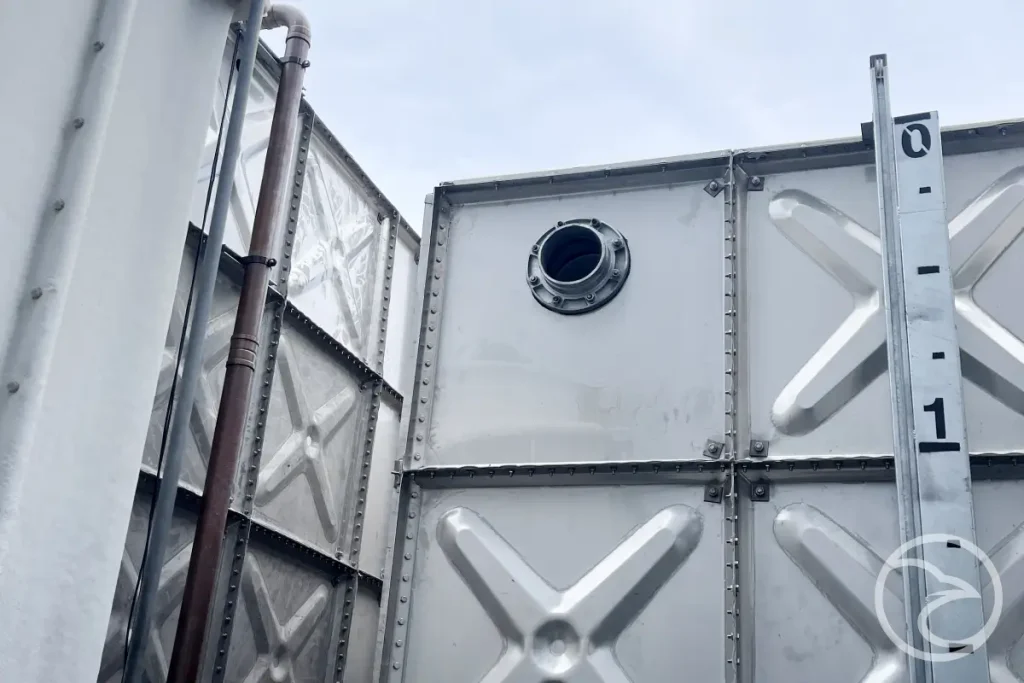
A stainless steel panel tank consists of individual sections connected into a larger structure. This modular design allows tanks to meet different storage capacity requirements.
However, connections create more complex interfaces than uninterrupted metal surfaces. Bolts, seals, joints, and panel edges must work together effectively.
These locations may experience:
- Mechanical loading
- Water contact
- Different surface conditions
- Tight gaps
- Contact between components
Suitable design helps manage these conditions. Compatible materials are also important around connections. Poor material combinations can create unnecessary corrosion risks.
For this reason, corrosion resistance depends on more than the stainless steel panels themselves. The entire tank system should suit its intended environment.
Can Different Metals Cause Corrosion Problems?
Different metals can interact when they remain electrically connected in the presence of an electrolyte. Water can act as that electrolyte. This process can create galvanic corrosion under certain conditions.
One metal may become more vulnerable while the other remains relatively protected. The effect depends on several variables.
These include:
- Types of metals
- Relative surface areas
- Water chemistry
- Electrical contact
- Environmental conditions
This issue is relevant around bolts, fittings, pipes, and other connected components. Compatible material selection helps reduce unnecessary galvanic interactions.
Suitable isolation methods may also be used where appropriate. A stainless steel tank should therefore be considered as a complete system.
Does Water Quality Affect Stainless Steel Corrosion?
Yes. Water chemistry can influence corrosion behaviour. Not all stored water has the same chemical composition. Water sources can contain different concentrations of dissolved minerals, salts, and treatment chemicals.
Several water characteristics may influence stainless steel performance.
These include:
- Chloride concentration
- pH
- Temperature
- Dissolved substances
- Chemical treatment
- Deposits
- Contaminants
Changes in water conditions can also matter. A tank may receive water from different sources during its service life.
Those sources may have different chemical properties. This is one reason material selection should consider the actual application. Generic assumptions about water quality may not reflect real operating conditions.
Do Deposits Increase Corrosion Risk?
Deposits can change conditions at the stainless steel surface. Sediment may accumulate when suspended particles settle inside a tank. These deposits can restrict normal interaction between the surface and surrounding water.
Conditions beneath deposits may differ from exposed areas. Local oxygen availability can change. Chemical concentrations can also become different beneath accumulated material. These changes may increase localized corrosion risk in certain environments.
The effect depends on the deposit type and surrounding water chemistry. Sediment does not automatically mean corrosion is occurring. However, persistent deposits can create less favorable surface conditions.
Tank cleanliness therefore forms part of the wider corrosion picture.
Can Surface Contamination affect Stainless Steel?
Stainless steel performs best when its surface remains free from harmful contamination. Foreign iron particles can create problems when transferred onto stainless steel surfaces. These particles may originate from carbon steel tools or nearby fabrication activities.
The contaminating material can rust even when the stainless steel beneath remains sound. This can create visible staining. More importantly, contamination can interfere with ideal surface conditions.
Possible contamination sources include:
- Carbon steel tools
- Grinding debris
- Metal dust
- Fabrication equipment
- Contaminated work surfaces
- Improper handling
Good fabrication and handling practices help protect stainless steel surfaces. Dedicated tools can also reduce cross-contamination during manufacturing or maintenance.
Does Stainless Steel Grade Affect Corrosion Resistance?
Yes. Different stainless steel grades provide different levels of corrosion resistance. Their chemical compositions are not identical. Chromium is essential for stainless steel’s passive behaviour.
Other alloying elements can provide additional benefits. Nickel can influence corrosion resistance and material properties.
Molybdenum can improve resistance in certain chloride environments. Therefore, selecting stainless steel involves more than choosing a generic material category.
The appropriate grade depends on:
- Water chemistry
- Chloride exposure
- Temperature
- Tank location
- Intended application
- Environmental conditions
A suitable grade for one application may not be ideal for another. This is particularly important where aggressive water or environmental exposure is expected.
How Does the External Environment Affect Stainless Steel Tanks?
Corrosion considerations are not limited to the inside of a water tank. External surfaces also interact with their surroundings. An indoor tank may experience relatively stable conditions.
An outdoor tank can face rain, humidity, airborne contaminants, and temperature changes. Coastal environments can introduce airborne salts. Industrial environments may contain different chemical contaminants.
Local conditions can therefore influence external corrosion risk.
Important environmental factors include:
- Rainfall
- Humidity
- Salt exposure
- Industrial pollutants
- Temperature
- Surface deposits
- Ventilation
The severity of these conditions varies significantly between locations. Tank material selection should account for expected external exposure.
Why are Coastal Environments More Demanding?
Coastal environments can expose metal surfaces to airborne chlorides. Wind can carry salt particles away from the immediate shoreline. These particles may settle on exposed tank surfaces.
Moisture can then create aggressive localized conditions. The actual risk depends on distance, weather, exposure, and stainless steel grade. Sheltered areas can sometimes retain contaminants longer than washed surfaces.
Rain may remove some deposits from fully exposed surfaces. Protected crevices may not receive the same natural washing. This makes tank geometry important alongside material selection.
Coastal installations may therefore require greater consideration of stainless steel grade and component design.
Can Physical Damage Reduce Corrosion Resistance?
Physical damage does not automatically cause stainless steel corrosion. The passive layer can reform after minor surface disruption under suitable conditions. However, severe damage can create less favorable surface conditions.
Scratches may also collect contaminants or deposits. Damage becomes more concerning when foreign metals become embedded in the surface. Deep irregularities can create locations where contaminants remain trapped.
Fabrication damage may produce similar problems when surfaces are not treated correctly. Therefore, protecting surface condition supports reliable corrosion resistance.
Careful handling is especially important during fabrication, transport, installation, and maintenance.
Why Fabrication Quality Matters
Stainless steel properties alone cannot guarantee good tank performance. Fabrication methods can affect the finished surface. Cutting, welding, grinding, and handling can alter local surface conditions.
Heat-affected areas around welds require appropriate fabrication practices. Contamination during fabrication can also reduce surface quality.
Good fabrication should consider:
- Suitable welding procedures
- Appropriate tools
- Surface cleanliness
- Contamination control
- Correct material handling
- Suitable finishing procedures
These practices help preserve the properties expected from stainless steel. They also reduce avoidable weaknesses before the tank enters service.
Why Stainless Steel Works well for Modular Water Tanks
A modular stainless steel water tank combines corrosion resistance with flexible construction. Individual panels can form tanks with different dimensions and capacities. This approach is useful where site conditions require adaptable tank configurations.
Modular construction can also simplify transportation to some locations. The completed tank still relies on every component working as one system. Panels, bolts, seals, supports, and connections must suit the intended application.
Stainless steel provides several useful characteristics for this construction method.
These include:
- High strength
- Corrosion resistance
- Long-term durability
- Suitable hygienic properties
- Resistance to many environmental conditions
- Adaptability for modular construction
These characteristics explain the widespread use of stainless steel panel water tanks for water storage. Explore our stainless steel tanks for durable, corrosion-resistant water storage solutions designed for demanding commercial and industrial applications.
Does Corrosion Resistance Mean no Maintenance is Required?
No material should be considered completely maintenance-free. Stainless steel reduces many corrosion concerns but still operates within a larger tank system. Tank components can experience different forms of wear.
Seals, connections, fittings, and supporting structures may require attention over time. Deposits can also accumulate inside stored water systems. External surfaces may collect environmental contaminants.
Maintenance requirements depend on tank design, application, location, and operating conditions. Good management focuses on the entire tank rather than one material property.
Corrosion resistance is an advantage, but it does not replace appropriate tank care. Regular tank inspection can identify corrosion, contamination, and surface changes before they affect stainless steel tank performance.
How Long can Stainless Steel Water Tanks Resist Corrosion?
There is no universal service life for every stainless steel water tank. Tank longevity depends on many interacting factors.
These include:
- Stainless steel grade
- Water chemistry
- Environmental exposure
- Fabrication quality
- Tank design
- Installation conditions
- Maintenance practices
- Operating temperature
- Contamination
- Mechanical damage
Suitable conditions can support long-term material performance. Aggressive conditions can increase corrosion risk much earlier. This makes expected service life specific to each installation.
Material age alone cannot provide a complete picture. The actual condition of the tank and its environment matters more.
How can Corrosion Resistance be Supported Over Time?
Long-term corrosion resistance begins before the tank enters service. Correct material selection is one of the most important factors. The selected grade should match expected water and environmental conditions.
Good design can also reduce difficult crevices and unnecessary moisture traps. Careful fabrication helps protect stainless steel surfaces from contamination.
Several general practices support long-term performance:
- Select an appropriate stainless steel grade.
- Consider actual water chemistry.
- Use compatible components and fittings.
- Avoid carbon steel contamination.
- Control unnecessary surface damage.
- Prevent excessive deposit accumulation.
- Consider external environmental exposure.
- Follow suitable maintenance practices.
No single measure controls every corrosion risk. A combination of suitable material, design, fabrication, and operating conditions provides stronger protection.
Are Stainless Steel Tanks Corrosion Proof?
No. Stainless steel tanks should be described as corrosion resistant rather than corrosion proof. This distinction matters. Stainless steel naturally resists many corrosion processes through its passive surface layer.
However, that protection still operates within specific environmental limits. Chlorides, crevices, contamination, and unsuitable material selection can increase corrosion risk. The selected stainless steel grade must therefore suit the intended conditions.
Good tank design further supports the material’s natural protective properties.
Understanding Corrosion Resistance in Stainless Steel Water Tanks
Stainless steel offers valuable corrosion resistance for water storage applications. Its chromium-rich passive layer provides the foundation for this protection. The layer helps separate the underlying metal from its environment.
It can also reform after minor surface disruption under suitable conditions. However, corrosion resistance depends on more than the material name. Water chemistry, chlorides, temperature, contamination, and tank design all influence performance.
Joints and connections require particular consideration in stainless steel panel tanks. External conditions can also affect tanks installed outdoors or near coastal environments. Suitable material selection helps manage these different factors.
Good fabrication and careful handling protect the stainless steel surface before service begins. Together, these characteristics make stainless steel suitable for many long-term water storage applications.