Water ingress is a common concern for storage tanks used in industrial, commercial, agricultural, and municipal applications. Whether tanks are designed to store water, fuels, chemicals, or other liquids, unwanted moisture entry can affect structural integrity, stored product quality, and overall system performance.
Understanding how water intrusion occurs, including the causes of water ingress in storage tanks, helps operators reduce long-term risks and maintain reliable storage conditions.
Structural Weaknesses and Material Degradation
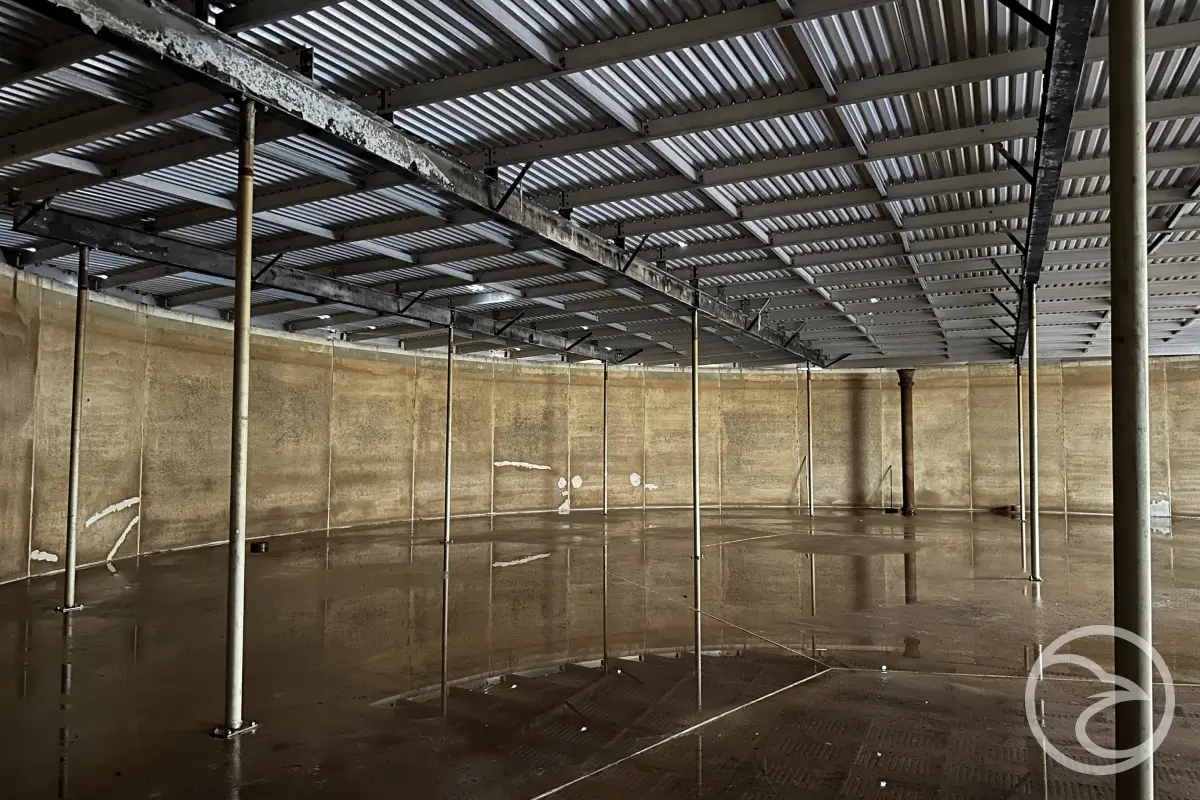
Over time, storage tanks are exposed to environmental stress, operational loads, and material aging. Small cracks, joint fatigue, or surface wear can create pathways for moisture entry. Concrete tanks may develop microfractures, while steel tanks can experience coating degradation or corrosion-related thinning.
Even minor structural imperfections can allow gradual water penetration, especially in humid environments or areas exposed to frequent rainfall. Monitoring structural condition is therefore an important part of long-term storage reliability.
Seal and Joint Failures
Tank joints, seams, access hatches, and pipe connections are common points where water ingress begins. Sealing materials naturally deteriorate over time due to temperature fluctuations, chemical exposure, and mechanical movement. Once seals weaken, external moisture can enter the system.
These vulnerabilities are particularly relevant in tanks exposed to outdoor conditions, where environmental factors accelerate wear on sealing components.
Many facilities consider broader liquid storage protection approaches when assessing how sealing performance affects long-term infrastructure reliability.
Environmental Exposure and Weather Conditions
External environmental conditions strongly influence water ingress risk. Heavy rainfall, flooding, high humidity, or fluctuating temperatures can stress tank structures and protective surfaces. Outdoor tanks may also experience UV exposure, wind-driven rain, or airborne contaminants.
Temperature changes can cause expansion and contraction of tank materials, potentially creating small gaps or stressing protective layers. Over time, these factors contribute to gradual moisture intrusion.
Condensation Inside Tanks
Water ingress is not always caused by external leaks. Internal condensation can form when temperature differences occur between stored liquids, tank walls, and surrounding air. This is common in tanks exposed to daily temperature cycles or seasonal climate variations.
Condensation buildup may lead to corrosion, contamination, or operational issues if not managed properly. Ventilation design, insulation, and operational practices can influence condensation risk.
Installation and Design Factors
Improper installation or design limitations can increase the likelihood of water ingress. Uneven foundations, poor drainage around tanks, or insufficient protective barriers may expose structures to excess moisture.
Design considerations such as tank location, environmental exposure, and expected operational loads should be evaluated carefully to reduce long-term vulnerability.
Aging Infrastructure and Maintenance Gaps
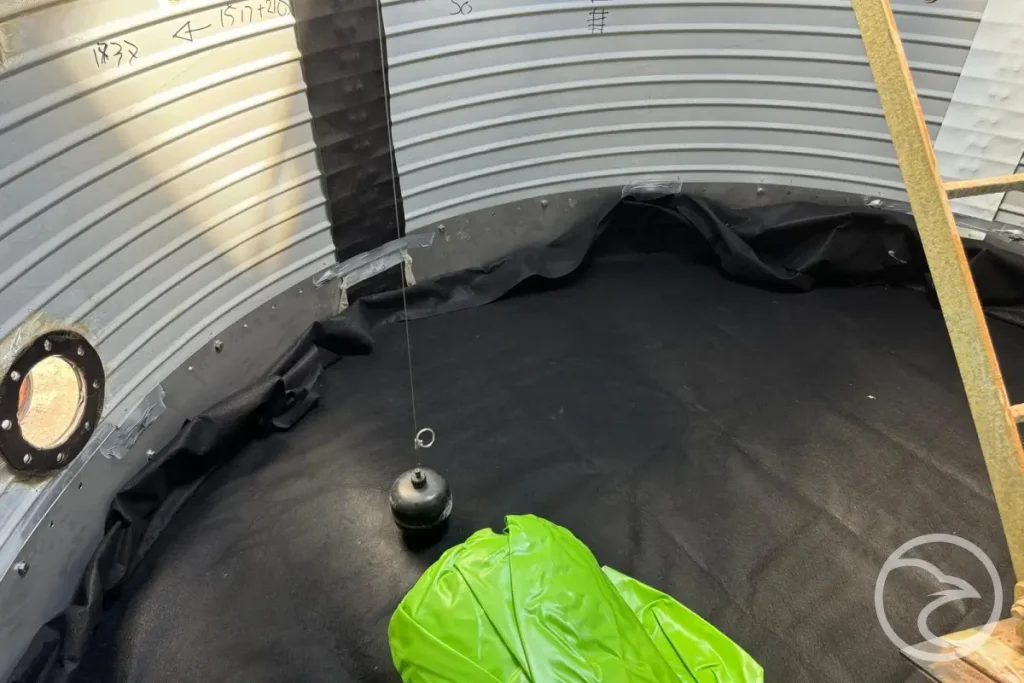
Older storage systems may not meet current engineering standards or environmental conditions. Protective coatings, seals, and structural components naturally degrade over time. Without periodic maintenance, small issues may gradually escalate into larger problems.
Preventive maintenance programs often focus on early identification of wear patterns, structural changes, or environmental impacts affecting storage reliability.
Long-Term Infrastructure Awareness
Understanding the causes of water ingress helps facility operators take a proactive approach to infrastructure management. Rather than reacting to leaks or contamination after they occur, awareness of common risk factors supports better planning, maintenance scheduling, and operational decision-making.
As highlighted when reviewing the causes of water ingress in storage tanks, recognizing how structural conditions, environmental exposure, and operational practices influence water intrusion helps organizations maintain safer, more reliable storage systems over time.