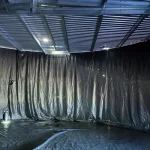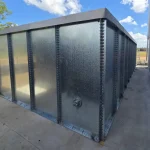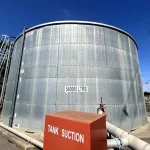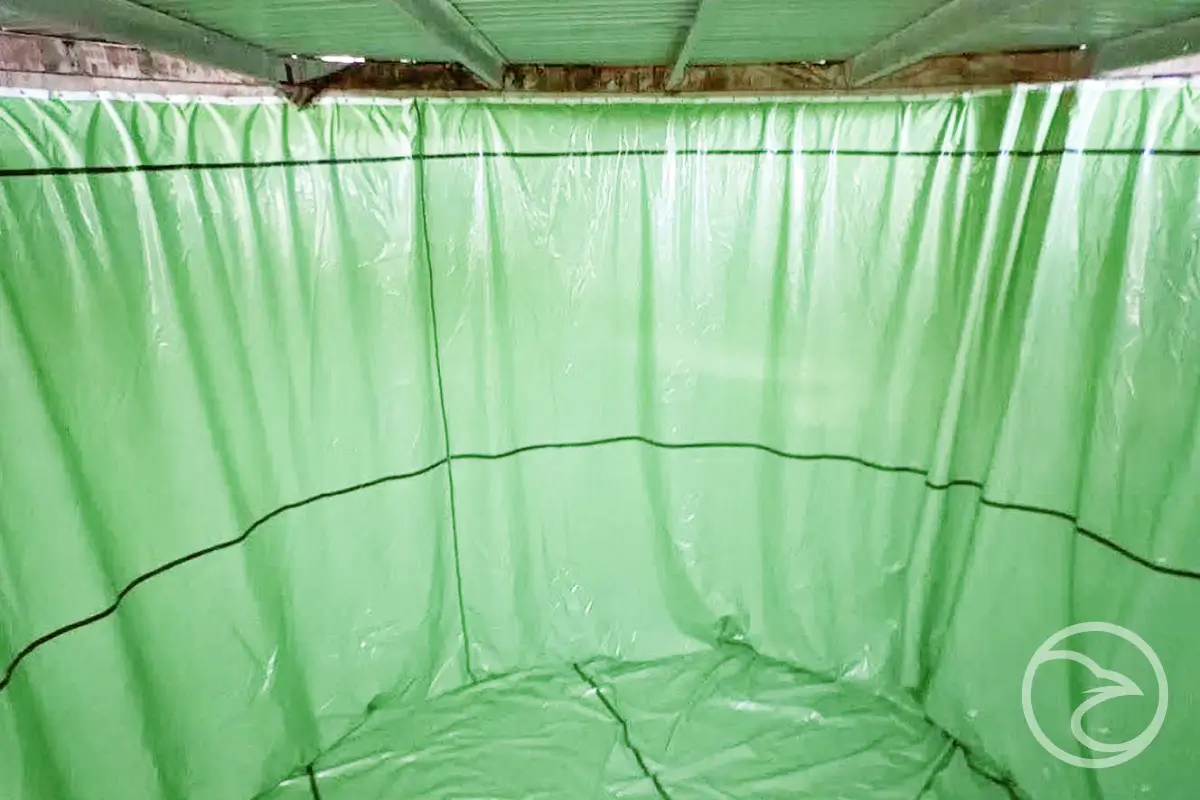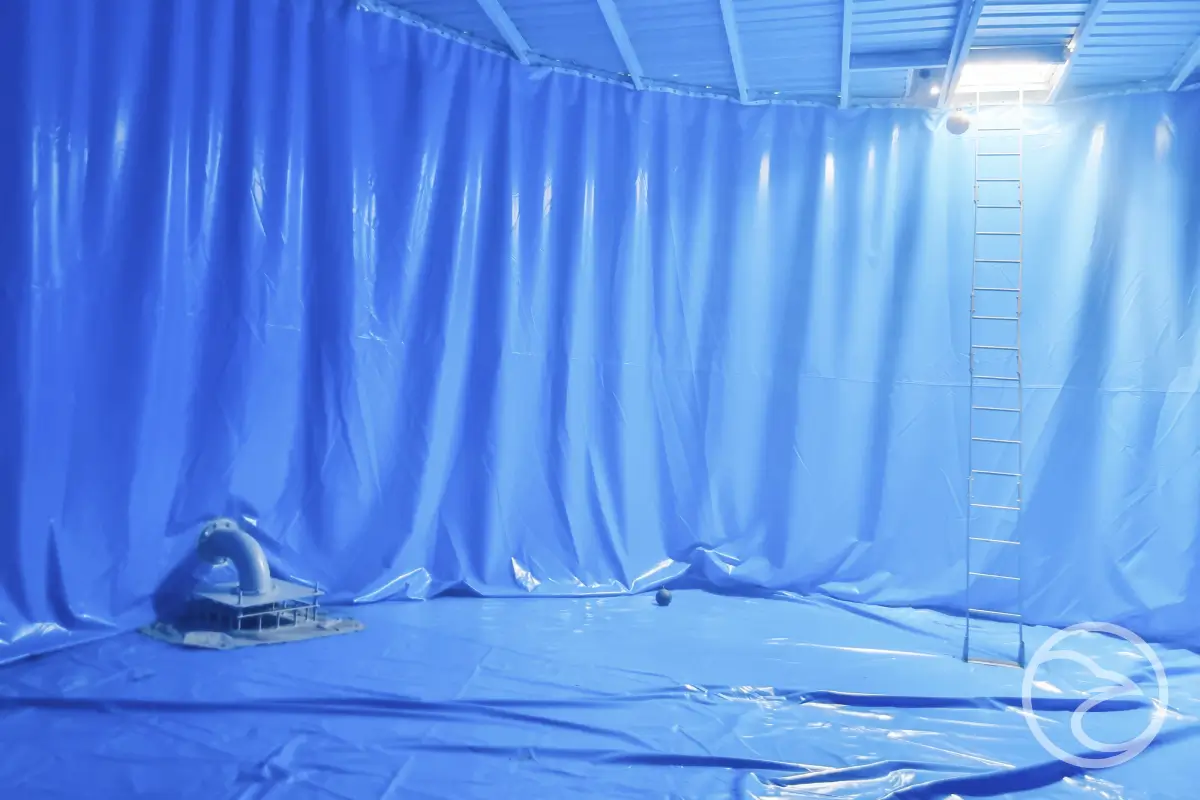
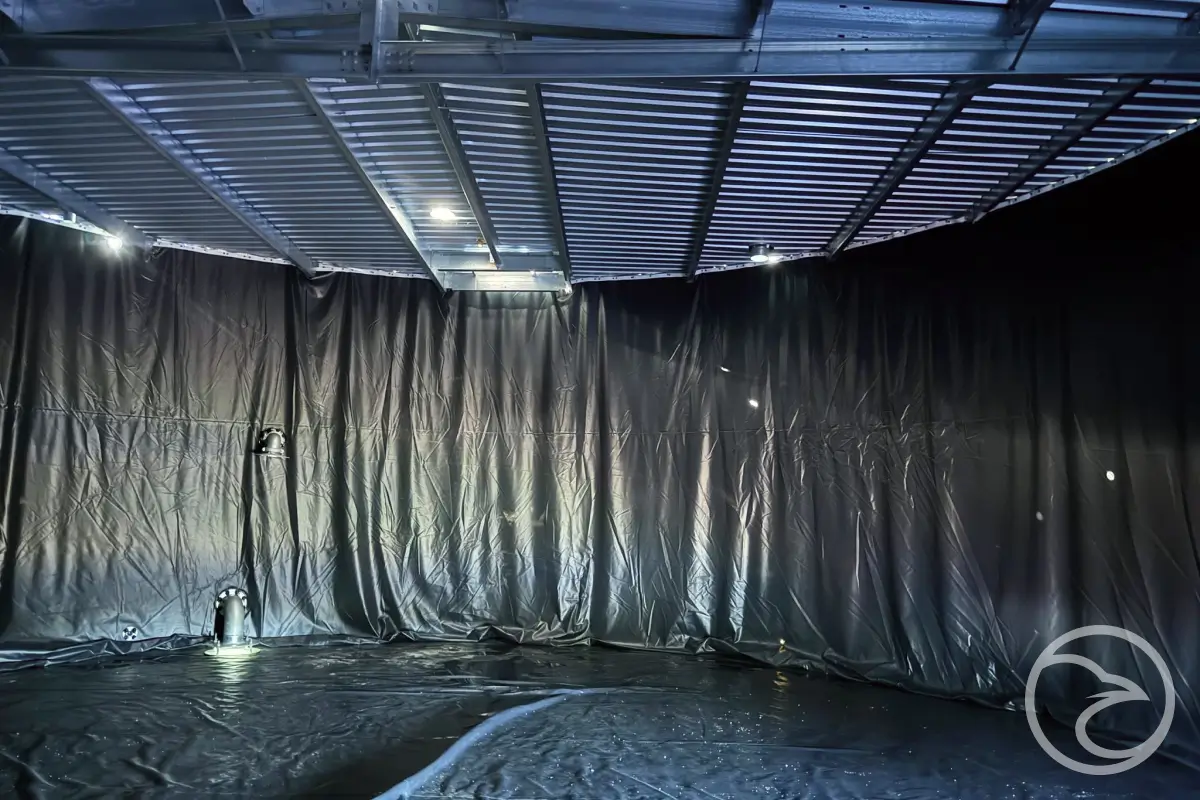
PVC tank liners provide a flexible barrier between stored liquids and the internal surface of a tank. They are widely used in water storage, industrial tanks, reservoirs and other liquid containment applications.
A suitable liner can help prevent leakage and isolate stored liquids from the underlying tank structure. PVC liners can also provide an alternative to replacing an entire tank when the existing structure remains suitable.
However, not every PVC liner is suitable for every application. Tank size, stored liquid, temperature, fittings and operating conditions can all influence liner selection.
This guide explains how PVC tank liners work, where they are used and what to consider when choosing one.
What is a PVC Tank Liner?
A PVC tank liner is a flexible membrane installed inside a tank to create a liquid containment barrier. PVC stands for polyvinyl chloride, a widely used thermoplastic material.
Tank liners are fabricated to fit the dimensions and configuration of the storage tank. Once installed, the liner separates the stored liquid from the tank’s internal structural surface.
PVC tank liners can be used in new tanks or selected existing tanks requiring relining. Applications range from relatively simple water storage to specialised industrial liquid containment.
The required liner specification depends on the application. This is why PVC tank lining should be selected around actual service conditions.
Explore our PVC tank liners for custom-made solutions designed around your tank and storage requirements.
How does a PVC Tank Liner Work?
A tank provides structural support for the stored liquid. The liner provides the internal containment barrier. When liquid enters the tank, it contacts the liner rather than the underlying tank surface.
This separation can help protect the tank substrate from direct liquid exposure. It can also help contain water when the original internal surface is unsuitable for direct storage.
The basic arrangement is simple:
Tank structure → PVC liner → stored liquid
However, effective performance depends on more than the liner material. The liner must fit the tank correctly. Connections, outlets and other penetrations also need suitable detailing.
The condition of the supporting tank surface is important as well. Sharp objects or significant structural defects can damage a flexible liner.
PVC Tank Liners vs Plastic Tank Liners
The terms PVC tank liners and plastic tank liners are sometimes used interchangeably. However, plastic tank liner is a broader category. PVC is one specific material used to manufacture flexible tank liners. Other polymer materials may be selected for different storage conditions.
This distinction matters because material properties vary. A liner suitable for water storage may not suit a particular industrial liquid. Temperature limits and chemical compatibility can also differ between materials.
Therefore, the liner material should always match its intended application. PVC should not automatically be selected simply because a plastic liner is required.
What are PVC Tank Liners Used For?
PVC tank liners can support many liquid storage applications. Their flexibility allows them to be fabricated for tanks of different shapes and capacities.
Common applications can include:
- Water storage tanks
- Industrial water tanks
- Fire water tanks
- Reservoirs
- Process water tanks
- Agricultural water storage
- Commercial storage tanks
- Selected industrial liquid tanks
The application influences the required liner specification. For example, a liner for general water storage can have different requirements from an industrial tank liner.
Stored liquid is therefore one of the first considerations during liner selection.
Types of PVC Tank Liners
PVC tank liners can be classified according to their design, installation method and intended application. Understanding these differences makes liner selection easier.
Drop-In PVC Tank Liners
PVC drop-in tank liners are flexible liners manufactured to fit inside an existing tank. The fabricated liner is positioned within the tank and secured according to its design. This approach can provide a new containment barrier without creating a bonded coating across the complete tank surface.
Drop-in liners can be useful for both new and existing tanks. Their suitability depends on tank configuration, substrate condition and stored liquid.
Accurate measurements are particularly important. The liner needs to accommodate the tank geometry and relevant fittings.
Custom PVC Tank Liners
Many storage tanks have dimensions or configurations that make standard liner sizes impractical. Custom PVC liners can be fabricated around the individual tank.
Customisation may account for:
- Tank diameter or dimensions
- Tank height
- Floor configuration
- Internal geometry
- Inlets and outlets
- Pipe penetrations
- Access points
- Other internal fittings
A custom industrial PVC tank liner can therefore accommodate features that a generic liner may not address effectively. Custom fabrication is especially useful for large or unusually shaped tanks.
Choose custom tank liners designed to fit unique tank shapes, sizes, fittings and operating conditions.
Internal PVC Tank Liners
PVC internal tank liners create a continuous containment layer inside the tank. They can be used to separate the stored liquid from metal, concrete or other suitable substrates.
The exact installation method depends on the liner system and tank design. Internal liners may also be considered when an existing tank requires rehabilitation.
However, installing a liner does not repair major structural defects. The tank itself must remain suitable for continued service.
Industrial PVC Tank Liners
Industrial PVC tank liners are used where storage conditions require a purpose-selected containment solution. Applications may include process water, industrial water and compatible liquids.
Industrial use requires careful consideration of operating conditions. Chemical compatibility is particularly important.
PVC should not be assumed compatible with every industrial liquid. Temperature, concentration and exposure conditions may also influence suitability.
What are the Benefits of PVC Tank Liners?
PVC tank liners can provide several practical benefits when properly specified. One important benefit is separation. The liner creates a barrier between the stored liquid and the tank substrate.
This can reduce direct exposure of the underlying tank surface. PVC is also flexible. This allows liners to accommodate many tank shapes and makes custom fabrication possible.
Another potential benefit is tank rehabilitation. An existing tank with a suitable structure may sometimes be relined instead of completely replaced.
This can extend the useful service of the tank in appropriate circumstances.
Other potential benefits include:
- Reliable liquid containment
- Flexible fabrication
- Custom sizing
- Compatibility with various tank shapes
- Separation between liquid and substrate
- Replacement of an existing damaged liner
- Use in new and existing suitable tanks
- Application across different water storage systems
These benefits still depend on correct material selection and installation. A liner should always be specified for the intended storage environment.
PVC Tank Liners for Water Storage
Water storage is a common application for PVC tank liners. A liner can provide the internal containment surface for tanks used to hold water. Potential applications include commercial, industrial and agricultural water storage.
PVC liners for water tanks must be selected according to the intended use of the water. Potable water requires particular consideration. Materials used in contact with drinking water may need to meet relevant regulatory or certification requirements.
Non-potable water applications can have different requirements. The water itself should also be considered. Temperature and water chemistry can influence material selection.
Tank design is another factor. Outlets, overflows, drains and other fittings need to integrate correctly with the liner.
Industrial PVC Tank Liners
Industrial tanks can operate under more demanding conditions than general water storage tanks. For this reason, industrial PVC tank liners require careful specification. The first consideration is the stored liquid.
Material compatibility should be established before selecting PVC. Operating temperature is also important.
A liner should remain within the conditions supported by its material specification.
Other considerations include:
- Tank dimensions
- Liquid properties
- Operating temperature
- Chemical concentration
- Tank substrate
- Internal fittings
- Required liner thickness
- Maintenance conditions
- Expected service environment
Industrial tank liner selection should be application-specific. A material performing well in one tank may be unsuitable for another.
PVC Liners for Fire Water Tanks
Fire water tanks provide dedicated water storage for fire protection systems. PVC liners can be used in suitable fire water storage applications. The liner helps maintain a containment barrier between the stored water and tank structure.
However, the liner is only one part of the overall tank system. Tank condition, fittings and water storage requirements must also be considered. Fire water tanks may remain filled for long periods.
This makes long-term liner condition an important maintenance consideration. Regular assessment can identify deterioration around seams, fittings and other vulnerable areas.
The liner specification must also suit the particular tank and applicable fire water storage requirements.
PVC Tank Liners for Reservoirs
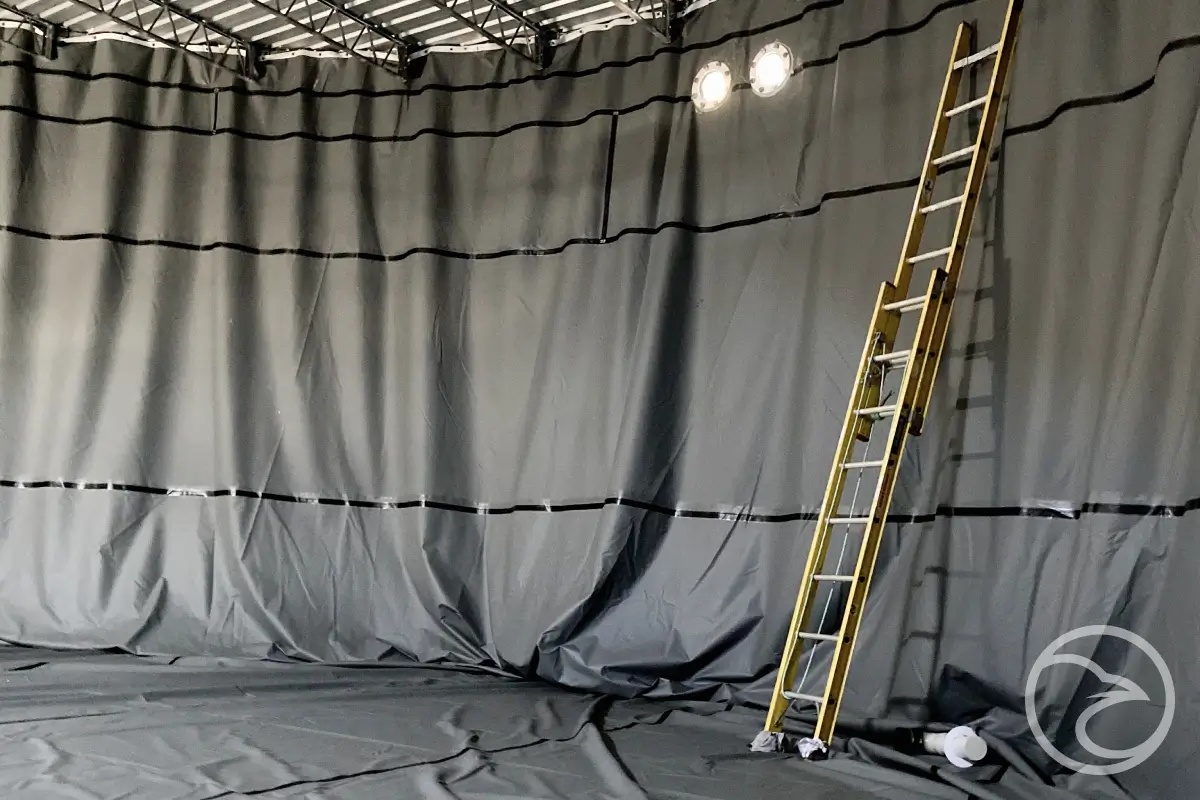
PVC liners can also be fabricated for reservoirs and larger water storage applications. Reservoir PVC liners may cover significantly larger surface areas than liners for smaller tanks. Accurate dimensions become particularly important at this scale.
The liner needs to fit the storage structure while accommodating relevant penetrations and connections. Large storage applications can also create different installation challenges. Access, surface preparation and liner positioning may require additional planning.
Material selection remains important regardless of reservoir size. The liner must suit the stored water and expected operating environment.
How to Choose the Right PVC Tank Liner
Selecting a PVC tank liner should start with the application rather than liner price or thickness. Several factors need to be considered together.
Stored Liquid
The stored liquid is one of the most important selection factors. PVC must be compatible with the liquid under expected operating conditions.
This is especially important for industrial applications.
Tank Size and Shape
The liner needs to match the tank dimensions. Round, rectangular and irregular tanks can require different fabrication approaches.
Large tanks may also require additional installation planning.
Tank Material
The underlying substrate affects liner installation and preparation. Steel, concrete and other tank materials can present different surface conditions.
The supporting surface should not contain features that could damage the liner.
Operating Temperature
Material performance can change at different temperatures. The expected liquid and environmental temperatures should therefore be considered.
Chemical Compatibility
Chemical compatibility should never be assumed. The chemical, concentration, temperature and exposure conditions may all influence liner performance.
Tank Fittings
Outlets, drains, pipes and other penetrations require careful detailing. These areas are important because the liner must maintain containment around tank components.
Service Conditions
The complete operating environment should be considered. This includes how the tank is filled, emptied, inspected and maintained.
A suitable liner specification brings these factors together.
Does PVC Tank Liner Thickness Matter?
Liner thickness is an important specification, but thicker does not automatically mean better. The appropriate thickness depends on the application. A liner needs sufficient performance for its intended service conditions.
However, thickness is only one material characteristic. Flexibility, formulation, compatibility and fabrication quality also matter. Tank size and substrate condition can influence the required specification.
Industrial applications may have different requirements from general water storage. The correct approach is therefore to select thickness as part of the complete liner specification.
It should not be considered independently from stored liquid and operating conditions.
Custom vs Standard PVC Tank Liners
Standard liners may suit tanks with common dimensions and simple configurations. However, many commercial and industrial tanks require custom fabrication. A custom liner is manufactured around the specific dimensions of the tank.
This can be particularly important when the tank contains multiple penetrations or unusual internal features.
Custom fabrication can account for:
- Non-standard tank dimensions
- Unusual shapes
- Outlet locations
- Pipe penetrations
- Internal fittings
- Floor details
- Access requirements
This does not mean custom is automatically better for every application. The appropriate choice depends on tank design and liner requirements. Where standard dimensions cannot provide a suitable fit, custom fabrication becomes particularly valuable.
How are PVC Tank Liners Installed?
Installation procedures vary between liner systems and tank configurations. However, the process normally begins before the liner enters the tank. The existing tank first needs assessment.
Dimensions and relevant internal features must be identified accurately. The supporting surface then needs suitable preparation.
Potentially damaging objects or irregularities should be addressed before installation.
A general installation process can include:
- Assessing the tank condition
- Confirming tank dimensions
- Preparing internal surfaces
- Positioning the fabricated liner
- Fitting the liner around penetrations
- Securing the liner system
- Checking seams and connections
- Inspecting the completed installation
Installation quality can directly affect liner performance. Poor fit or incorrect detailing around penetrations can create potential failure points.
Can an Existing Tank Be Relined with PVC?
PVC tank lining can sometimes provide an option for existing tanks requiring a new containment barrier. This can be useful when an old liner has deteriorated. It may also be considered when an existing tank requires internal rehabilitation.
However, relining should not be confused with structural repair. A liner contains liquid. It does not restore the structural strength of a severely deteriorated tank.
The underlying tank should therefore be assessed before relining. Problems requiring attention may include corrosion, damaged surfaces or structural deterioration.
Once the tank is considered suitable, an appropriate liner can be selected and fabricated. This approach may allow continued use of an existing storage asset without complete tank replacement.
How Long do PVC Tank Liners Last?
There is no universal lifespan for every PVC tank liner. Service life depends on the material, installation and operating environment. The stored liquid can have a significant influence.
Chemical exposure may affect liner materials differently over time. Temperature can also influence long-term performance.
Other factors include:
- Liner formulation
- Liner thickness
- Installation quality
- Tank substrate condition
- Mechanical damage
- Operating temperature
- Stored liquid
- Chemical exposure
- Maintenance practices
- UV exposure where applicable
Regular inspection helps identify changes before significant liner failure occurs. Actual liner condition is therefore more useful than relying only on age.
Signs a PVC Tank Liner may need Replacement
Tank liners can deteriorate over time. Recognising early signs can help prevent more serious containment problems.
Potential warning signs include:
- Visible tears
- Cracking
- Brittle material
- Failed seams
- Leakage
- Damage around outlets
- Punctures
- Excessive stretching
- Separation around fittings
- Significant surface deterioration
Not every visible change automatically requires complete replacement. The extent and location of damage should first be assessed. Localised damage may have different implications from widespread material deterioration.
The age and overall condition of the liner should also be considered.
What Affects PVC Tank Liner Cost?
PVC internal tank liner cost varies considerably between projects. Tank size is one obvious factor. A larger tank generally requires more liner material and more extensive fabrication.
However, dimensions are only part of the cost.
Other factors can include:
- Liner specification
- Material thickness
- Custom fabrication
- Tank geometry
- Number of penetrations
- Tank access
- Existing liner removal
- Surface preparation
- Installation complexity
- Site conditions
A simple tank can require significantly less fabrication than a complex industrial tank of similar capacity. This makes generic liner pricing difficult. The complete tank configuration should be considered when estimating project requirements.
PVC Tank Liners vs Other Liner Materials
PVC is one of several materials available for tank lining applications. The most appropriate material depends on what the tank stores and how it operates. Different liner materials can offer different characteristics for flexibility, temperature and chemical resistance.
This makes application-based selection important. PVC can be suitable for many water storage and compatible industrial applications.
Another material may be more appropriate where operating conditions fall outside the selected PVC specification.
The comparison should consider:
- Stored liquid
- Chemical compatibility
- Temperature
- Required flexibility
- Tank design
- Service environment
- Applicable standards
- Expected maintenance
There is no single liner material that is ideal for every tank. Material selection should always reflect actual service requirements.
How to Maintain a PVC Tank Liner
Good maintenance helps identify liner deterioration before it develops into a larger problem. Inspection is one of the most useful maintenance measures. Accessible liner surfaces can be checked for visible changes.
Particular attention should be given to seams and penetrations. These areas contain details that are important to the overall containment system.
Maintenance may include checking for:
- Tears and punctures
- Seam condition
- Damage around fittings
- Surface deterioration
- Leakage
- Unusual deformation
- Changes in liner flexibility
Cleaning methods should also suit the liner material. Aggressive tools or unsuitable chemicals can potentially damage flexible membranes. Any identified problem should be assessed according to its extent and effect on containment.
Choosing PVC Tank Liners for Long-Term Tank Protection
PVC tank liners can provide an effective containment solution across many water and industrial storage applications. However, successful tank lining starts with correct specification. The liner must suit the stored liquid.
It must also match tank dimensions, temperature conditions and internal fittings. Industrial applications require particular attention to chemical compatibility. Existing tanks should be assessed before relining because a flexible liner cannot correct structural failure.
Installation quality is equally important. Accurate fabrication, surface preparation and correct detailing help the liner perform as intended. Ongoing inspection then provides information about its condition throughout service.
The best PVC tank liner is therefore not simply the thickest or largest option. It is the liner selected and fabricated for the specific tank, liquid and operating environment.