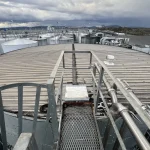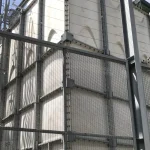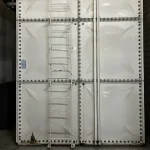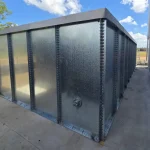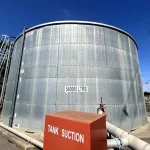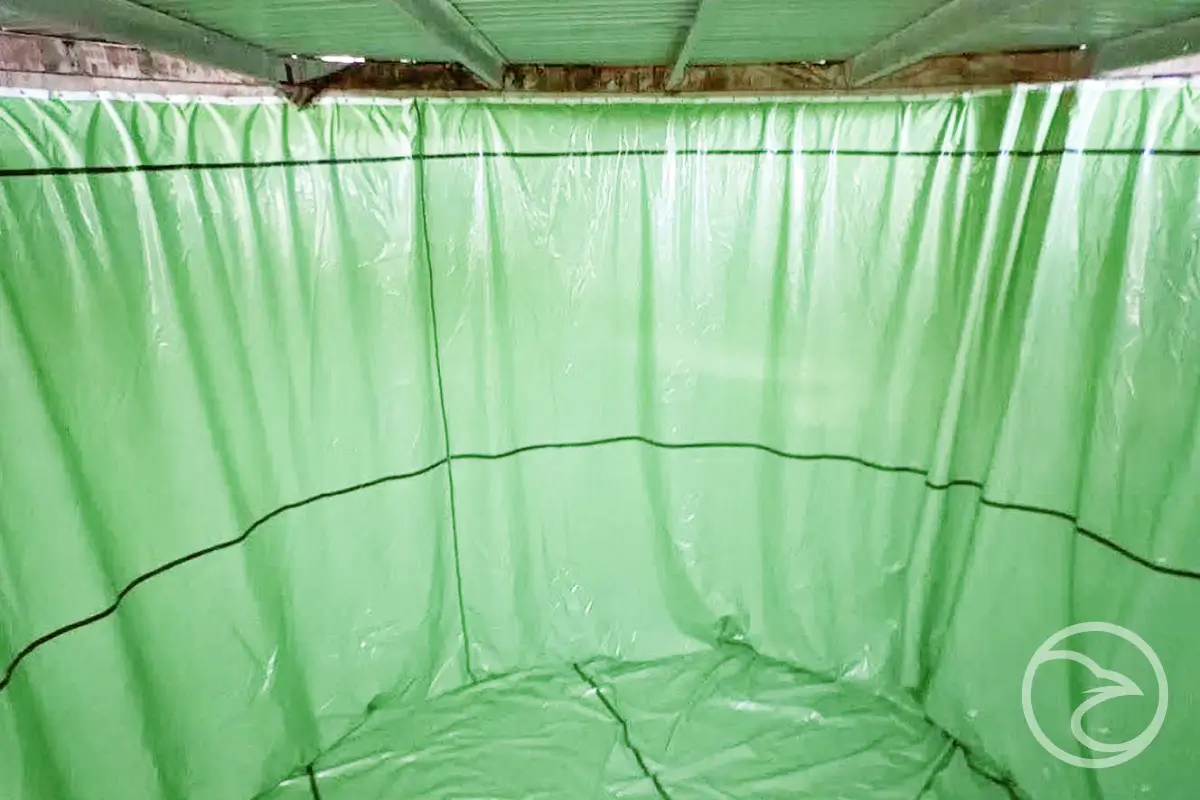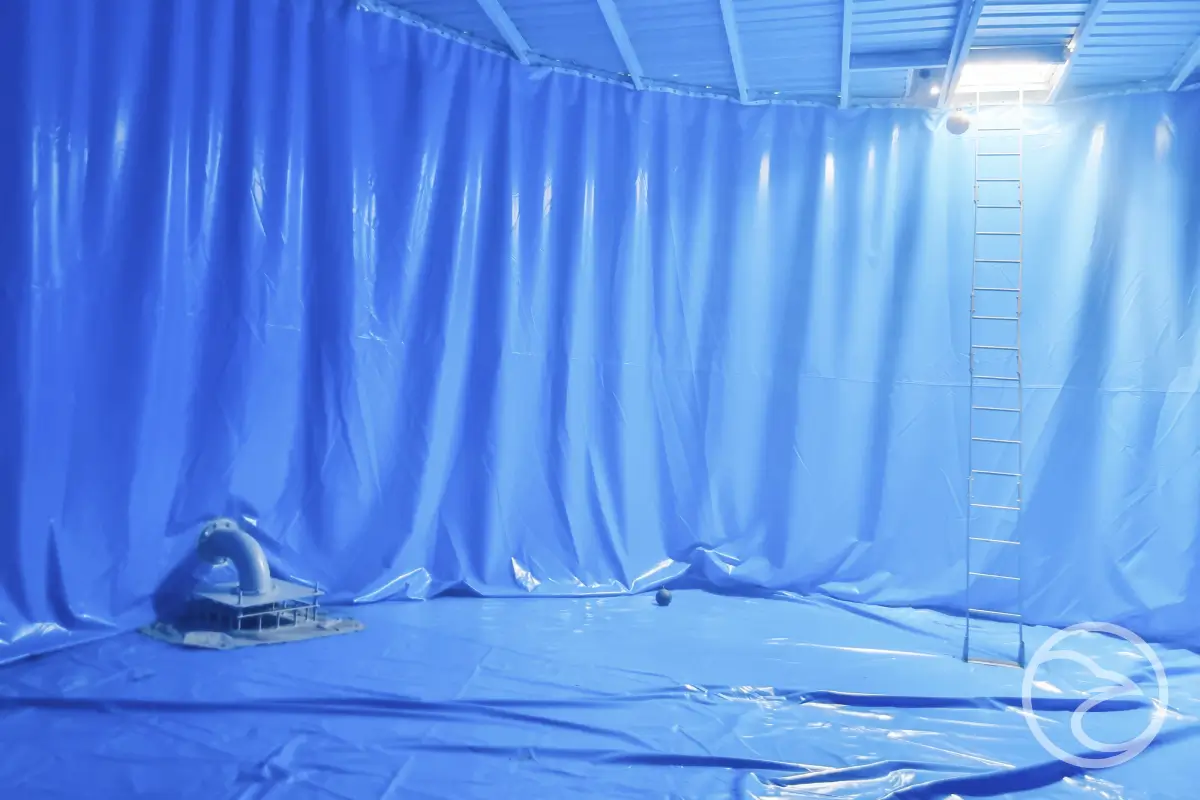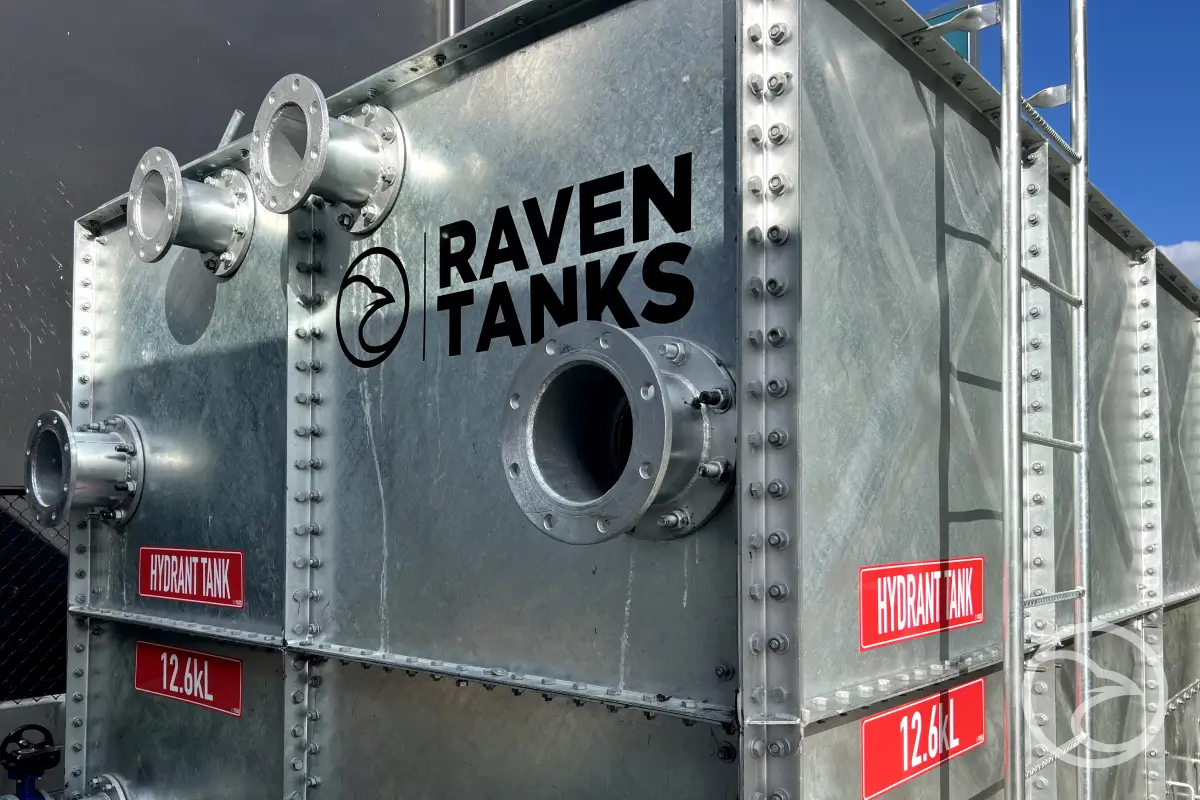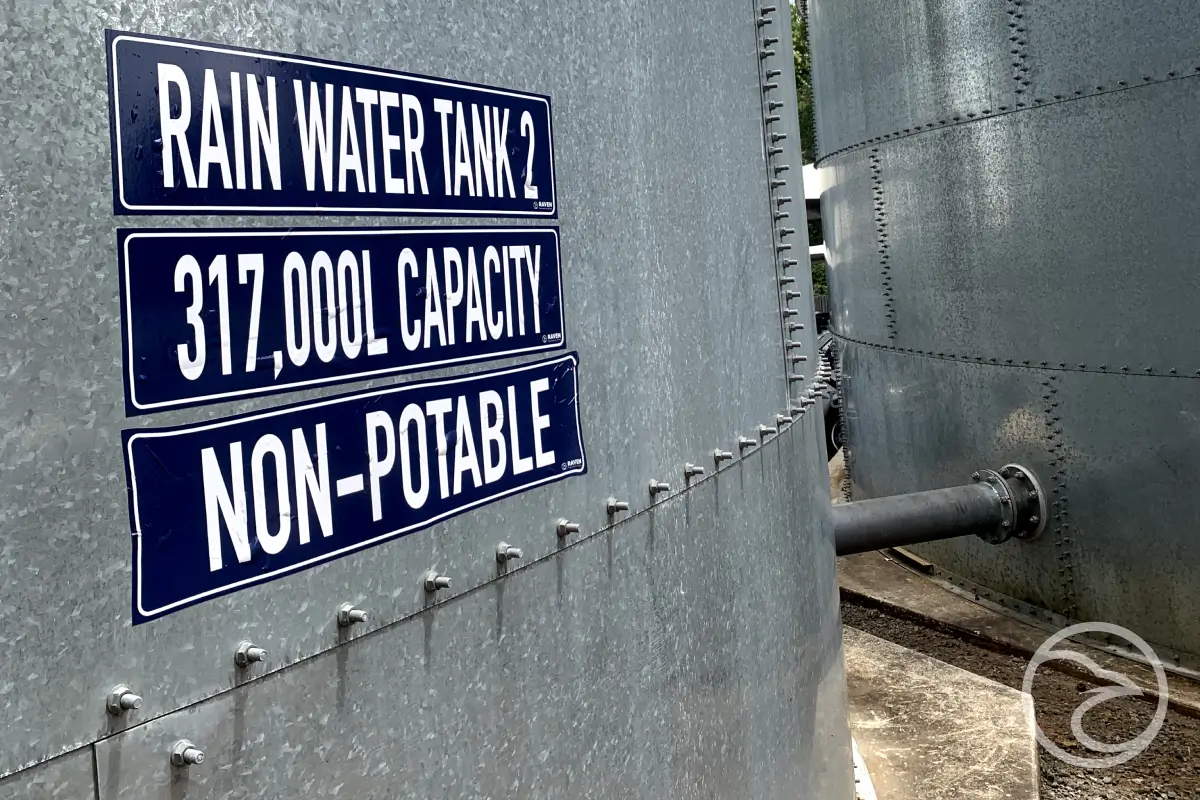
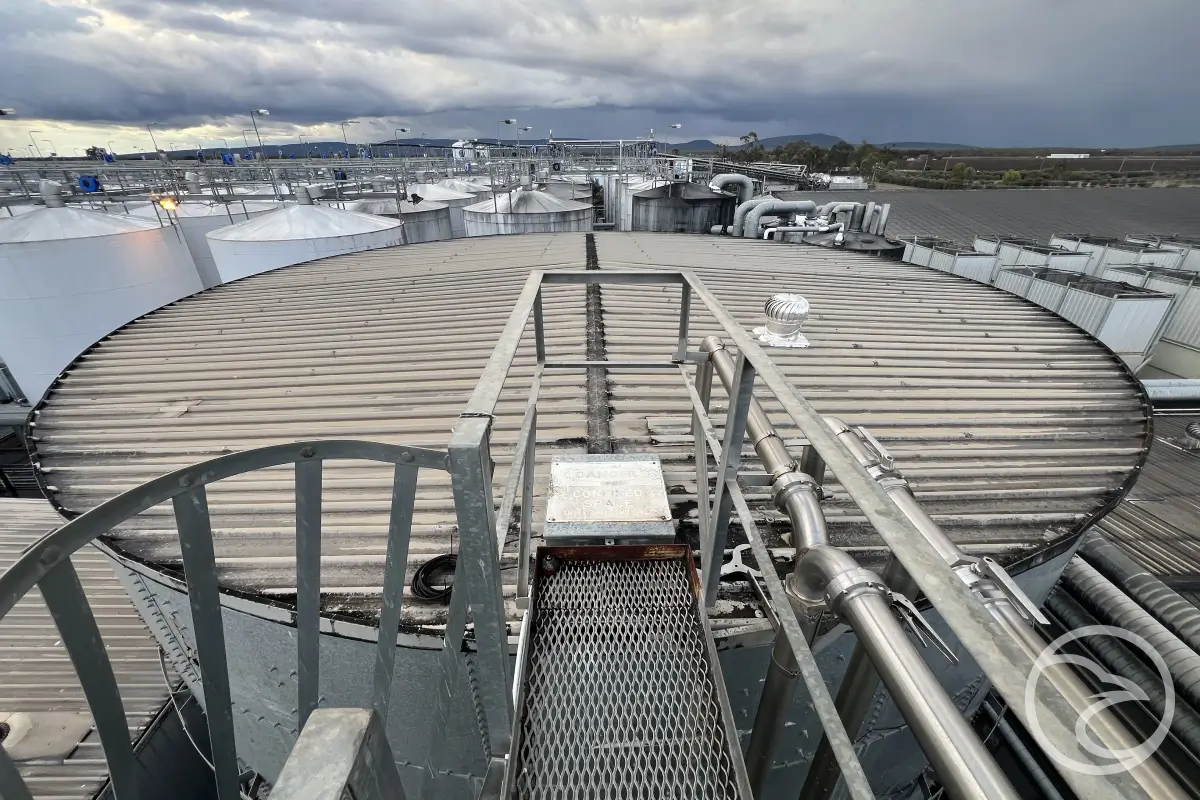
A tank roof protects stored water and helps maintain the overall condition of the tank. However, it is also one of the most exposed parts of the structure.
Rain, moisture, corrosion, temperature changes, damaged coatings, and ageing components can gradually affect roof condition. Some problems remain localised for years. Others can spread into roof supports, tank walls, or other structural components.
Visible rust does not automatically mean a tank roof needs replacement. Likewise, a roof that looks acceptable from a distance may have hidden deterioration underneath.
The first step is therefore understanding the problem. The roof should be assessed to determine the type of damage, its extent, and its likely cause.
This guide explains common tank roof problems, warning signs, basic visual checks, professional inspection methods, repair options, and when tank roof replacement may be appropriate.
Why Does Tank Roof Condition Matter?
A tank roof performs several important functions. Depending on the tank design and application, it can protect stored water from external contamination and reduce exposure to rainwater, debris, animals, and other environmental conditions.
The roof is also part of the overall tank structure. Problems can develop around roof panels, supporting members, hatches, vents, fasteners, and connections with the tank walls. Once deterioration begins, it may spread beyond the original location.
For example, a small area of coating failure can expose steel to moisture. Corrosion can then develop and gradually reduce material thickness.
A leaking or damaged roof may also allow water to reach components that were not designed for continuous moisture exposure. Regular condition monitoring is therefore important even when the tank continues to operate normally.
Where roof deterioration is widespread but the main tank structure remains serviceable, professional tank roof replacement can restore the roof without requiring complete tank replacement.
Common Tank Roof Problems
Tank roof deterioration does not always develop in the same way. Tank age, roof material, surrounding environment, water conditions, protective systems, and maintenance history can all influence the type and severity of damage.
Several problems are particularly important to monitor.
Roof Corrosion
Corrosion is one of the most common problems affecting steel tank roofs. It may begin as minor surface rust before progressing into deeper material loss.
Common contributing factors include:
- damaged protective coatings;
- prolonged moisture exposure;
- condensation;
- standing water;
- coastal or corrosive environments;
- ageing materials;
- previous damage or repairs.
The location of corrosion can provide useful information. A small isolated area may indicate local coating damage. Widespread corrosion across multiple roof sections may indicate a broader problem with the protective system or environment.
Corrosion around joints, fasteners, hatches, and roof edges can require particular attention.
Rust Around Bolts and Connections
Bolted connections can create local areas where moisture accumulates or protective coatings deteriorate. Visible rust around a bolt does not necessarily mean the connection has failed. However, repeated or extensive corrosion should be investigated.
The assessment may need to consider both the fastener and surrounding roof material. Replacing a corroded bolt alone may not resolve the problem if the surrounding material has also deteriorated.
Damaged or Deteriorated Roof Panels
Roof panels or sheets can deteriorate through corrosion, impact, environmental exposure, or long-term material ageing.
Damage may appear as:
- small holes;
- perforation;
- cracking;
- local distortion;
- loose sections;
- heavily corroded edges;
- damaged connections.
A single damaged panel may sometimes be repairable or replaceable without replacing the entire roof. The decision depends on the condition of the surrounding roof and supporting structure.
Roof Sagging or Deformation
A roof should not be assumed to be safe simply because it remains in position. Visible sagging, buckling, uneven sections, or changes in the roof profile can indicate a more significant issue.
Possible causes may include deterioration of supporting members, structural movement, excessive loading, or loss of material strength. Deformation should generally receive further assessment rather than being treated as a cosmetic defect.
Water Pooling on the Tank Roof
Standing water can accelerate deterioration. Water may collect because of roof geometry, blocked drainage paths, local deformation, or changes in structural alignment.
Repeated wetting can contribute to coating breakdown and corrosion. Pooling water may therefore be both a cause of deterioration and a warning sign that the roof profile has changed.
Damaged Roof Coatings
Protective coatings help separate steel surfaces from moisture and other environmental exposure.
Over time, coatings may:
- crack;
- peel;
- blister;
- fade;
- become damaged around fasteners;
- separate from the substrate.
Coating damage does not always require roof replacement. However, the condition of the steel underneath should be considered before applying a new protective system.
Coating over significant corrosion without addressing the underlying problem may only hide the deterioration.
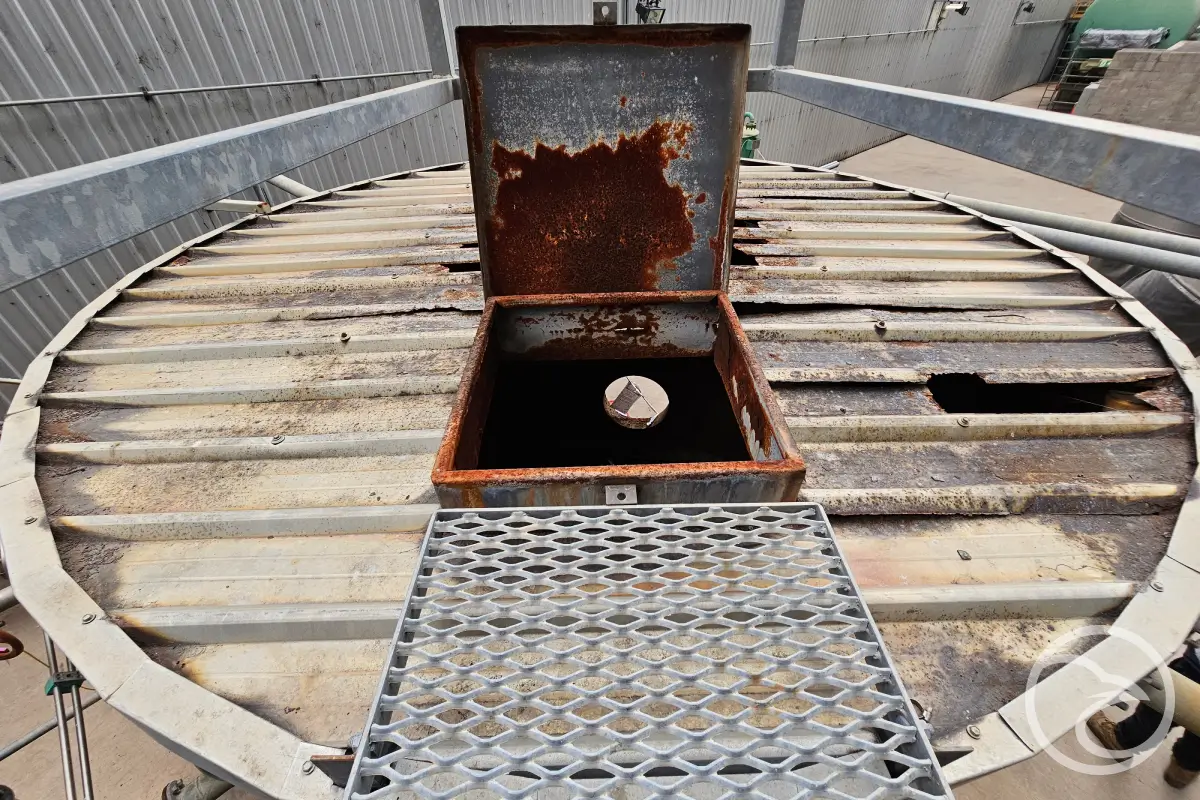
Problems Around Hatches and Penetrations
Roof hatches, vents, pipe penetrations, and other openings create interruptions in the roof surface. These locations can experience movement, moisture exposure, and deterioration around seals or connections.
Warning signs can include corrosion, damaged seals, loose components, gaps, or evidence of water ingress. The surrounding roof material should also be assessed rather than focusing only on the hatch or fitting.
Loose or Deteriorated Fasteners
Fasteners are relatively small components, but they can be important to the integrity of a panelled or bolted roof system. Missing, loose, or heavily corroded fasteners may affect connections between roof components.
Repeated fastener problems can also indicate movement or deterioration elsewhere in the structure.
Deterioration of Roof Supports
Some of the most important roof components may not be clearly visible from outside the tank. Internal beams, rafters, columns, brackets, or other supporting components can deteriorate over time.
Corrosion may be associated with condensation, leaks, coating failure, or the internal environment. A roof that appears relatively intact externally may therefore still require internal assessment when support deterioration is suspected.
What are the Warning Signs of Tank Roof Deterioration?
Facility managers do not need to wait for a major roof problem before investigating tank condition. Visible changes can provide an early indication that further assessment is required.
Warning signs may include:
- visible rust or corrosion;
- holes or perforation;
- sagging or deformation;
- an uneven roof profile;
- standing water;
- peeling or blistering coatings;
- loose roof panels or sheets;
- damaged or missing fasteners;
- corrosion around hatches and vents;
- evidence of water ingress;
- recurring roof repairs;
- deteriorated roof edges;
- visible damage underneath the roof;
- changes since the previous inspection.
None of these signs automatically means that complete tank roof replacement is necessary. The important question is how extensive the deterioration has become and whether the supporting structure remains serviceable.
Regular tank maintenance can help address coating damage, corrosion, deteriorated fasteners, and other minor defects before they develop into more extensive roof problems.
Can You Inspect a Tank Roof Yourself?
Basic visual monitoring can be useful between professional inspections. Facility personnel may be able to observe obvious changes from ground level or another safe, designated access point.
This is not the same as a structural inspection. A visibly deteriorated tank roof should not be treated as a safe working platform simply because access is physically possible.
What can be Checked Visually?
Without climbing onto the roof, facility staff may be able to look for:
- visible corrosion;
- unusual roof movement or deformation;
- standing water;
- obvious holes;
- damaged coatings;
- loose or missing visible components;
- deterioration around roof edges;
- problems around accessible hatches;
- signs of water ingress;
- changes compared with previous photographs.
Photographs can be particularly useful. Taking images from consistent locations can make gradual changes easier to recognise over time.
Records should include the date and location of any observed problem.
What Should You Avoid?
A basic visual check should not involve unsafe access or destructive testing. Personnel should not walk onto a roof that may be structurally deteriorated simply to obtain a closer view. Likewise, a corroded area should not be tested by applying body weight or unnecessary loads.
Tank entry also creates separate hazards and should only occur under appropriate procedures and controls. Where the condition cannot be assessed safely from an appropriate location, a professional inspection method should be considered.
When Does a Tank Roof Need Professional Inspection?
Professional inspection becomes increasingly important when visible defects are widespread, changing, or difficult to understand.
Further assessment may be appropriate when:
- corrosion affects multiple areas;
- roof deformation is visible;
- perforation has developed;
- internal supports may be affected;
- previous repairs continue to fail;
- water regularly pools on the roof;
- there are signs of structural movement;
- the tank has a history of roof problems;
- safe visual access is limited;
- significant deterioration was identified previously.
A professional inspection should aim to establish more than whether a defect exists. It should help determine its extent and whether other components have also been affected.
Professional tank inspection services can help identify roof corrosion, structural deterioration, damaged components, and other issues that may require repair or replacement.
What is Checked During a Tank Roof Inspection?
The scope depends on tank design, condition, access, and the reason for the inspection.
Typical areas may include:
- roof sheets or panels;
- fasteners;
- panel joints;
- roof edges;
- protective coatings;
- corrosion;
- hatches;
- vents;
- penetrations;
- connections to tank walls;
- supporting members;
- internal roof surfaces;
- previous repair locations.
The surrounding structure may also need attention. For example, extensive roof deterioration can make it appropriate to assess the upper wall panels and connections rather than viewing the roof in isolation.
Professional Tank Inspections can help establish whether visible roof deterioration is localised or part of a wider condition issue.
How is Tank Roof Damage Assessed?
Different methods may be used depending on the tank and the suspected problem.
Visual Inspection
Visual assessment is usually an important starting point. Inspectors can document corrosion, deformation, damaged coatings, failed connections, perforation, and other visible defects.
The pattern of deterioration can be just as important as the individual defect. For example, repeated corrosion along one roof edge may indicate a different underlying cause from random isolated surface rust.
Corrosion and Material Loss Assessment
Where corrosion is significant, the remaining condition of the material may need further assessment. Surface appearance alone does not always show how much material has been lost.
This is important when deciding whether a component can remain in service, requires repair, or should be replaced.
Internal Roof Inspection
Some roof problems are easier to understand from inside the tank. The underside of roof panels, internal connections, beams, rafters, and other supporting components may show deterioration that is not visible externally.
Internal inspection can also reveal evidence of moisture, corrosion, or previous repairs.
UAV or Drone Inspection
Direct access to large or deteriorated tank roofs may be difficult. Where appropriate, UAV inspection can provide detailed external imagery without requiring personnel to walk across the roof.
It can help document:
- roof condition;
- visible corrosion;
- coating deterioration;
- standing water;
- deformation;
- damaged panels;
- hatches and penetrations;
- difficult-to-access roof edges.
UAV assessment does not replace every form of inspection. However, it can provide useful visual information and help identify areas that require closer investigation.
Review of Previous Inspection Records
Historical information can be extremely valuable. A single photograph shows condition at one point in time. A sequence of inspection records shows whether the condition is changing.
Previous reports can help answer questions such as:
- Is corrosion spreading?
- Has deformation increased?
- Has the same area been repaired repeatedly?
- Did coating failure develop quickly?
- Is water pooling a new problem?
This can help distinguish stable defects from active deterioration.
Tank Roof Repair vs Replacement: what is the Difference?
Not every damaged roof needs complete replacement. Repair is generally focused on localised defects where the surrounding roof and supporting structure remain suitable for continued service.
Replacement becomes more relevant as deterioration becomes widespread or the existing roof system can no longer be effectively maintained through local repairs. The decision should be based on condition rather than appearance alone.
When can a Tank Roof be Repaired?
Repair may be considered where deterioration is limited to specific areas.
Depending on the roof system, this could involve problems such as:
- isolated corrosion;
- local coating failure;
- individual damaged components;
- limited fastener deterioration;
- minor joint problems;
- localised damage around a penetration.
The underlying cause should still be considered. Repeatedly repairing the same area without understanding why it continues to fail can lead to recurring maintenance.
When Should Tank Roof Replacement be Considered?
Tank roof replacement may become appropriate when deterioration is too extensive for practical local repair.
Possible indicators include:
- widespread corrosion;
- extensive perforation;
- significant material loss;
- multiple deteriorated roof panels;
- substantial deformation;
- deteriorated roof supports;
- recurring failures after previous repairs;
- widespread coating and substrate deterioration;
- roof condition affecting safe access;
- repair requirements becoming increasingly extensive.
The rest of the tank should also be assessed. A deteriorated roof does not necessarily mean the complete tank needs replacement if the tank walls, foundations, and other major components remain serviceable.
What is Tank Roof Replacement?
Tank roof replacement involves removing deteriorated roof components and installing a new roof system while retaining serviceable parts of the existing tank where appropriate. The exact scope can vary considerably.
Some projects may require replacement of only certain roof panels. Others may involve removal of the complete roof and replacement of supporting components. The work may also provide an opportunity to address related problems around hatches, vents, access points, coatings, and connections.
For this reason, the roof should be considered as part of the wider tank structure rather than as an isolated cover.
Does the Entire Tank Roof Always need to be Replaced?
No. The extent of replacement should reflect the condition of the existing roof.
Possible approaches can include:
- replacement of individual damaged components;
- partial roof panel replacement;
- replacement of a larger roof section;
- complete roof replacement;
- roof and supporting structure replacement.
Partial replacement may be suitable when deterioration is clearly localised and the remaining components are in acceptable condition. Complete replacement may be more practical where deterioration affects much of the roof.
The condition of existing connections and supporting members is particularly important when determining the scope.
How is a Tank Roof Replaced?
Tank roof replacement should follow a planned process based on the tank design and condition. The exact methodology varies between projects, but several stages are commonly involved.
1. Tank Condition Assessment
The first step is determining what needs to be replaced. The assessment should establish the condition of the roof as well as relevant surrounding components.
This may include tank walls, roof supports, connections, access components, and foundations where structural movement is suspected. The objective is to avoid designing a new roof around components that are already significantly deteriorated.
2. Planning and Tank Isolation
Replacement work needs to account for the tank’s operational role.
Planning may consider:
- tank contents;
- isolation requirements;
- site access;
- working-at-height controls;
- internal access;
- surrounding equipment;
- temporary operational arrangements;
- lifting requirements.
For tanks that support essential systems, operational continuity may require additional planning.
3. Removal of Deteriorated Roof Components
Damaged roof materials are removed according to the planned scope. The removal process may expose areas that were previously hidden.
This is important because deterioration underneath roof sheets or around connections may be more extensive than external inspection suggested.
4. Assessment of the Supporting Structure
Once damaged roof components are removed, supporting members can be examined more closely.
Hidden corrosion may be present around:
- beams;
- rafters;
- brackets;
- connections;
- upper tank walls;
- roof support interfaces.
If these components cannot safely support the new roof, they may also require repair or replacement.
5. Repair or Replacement of Roof Supports
Deteriorated structural components should be addressed before the new roof system is completed. The required work depends on the tank design and condition.
Some supports may remain suitable for continued service. Others may require local repair or complete replacement.
6. Installation of the New Tank Roof
New roof components are installed according to the selected design.
This may include:
- roof panels or sheets;
- supporting members;
- fasteners;
- hatches;
- vents;
- penetrations;
- seals;
- edge connections.
The new roof must remain compatible with the existing tank structure.
7. Corrosion Protection
Where applicable, new and retained steel components may require suitable corrosion protection. The selected protective system should consider the environment and materials involved.
Existing corrosion should be properly addressed rather than simply concealed beneath a new coating.
8. Final Inspection
Completed work should be inspected before the project is considered finished. This provides an opportunity to check new components, connections, protective systems, hatches, and associated tank areas.
Inspection records can then provide a new baseline for future condition monitoring.
What Tank Roof Replacement Methods are Available?
There is no single replacement method suitable for every tank. The correct approach depends on roof construction, material, tank condition, and the extent of deterioration.
Individual Roof Component Replacement
Where damage is highly localised, individual components may be replaced while retaining the majority of the existing roof. This approach depends on the surrounding material being in suitable condition.
Partial Tank Roof Replacement
A section of the roof may be replaced when deterioration affects a defined area. The interface between new and retained components requires careful consideration.
There is little benefit in connecting new roof materials to severely deteriorated existing sections.
Complete Tank Roof Replacement
Complete replacement may be appropriate where deterioration affects a substantial proportion of the roof. Removing the existing system can also provide better access to the supporting structure.
This may be particularly valuable where hidden corrosion is suspected.
Roof and Support Structure Replacement
In more advanced cases, deterioration may extend beyond the roof surface. Supporting beams, rafters, brackets, or other components may also require replacement.
The scope then becomes a broader structural refurbishment rather than simple roof sheet replacement.
Replacement with an Updated Roof System
In some cases, replacement may provide an opportunity to review the existing roof configuration. Changes may be considered where they improve compatibility, inspection access, maintenance, or long-term performance.
Any modification still needs to suit the existing tank and structural requirements.
What Materials are used for Replacement Tank Roofs?
Replacement material should be selected according to the tank design and operating environment. Depending on the system, options may include galvanised steel, stainless steel, coated steel, or other compatible materials.
Selection should consider:
- existing tank construction;
- environmental exposure;
- corrosion risk;
- tank application;
- compatibility with retained components;
- structural requirements;
- maintenance needs;
- expected service life.
Material compatibility is particularly important. Combining different materials without considering their interaction can create new corrosion or connection problems.
The objective should not simply be to select the most corrosion-resistant material available. The new roof needs to function correctly as part of the complete tank system.
Can a Tank Remain in Service During Roof Replacement?
This depends on the tank application and scope of work. Some roof replacement projects may require the tank to be isolated or taken out of normal operation.
Factors can include:
- the type of stored water;
- extent of roof removal;
- contamination risk;
- internal access requirements;
- safety controls;
- system redundancy;
- applicable operational requirements.
For tanks supporting fire protection or other essential systems, continuity arrangements may require careful planning before work begins. This should be considered during project planning rather than after roof removal has started.
What Other Tank Components Should be Checked During Roof Replacement?
Significant roof deterioration can be an opportunity to assess other parts of the tank. This is particularly important where corrosion or moisture has been present for an extended period.
Related areas may include:
- upper tank panels;
- internal roof supports;
- bolts and fasteners;
- panel joints;
- hatches;
- vents;
- ladders and access components;
- pipe penetrations;
- protective coatings;
- internal liners;
- previous repairs.
Where a liner is installed, its condition should also be considered. Damaged or ageing Tank Liners may require further assessment where deterioration, leaks, or problems around penetrations are identified.
Checking related components can help prevent a situation where a new roof is installed while another major tank problem remains unresolved.
What Happens if a Damaged Tank Roof is not Addressed?
Roof deterioration often progresses gradually. Minor surface corrosion may remain manageable for some time. However, continued exposure can increase material loss.
If deterioration continues, possible consequences can include:
- increasing corrosion;
- larger areas of coating failure;
- water ingress;
- deterioration of supporting members;
- worsening deformation;
- more extensive repair requirements;
- reduced safe access;
- contamination risks for some applications;
- eventual structural concerns.
Delaying action can also reduce the number of practical repair options. A localised problem may initially require limited work. Once deterioration spreads through multiple roof and supporting components, broader refurbishment may become necessary.
How can Tank Roof Problems be Prevented?
Not every form of deterioration can be prevented, but regular condition management can reduce the risk of problems remaining unnoticed.
Carry Out Routine Visual Checks
Simple observations can identify changes between formal inspections. Facility staff can look for new rust, standing water, coating damage, deformation, or other visible changes from safe locations.
Schedule Tank Inspections
Professional inspections provide a more detailed assessment than routine visual monitoring. Inspection history also helps establish whether deterioration is stable or progressing.
Monitor Corrosion
Corrosion should be monitored rather than judged only by appearance. Repeated deterioration in the same location may indicate an underlying moisture, coating, material, or design issue.
Maintain Protective Coatings
Coating defects should be assessed before large areas of steel become exposed. Early maintenance can be more manageable than remediation after extensive corrosion develops.
Monitor Drainage and Standing Water
Persistent pooling should not simply be accepted as normal. The reason water remains on the roof should be understood, particularly if the problem is new.
Check Hatches and Penetrations
Hatches, vents, seals, and penetrations should be included in routine condition checks. These areas can experience localised deterioration even when the wider roof remains in reasonable condition.
Keep Maintenance Records
Photographs, inspection reports, and repair histories provide valuable context. A record showing repeated repairs in one location may indicate that the underlying cause has not been resolved.
How Often Should a Tank Roof be Inspected?
There is no single inspection interval suitable for every tank.
The appropriate frequency depends on several factors, including:
- tank age;
- roof material;
- tank application;
- environmental exposure;
- corrosion history;
- coating condition;
- previous inspection findings;
- repair history;
- applicable standards and maintenance requirements.
A tank with known corrosion may require closer monitoring than a newer tank with no significant defects. Inspection may also be appropriate after unusual events or when facility staff notice a change in roof condition.
The objective is to detect deterioration early enough to understand and manage it before it becomes significantly more extensive.
Tank Roof Repair, Refurbishment or Replacement?
The correct response depends on the condition of the entire tank. Tank roof repair may be suitable where defects are localised and surrounding components remain serviceable. Tank roof replacement may be more appropriate where roof deterioration is extensive but the wider tank structure remains suitable for continued service. Tank refurbishment may be considered where problems affect several parts of the tank, such as the roof, panels, coatings, supports, or liner.
Complete tank replacement may become an option where deterioration is widespread enough that retaining the existing structure is no longer practical.
These decisions should follow condition assessment rather than being based only on tank age or one visible defect.
Key Takeaways
Tank roof problems can begin with relatively small signs. Rust, coating failure, standing water, deteriorated fasteners, damaged panels, and recurring repairs can all indicate that closer assessment is required.
Facility staff can support early detection through basic visual monitoring from safe locations. However, a visibly deteriorated roof should not be accessed simply to obtain a closer look.
Professional inspection can help determine whether damage is localised, whether supporting components are affected, and whether repair remains practical.
Where deterioration is limited, local repairs may be sufficient. Where corrosion, material loss, deformation, or structural deterioration has become widespread, tank roof replacement may provide a way to restore the roof while retaining serviceable parts of the existing tank.
The most appropriate approach depends on the cause and extent of deterioration, the tank structure, materials, application, and long-term maintenance requirements.