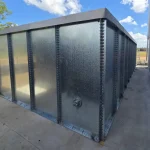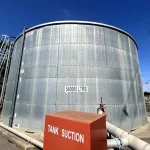
Water tank panels are essential components of modular storage systems. They provide structural integrity and ensure safe liquid containment. Over time, these panels can experience wear and damage due to environmental and operational factors.
Recognizing early signs of damaged water tank panels helps prevent system failure and costly repairs. It also ensures that the tank continues to operate safely and efficiently.
Why Tank Panel Condition Matters
Tank panels are constantly exposed to pressure, moisture, and temperature changes. These factors can gradually weaken the material. If damage is not addressed, it can affect the entire structure.
Compromised panels may lead to leaks or contamination. In critical systems, this can disrupt operations or create safety risks. Maintaining panel integrity is essential for long-term performance.
Understanding when to act allows for timely repairs or tank panel replacement when necessary.
Visible Corrosion and Surface Damage
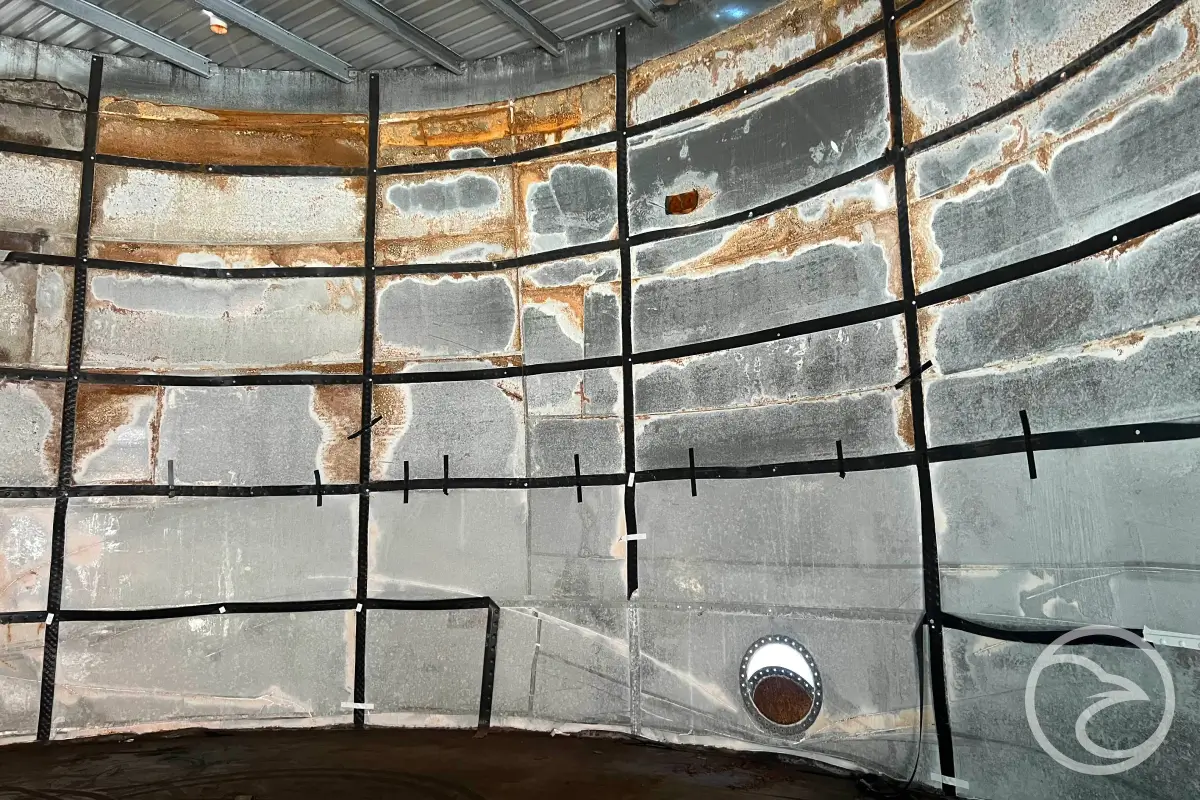
Corrosion is one of the most common signs of panel deterioration. It often appears as rust, discoloration, or surface pitting. This is especially common in steel tanks exposed to moisture.
Surface damage may also include scratches, dents, or coating failure. These issues can expose the underlying material to further degradation.
Even minor corrosion should not be ignored. It can spread quickly and weaken the panel over time.
Leaks and Moisture Around Panels
Leaks are a clear indication that something is wrong. Water escaping from joints or panel seams signals structural issues. Moisture buildup around the tank base may also indicate hidden leaks.
Small leaks can develop into larger problems if left untreated. They can affect surrounding infrastructure and lead to water loss.
Regular inspections help identify these issues early. Prompt action prevents further damage and maintains system efficiency.
Deformation or Bulging Panels
Tank panels are designed to maintain their shape under pressure. Any visible deformation is a serious concern. Bulging panels may indicate internal pressure imbalance or structural weakness.
This type of damage often requires immediate attention. Ignoring it can lead to panel failure or even tank collapse.
Changes in panel alignment or shape should always be investigated. These signs often point to underlying structural issues.
Loose or Damaged Connections
Panel connections play a critical role in maintaining tank stability. Bolts, seals, and joints must remain secure at all times. Loose or damaged connections can compromise the entire system.
Gaps between panels may allow leaks or contamination. They can also reduce the tank’s ability to handle pressure.
Routine checks ensure that all components remain properly secured. Addressing connection issues early prevents more extensive damage.
Internal Coating Deterioration
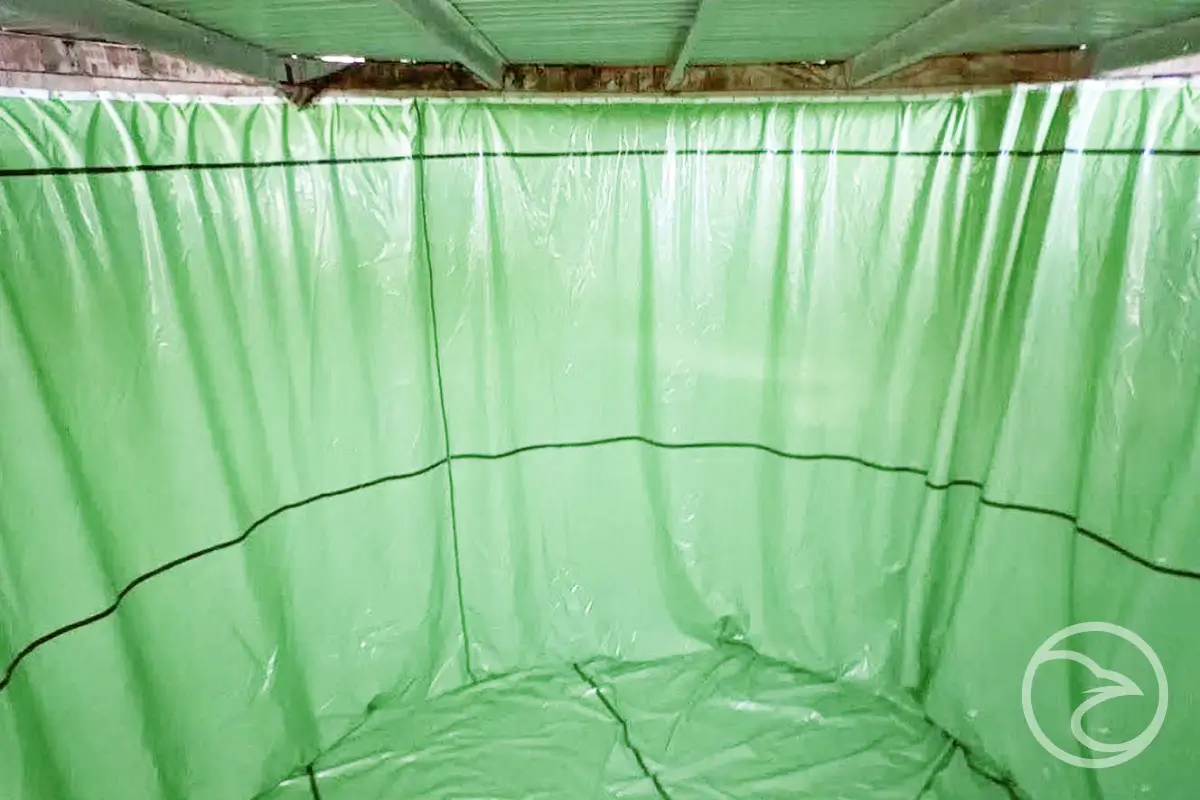
Many tanks have internal coatings to protect against corrosion. Over time, these coatings can wear down or peel away. This exposes the underlying material to water and contaminants.
Coating failure often occurs gradually. It may not be visible without internal inspection. Regular maintenance helps detect these issues before they worsen.
Restoring protective coatings can extend the life of the panels. In severe cases, replacement may be required.
Reduced Water Quality
Changes in water quality can indicate internal tank issues. Rust particles, discoloration, or unusual odors may be present. These signs often result from panel corrosion or coating failure.
Poor water quality can affect system performance and safety. This is particularly important in potable or fire protection systems.
Monitoring water conditions helps identify problems early. It also supports compliance with safety standards.
Environmental and Operational Factors
External conditions can accelerate panel damage. Exposure to extreme weather, UV radiation, or chemicals increases wear. Coastal environments may introduce salt, which speeds up corrosion.
Operational factors also play a role. Frequent filling and emptying cycles can stress the structure. High internal pressure may weaken panels over time.
Understanding these factors helps predict potential issues. It also supports better maintenance planning.
When to Repair vs Replace
Not all damage requires full panel replacement. Minor issues can often be repaired if detected early. Surface corrosion or small leaks may be manageable with proper treatment.
However, extensive damage may require replacement. This includes severe corrosion, structural deformation, or repeated leaks. Replacing damaged panels restores system integrity.
Professional assessment is recommended in these cases. Experts can determine the best course of action based on the condition of the tank.
Preventive Maintenance Strategies
Preventive maintenance reduces the risk of panel damage. Regular inspections are the most effective way to identify issues early. Cleaning and proper water management also play a role.
Protective coatings should be maintained and reapplied when necessary. Ensuring proper drainage around the tank helps prevent moisture buildup.
A structured maintenance plan improves system reliability. It also extends the lifespan of tank components.
Final Thoughts
Water tank panels are critical to the performance and safety of storage systems. Identifying early signs of damaged water tank panels helps prevent costly repairs and system failure.
Corrosion, leaks, deformation, and poor water quality are key warning signs. Addressing these issues promptly ensures continued operation.
By combining regular inspections with preventive maintenance, businesses can extend the life of their tanks. Acting early is always more cost-effective than dealing with major failures later.