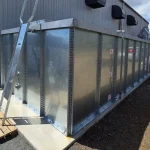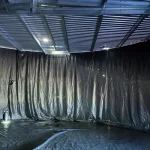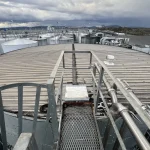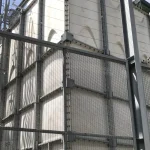
Fire water tanks play a critical role in maintaining reliable fire protection systems. Whether used in commercial, industrial, or municipal settings, these tanks must remain fully operational at all times. However, without proper inspection and maintenance, even well-designed systems can fail when they are needed most.
Understanding how often fire tanks should be inspected is essential for ensuring compliance, safety, and long-term performance.
Why Regular Inspections are Essential
Fire water tanks are not used daily, which makes it easy to overlook their condition. Unlike active systems, issues can go unnoticed for long periods.
Regular inspections help to:
- Ensure water availability during emergencies
- Detect structural or mechanical issues early
- Maintain compliance with fire safety regulations
- Prevent costly system failures
n the United States, inspection frequency is often guided by standards developed by organizations such as National Fire Protection Association, particularly NFPA 25.
What Do US Standards Recommend?
The primary guideline for fire protection system maintenance in the US is NFPA 25: Standard for the Inspection, Testing, and Maintenance of Water-Based Fire Protection Systems.
According to NFPA 25, inspection frequency depends on the component and type of tank, but general recommendations include:
Monthly Inspections
- Check water levels
- Inspect control valves
- Verify that no visible damage or leaks are present
These are typically visual checks that ensure the system appears functional at a basic level.
Quarterly Inspections
- Inspect tank condition externally
- Check for corrosion or structural issues
- Review alarms and monitoring systems
Quarterly inspections go beyond basic checks and focus on identifying early signs of wear or malfunction.
Annual Inspections
- Full system inspection
- Structural integrity assessment
- Inspection of internal components (if accessible)
- Review of fittings, supports, and connections
Annual inspections are more detailed and may require partial system shutdown or professional evaluation.
3–5 Year Internal Inspections
NFPA standards also recommend internal inspections at longer intervals, depending on tank type and usage.
These inspections typically include:
- Internal condition assessment
- Sediment and contamination checks
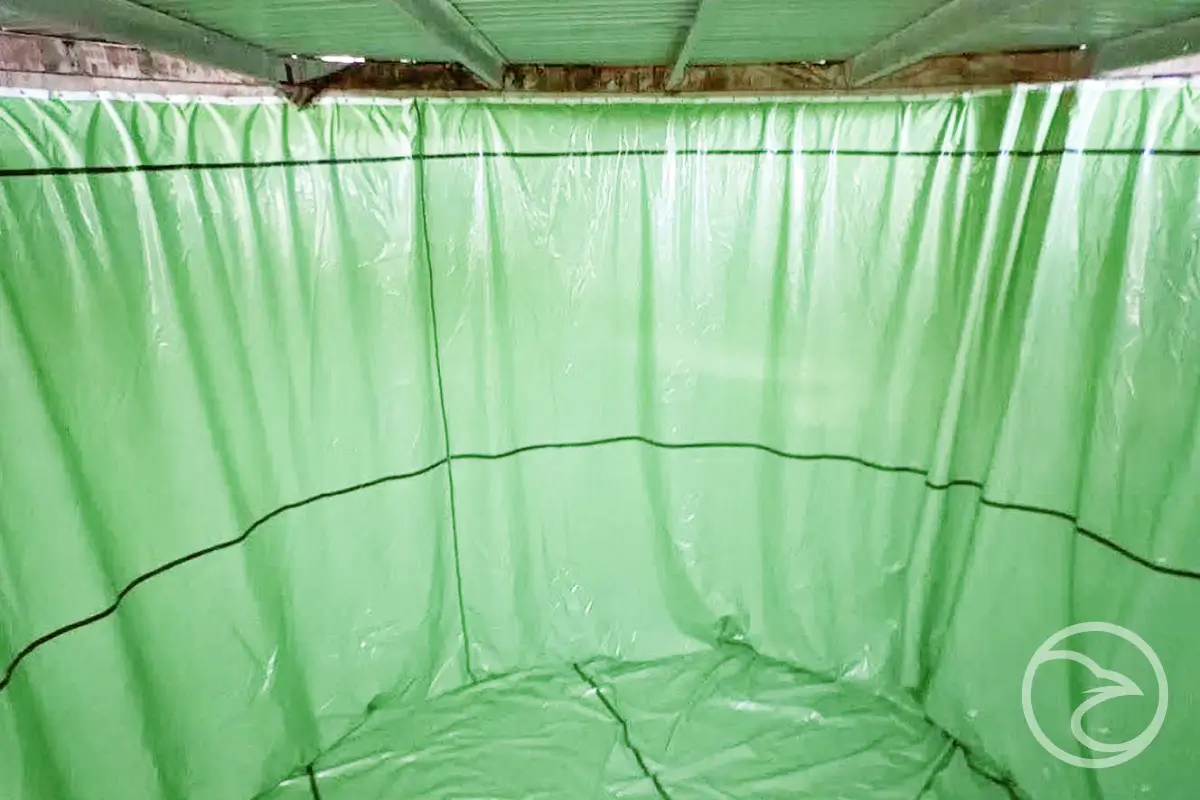
- Coating or liner evaluation
Internal inspections are critical because many issues develop inside the tank and are not visible externally.
Factors That Affect Inspection Frequency
While standards provide general guidelines, real-world conditions can influence how often inspections should occur.
Key factors include:
- 1. Environmental Conditions: Tanks exposed to harsh weather, humidity, or extreme temperatures may require more frequent inspections.
- 2. Water Quality: Poor water quality can accelerate corrosion, sediment buildup, and internal damage.
- 3. Tank Material and Design: Steel, concrete, and panel tanks each have different maintenance needs and risk factors.
- 4. System Usage: Tanks that are used more frequently or experience fluctuating demand may need closer monitoring.
Adjusting inspection schedules based on these factors helps ensure better system reliability.
Common Issues Found During Inspections
Regular inspections often reveal problems that could compromise fire protection performance if left unaddressed.
Some of the most common issues include:
- Corrosion and rust formation
- Leaks or weak joints
- Sediment buildup
- Damaged coatings or liners
- Faulty valves or fittings
Identifying these issues early allows for timely corrective action and prevents more serious failures.
The Role of Preventive Maintenance
Inspections are only one part of maintaining a fire water tank. Preventive maintenance ensures that any identified issues are properly addressed.
This may include:
- Cleaning and sediment removal
- Repairing minor leaks
- Recoating or relining surfaces
- Replacing worn components
A consistent maintenance plan reduces the risk of emergency repairs and extends the lifespan of the system.
When to go Beyond the Standard Schedule
In some situations, more frequent inspections are necessary, even if standard guidelines are being followed.
Consider additional inspections if:
- The tank is aging
- Previous issues have been identified
- The system is located in a high-risk environment
- There are signs of declining performance
Proactive monitoring ensures that potential failures are addressed before they become critical.
Staying Compliant and Prepared
Compliance with NFPA standards is not just a regulatory requirement—it is a key part of ensuring safety. Fire water tanks must always be ready to perform under emergency conditions.
Following recommended inspection intervals, documenting results, and addressing issues promptly are all essential steps in maintaining compliance.
For a deeper understanding of inspection processes and professional evaluation methods, exploring fire tank inspections can help ensure your system meets all required safety standards.
Final Thoughts
Knowing how often fire tanks should be inspected is essential for maintaining a reliable fire protection system. While standards like NFPA 25 provide a strong foundation, real-world conditions often require additional attention.
By combining regular inspections with proactive maintenance, you can ensure that your fire water tank remains fully operational, compliant, and ready to perform when it matters most.