Industrial facilities require reliable and efficient water storage systems. Tank design plays a major role in long-term performance, maintenance, and operational safety.
Industrial water panel tanks are widely used because they provide flexibility, durability, and scalable storage capacity. Their modular structure supports a wide range of commercial and industrial applications.
Understanding the importance of industrial water panel tank design helps businesses select systems that match operational requirements and environmental conditions.
Modular Panel Construction
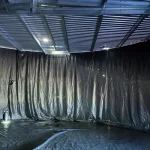
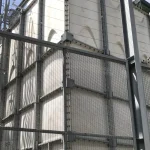
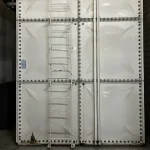
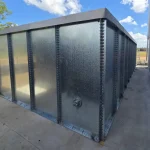
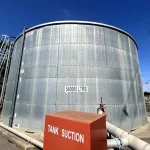
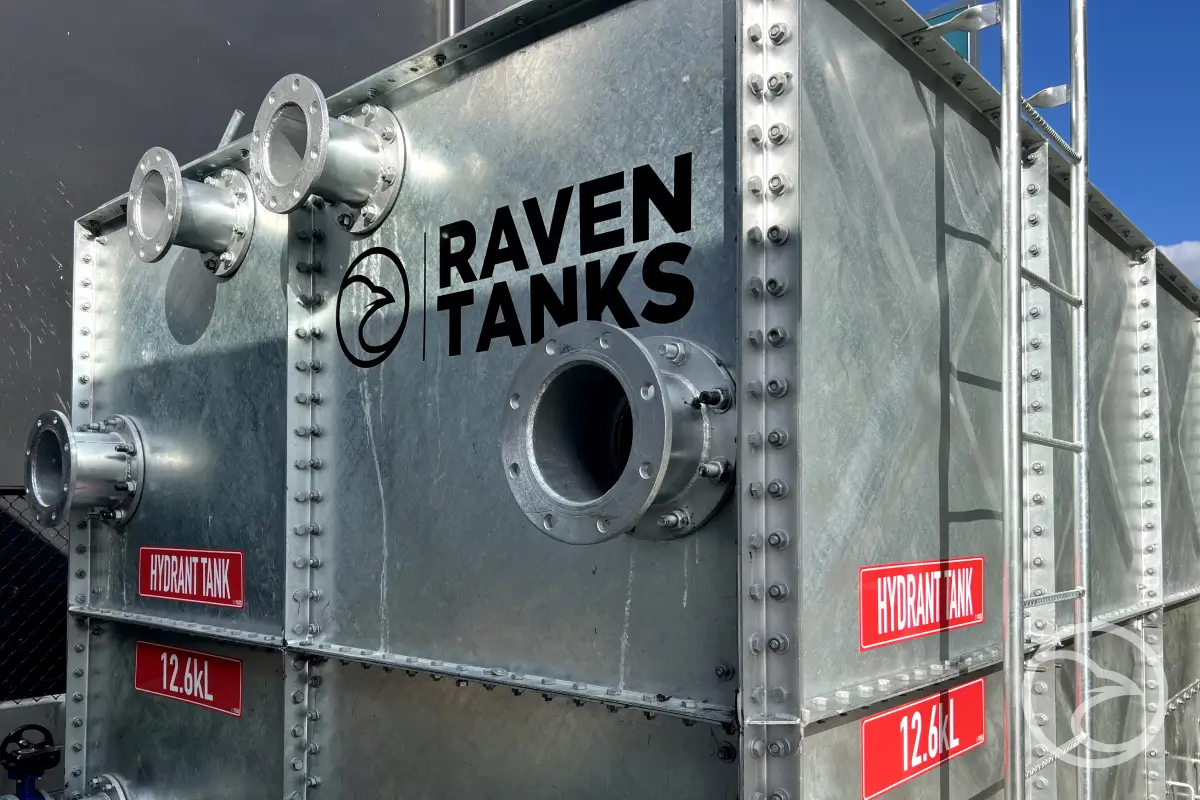
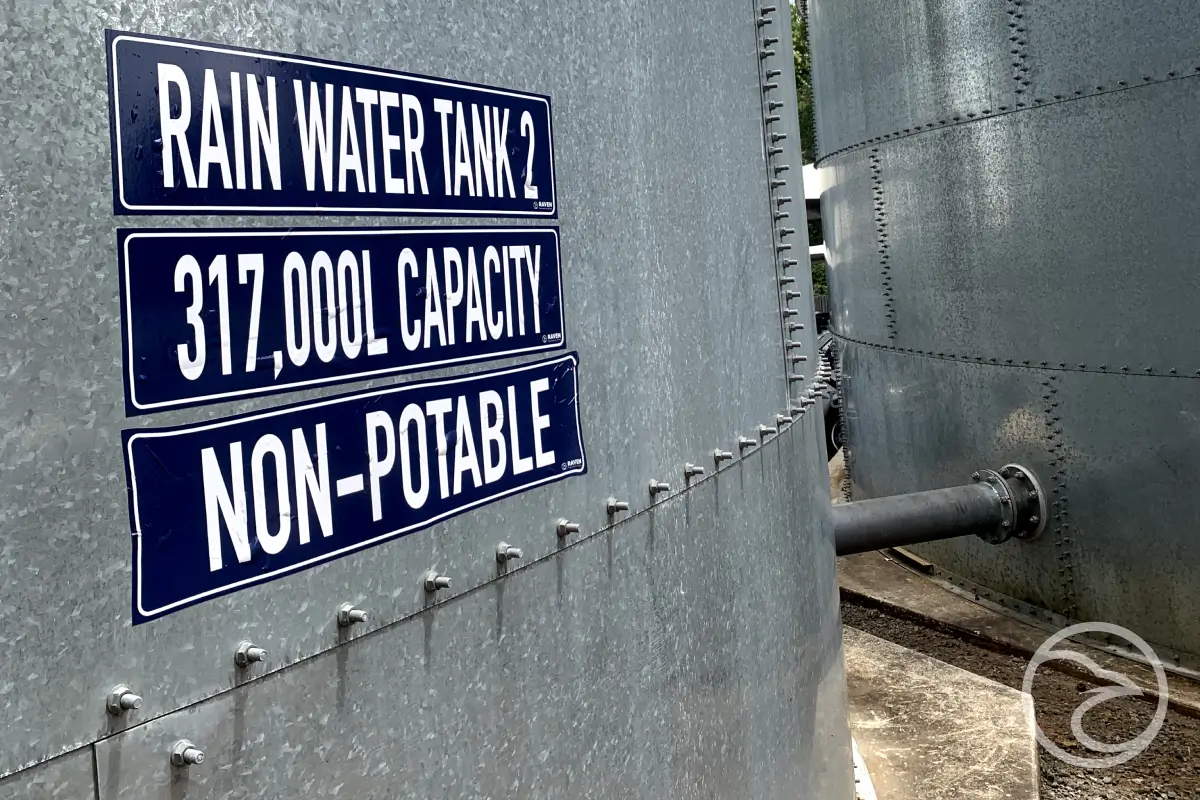
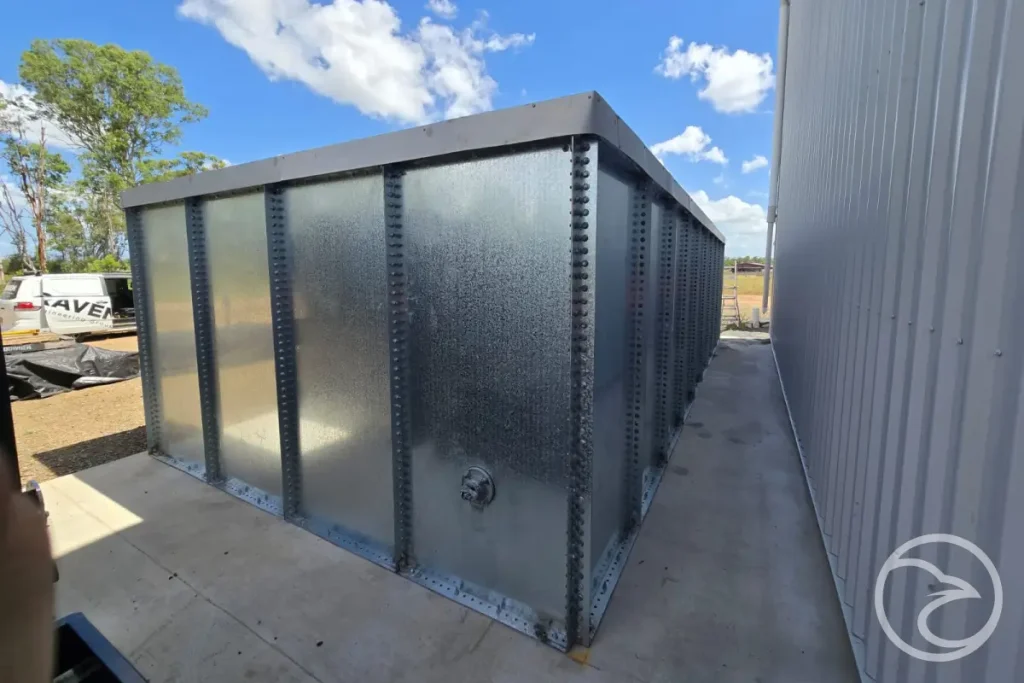
One of the most important design features is the modular panel structure. Industrial water panel tanks consist of individual panels assembled on-site. This configuration allows flexible sizing and simplified transportation.
Facilities can increase storage capacity by adding additional panels when operational needs change. Modular construction also supports installation in restricted access locations where large preassembled tanks may not fit.
This flexibility makes panel tanks suitable for:
- industrial facilities
- manufacturing plants
- fire protection systems
- agricultural operations
Many businesses reviewing system applications also explore uses of industrial water panel tanks for reliable water storage to better understand industry-specific storage requirements.
Durable Material Options
Material selection significantly affects tank performance and lifespan.
Manufacturers commonly use:
- galvanized steel
- stainless steel
- glass reinforced plastic (GRP)
Each material provides different advantages depending on the operating environment. Galvanized steel offers strong structural performance and corrosion resistance. Stainless steel performs well in aggressive or high-moisture environments. GRP panels provide lightweight construction and resistance to chemical exposure.
Choosing the correct material helps reduce maintenance costs and improve long-term durability.
Corrosion Resistance Features
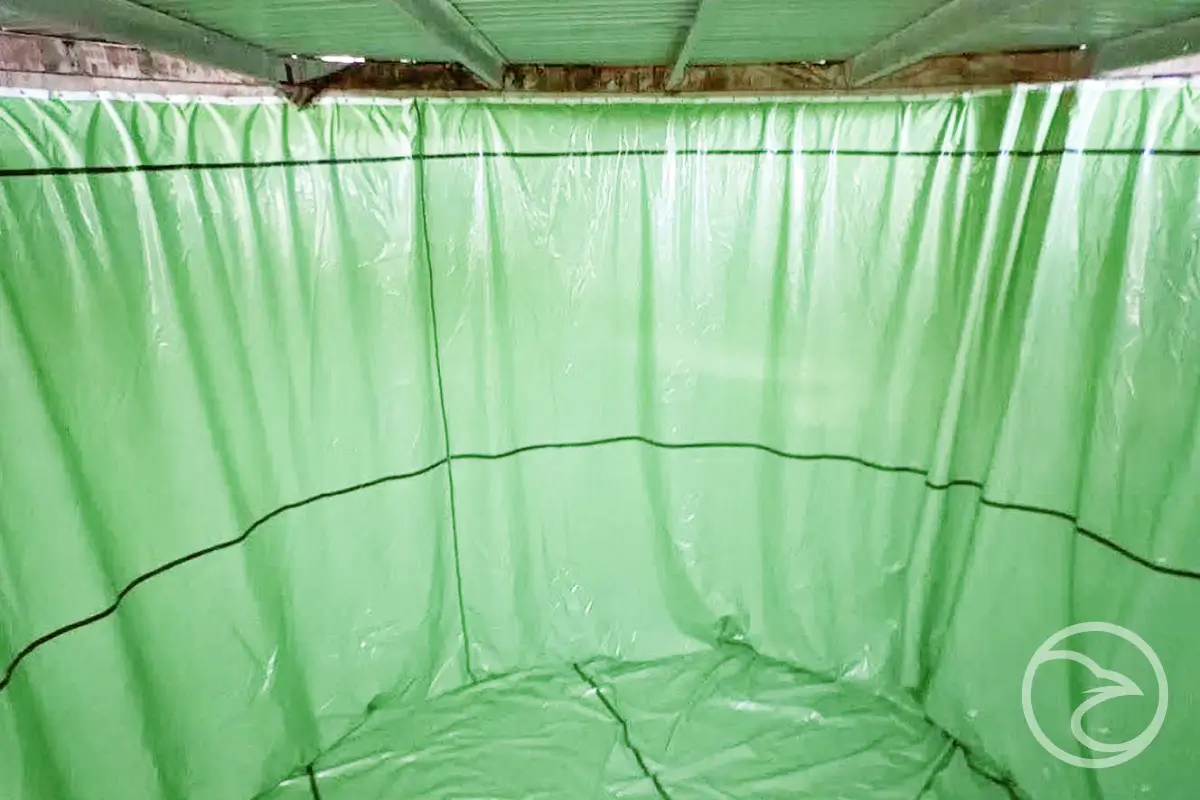
Industrial water tanks constantly face moisture exposure. Without proper protection, corrosion can weaken structural integrity over time. Modern panel tanks include corrosion-resistant coatings and protective linings.
Some systems use specialized internal coatings to reduce:
- rust formation
- microbial growth
- moisture damage
Corrosion-resistant materials improve operational reliability and reduce repair frequency. Facilities operating in harsh environments often prioritize tanks with enhanced protective systems.
Reinforced Structural Support
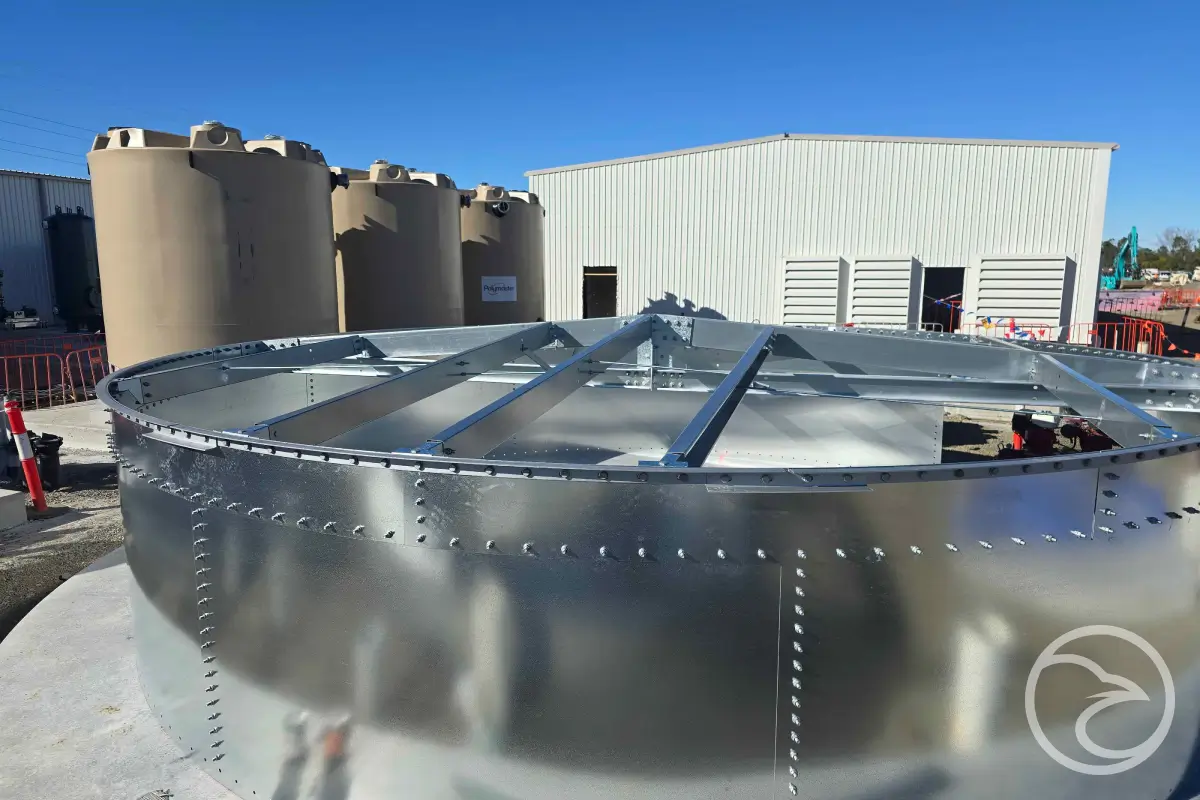
Large industrial water tanks require strong structural reinforcement. Panel tanks use internal and external support systems to maintain stability under high water pressure.
Reinforcement components may include:
- steel braces
- support beams
- tie rods
- base strengthening systems
Proper structural support prevents deformation and improves long-term performance.
Engineers design reinforcement systems based on:
- tank size
- water capacity
- environmental conditions
- installation location
Strong support structures help tanks withstand demanding industrial conditions.
Leak Prevention Design
Preventing water leakage remains a critical design priority. Industrial panel tanks use sealed joints and precision panel connections to reduce leak risks.
High-quality sealing materials improve watertight performance and reduce structural stress. Routine inspections help ensure connection points remain secure over time.
Facilities focused on long-term system performance often review how routine maintenance supports long-term performance of industrial water storage to improve preventive maintenance planning and identify potential issues early.
Flexible Capacity Configurations
Industrial operations require different storage capacities depending on system demand. Panel tank systems support highly customizable storage configurations.
Facilities can design tanks based on:
- available space
- operational demand
- future expansion plans
- water usage requirements
This flexibility makes panel tanks suitable for both small and large-scale applications. Expandable systems also reduce future replacement costs.
Easy Transportation and Installation
Transportation challenges often affect industrial tank projects. Large preassembled tanks may be difficult to deliver to remote or confined locations. Panel tanks solve this issue through sectional delivery and on-site assembly.
Smaller components simplify:
- transportation
- handling
- installation logistics
Installation teams can assemble tanks efficiently without major structural modifications. This design feature reduces project complexity and installation downtime.
Roof and Covering Systems
Roof systems protect stored water from contamination and environmental exposure.
Industrial water panel tanks may include:
- insulated roofs
- weather-resistant covers
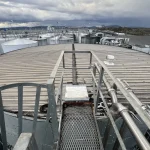
- access hatches
- ventilation systems
These features improve water quality and reduce debris accumulation inside the tank. Proper roof design also helps control temperature fluctuations and moisture conditions.
Maintenance Accessibility
Tank accessibility plays an important role in long-term maintenance.
Well-designed panel tanks include access points for:
- inspections
- cleaning
- repairs
- water quality monitoring
Maintenance-friendly designs reduce service time and improve operational efficiency. Accessible systems also support compliance with industrial maintenance standards.
Thermal and Environmental Protection
Some industrial facilities require additional environmental protection features. Insulated panel systems help maintain stable water temperatures in extreme climates.
Weather-resistant coatings protect external surfaces from:
- UV exposure
- moisture
- temperature changes
- environmental contamination
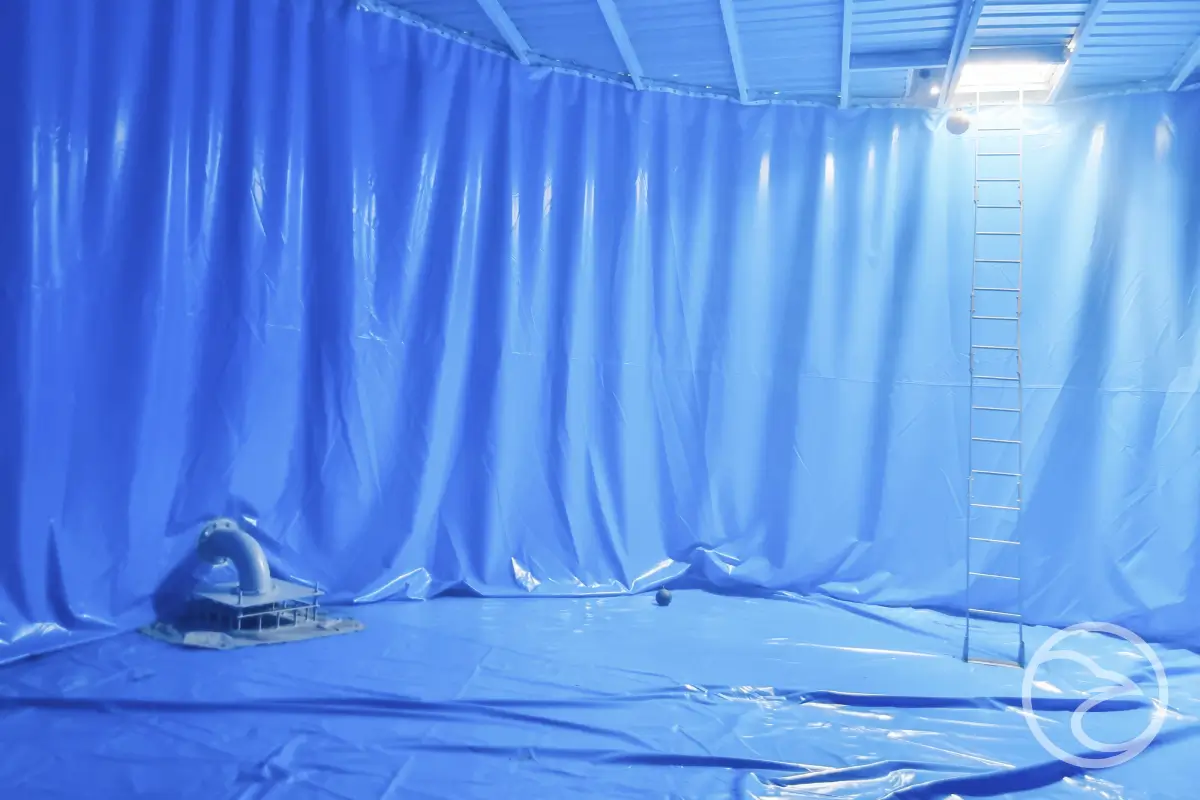
Environmental protection improves liner performance and extends tank lifespan.
Why Design Quality Matters
Tank design directly affects operational reliability and long-term ownership costs.
Poorly designed systems may experience:
- structural stress
- leaks
- corrosion
- maintenance problems
High-quality panel tank design improves:
- durability
- water quality
- maintenance efficiency
- expansion flexibility
Businesses should evaluate both current operational needs and future growth plans before selecting a tank system.
Final Thoughts
Industrial water panel tanks offer durable and flexible storage solutions for commercial and industrial facilities. Their modular construction, corrosion resistance, reinforced support systems, and scalable configurations make them highly adaptable for many applications.
Understanding the key features of industrial water panel tank design helps businesses choose systems that improve efficiency, reduce maintenance risks, and support long-term operational performance.