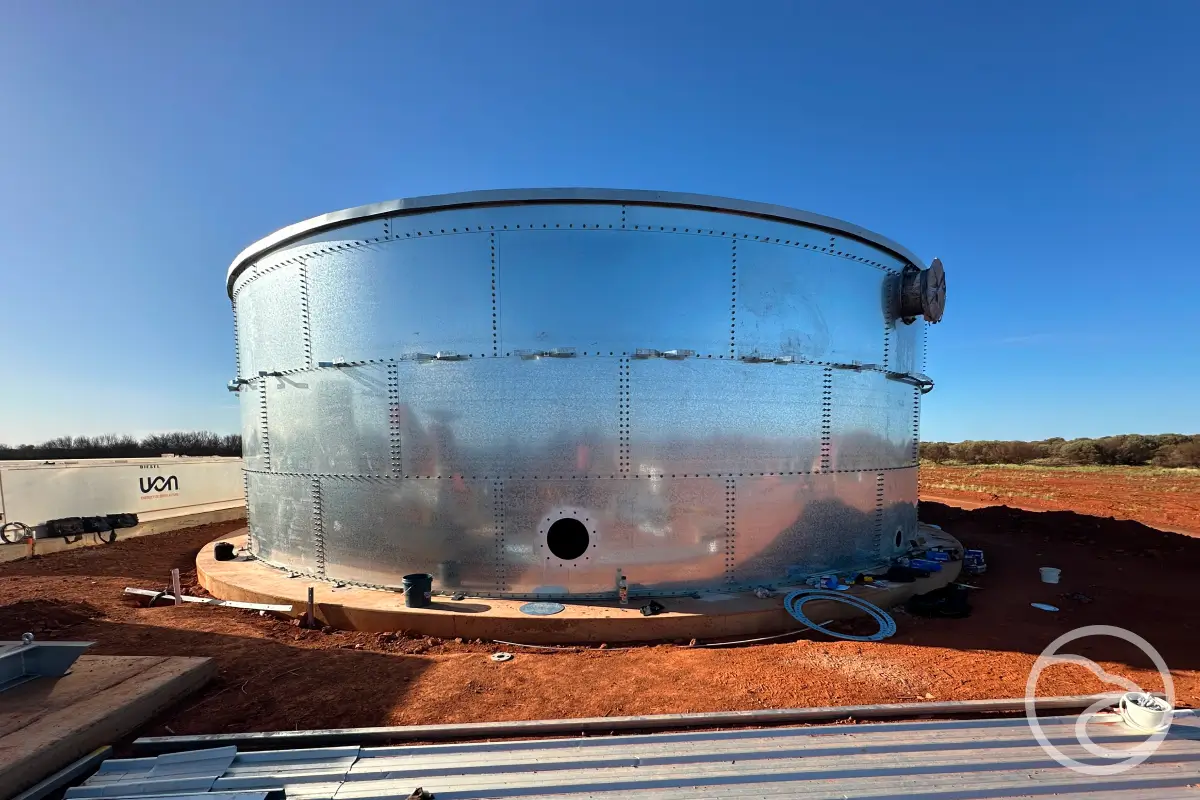
Fire water tanks play a critical role in fire protection systems by ensuring a reliable water supply during emergency situations. While these systems are often discussed in the context of inspections or servicing, regulatory requirements extend far beyond individual activities. Understanding fire water tank regulatory requirements is essential for long-term compliance, effective planning, and system readiness.
Understanding Fire Water Tank Regulatory Requirements
Fire water tank regulatory requirements define the minimum standards that fire water storage systems must meet to support fire protection objectives. These requirements are typically established to ensure that sufficient water volume, structural integrity, and system reliability are maintained throughout the life of the tank.
Rather than focusing on how compliance is verified, regulatory requirements describe what must be achieved in terms of performance, safety, and readiness. This distinction is important, as it allows facility owners and asset managers to plan proactively instead of reacting only when formal reviews occur.
Regulatory Frameworks and Fire Protection Objectives
Fire water tank regulations are designed to align water storage systems with broader fire protection goals. These goals usually include ensuring immediate water availability, maintaining system integrity under emergency conditions, and minimizing the risk of failure when the system is most needed.
Although regulatory frameworks vary by region and application, they generally address similar principles. These include minimum capacity expectations, structural stability, material suitability, and integration with fire protection infrastructure. Understanding these principles helps organizations interpret requirements within their specific operational context.
Capacity, Availability, and System Readiness
One of the most fundamental regulatory considerations for fire water tanks is capacity. Fire water storage systems must be capable of supplying adequate water volume for fire suppression activities without interruption. Regulatory requirements often specify capacity expectations based on site risk profiles and system design assumptions.
Availability is equally important. A compliant fire water tank is not only sized correctly but also maintained in a condition that allows immediate use. Planning for availability involves understanding how water storage, tank configuration, and system interfaces contribute to overall readiness.
Structural and Material Considerations
Regulatory requirements also extend to the physical condition of fire water tanks. Structural integrity is essential to ensure that the tank can safely contain water under both normal and emergency conditions. Materials used in fire water tanks must be appropriate for long-term exposure to stored water and environmental influences.
Over time, factors such as corrosion, material degradation, and environmental exposure can affect structural performance. Regulatory requirements are intended to ensure that these risks are managed through proper design, material selection, and ongoing evaluation within an asset management framework.
Documentation and Compliance Planning
Compliance with fire water tank regulatory requirements is supported by effective documentation and planning. Regulatory expectations often include maintaining records related to tank design, capacity assumptions, and system configuration. These records help demonstrate that fire water storage systems have been planned and managed in line with regulatory intent.
From a planning perspective, regulatory requirements should be integrated into broader fire protection and asset management strategies. This approach ensures that compliance is considered during system upgrades, site changes, or operational adjustments, rather than treated as a standalone obligation.
In practice, regulatory compliance is often supported through formal fire water system reviews, which help confirm that fire water storage systems align with applicable regulatory expectations.
Regulatory Requirements as Part of Risk Management
Fire water tank regulatory requirements play a key role in risk management. By defining minimum performance expectations, regulations help reduce the likelihood of system failure during critical events. Understanding regulatory intent allows organizations to assess potential gaps and address them before they become safety concerns.
Risk-based planning benefits from viewing regulatory requirements as guidance for long-term reliability rather than as constraints. This perspective encourages proactive decision-making and supports continuous improvement in fire water storage system performance.
Integrating Regulatory Requirements into Asset Lifecycles
Fire water tanks are long-term assets, and regulatory requirements apply throughout their lifecycle. From initial planning and installation through operation and eventual upgrades, compliance considerations should evolve alongside the system.
Integrating regulatory requirements into lifecycle planning helps organizations anticipate future needs and align system performance with changing operational or regulatory expectations. This approach supports consistency, reduces uncertainty, and promotes sustainable fire protection infrastructure management.
Supporting Long-Term Compliance and Reliability
Meeting fire water tank regulatory requirements is not a one-time effort. It involves ongoing awareness, planning, and alignment with fire protection objectives. By understanding regulatory expectations and embedding them into asset management practices, organizations can support both compliance and long-term system reliability.
As fire protection requirements continue to evolve, a clear understanding of regulatory principles ensures that fire water tanks remain effective, compliant, and ready to perform their critical role when needed most.