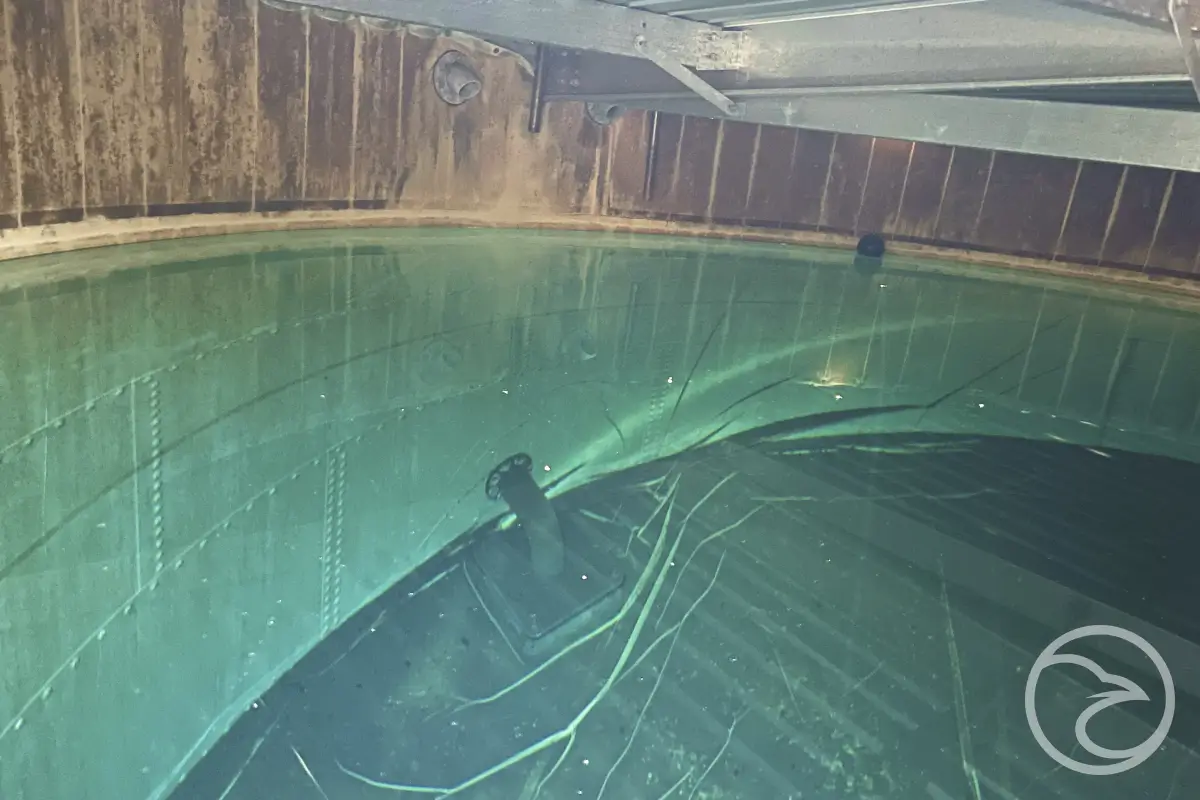
Water storage tanks are often treated as passive components within larger systems. However, what happens inside a tank over time can significantly influence how the entire system performs. Internal tank conditions evolve gradually, and their long-term impact is often underestimated until performance changes become noticeable.
Understanding how internal tank conditions affect system behavior helps explain why performance may shift even when external operating parameters remain unchanged.
What is Meant by Internal Tank Conditions
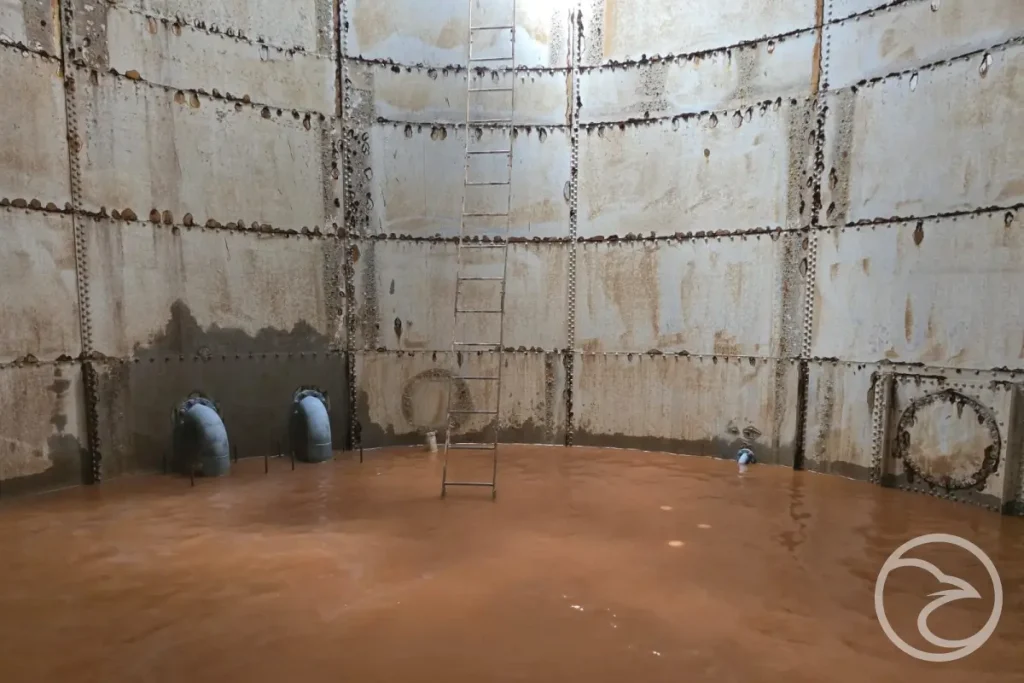
Internal tank conditions refer to the physical and environmental state inside a tank. This includes surface condition, internal deposits, accumulated materials, and the overall internal environment created by stored water over time. These factors interact continuously and shape how the system behaves during normal operation.
Unlike isolated issues, internal conditions develop as a combination of small, gradual changes rather than a single event. Because these changes occur slowly, their influence on performance is often overlooked.
Gradual Changes and Accumulated Effects
One of the defining characteristics of internal tank conditions is their cumulative nature. Minor internal changes may appear insignificant on their own, but over extended periods, they combine to create measurable effects.
As internal surfaces change, flow behavior within the tank can shift. Areas of reduced circulation or uneven internal interaction may develop, influencing how water moves through the system. These subtle changes can alter system response patterns without any visible external indicators.
Influence on System Stability
System stability relies on predictable internal behavior. When internal tank conditions remain consistent, performance tends to be steady and repeatable. As internal conditions change, variability may increase.
This variability can affect how systems respond to demand fluctuations or environmental influences. Even when capacity and external inputs remain the same, internal changes can introduce small inconsistencies that compound over time, making performance less predictable.
Impact on Hydraulic Behavior
Internal tank conditions play a role in shaping hydraulic behavior. Changes inside the tank can influence circulation paths, pressure distribution, and water movement patterns. Over time, these shifts may affect how efficiently water enters and exits the system.
When hydraulic behavior becomes less uniform, the system may require more frequent adjustments to maintain desired performance levels. This does not indicate a failure, but rather a gradual departure from optimal operating conditions.
Structural Interaction Over Time
While internal conditions are often discussed separately from structural considerations, the two are closely linked. Accumulated internal materials can alter load distribution within the tank, particularly at the base. These changes influence how internal forces interact with the structure.
Over long periods, even minor variations in internal loading can affect how the system responds to pressure and movement. Understanding this interaction helps explain why system behavior may change without obvious external damage.
Long-Term Performance Consistency
Performance consistency is a key indicator of system health. Systems influenced by changing internal tank conditions often show increased variability over time. Output may fluctuate slightly, and responses to normal operating changes may become less uniform.
These shifts are rarely abrupt. Instead, they reflect the long-term influence of evolving internal conditions. Recognizing this pattern allows operators to better understand performance trends rather than reacting only to isolated changes.
Why Time is a Critical Factor
Time amplifies the influence of tank conditions. The longer a system operates, the more opportunity internal factors have to interact and compound. This is why two systems with similar designs and capacities may perform differently after years of operation.
By viewing internal tank conditions as a long-term performance driver rather than a short-term issue, organizations gain a clearer understanding of why system behavior evolves over time.
Understanding System Performance Beyond Design
System design sets initial expectations, but internal tank conditions shape real-world performance. Over time, internal factors influence stability, predictability, and operational behavior in ways that design alone cannot fully account for.
Recognizing the role of internal tank conditions provides valuable insight into long-term system performance and helps explain why performance outcomes change gradually rather than suddenly.