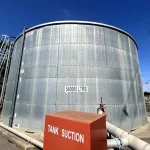
Remote monitoring has become an essential component of modern industrial water management. With increasing demands on reliability, safety, and operational efficiency, facilities need real-time visibility into how their storage systems perform. Whether a site relies on steel tanks, concrete structures, GRP units, or modular panel tanks, remote monitoring offers significant advantages for performance, risk reduction, and long-term planning.
This article explains the key role of remote monitoring water storage systems, how they work, and why industrial operators increasingly rely on them.
Understanding Remote Monitoring in Industrial Water Storage
Remote monitoring involves using sensors, data loggers, and communication technology to collect information from water storage tanks and deliver it to operators in real time. These systems can track essential parameters, such as:
- water level
- flow rate
- pressure
- temperature
- structural conditions
- unusual or unexpected changes
By integrating monitoring technology, industrial facilities gain a clear overview of how their water storage systems behave throughout the day.
Improved Operational Efficiency
One of the main benefits of remote monitoring is improved efficiency across industrial sites. Operators can quickly detect:
- irregular fill and draw patterns
- unnecessary water loss
- equipment strain
- stagnant water conditions
- flow disruptions
Real-time insights allow facilities to adjust their operations before small issues become costly problems. This is especially important for facilities with high water demand or multiple tanks working in sequence.
Early Detection of System Issues
Traditional water storage systems depend on scheduled physical inspections—which remain essential—but remote monitoring adds an additional layer of protection. With continuous data, engineers can identify:
- early leak formation
- declining water quality indicators
- increasing temperatures linked to bacterial activity
- pressure abnormalities
- potential structural stress
This early detection allows for timely intervention and reduces the risk of system downtime or unexpected failures.
Enhanced Water Quality Control
Water quality is a major concern for industrial facilities, and remote monitoring supports better oversight by tracking:
- temperature fluctuations
- potential contamination indicators
- stagnant or low-movement zones
- internal environmental changes
These insights help operators maintain safe and stable water conditions, especially in large-capacity tanks used for process water or fire protection.
Better Resource and Cost Management
Remote monitoring also contributes to more efficient use of resources. With accurate tracking, facilities can:
- reduce unnecessary refilling cycles
- optimise pump usage
- minimise site visits
- schedule maintenance based on actual conditions rather than fixed intervals
This data-driven approach reduces operational costs and extends the lifespan of both storage tanks and supporting equipment.
Supporting Compliance and Safety Requirements
Industrial water systems must meet safety, compliance, and reporting requirements. Remote monitoring supports these obligations by providing:
- reliable historical data
- transparent logs of system performance
- evidence of proper operation
- early warnings linked to safety thresholds
This is especially important for facilities where water supply is tied to fire safety preparedness or critical industrial processes.
Integration with Inspections and Physical Assessments
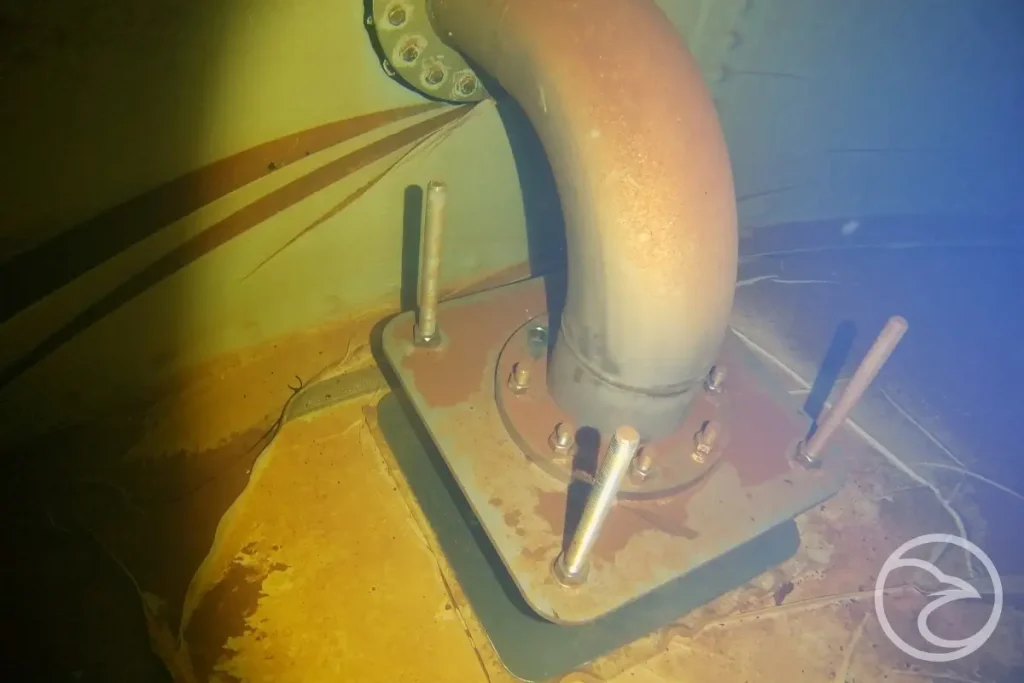
While remote systems can monitor many conditions continuously, physical assessments remain a necessary component of long-term reliability. This connection is often reflected in resources related to inspection procedures, where remote data helps guide priorities and confirm performance trends.
Routine assessments of structural integrity and operational conditions often rely on advanced methods supported by specialised remote monitoring and dedicated inspection practices.
Conclusion
Remote monitoring plays a vital role in supporting safe, efficient, and reliable industrial water storage. By providing continuous access to real-time data, these systems allow operators to identify issues early, maintain water quality, optimise resource use, and support compliance requirements. Regardless of the tank type or application, integrating monitoring technology strengthens system resilience and enhances operational decision-making.