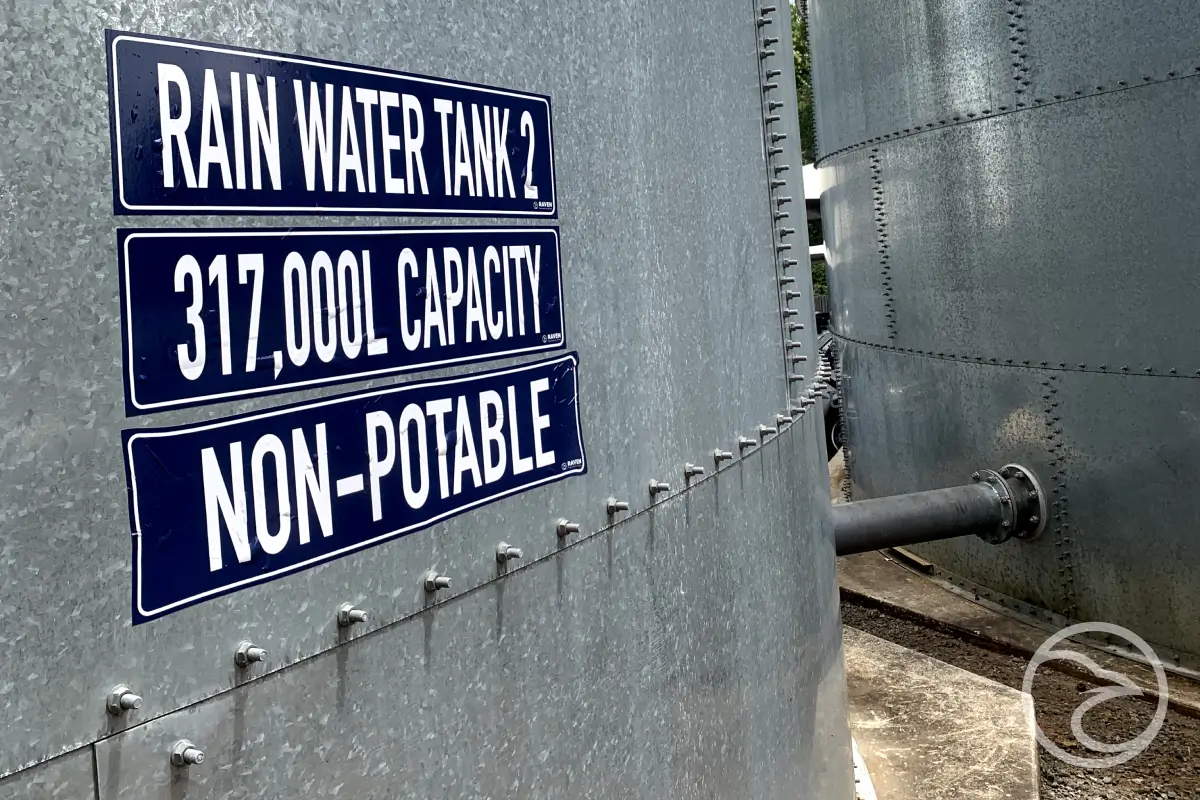
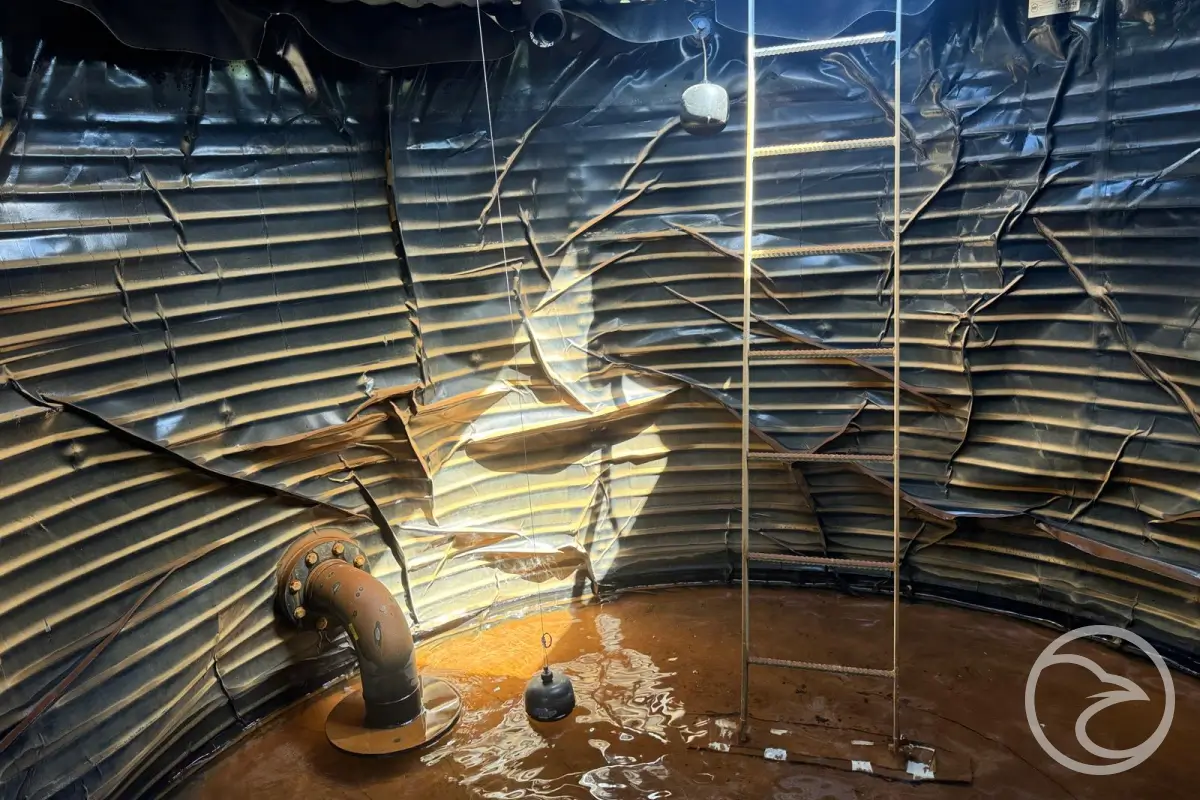
Sediment buildup is one of the most common and underestimated challenges in industrial water storage systems. Whether the storage facility is used for process water, fire protection, cooling operations, or wastewater management, accumulated sediment can significantly affect both system efficiency and water quality. Understanding how sediment forms, how it behaves inside storage structures, and how it influences chemical and operational stability is essential for maintaining safe and reliable industrial systems.
As facilities continue to prioritise water quality and operational resilience, learning how sediment impact water qualitysupports proactive maintenance planning and improved system performance.
1. What Causes Sediment to Accumulate in Water Storage Systems?
Sediment forms as tiny particles suspended in water gradually settle at the bottom of a tank or reservoir.
These particles may originate from:
- natural minerals and fine soils in source water
- corrosion of internal tank components
- organic matter such as algae or biological debris
- chemical residues from treatment processes
- scaling caused by hardness or temperature fluctuations
- pipe deterioration or external contamination
Over time, sediment becomes denser and harder to remove. In systems without regular cleaning or circulation, the buildup can become a long-term structural and water quality concern.
2. How Sediment Affects Water Quality in Industrial Systems
The quality of industrial water determines how effectively it can be used in processing, cooling, fire protection, or equipment operations. Sediment affects water quality in several key ways:
Reduced Clarity and Contamination
Sediment increases turbidity, or cloudiness, making water unsuitable for processes requiring clarity or consistency. Cloudy water can also mask the presence of more harmful contaminants.
Microbial Growth
Trapped sediment provides an ideal environment for bacteria and microorganisms. Once microbial colonies form, they may release harmful byproducts, contribute to odours, or create biofilm layers that spread through the system.
Chemical Instability
Sediment often interacts with chemical additives such as chlorine or corrosion inhibitors. This can reduce treatment effectiveness and alter water chemistry, making the system harder to control.
Heat Transfer Problems
In cooling systems, sediment acts as an insulator, reducing heat exchange efficiency and increasing energy consumption.
Metal Corrosion
Some sediment contains corrosive minerals or organic acids, speeding up deterioration of tank walls, fittings, and piping.
In all cases, sediment buildup directly affects how sediment impact water quality influences operational stability and long-term performance.
3. Operational Risks Linked to Sediment Buildup
Beyond water quality concerns, sediment creates physical and operational risks inside industrial storage systems.
Blocked Outlets and Reduced Flow
Sediment can clog outlets, reduce pump efficiency, or change flow patterns within a tank—leading to uneven filling and draining cycles.
Damage to Pumps and Equipment
Abrasion caused by suspended particles can damage pump impellers, valves, and filters.
Foundation Stress
For large tanks, excessive sediment creates uneven loading at the base. This may contribute to localized structural stress or long-term deformation.
Temperature Stratification
Sediment layers can interfere with natural water circulation, creating hot and cold zones that affect process consistency.
Reduced Fire System Readiness
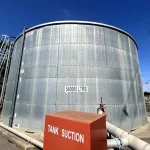
In fire tanks, sediment may settle around suction points, slowing response times or obstructing fire pumps during emergencies.
Each of these risks reinforces why sediment management is critical for maintaining industrial water storage reliability.
4. Factors That Influence Sediment Accumulation Rates
Not all tanks accumulate sediment at the same rate. Several factors contribute to how quickly sediment forms:
- water source quality
- frequency of turnover and circulation
- tank material and internal coatings
- temperature and environmental exposure
- presence or absence of filtration
- design of inlet and outlet placement
Facilities with irregular maintenance schedules or high particulate water sources typically experience more severe buildup.

5. Monitoring Sediment Levels in Industrial Storage Tanks
Monitoring sediment allows facilities to catch water quality deterioration before it impacts operations. Common approaches include:
Visual Inspections
Confined space entry (when safe) or remote camera inspections help assess the thickness and distribution of sediment layers.
Sediment Profiling
Measurements taken at different points help determine how sediment settles and how often removal is required.
Water Quality Testing
Turbidity, pH levels, and biological activity all indicate how sediment is influencing water behaviour.
Flow and Pressure Analysis
Changes in pump performance or pressure levels reveal sediment-related blockages or inefficiencies.
Routine monitoring ensures that early warning signs are detected long before significant operational impacts occur.
6. Reducing Sediment Buildup Through System Design and Maintenance
Prevention is more effective than reactive sediment removal. Key strategies include:
- Effective Filtration: Installing filtration at water inlets significantly reduces particulate entry.
- Circulation and Mixing Systems: Keeping water in motion prevents particles from settling as quickly.
- Regular Cleaning and Desludging: Scheduled sediment removal ensures optimal water quality and structural performance.
- Protective Internal Coatings: Coatings minimise internal corrosion, reducing particulate addition from within the tank.
- Optimised Inlet and Outlet Placement: This helps maintain balanced flow and avoids areas where sediment settles quickly.
Sediment management ultimately supports long-term water quality and operational reliability. Issues connected to sediment accumulation are often related to broader system care practices, which help preserve water quality over time.
Conclusion
Sediment accumulation is an unavoidable aspect of industrial water storage, but its effects can be controlled through informed design, monitoring, and maintenance practices. By understanding how sediment impact water quality shapes system performance, facilities can take proactive steps to protect equipment, maintain chemical balance, and extend the lifespan of storage infrastructure.
Consistent sediment control not only ensures cleaner water but also improves operational resilience in industrial environments.