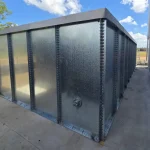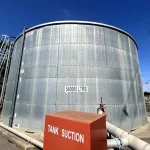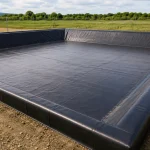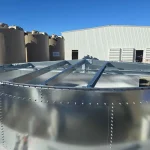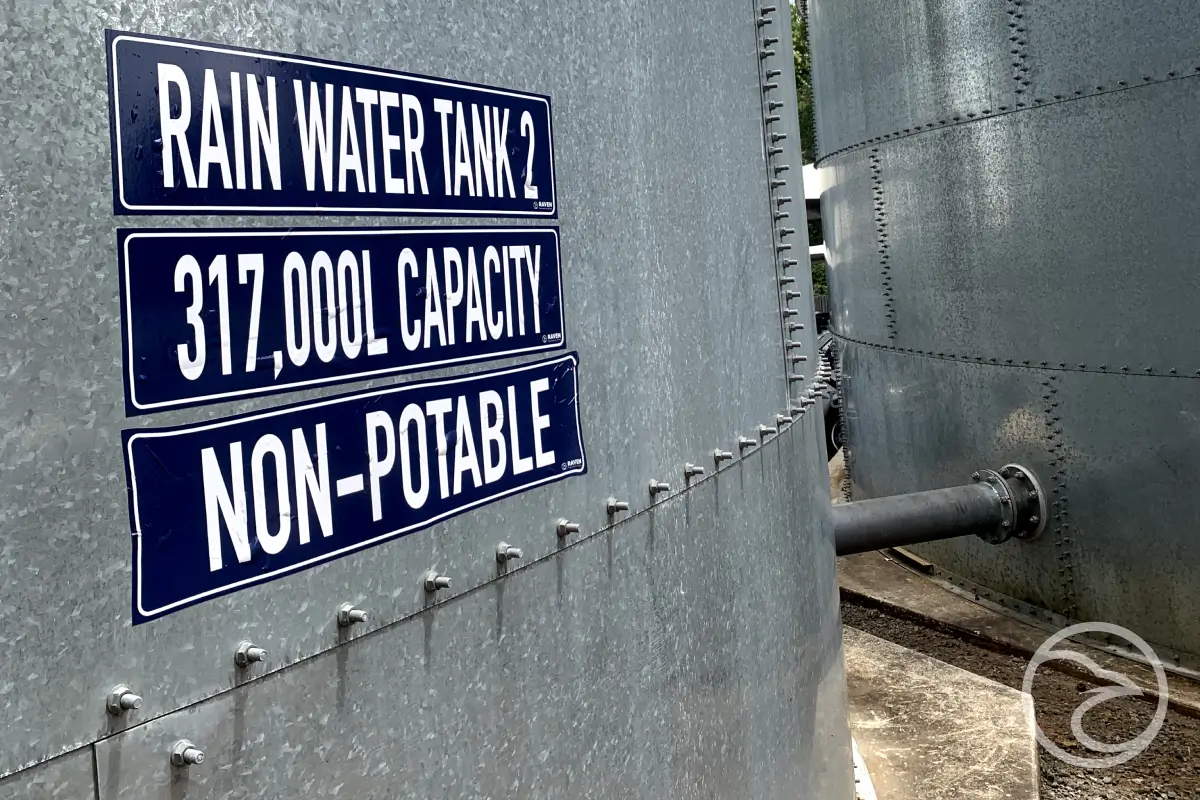
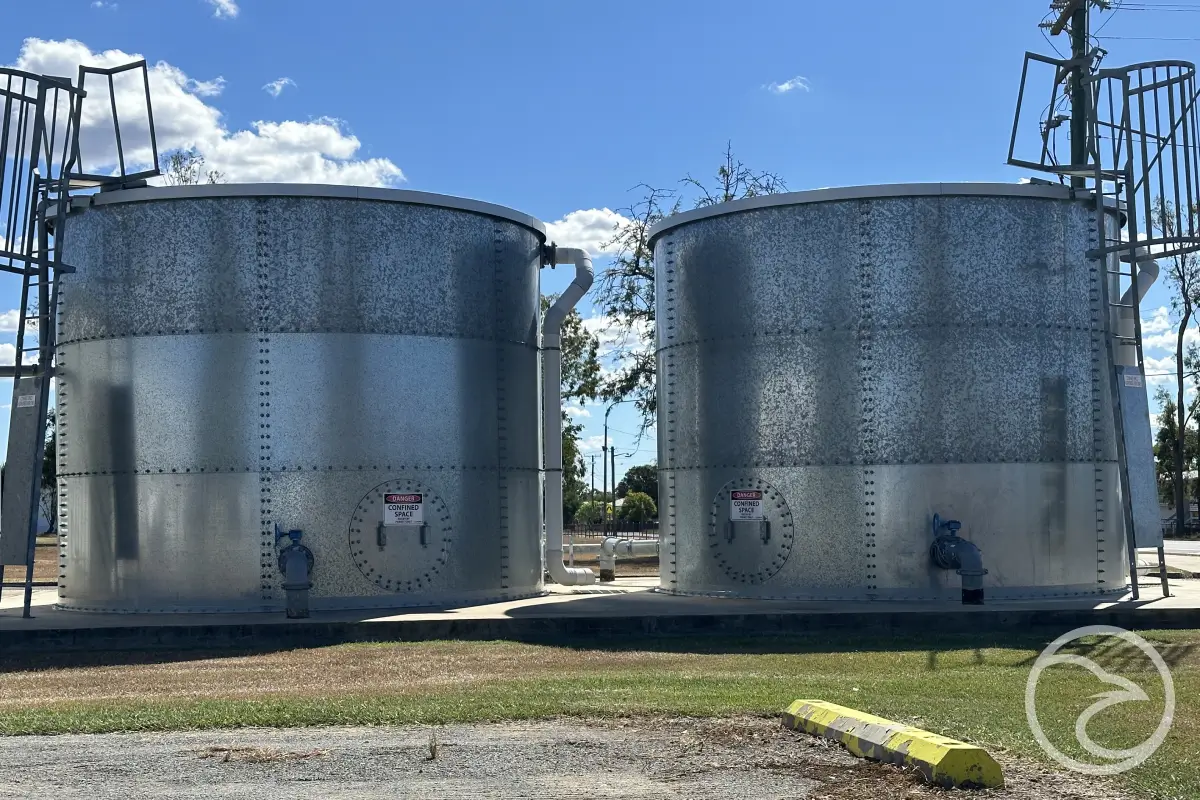
Steel storage tanks are widely used across industrial, commercial, and municipal sectors because of their strength and reliability. However, steel can be vulnerable to corrosion when exposed to water, moisture, and environmental conditions. To protect tanks from rust and structural deterioration, many manufacturers use galvanization as a protective treatment.
Understanding how galvanization improves tank durability helps explain why galvanized tanks are commonly used for long-term water storage and other demanding applications.
What is Galvanization?
Galvanization is a process that involves coating steel with a protective layer of zinc. The most common method used in tank manufacturing is hot-dip galvanizing. During this process, steel components are submerged in molten zinc, allowing the metal to form a durable protective coating.
This zinc layer creates a barrier between the steel surface and the surrounding environment. Because zinc is highly resistant to corrosion, it helps prevent moisture and oxygen from reaching the steel underneath.
As a result, galvanized tanks are able to withstand harsh environmental conditions and remain structurally reliable for many years.
Protection Against Corrosion
Corrosion is one of the primary causes of damage in steel storage tanks. When steel is exposed to water and oxygen, it can begin to oxidize and form rust. Over time, this corrosion can weaken the structure of the tank and lead to leaks or failures.
Galvanization protects steel in several ways:
- Physical barrier protection that isolates the steel from moisture
- Sacrificial protection, where zinc corrodes instead of the steel
- Resistance to environmental exposure, including humidity and weather
- Reduced risk of structural deterioration over time
Because zinc corrodes much more slowly than untreated steel, galvanized tanks maintain their strength and performance for a longer period.
Increased Lifespan of Storage Tanks
Another important benefit of galvanization is the significant increase in tank lifespan. Steel tanks that are not protected against corrosion may require frequent repairs or replacement. In contrast, galvanized tanks are designed to operate for decades with minimal structural degradation.
Several factors contribute to the extended lifespan of galvanized tanks:
- durable zinc coating that resists corrosion
- reduced maintenance requirements
- improved resistance to environmental damage
- long-term structural stability
These advantages make galvanized steel a preferred material for water storage tanks used in demanding environments.
Improved Structural Reliability
Durability is not only about resisting corrosion. Tanks must also maintain their structural integrity while holding large volumes of liquid under pressure. Galvanization helps protect the steel surface from gradual deterioration that could weaken the structure.
When corrosion is prevented, tank walls remain strong and capable of supporting the internal loads placed on the system. This is particularly important in industrial facilities, water infrastructure, and fire protection systems where reliability is critical.
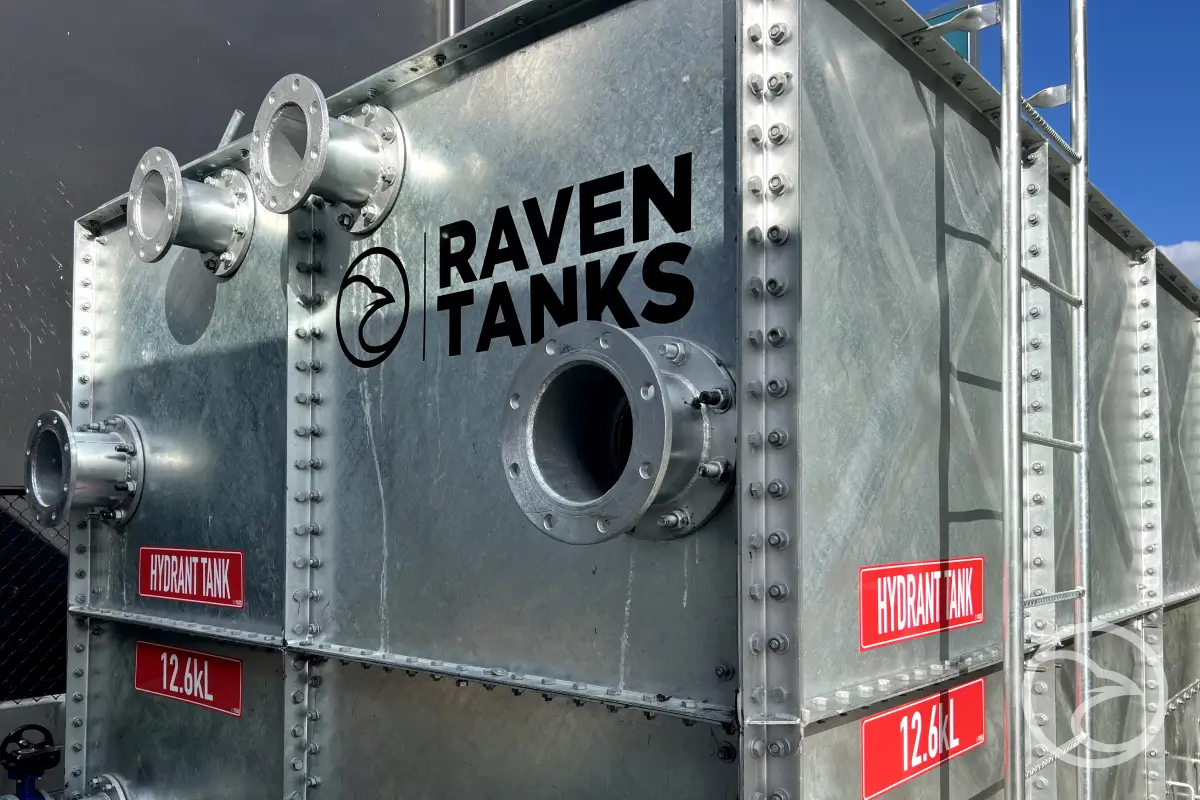
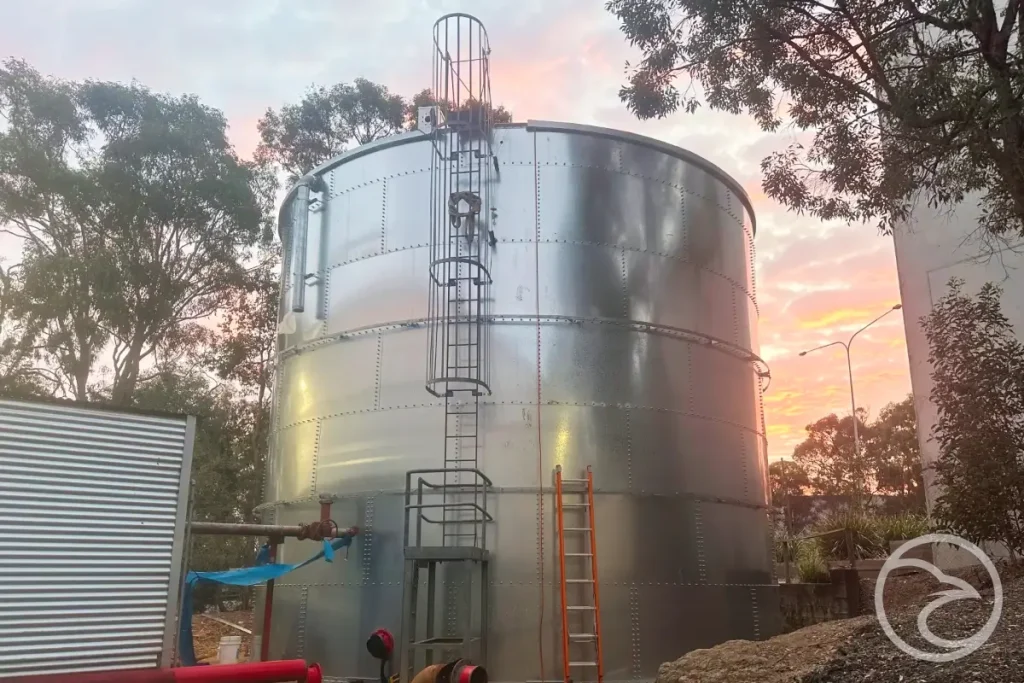
Many facilities rely on HDG tanks because the galvanization process significantly improves resistance to environmental wear and long-term structural damage.
Reduced Maintenance Requirements
Another key advantage of galvanized tanks is the reduced need for ongoing maintenance. Because the protective zinc layer helps prevent rust and corrosion, tanks require fewer repairs compared to untreated steel systems.
While inspections are still necessary to ensure proper operation, galvanized tanks generally require less frequent intervention. This can reduce maintenance costs and help facilities maintain consistent operational performance.
Preventive inspections remain important for detecting sediment buildup, structural stress, or external damage. However, the galvanization process helps ensure that the tank itself remains protected from corrosion.
The durability of steel storage systems often depends on the quality and condition of galvanized tank structures.
Why Galvanization is Widely Used for Storage Tanks
Storage tanks must perform reliably for many years while exposed to water, environmental conditions, and operational stress. Galvanization provides a practical and effective solution for protecting steel from corrosion and structural deterioration.
Understanding how galvanization improves tank durability highlights the importance of protective coatings in modern tank construction. By preventing corrosion, extending lifespan, and improving structural reliability, galvanization helps ensure that storage tanks remain safe and effective for long-term use.