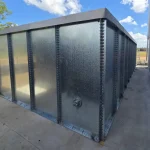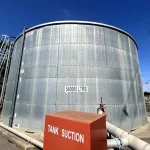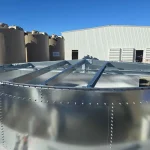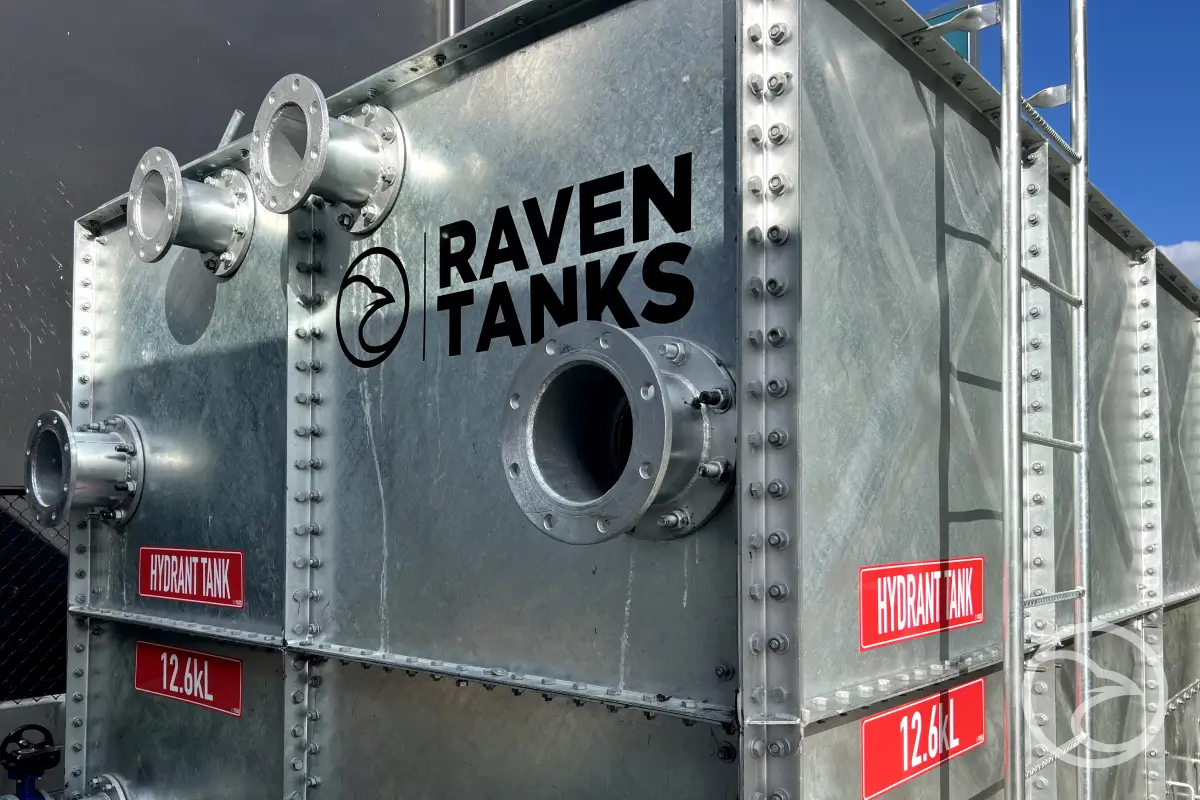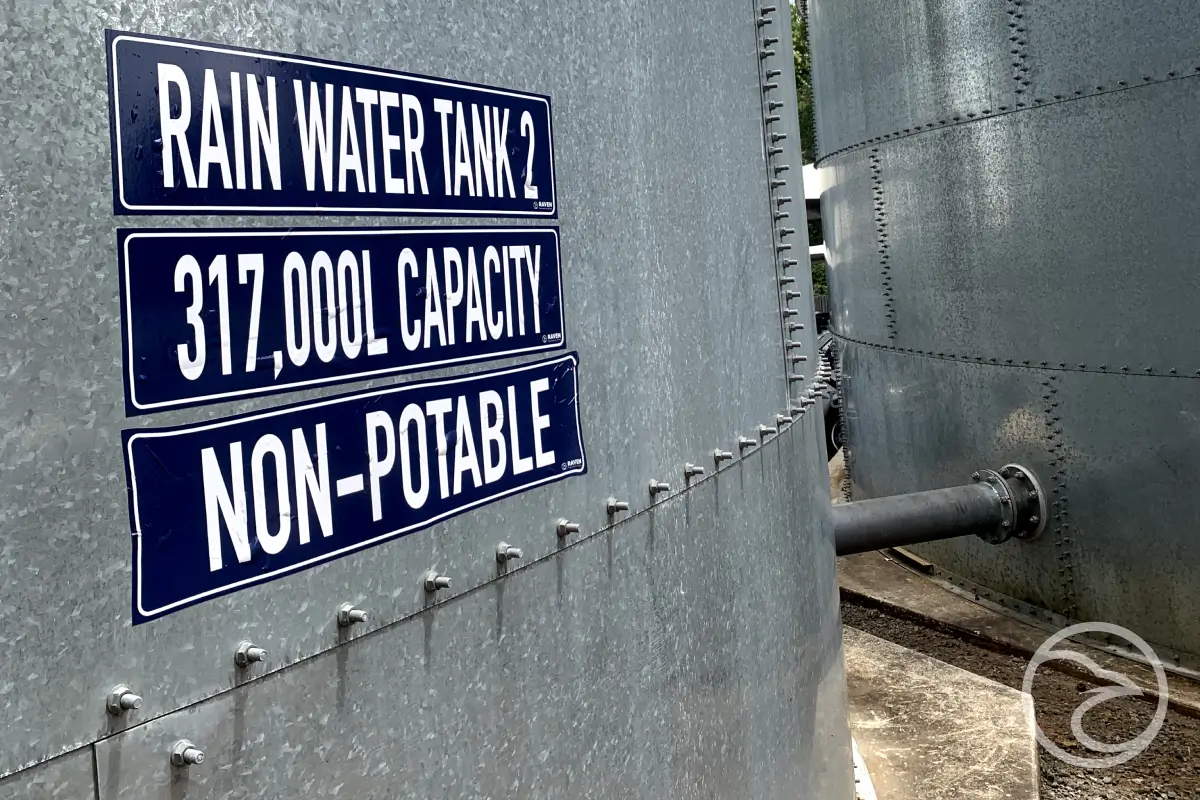
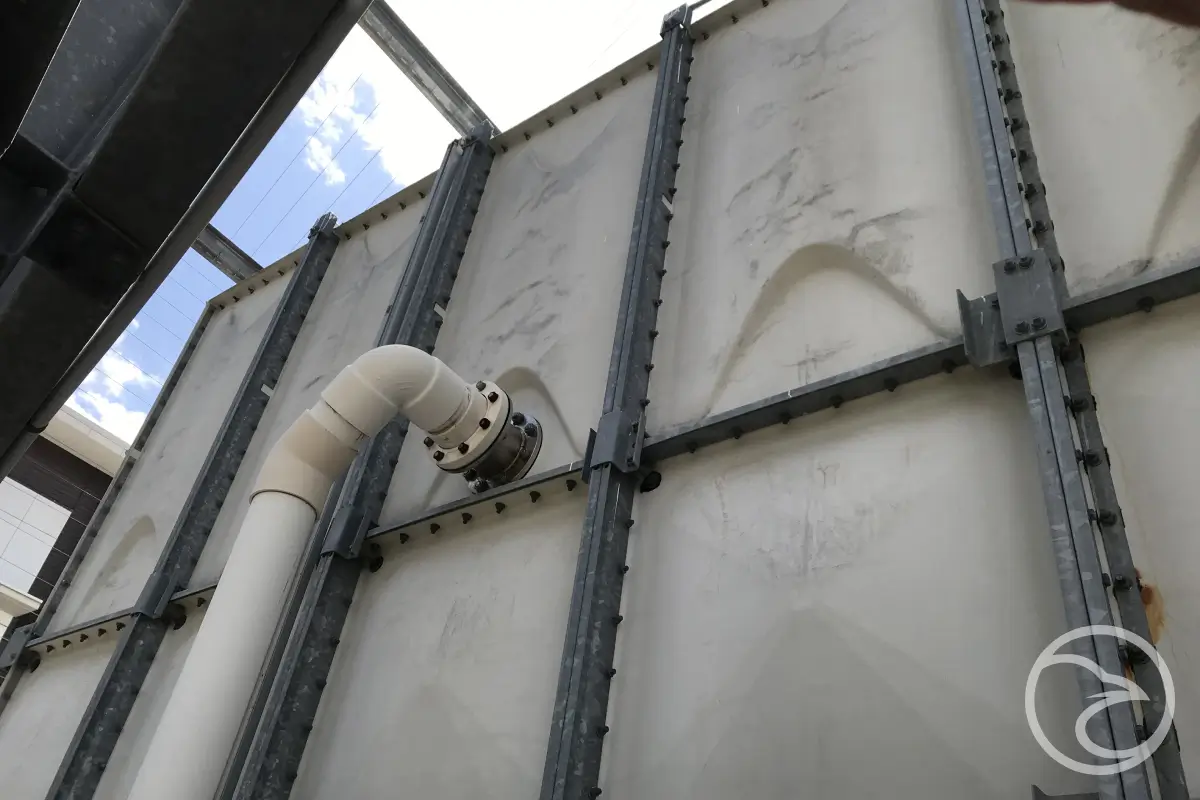
GRP tanks are widely used across commercial and industrial facilities. Their lightweight structure and corrosion resistance make them suitable for long-term water storage applications.
However, even durable tanks can develop problems over time. Environmental exposure, structural stress, and ageing materials may eventually affect performance and contribute to several common signs of GRP tank damage.
Recognising early warning signs can help prevent larger failures and unplanned downtime. Many facilities schedule inspections after noticing visible deterioration linked to fiberglass tank repair concerns.
Why Early Damage Detection Matters
Small defects often become larger structural problems if left unresolved.
Early detection may help reduce:
- Water loss
- Structural weakening
- Contamination risks
- Emergency repair costs
- Operational disruptions
Routine inspections can also improve long-term tank reliability. Some defects remain hidden for extended periods. Others become visible through external changes or performance issues.
Surface Cracks and Fractures
Cracking is one of the most common signs of GRP tank deterioration.
Inspectors may identify:
- Hairline cracks
- Surface fractures
- Stress cracking
- Joint separation
- Corner damage
Cracks can develop from structural movement, ageing materials, or repeated pressure changes. Some cracks remain cosmetic. Others may affect tank integrity and require immediate attention.
Facilities investigating structural defects often review previous reports linked to why do GRP tanks fail?
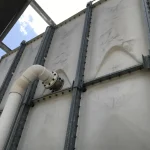
Water Leaks Around Panels or Joints
Leaks often indicate deteriorating seals or weakened structural sections.
Common leak locations include:
- Panel joints
- Pipe penetrations
- Base connections
- Roof seams
- Outlet fittings
Even small leaks may signal underlying structural stress. Persistent moisture around the tank exterior should not be ignored.
Delamination of Fiberglass Surfaces
GRP materials consist of layered fiberglass reinforcement. Over time, these layers may begin separating. This process is known as delamination.
Signs may include:
- Bubbling surfaces
- Peeling layers
- Soft spots
- Uneven wall sections
Delamination can weaken structural strength and reduce long-term durability. Environmental exposure often accelerates this condition.
Discolouration and UV Damage
Sun exposure may gradually affect external tank surfaces.
Common signs include:
- Fading colour
- Surface chalking
- Brittleness
- Resin breakdown
UV-related deterioration usually develops slowly. However, prolonged exposure may eventually contribute to cracking or material fatigue.
Outdoor tanks often require closer visual monitoring.
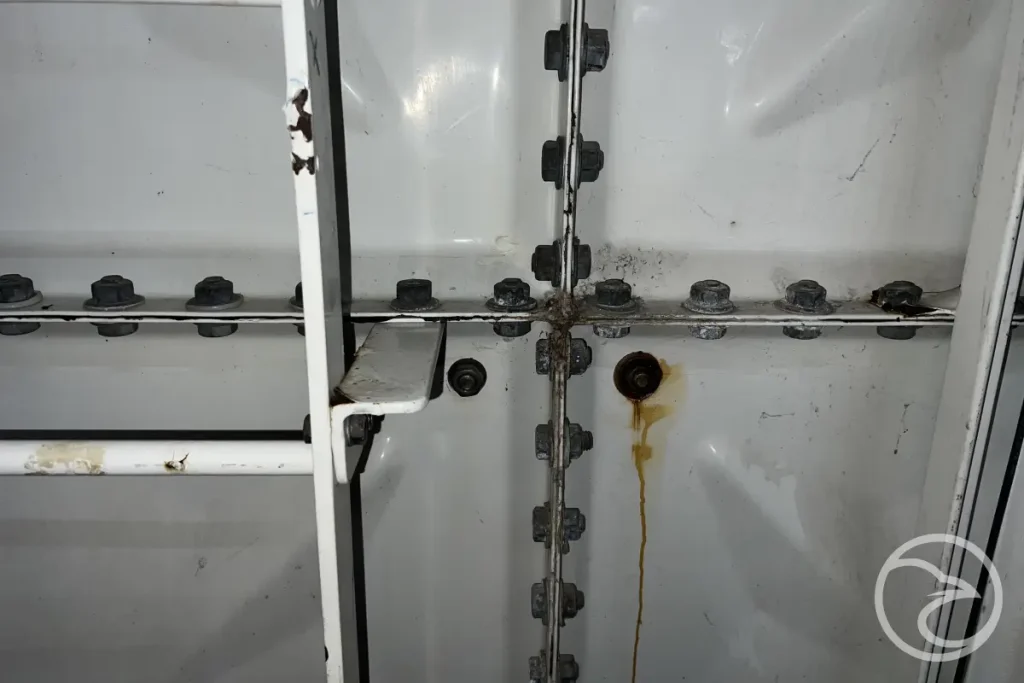
Corrosion Around Metal Components
Although GRP panels resist corrosion, metal fittings may still deteriorate.
Inspection areas may include:
- Bolts
- Brackets
- Access ladders
- Support frames
- Pipe connections
Corroded fittings can affect structural stability and access safety. In some cases, damaged roof components may require partial tank roof replacement work alongside broader repairs.
Roof Damage and Structural Movement
Tank roofs experience constant exposure to weather conditions.
Inspectors may identify:
- Sagging roof sections
- Cracked roof panels
- Loose fixings
- Water pooling
- Misalignment
Structural movement can place additional stress on surrounding tank components. Roof deterioration may also increase contamination risks.
Joint and Seal Failures
Joint systems play a critical role in tank performance. Ageing seals may eventually lose flexibility or adhesion.
This can result in:
- Water seepage
- Joint separation
- Pressure imbalance
- Internal moisture damage
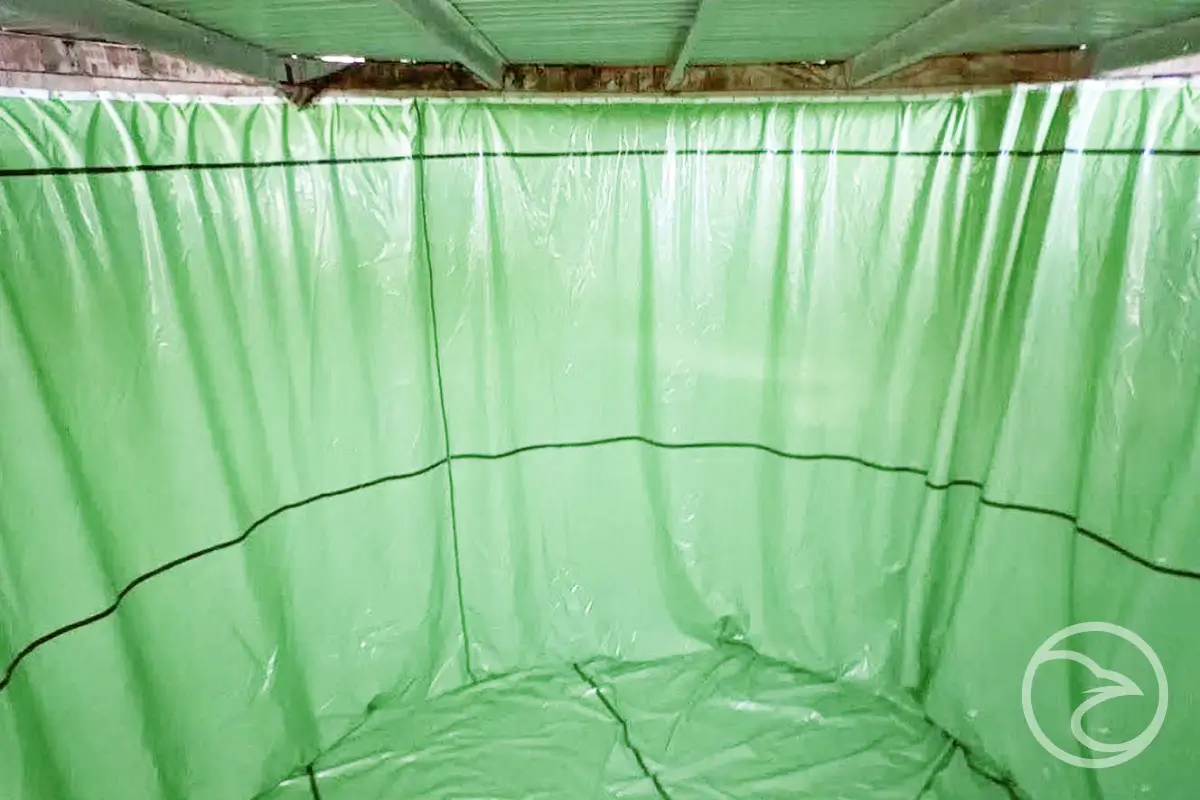
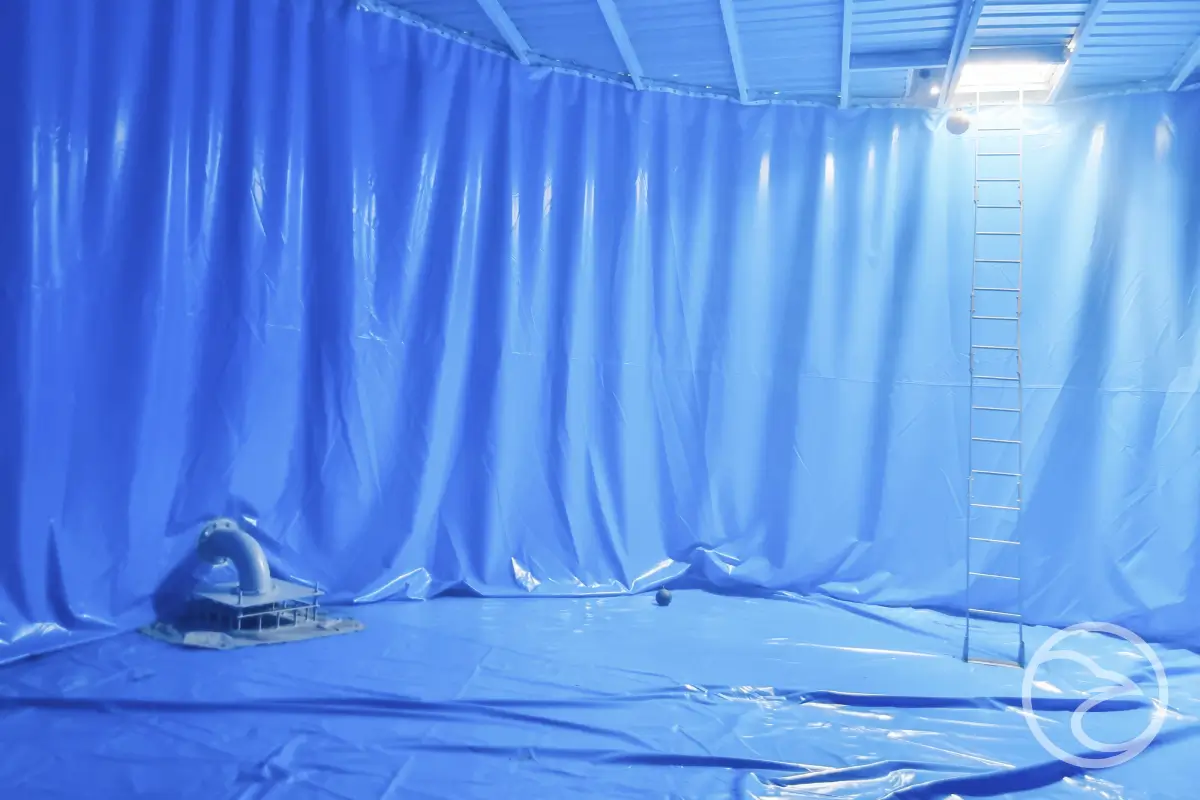
Internal Surface Deterioration
Internal inspections may reveal problems not visible externally.
Common internal findings include:
- Surface blistering
- Sediment accumulation
- Internal cracking
- Resin wear
- Biological growth
Water quality issues sometimes indicate internal surface deterioration. Inspection intervals vary depending on tank use and environmental conditions.
Changes in Tank Performance
Operational changes may also suggest structural concerns.
Facilities sometimes notice:
- Unexpected water loss
- Reduced pressure stability
- Increased refill frequency
- Unusual noises
- Visible movement during operation
Performance issues should always be investigated further. Some symptoms may indicate developing structural weakness.
Repair and Replacement Considerations
Not all damaged tanks require complete replacement.
Repair decisions usually depend on:
- Damage severity
- Tank age
- Structural condition
- Accessibility
- Operational requirements
Minor defects may remain repairable if detected early. Severe structural deterioration may require larger restoration projects.
Many facilities reviewing grp tank repair options first conduct detailed condition assessments before selecting a repair strategy.
The Importance of Routine Inspections
Regular inspections help identify developing problems before they escalate.
Inspection programs often include:
- Visual assessments
- Joint inspections
- Roof condition reviews
- Leak detection
- Structural monitoring
Documented inspection records also help track gradual deterioration over time. Consistent monitoring supports safer long-term tank operation.
Final Thoughts
GRP tanks remain reliable storage systems when properly monitored and maintained. However, ageing materials and environmental exposure can eventually create structural concerns and several common signs of GRP tank damage.
Early warning signs such as cracking, leaks, and surface deterioration should always receive attention. Routine inspections help facilities identify developing issues sooner and support more effective repair planning.
Understanding the common signs of tank deterioration can also improve long-term asset management and reduce unexpected failures.