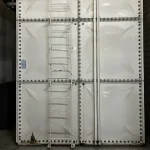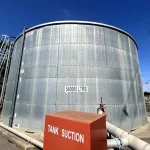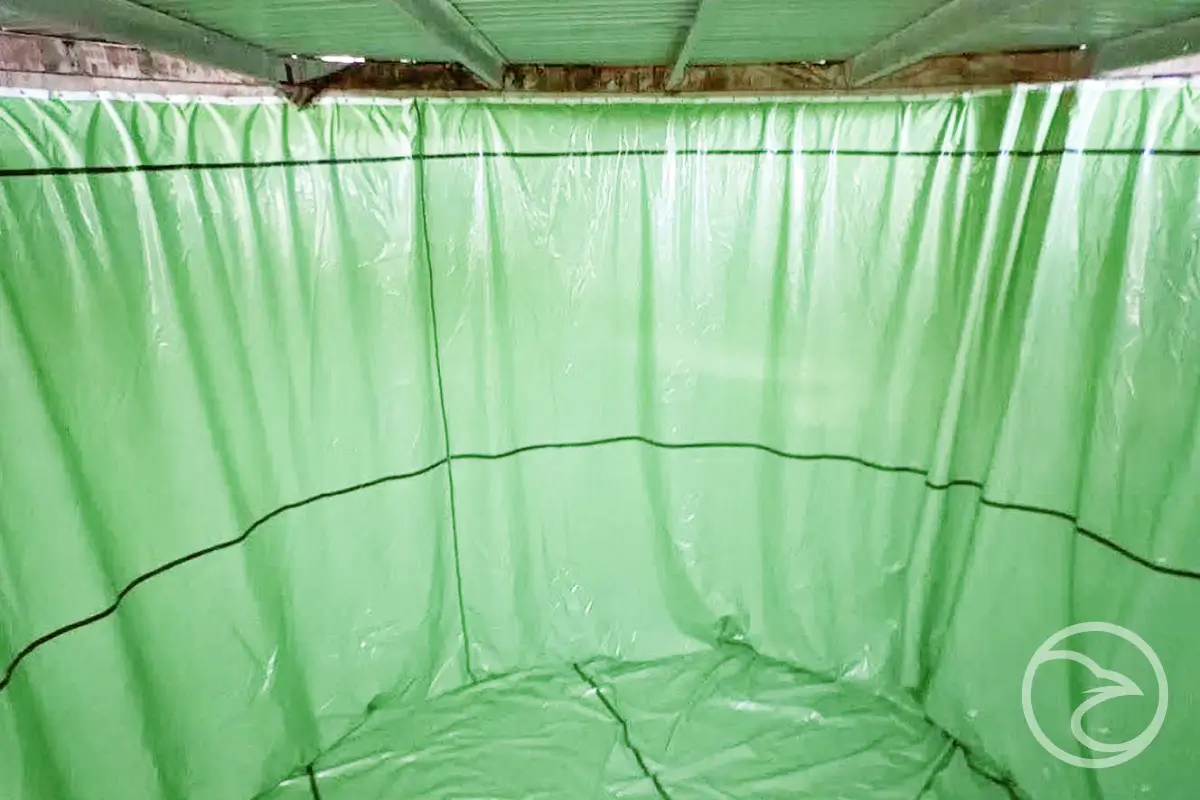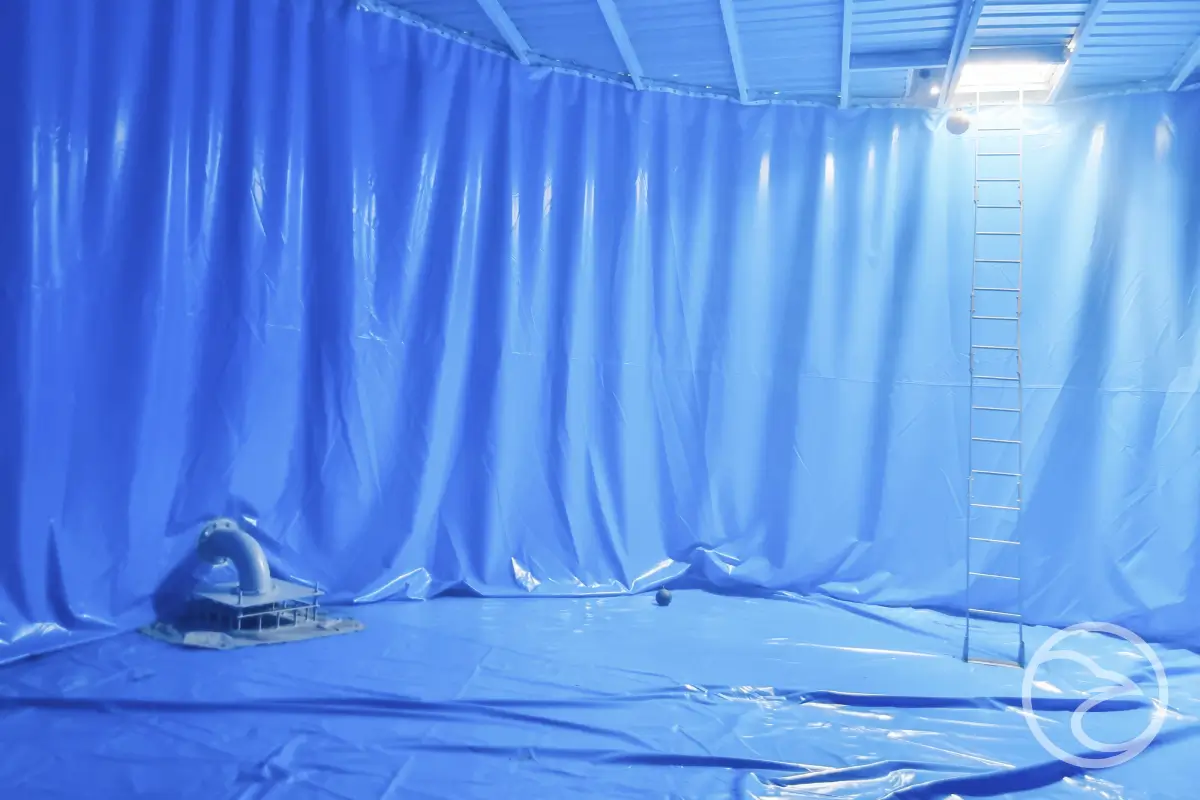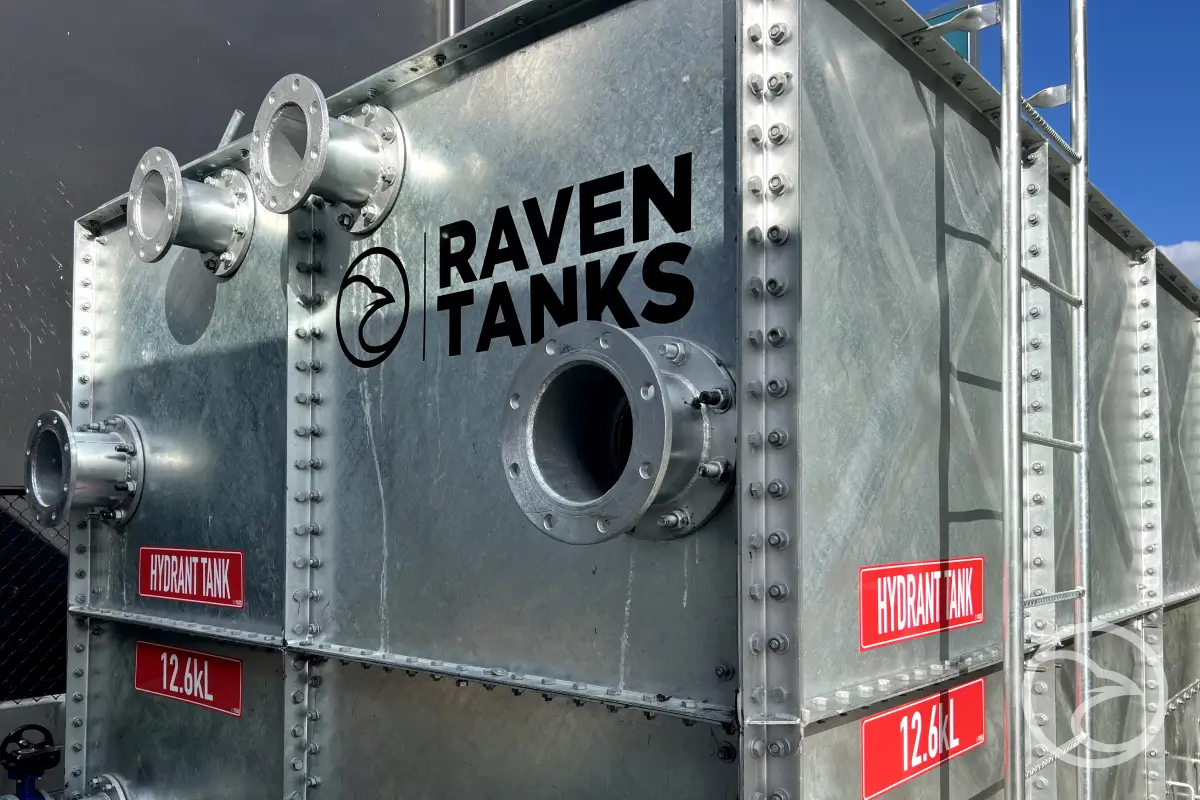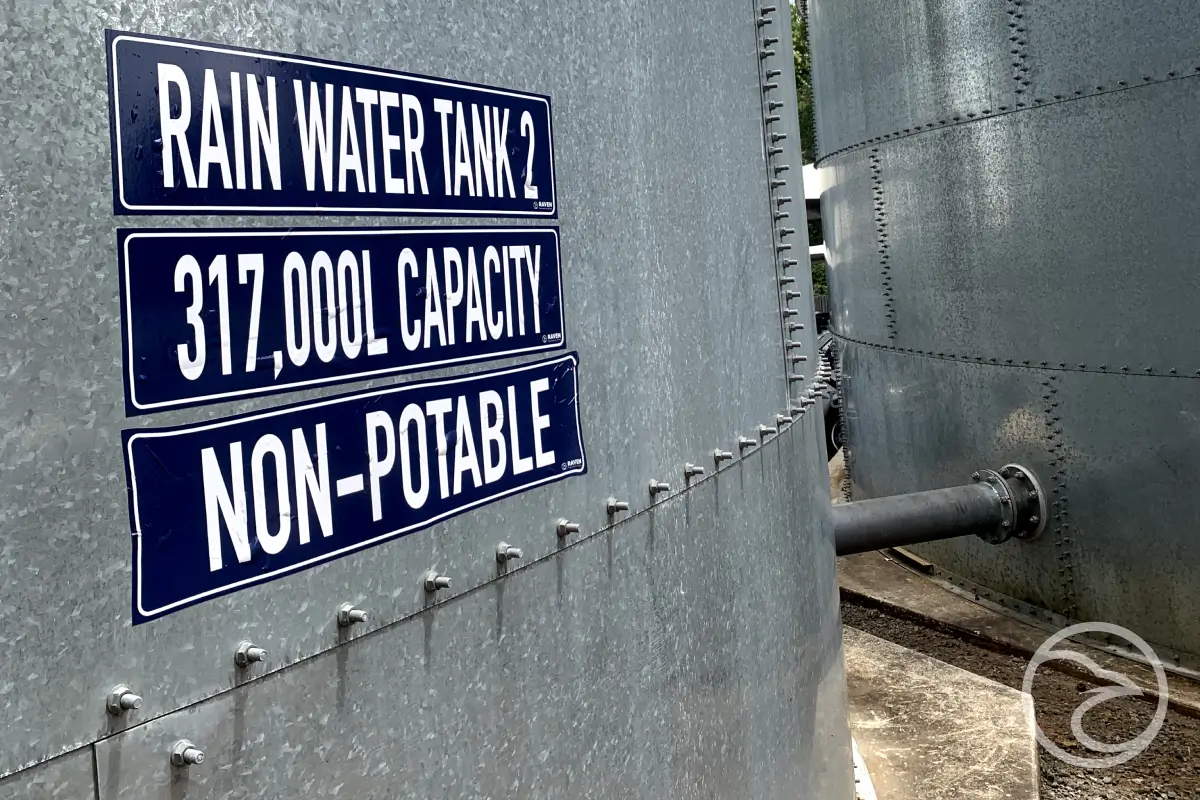
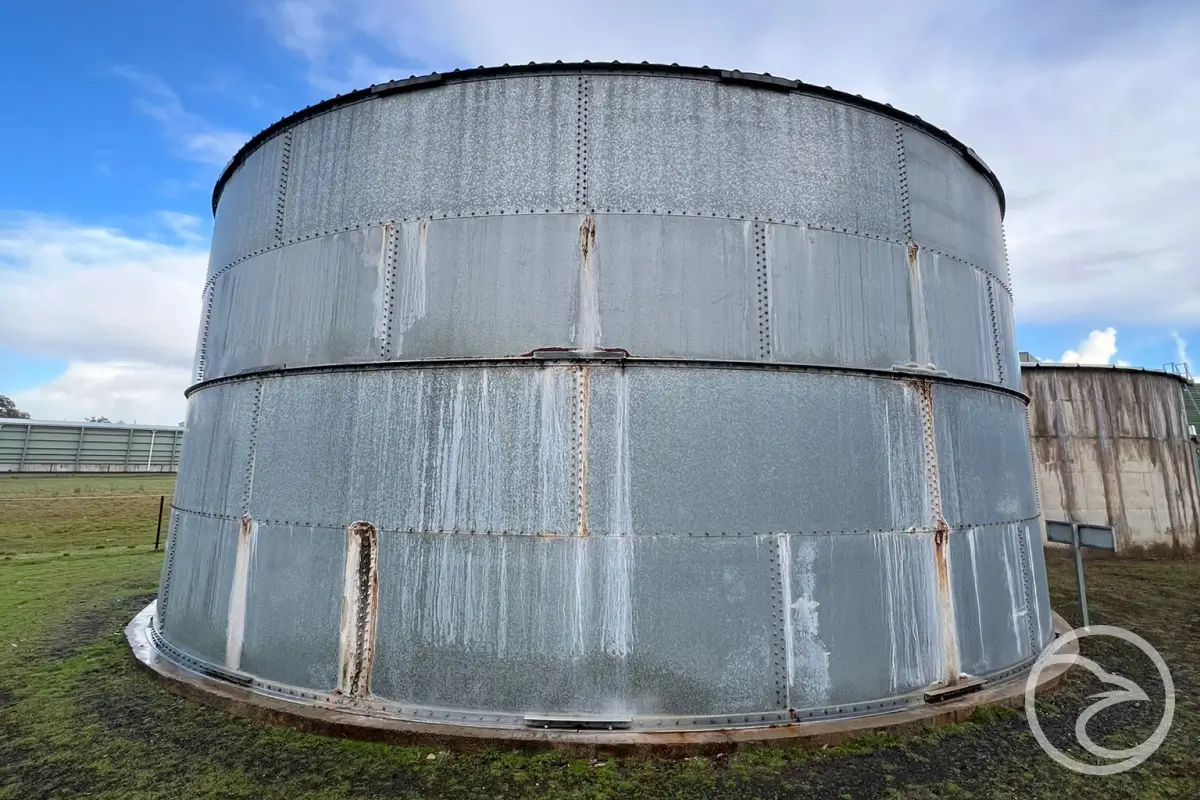
Panel tanks are widely used for water storage in industrial, commercial, and municipal applications. Over time, however, even well-designed systems are exposed to environmental, operational, and structural stresses. Identifying early panel tank damage signs is essential for maintaining reliability and preventing more serious structural or operational issues.
This article outlines common indicators that suggest a panel tank may require refurbishment, focusing on observable conditions rather than repair methods or service solutions.
Visible Panel Surface Degradation
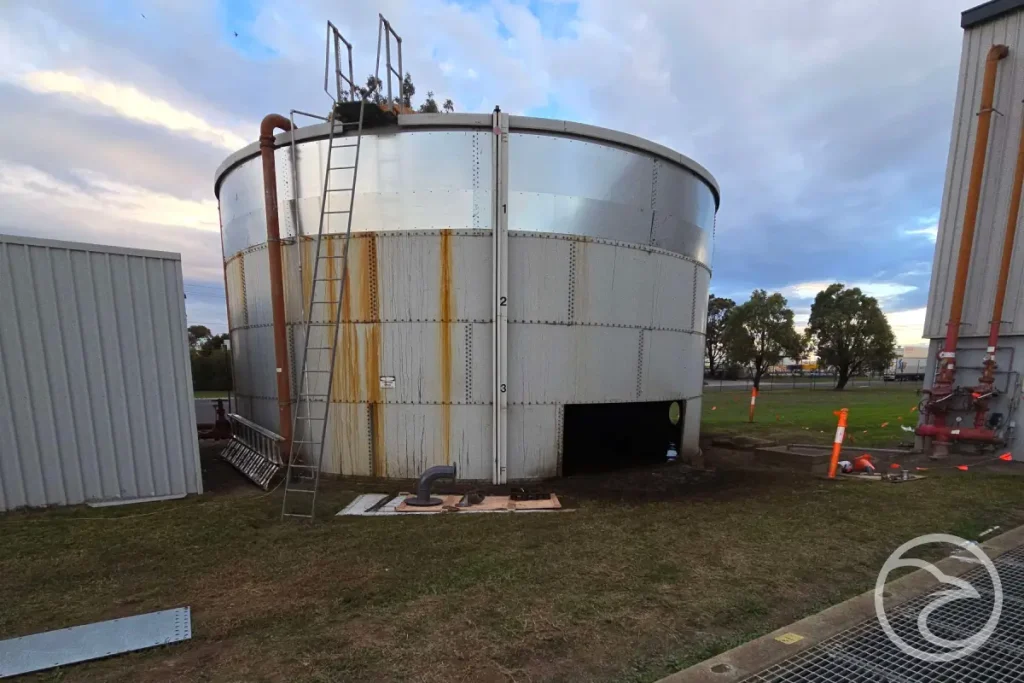
One of the most noticeable signs of panel tank damage is deterioration of the panel surfaces themselves. This may include corrosion, coating breakdown, or visible material loss.
Common surface-related indicators include:
- corrosion spots or rust staining
- blistering, peeling, or delamination of coatings
- pitting or uneven surface texture
- discoloration that suggests prolonged moisture exposure
While surface damage does not always indicate immediate failure, it often signals that protective layers are no longer performing as intended.
Joint and Connection Issues
Panel tanks rely on sealed joints and connections to maintain structural integrity and watertight performance. Over time, these areas are particularly vulnerable to wear and movement.
Typical joint-related panel tank damage signs include:
- leaks or moisture around panel seams
- degradation of gaskets or sealant materials
- visible gaps or misalignment between panels
- repeated tightening or adjustment requirements
Problems at joints can lead to gradual water loss and may accelerate deterioration of adjacent panels.
Structural Deformation or Misalignment
Changes in tank geometry can indicate underlying structural stress. Deformation may develop gradually due to settlement, uneven loading, or long-term material fatigue.
Indicators of structural issues include:
- bowed or warped panels
- uneven tank walls
- changes in alignment at corners or edges
- difficulty fitting access covers or panels
These signs suggest that the tank is no longer behaving as designed and should be assessed carefully.
Evidence of Internal Corrosion or Contamination
Internal conditions often reveal damage that is not visible from the outside. Corrosion inside the tank or signs of contamination can point to compromised materials or protective systems.
Internal panel tank damage signs may include:
- corrosion on internal panel surfaces
- sediment accumulation linked to material breakdown
- staining or deposits indicating chemical interaction
- changes in water clarity associated with internal surfaces
Such indicators often develop gradually and may only become apparent during inspections or maintenance activities.
Increased Maintenance or Operational Issues
A rise in maintenance requirements can also signal that refurbishment may be necessary. Tanks that require frequent monitoring or repeated minor interventions often show underlying deterioration.
Operational warning signs include:
- recurring leaks or seepage
- difficulty maintaining water levels
- unexpected downtime related to tank condition
- increased inspection findings over time
These patterns suggest that isolated repairs may no longer be sufficient.
Environmental and Site-Related Factors
External conditions play a significant role in how quickly panel tanks age. Exposure to harsh environments can accelerate damage and shorten service life.
Risk factors include:
- coastal or high-humidity environments
- exposure to aggressive chemicals
- poor drainage or foundation movement
- temperature fluctuations and UV exposure
When these factors are present, panel tank damage signs may appear earlier than expected.
Final Thoughts
Panel tanks are designed for long-term service, but deterioration is inevitable over time. Recognising panel tank damage signs early allows issues to be addressed before they escalate into major structural or operational problems. Monitoring surface condition, joints, internal environments, and operational performance provides valuable insight into when refurbishment may become necessary as part of responsible asset management.
For readers looking to better understand how aging panel tanks are typically addressed, additional technical context is available through guidance on restoring panel tank systems.