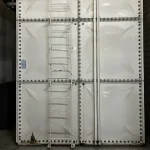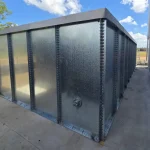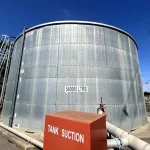
Stainless steel panel tanks are widely used in modern water storage systems. They are designed to store water safely and efficiently in different environments. Their modular structure makes them flexible and adaptable.
Stainless steel panel tanks are widely used in modern water storage systems because of their modular design and durability.
Understanding how stainless steel panel tanks work helps explain why they are used across many industries.
What are Stainless Steel Panel Tanks
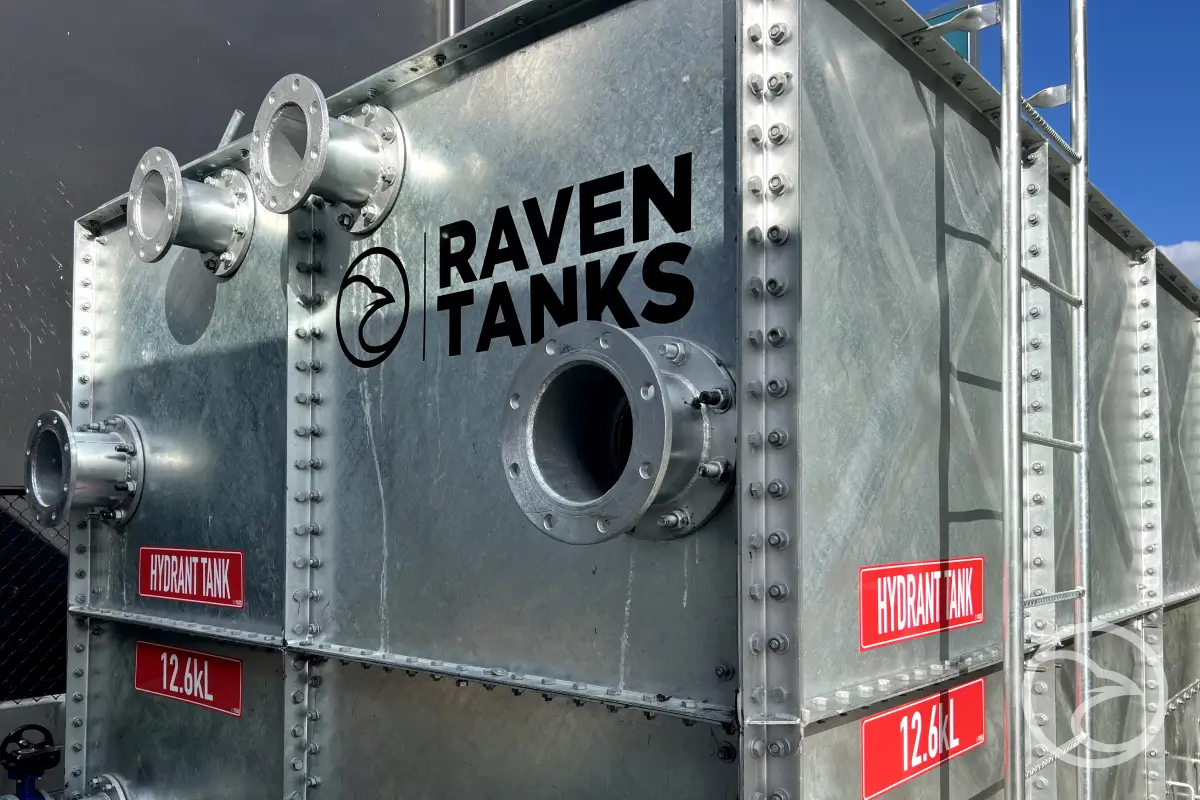
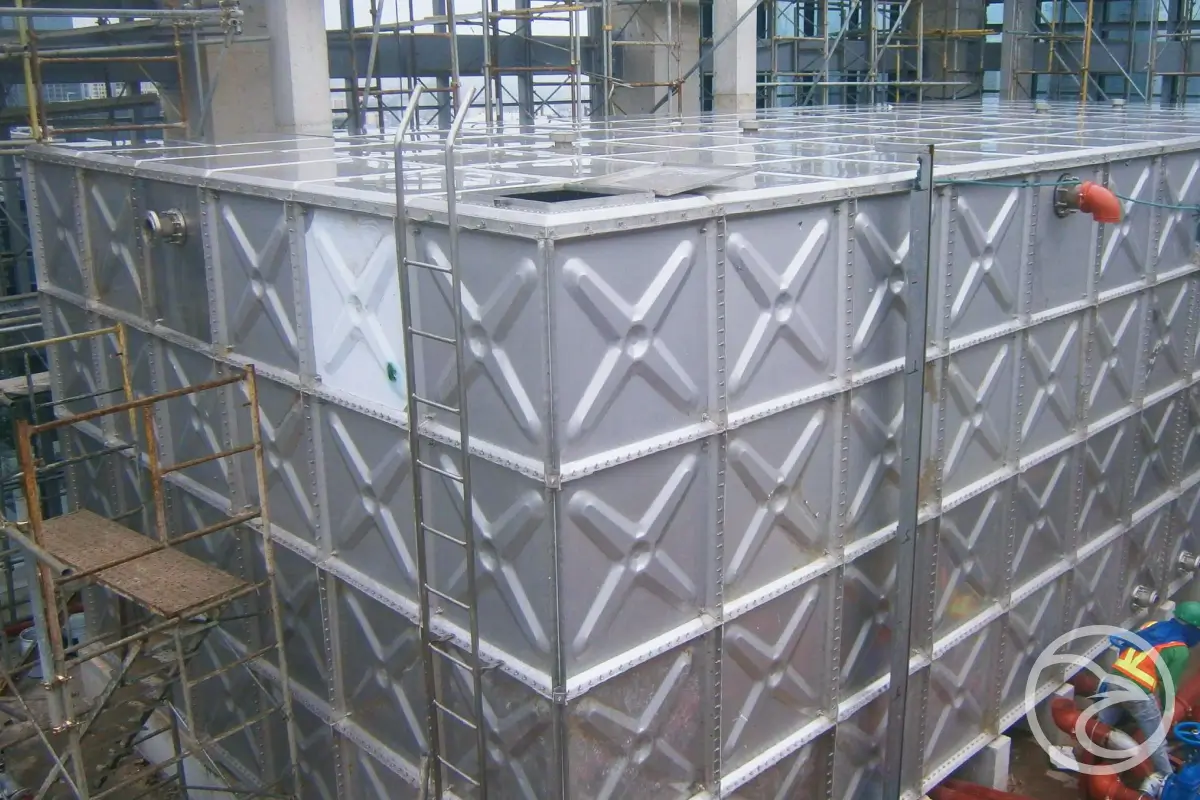
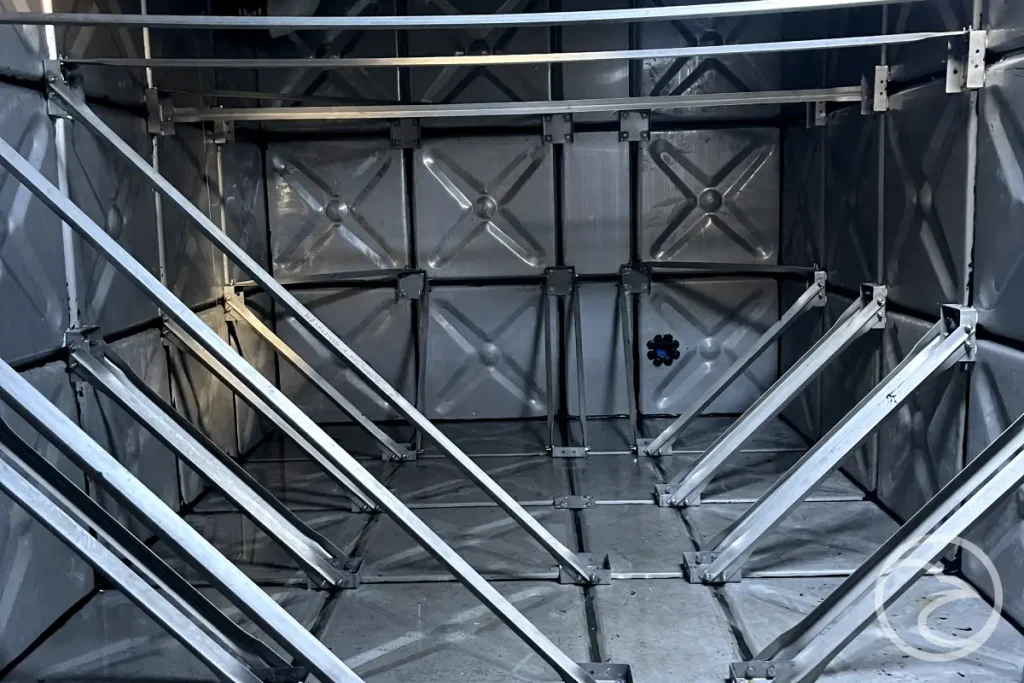
Stainless steel panel tanks are water storage systems made from prefabricated panels. These panels are assembled on-site to form a complete tank. Each panel is typically made from corrosion-resistant stainless steel. The panels are bolted together and sealed to prevent leakage.
This modular design allows tanks to be built in different sizes and shapes. It also makes transportation and installation more efficient.
How Stainless Steel Panel Tanks Work
The main function of stainless steel panel tanks is to store water in a controlled and protected environment. Their structure is designed to maintain water quality and prevent contamination.
Panels are connected using bolts and sealed joints. This creates a watertight structure that can handle internal pressure. The tank is usually supported by a base and may include internal bracing. These elements help distribute loads evenly across the structure.
Because of this design, stainless steel panel tanks can maintain stability even under varying conditions.
The Role of Stainless Steel Material
Stainless steel plays a key role in how these tanks function. It is known for its resistance to corrosion and chemical reactions.
This property helps protect the tank from environmental damage. It also reduces the risk of contamination from the tank surface. In addition, stainless steel has a smooth finish. This makes it easier to clean and maintain.
These characteristics support reliable water storage over time.
Sealing and Leak Prevention
Sealing is an important part of how stainless steel panel tanks work. Each joint between panels must be properly sealed.
Gaskets and sealants are used to prevent water from escaping. This ensures that the tank remains watertight. Proper sealing also helps maintain internal pressure and structural integrity.
Without effective sealing, even small gaps could lead to leakage.
Structural Support and Stability
Stainless steel panel tanks rely on structural support to maintain their shape. This includes both external and internal components.
Internal supports help reinforce the tank walls. They prevent deformation caused by water pressure. The base of the tank also plays a critical role. It must be level and strong enough to support the full load.
Together, these elements ensure that the tank remains stable during operation.
Hygiene and Water Quality
One of the key advantages of stainless steel panel tanks is their ability to support water hygiene. The material does not easily support bacterial growth.
The smooth surface reduces the buildup of contaminants. This makes cleaning more effective and less frequent. Because of this, stainless steel panel tanks are often used in applications where water quality is important.
Maintaining hygiene is essential for long-term storage performance.
Where Stainless Steel Panel Tanks are Used
Stainless steel panel tanks are used in a wide range of industries. Their versatility makes them suitable for different applications.
Common uses include:
- Potable water storage
- Industrial water systems
- Fire protection systems
- Agricultural water storage
They are also used in buildings and infrastructure projects. Their modular design allows them to fit into different spaces.
Because of their durability, they are suitable for both indoor and outdoor use.
Advantages of Modular Design
The panel-based design offers several advantages. It allows tanks to be customized based on specific requirements.
Panels can be transported more easily than fully assembled tanks. This reduces logistical challenges. Installation is also more flexible. Tanks can be assembled in locations where access is limited.
If needed, panels can be replaced individually. This simplifies maintenance and repair.
Factors that Affect Performance
Several factors influence how stainless steel panel tanks perform over time. These include installation quality, environmental conditions, and usage patterns.
Improper assembly can affect sealing and structural stability. Exposure to harsh conditions may also impact durability.
Regular maintenance helps ensure steel panel tanks continue to perform reliably over time. Regular inspection helps ensure that all components function as intended.
Conclusion
Stainless steel panel tanks are designed to provide reliable and hygienic water storage. Their modular construction allows flexibility in design and installation.
By understanding how stainless steel panel tanks work, it becomes easier to see why they are widely used. Their structure supports durability, leak prevention, and water quality.
These systems offer a practical solution for a wide range of storage applications without relying on complex designs.