Corrosion is one of the most common threats to the structural integrity and safety of water storage systems. Whether you operate a commercial, industrial or municipal facility, corrosion can lead to costly repairs, contamination risks, system downtime and even complete tank failure if left unmanaged.
For businesses that rely on safe, long-term water storage, understanding water tank corrosion prevention is essential. This guide explains why corrosion occurs, what signs to look for and the best strategies to protect your tank — from material selection to protective coatings, roof upgrades and long-term maintenance planning.
Why Water Tanks Corrode
Even the highest-quality tanks are vulnerable to corrosion when exposed to oxygen, moisture, chemicals, sediment or microbial activity. The main causes include:
- 1. Oxygen Exposure: Dissolved oxygen in water reacts with steel surfaces, causing oxidation. Untreated seams, joints and welds are especially at risk.
- 2. Poor Water Quality: High mineral content, low pH, chlorides, or aggressive chemicals accelerate corrosion. Facilities using bore water or industrial water sources face a higher threat.
- 3. Sediment & Biofilm Build-Up: Sediment traps moisture, organic material and bacteria against tank walls. Biofilm creates an environment that speeds up corrosion, especially MIC (microbiologically influenced corrosion).
- 4. Structural Issues: Damaged coatings, leaks, cracked panels and deteriorated roofs expose bare metal surfaces to air and moisture, increasing corrosion risk dramatically.
Types of Corrosion Found in Water Tanks
Several types of corrosion can occur inside or outside a water tank:
- Uniform Corrosion: The most common type — a gradual, even loss of metal across surfaces.
- Pitting Corrosion: Small but deep pits form in localized areas. This type is extremely dangerous because it can penetrate tank walls quickly.
- Galvanic Corrosion: Occurs when two different metals in contact cause one to corrode faster. This is common in tanks with mixed materials or aging components.
- Crevice Corrosion: Develops in tight, hard-to-clean areas such as panel joints, gaskets and under sediment.
- MIC (Microbiologically Influenced Corrosion): Caused by bacteria that thrive in stagnant or nutrient-rich water. MIC leads to rapid deterioration and is often difficult to detect early.
Early Warning Signs of Corrosion
Facility managers should look for:
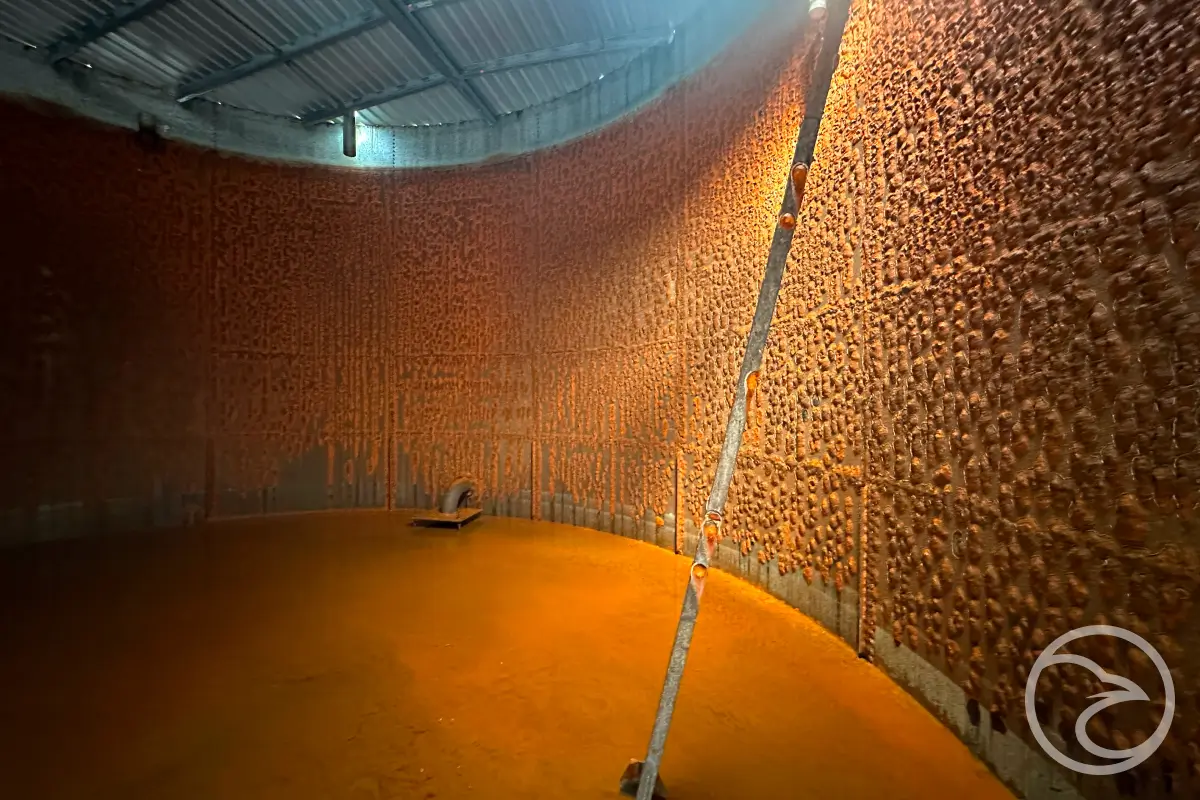
- Rust staining on internal or external tank surfaces
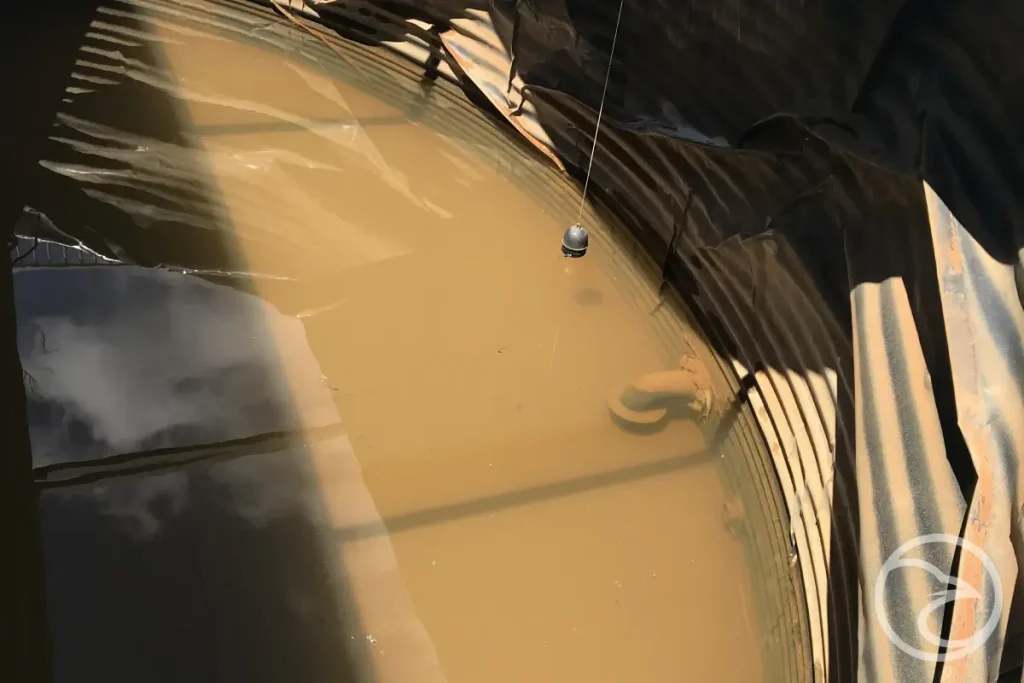
- Discoloration in stored water
- Flaking or blistering coatings
- Soft areas or deformation on tank walls
- Leaks around seams, gaskets or joints
- Sediment build-up during inspections
- A metallic taste or unusual odour in potable water
Detecting corrosion early prevents far more expensive structural repairs later.
Effective Water Tank Corrosion Prevention Strategies
1. Choose Corrosion-Resistant Tank Materials
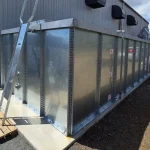
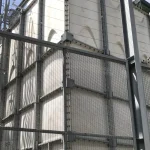
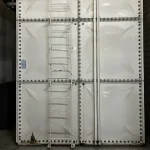
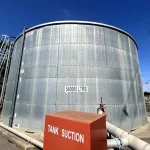
Modern storage systems use stainless steel, GRP, HDG steel or glass-fused-to-steel for enhanced durability. Stainless steel panel tanks, in particular, offer high resistance to rust and are widely used in commercial and industrial environments.
If your current tank is outdated or showing structural weakness, upgrading the tank roof or installing a modern panel tank may offer better long-term value. Raven American Tanks assists facilities in selecting the best tank solution based on operational needs.
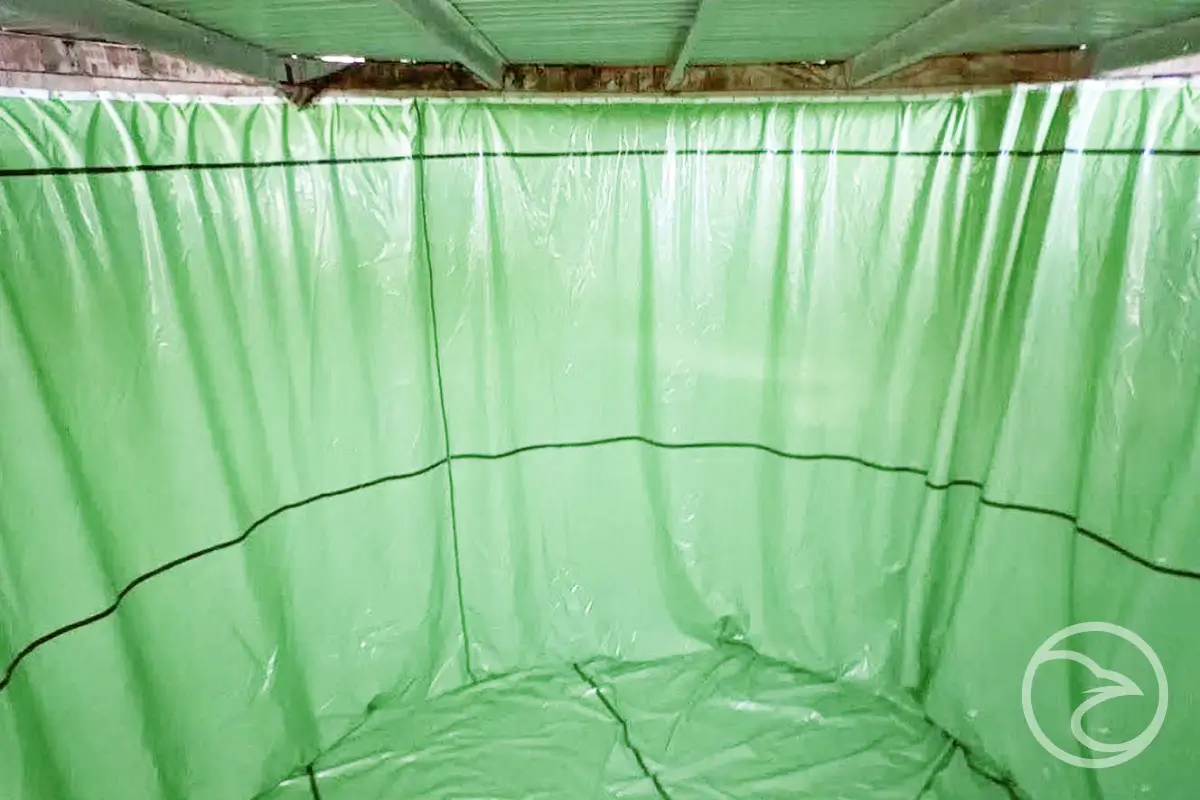
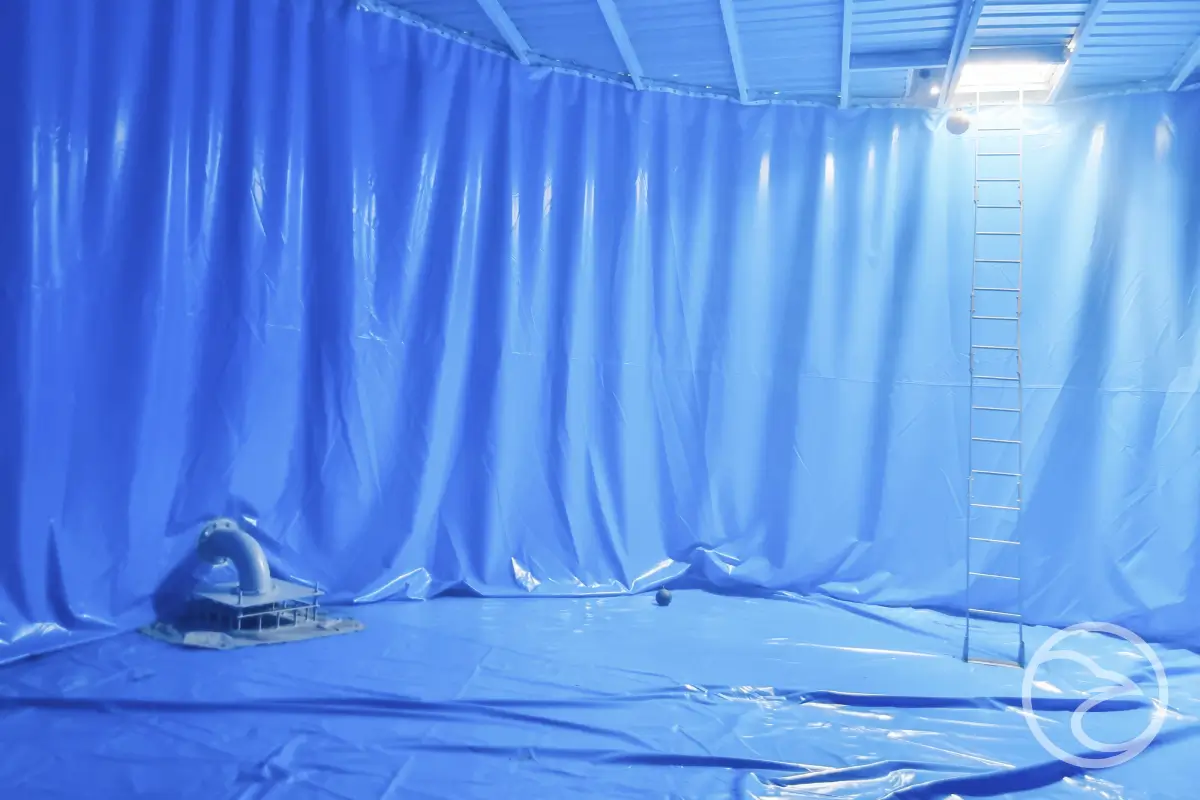
2. Install a High-Quality Protective Coating or Liner
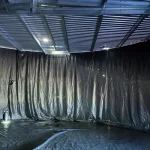
Protective coatings and tank liners create a barrier that prevents stored water from contacting metal surfaces. This reduces internal corrosion dramatically.
Benefits include:
- Extended tank lifespan
- Improved water quality
- Cost-effective refurbishment versus tank replacement
- Compatibility with potable water
Industrial-grade liners also protect against chemical exposure, sediment accumulation and MIC.
3. Keep the Tank Roof in Good Condition
A compromised roof is one of the fastest ways for corrosion to take hold. Leaks allow moisture and contaminants to enter, while UV exposure degrades internal surfaces.
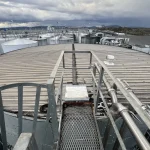
If your roof shows signs of rust, cracking or structural weakness, a full replacement may be the safest option. If your tank roof is showing signs of rust, cracking, or structural failure, a full tank roof replacement can prevent moisture ingress and stop accelerated internal corrosion.
4. Maintain Proper Water Quality
Water quality should be monitored routinely through:
- pH testing
- mineral analysis
- chlorine level monitoring
- microbiological testing
Poor water quality is a leading cause of internal surface corrosion. Depending on your operational requirements, filtration or treatment systems may be necessary.
5. Schedule Routine Inspections & Cleaning
Regular inspections help detect early damage and corrosion risks. This includes:
- internal diving inspections
- sediment removal
- coating assessments
- leak detection
- roof, panel and joint evaluation
Cleaning out sediment and biofilm significantly slows corrosion progression. Most facilities benefit from annual inspections, though high-use industrial tanks may require more frequent assessments.
Routine water tank inspection helps detect early-stage corrosion, structural weakness, or coating failure before major repairs are required.
When Should You Repair or Replace a Corroded Tank?
Repairs are recommended when:
- corrosion is localized
- coatings can be restored
- tank structure remains stable
- leaks are minor and manageable
Replacement is necessary when:
- corrosion has breached wall thickness
- pitting is severe
- roof or panel structures have weakened
- MIC damage is advanced
- water quality cannot be maintained safely
Raven American Tanks conducts full tank assessments to determine the safest and most cost-effective option for your facility.
Why Work with Raven American Tanks?
With decades of proven industry experience, Raven American Tanks provides:
- corrosion prevention and refurbishment
- tank liner installation
- stainless steel panel tank upgrades
- tank roof replacement
- high-quality inspection and maintenance programs
- long-term water storage solutions tailored to facility needs
From potable water systems to industrial operations, the team delivers reliable, compliant and durable results across the United States.
Conclusion
Corrosion is one of the biggest threats to the safety and longevity of water storage systems — but with the right strategies, it can be prevented. By investing in proper materials, high-quality liners, roof protection and routine maintenance, facilities can extend tank lifespan, maintain water quality and avoid costly failures.
For expert guidance and corrosion prevention solutions, Raven American Tanks provides tailored services designed to protect your assets for years to come.