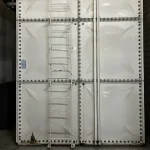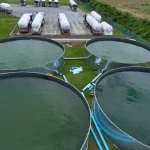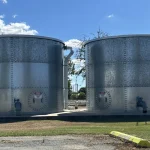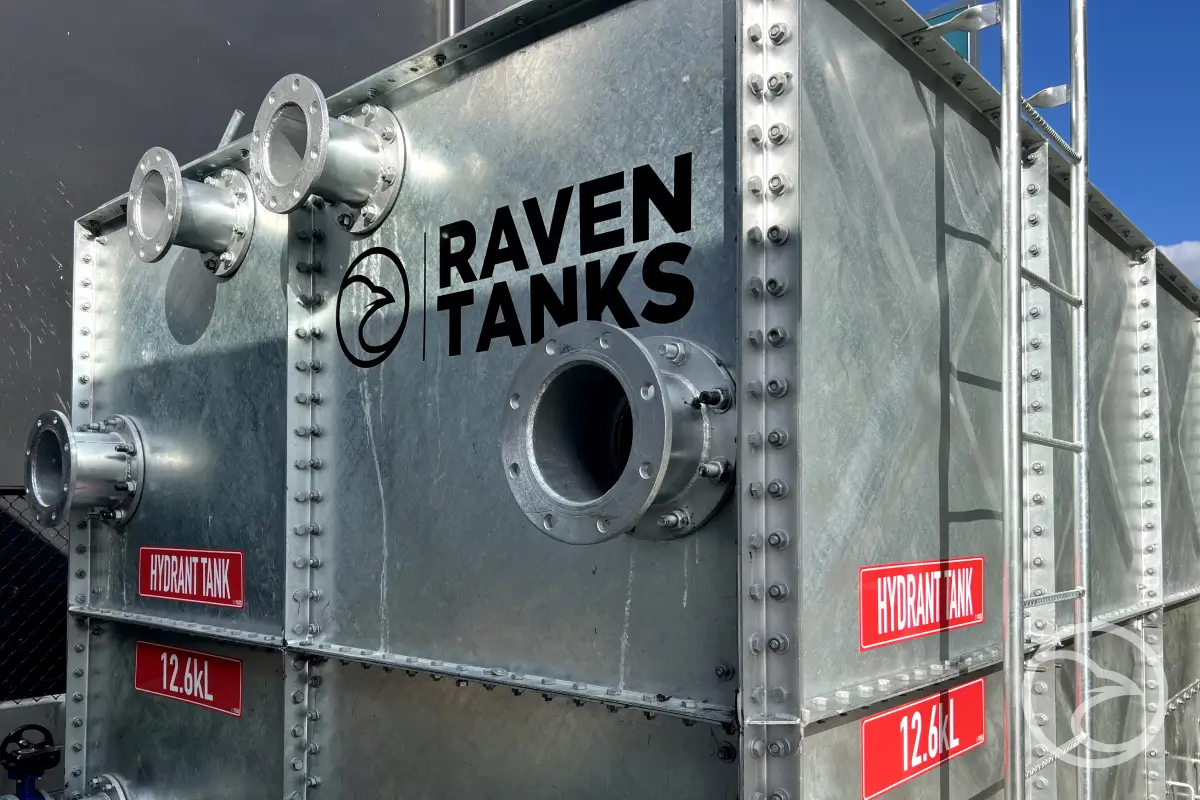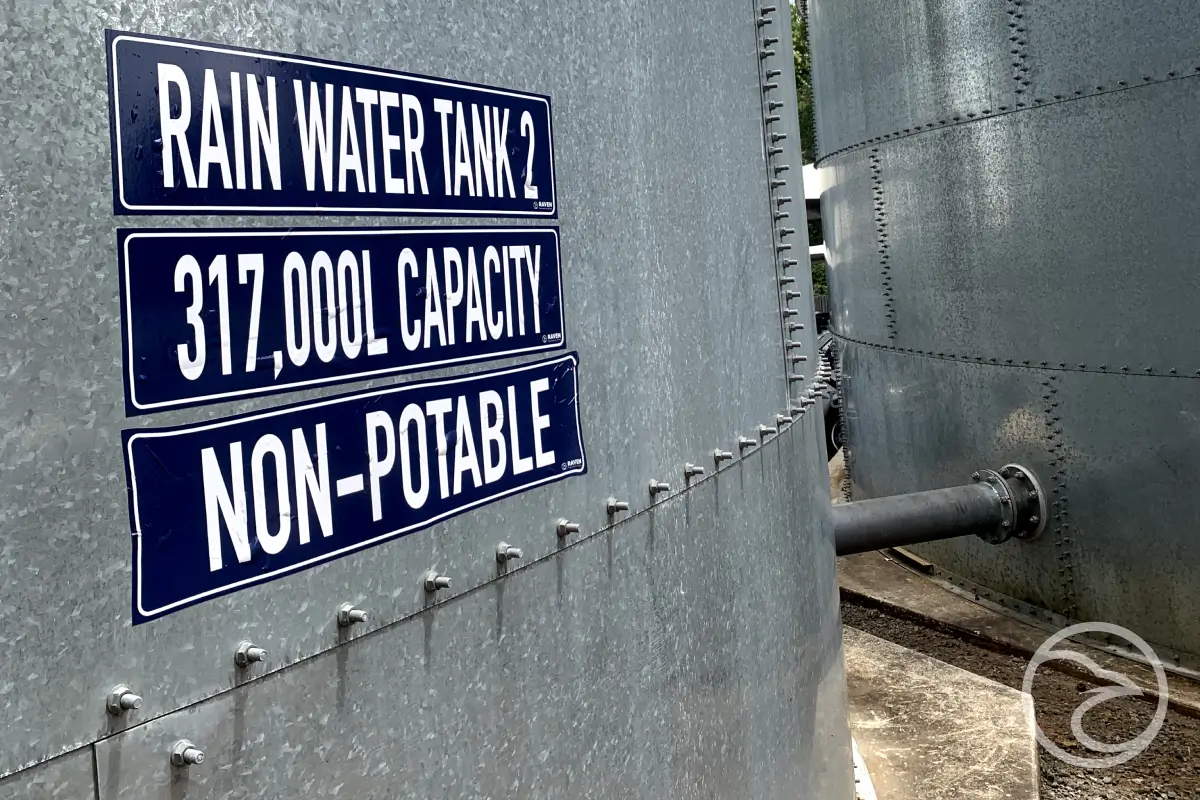

Large industrial water tanks play a crucial role in facility operations, fire protection systems, and long-term water security. Yet one essential factor is often overlooked: regular water turnover. When water remains stagnant for extended periods, it can lead to contamination, sediment buildup, structural issues, and reduced system efficiency. Ensuring consistent turnover is one of the most effective ways to protect storage infrastructure and maintain overall water quality.
Understanding the importance of water turnover tanks helps facility managers optimise system performance, reduce operational risks, and extend the lifespan of their critical water assets.
1. Preventing Stagnation and Biological Growth
Stagnant water becomes a breeding ground for bacteria, algae, and biofilm. These contaminants multiply rapidly when water sits too long without circulation. In large tanks, even minor stagnation can escalate into full-scale contamination, affecting:
- odor
- clarity
- taste
- water hygiene
- downstream equipment performance
Consistent turnover keeps water moving, discouraging microbial growth and lowering the risk of hazardous conditions that could compromise industrial processes or fire systems.
2. Reducing Sediment and Mineral Accumulation
Over time, minerals, dirt, and organic particles settle at the bottom of the tank. Sediment layers can:
- decrease water capacity
- clog outlets and valves
- reduce flow efficiency
- accelerate corrosion
- interfere with pumps and sensors
Regular turnover helps keep sediment suspended long enough for filtration or flushing, slowing the accumulation rate and supporting long-term tank health. For deeper maintenance needs, facilities often rely on ongoing maintenance support to manage sediment buildup effectively.
3. Protecting Internal Surfaces and Coatings
When water doesn’t circulate, chemical imbalances can develop. Uneven temperature distribution, fluctuating pH, or concentrated dissolved solids all create conditions that can damage protective coatings or liners.
Poor turnover contributes to:
- blistering or peeling coatings
- early-stage corrosion
- liner degradation
- reduced internal surface lifespan
Consistent movement keeps water chemistry stable, reducing stress on tank walls and extending the life of coatings and structural materials.
4. Improving System Efficiency and Flow Performance
A tank that is not turning water over regularly loses efficiency. Pumps may need to work harder, flow rates become inconsistent, and pressure imbalances arise across the system.
Good turnover supports:
- stable operating pressures
- accurate sensor readings
- better pump efficiency
- predictable flow patterns
In industrial environments, even small efficiency improvements can translate into measurable operational cost savings.
5. Enhancing Water Quality for Industrial Use
Many facilities rely on stored water for:
- cooling
- cleaning
- industrial processing
- fire system readiness
Poor turnover affects water clarity, quality, and safety — all of which impact operational reliability. Maintaining consistent turnover ensures water remains fresh, clean, and suitable for its intended purpose.
For facilities storing water in engineered systems, integrating robust industrial tank system designs can further support controlled turnover and efficient water movement.
6. Supporting Fire Protection System Reliability
Fire water storage tanks must always be ready for immediate use. If water remains stagnant for too long, sediment, corrosion, or biological activity may compromise the system’s ability to respond effectively.
Improving turnover helps:
- maintain required tank levels
- prevent algae growth that clogs pumps
- ensure predictable water movement during emergencies
- reduce risks of performance failures during fire events
Facilities with critical fire protection obligations benefit greatly from monitoring and adjusting turnover cycles to guarantee reliable system activation.
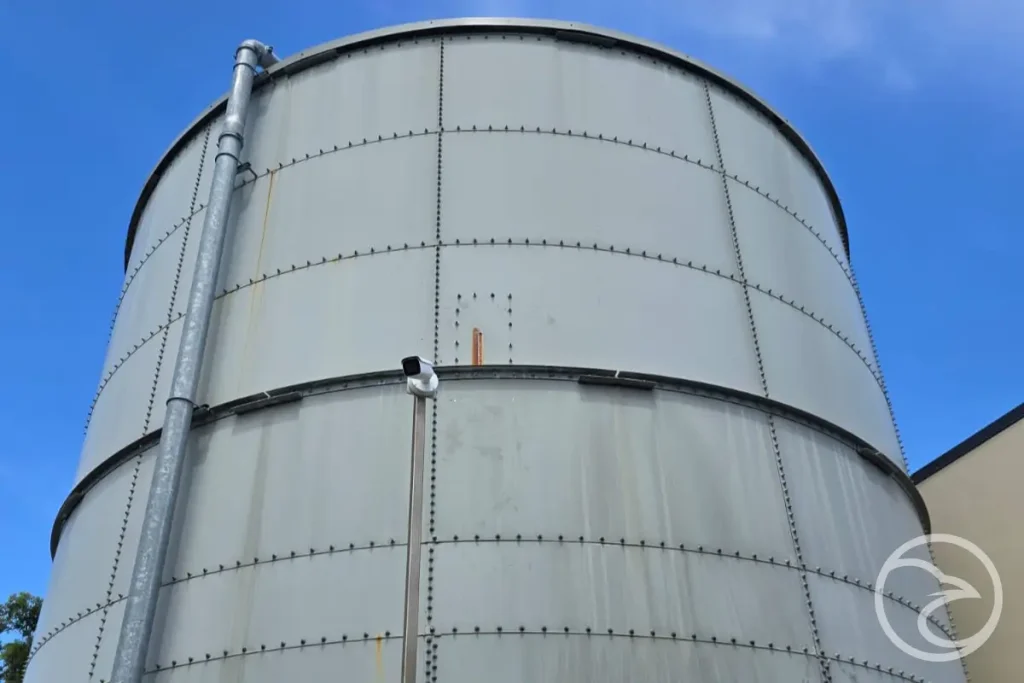
7. Enabling Better Monitoring and Predictive Maintenance
Regular turnover provides facility managers with clearer indicators of system performance. When water moves consistently, issues become easier to identify:
- unexpected level drops
- flow irregularities
- pressure inconsistencies
- abnormal sensor data
This supports predictive maintenance strategies, helping teams address small issues before they become costly failures. Tanks with poor turnover often hide early warning signs, delaying detection until damage is more severe.
Final Recommendation
Regular water turnover is one of the simplest and most effective ways to protect large storage tanks and maintain operational reliability. By reducing stagnation, preventing contamination, improving system efficiency, and supporting healthy internal surfaces, consistent turnover plays a critical role in extending equipment lifespan and safeguarding industrial processes.
Facilities looking to optimise performance should integrate turnover management into their maintenance strategy, ensuring their water turnover tanks remain dependable and resilient for years to come.