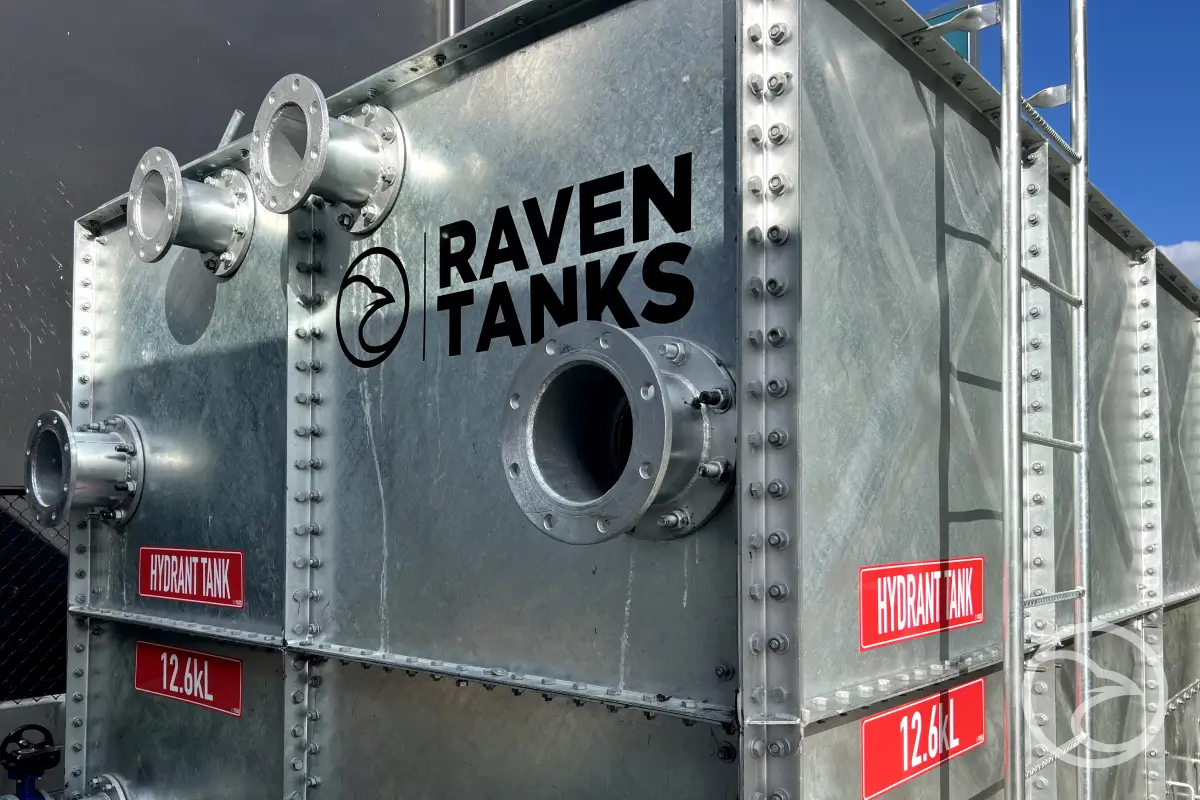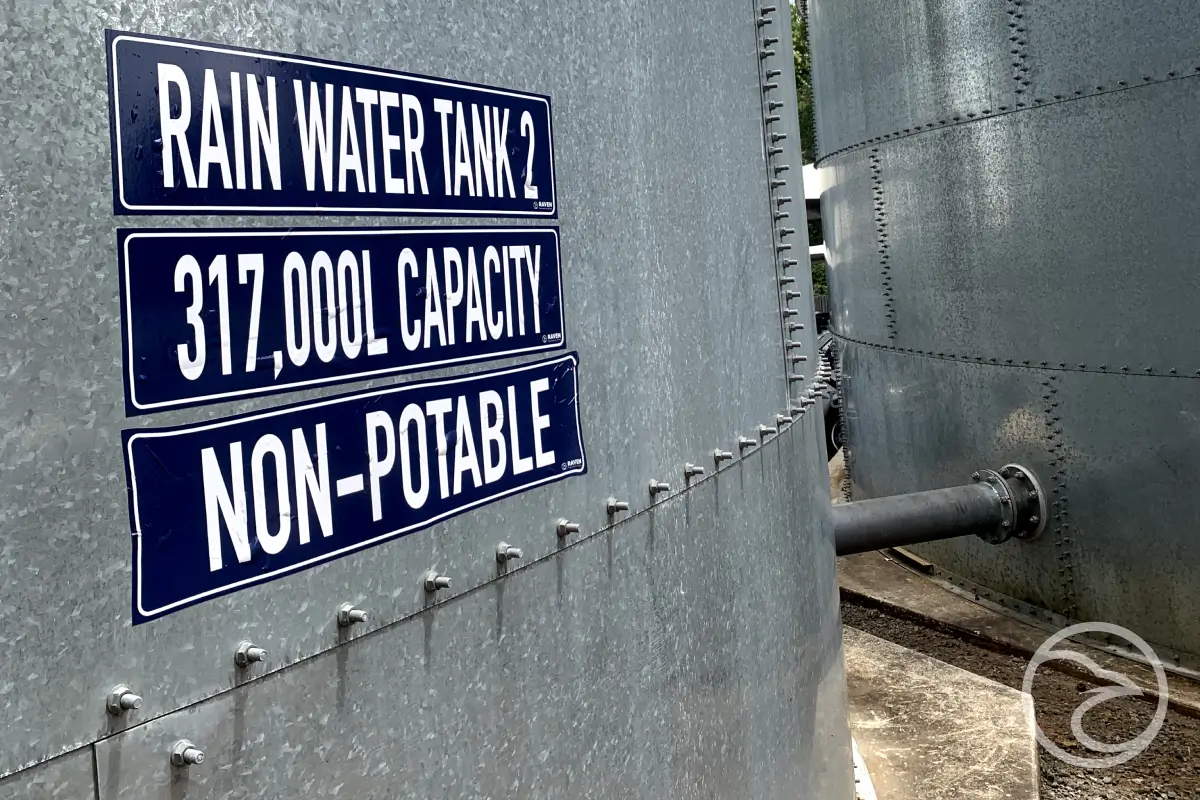
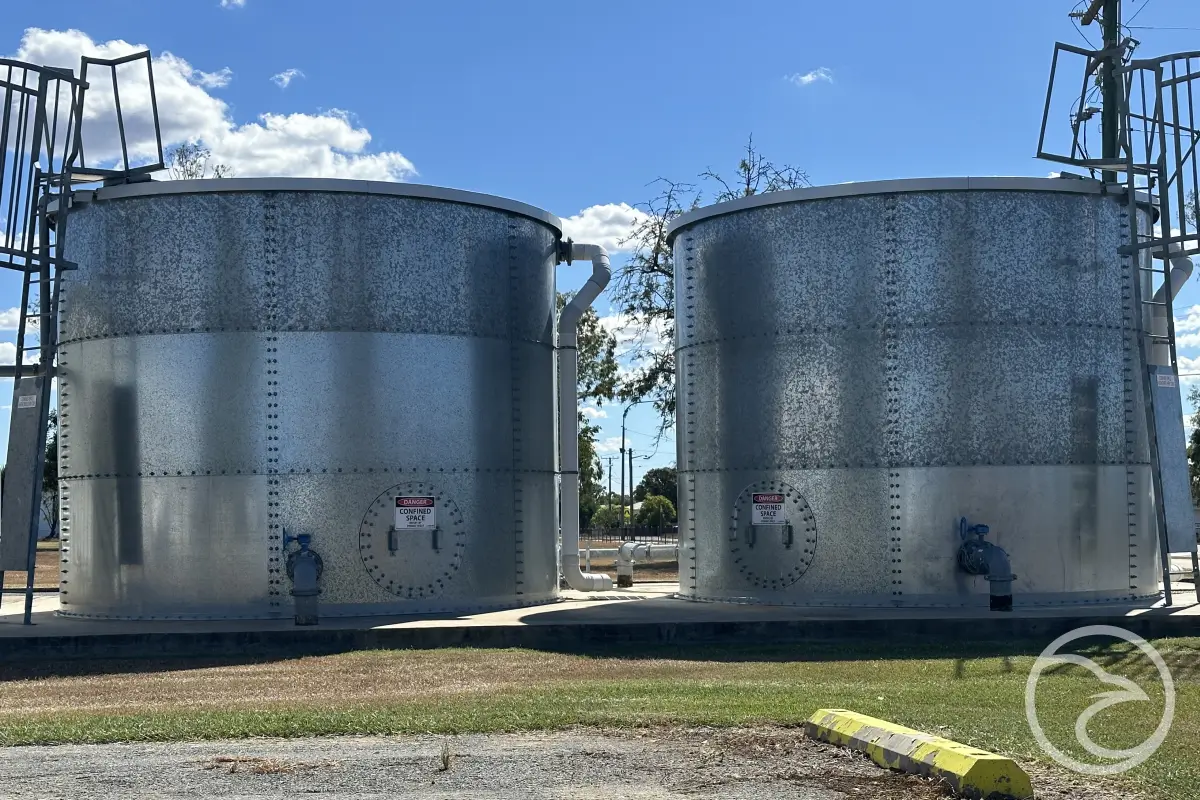
Reliable fire water storage is essential for protecting commercial, industrial, and public facilities. The storage tank must provide dependable performance throughout its service life while withstanding demanding environmental conditions.
Hot dipped galvanized water tanks have become one of the most widely used solutions for fire water storage across Australia. Their strength, corrosion resistance, and modular design make them suitable for projects of many sizes.
These tanks are commonly installed at industrial facilities, warehouses, manufacturing plants, mining sites, agricultural properties, and commercial developments. They provide a reliable water supply for fire protection systems while offering long-term value.
This guide explains how hot dipped galvanized water tanks work, why they are widely used for fire water storage, their advantages and limitations, maintenance requirements, and the factors that influence their lifespan.
What is a Hot Dipped Galvanized Water Tank?
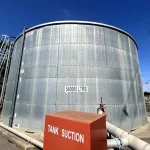
A hot dipped galvanized water tank is a steel storage tank protected by a zinc coating applied through the hot dip galvanising process. The coating helps shield the steel from corrosion and extends the service life of the tank.
During manufacturing, steel components are immersed in molten zinc, creating a durable protective layer that bonds to the steel surface. This process provides long-lasting corrosion protection for both internal and external tank components.
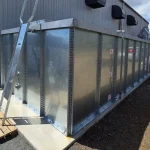
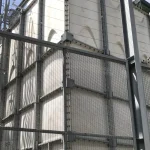
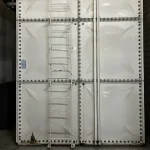
Most hot dipped galvanized water tanks are manufactured using modular steel panels that are bolted together on site. This modular design allows tanks to be built in a wide range of sizes while simplifying transport and installation.
For fire water storage, hot dipped galvanized tanks are often selected because they combine structural strength with reliable corrosion resistance. They can also be expanded or modified if storage requirements change over time.
Today, hot dipped galvanized water tanks are widely used for fire protection, industrial water storage, mining operations, agriculture, and municipal infrastructure because they offer a practical balance of durability, flexibility, and cost-effectiveness.
How Hot Dip Galvanising Protects Steel
Hot dip galvanising protects steel by applying a durable zinc coating that acts as a barrier against moisture, oxygen, and other corrosive elements. This protective layer helps prevent rust from reaching the underlying steel.
Unlike painted coatings, the zinc layer bonds directly to the steel surface during the galvanising process. This creates a strong, long-lasting protective finish that is less likely to peel, crack, or separate under normal operating conditions.
The zinc coating also provides sacrificial protection. If the surface is scratched or slightly damaged, the surrounding zinc continues protecting the exposed steel by corroding before the steel itself.
This dual protection makes hot dipped galvanized water tanks well suited to demanding environments where long-term durability is essential. It also helps reduce maintenance requirements throughout the tank’s service life.
Although galvanising significantly improves corrosion resistance, no protective coating lasts forever. Environmental conditions, water quality, and ongoing maintenance all influence how long the zinc coating continues to perform effectively.
Regular inspections help identify coating damage before corrosion affects the structural integrity of the tank. Early maintenance also extends the lifespan of both the galvanised coating and the tank itself.
Why are Hot Dipped Galvanized Water Tanks Popular for Fire Water Storage?
Fire water storage systems must remain reliable for many years while requiring minimal maintenance. Hot dipped galvanized water tanks have become a preferred solution because they provide durability, structural strength, and long-term performance.
Their modular construction allows tanks to be manufactured in a wide range of capacities. This flexibility makes them suitable for small commercial developments as well as large industrial and mining projects.
The galvanised coating protects steel from corrosion, helping maintain the structural integrity of the tank in challenging Australian environments. This is particularly important for fire water systems that remain on standby for extended periods.
Hot dipped galvanized tanks are also valued for their cost-effectiveness over the entire service life. While regular inspections remain essential, the durable zinc coating helps reduce ongoing maintenance compared with many unprotected steel systems.
Hot Dipped Galvanized Water Tanks are Widely Used Because they offer:
- Excellent corrosion resistance
- High structural strength
- Long service life
- Modular construction
- Large storage capacities
- Cost-effective ownership
- Reliable fire water storage
- Proven performance in Australian conditions
These advantages make hot dipped galvanized water tanks one of the most widely specified storage solutions for commercial, industrial, and infrastructure fire protection projects.
Key Benefits of Hot Dipped Galvanized Water Tanks
Hot dipped galvanized water tanks provide several advantages that make them a reliable choice for fire water storage. Their combination of strength, durability, and modular construction supports a wide range of commercial and industrial applications.
Excellent Corrosion Resistance
The zinc coating protects the steel from corrosion caused by moisture and environmental exposure. This additional protection helps extend the service life of the tank while reducing maintenance requirements.
Long Service Life
With proper inspections and routine maintenance, hot dipped galvanized water tanks can provide reliable performance for decades. Their long lifespan makes them a practical investment for permanent fire water storage systems.
High Structural Strength
Galvanized steel panels are designed to withstand the significant loads created by large water volumes. This strength allows tanks to safely store thousands of litres of water for emergency use.
Modular Construction
Most HDG tanks are assembled from prefabricated steel panels. This modular design allows tanks to be manufactured in various sizes and expanded if storage requirements increase in the future.
Cost-Effective Solution
Compared with many alternative storage systems, hot dipped galvanized tanks offer an excellent balance between initial investment and long-term operating costs. Their durability also helps reduce repair and replacement expenses.
Low Maintenance Requirements
The protective zinc coating reduces the likelihood of corrosion, but routine inspections remain essential. Regular maintenance helps identify minor issues before they develop into larger structural problems.
Suitable for Large Fire Water Storage Systems
Hot dipped galvanized tanks are commonly used for high-capacity fire water storage because they can be manufactured in large dimensions without compromising structural integrity.
Proven Performance Across Australia
These tanks are widely used in commercial buildings, industrial facilities, mining operations, and infrastructure projects throughout Australia. Their durability makes them suitable for a variety of environmental conditions and operating environments.
The combination of corrosion resistance, structural strength, and flexible design continues to make hot dipped galvanized water tanks one of the most trusted solutions for long-term fire water storage.
Are there any Disadvantages?
Hot dipped galvanized water tanks offer many advantages, but they are not the ideal solution for every application. Understanding their limitations helps building owners and project managers select the most appropriate fire water storage system.
The zinc coating provides excellent corrosion protection, but it gradually wears over time. Environmental conditions, water chemistry, and ongoing maintenance all influence how long the protective layer remains effective.
Like all steel storage tanks, galvanized tanks require routine inspections throughout their service life. Regular servicing helps identify corrosion, coating damage, leaking connections, and other issues before they affect system performance.
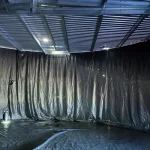
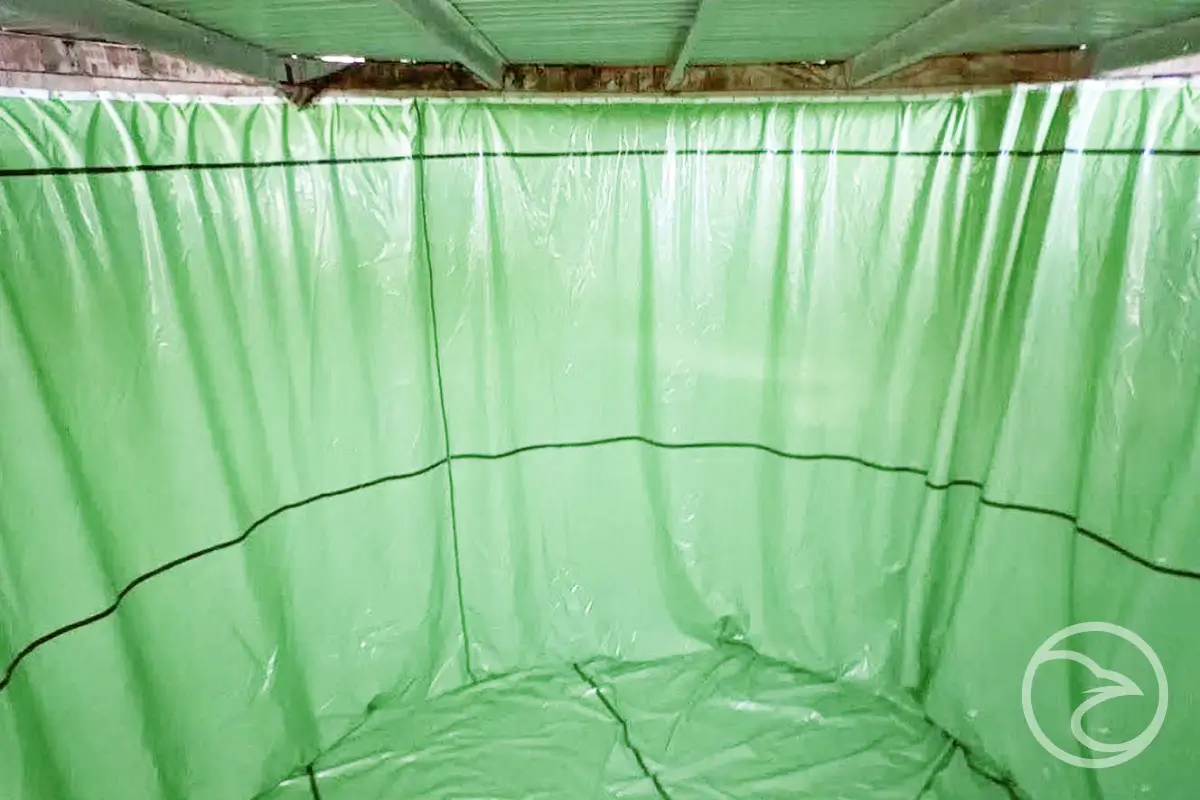
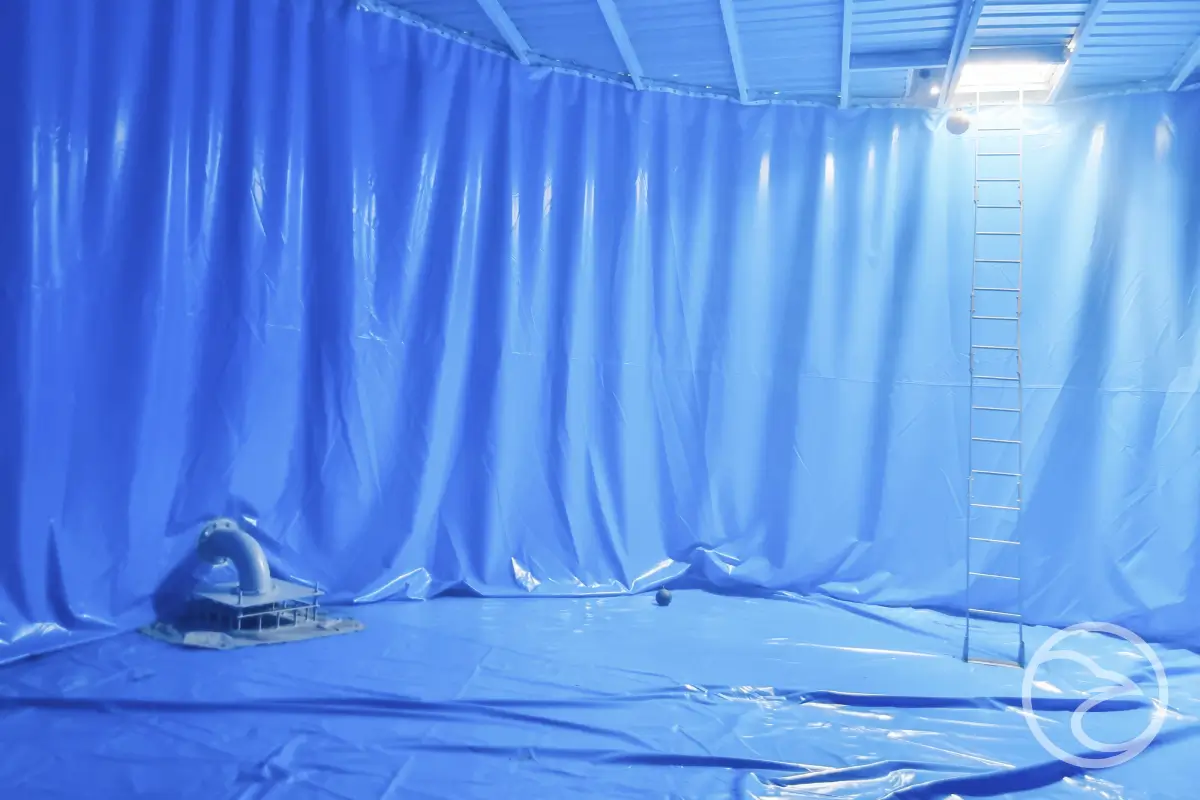
In some environments, internal liners may be recommended to provide additional protection and extend the lifespan of the tank. Liners can also improve performance where water quality or operating conditions increase the risk of corrosion.
Hot dipped galvanized tanks may also require more attention in coastal environments. Salt-laden air can accelerate corrosion if the protective coating becomes damaged or reaches the end of its service life.
Potential Limitations Include:
- Zinc coating gradually wears over time
- Routine inspections remain essential
- Coastal environments may increase corrosion risk
- Internal liners may be recommended
- Surface damage should be repaired promptly
- Water chemistry may influence tank longevity
These considerations do not reduce the value of hot dipped galvanized tanks. Instead, they highlight the importance of selecting the right storage solution, carrying out regular inspections, and following an appropriate maintenance program.
Are Hot Dipped Galvanized Water Tanks Suitable for Australian Conditions?
Hot dipped galvanized water tanks are widely used throughout Australia because they perform well in a variety of climates and operating environments. Their durable construction makes them suitable for commercial, industrial, and rural fire water storage applications.
Many Australian installations are exposed to high temperatures, prolonged UV radiation, and changing weather conditions. The galvanized coating helps protect the steel against corrosion while maintaining the structural integrity of the tank.
Hot dipped galvanized tanks are also commonly installed at mining operations, manufacturing facilities, warehouses, farms, and infrastructure projects. Their modular design simplifies transport and construction, even in remote locations.
Environmental conditions should always be considered when selecting a fire water storage solution. Coastal sites, for example, are exposed to salt-laden air, which can accelerate corrosion if protective coatings become damaged or deteriorate over time.
Hot Dipped Galvanized Tanks Perform well in:
- Commercial developments
- Industrial facilities
- Mining operations
- Agricultural properties
- Regional communities
- Remote project sites
Although galvanized tanks are well suited to Australian conditions, regular inspections remain essential. Routine maintenance helps identify corrosion, coating damage, and other issues before they affect long-term performance.
Common Applications for Hot Dipped Galvanized Water Tanks
Hot dipped galvanized water tanks support a wide range of water storage applications. Their strength, durability, and large storage capacities make them suitable for projects that require dependable long-term performance.
Fire Water Storage
Fire water storage is one of the most common applications for hot dipped galvanized tanks. They provide a dedicated water supply for sprinkler systems, hydrants, and other fire protection infrastructure.
Industrial Facilities
Industrial sites use galvanized tanks to store process water, emergency reserves, and fire protection supplies. Their modular construction allows capacities to be tailored to operational requirements.
Mining Operations
Mining facilities often require high-capacity water storage in remote environments. Hot dipped galvanized tanks provide a robust solution that performs well under demanding operating conditions.
Commercial Buildings
Commercial developments rely on fire water storage to support building fire protection systems. Galvanized tanks provide reliable long-term storage while requiring relatively low maintenance.
Agriculture
Agricultural properties use galvanized tanks for irrigation, livestock, and emergency water reserves. Their durability makes them suitable for year-round outdoor operation.
Infrastructure and Utilities
Government and utility projects often specify galvanized water tanks because of their structural strength, long service life, and ability to accommodate large storage volumes.
The versatility of hot dipped galvanized water tanks continues to make them one of the most widely used storage solutions across Australia’s commercial, industrial, and fire protection sectors.
How Long do Hot Dipped Galvanized Water Tanks Last?
Hot dipped galvanized water tanks are designed for long-term performance and can provide reliable fire water storage for several decades. Their actual lifespan depends on environmental conditions, water quality, maintenance practices, and the condition of the galvanized coating.
A well-maintained tank operating in a moderate environment will generally last longer than one exposed to harsh coastal conditions or aggressive water chemistry. Routine inspections also play an important role in extending the service life of the tank.
Over time, the protective zinc coating gradually wears as it continues protecting the underlying steel. Monitoring the condition of the coating helps identify when maintenance or refurbishment may be required.
Several factors influence how long a hot dipped galvanized water tank will perform effectively.
- Environmental conditions
- Water chemistry
- Coastal or inland location
- Maintenance frequency
- Inspection program
- Coating condition
- Tank usage
- Overall water quality
Although every installation is different, routine inspections and timely maintenance help maximise the lifespan of galvanized water tanks while reducing long-term operating costs.
Factors that Affect Tank Lifespan
The lifespan of a hot dipped galvanized water tank depends on more than the quality of its construction. Daily operating conditions and ongoing maintenance have a significant impact on long-term performance.
Environmental Exposure
Climate is one of the most important factors affecting corrosion. Coastal environments expose tanks to salt-laden air, while industrial locations may contain airborne contaminants that accelerate coating deterioration.
Water Quality
The chemical composition of stored water influences the condition of the galvanized coating. Water with unusual pH levels or high mineral content may increase corrosion over time.
Routine Maintenance
Regular inspections help identify coating damage, corrosion, loose fittings, and sediment before they become major problems. Preventive maintenance is often far less expensive than structural repairs.
Installation Quality
Correct installation helps prevent unnecessary stress on the tank structure. A properly prepared foundation also reduces movement that may affect panels, bolts, and connections.
Inspection Frequency
Consistent inspection programs allow defects to be detected early. This helps maintain structural integrity and supports reliable fire water storage throughout the tank’s service life.
Understanding these factors allows building owners to plan maintenance more effectively and maximise the return on their investment in fire water storage infrastructure.