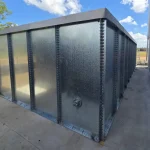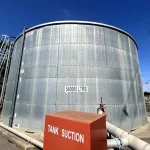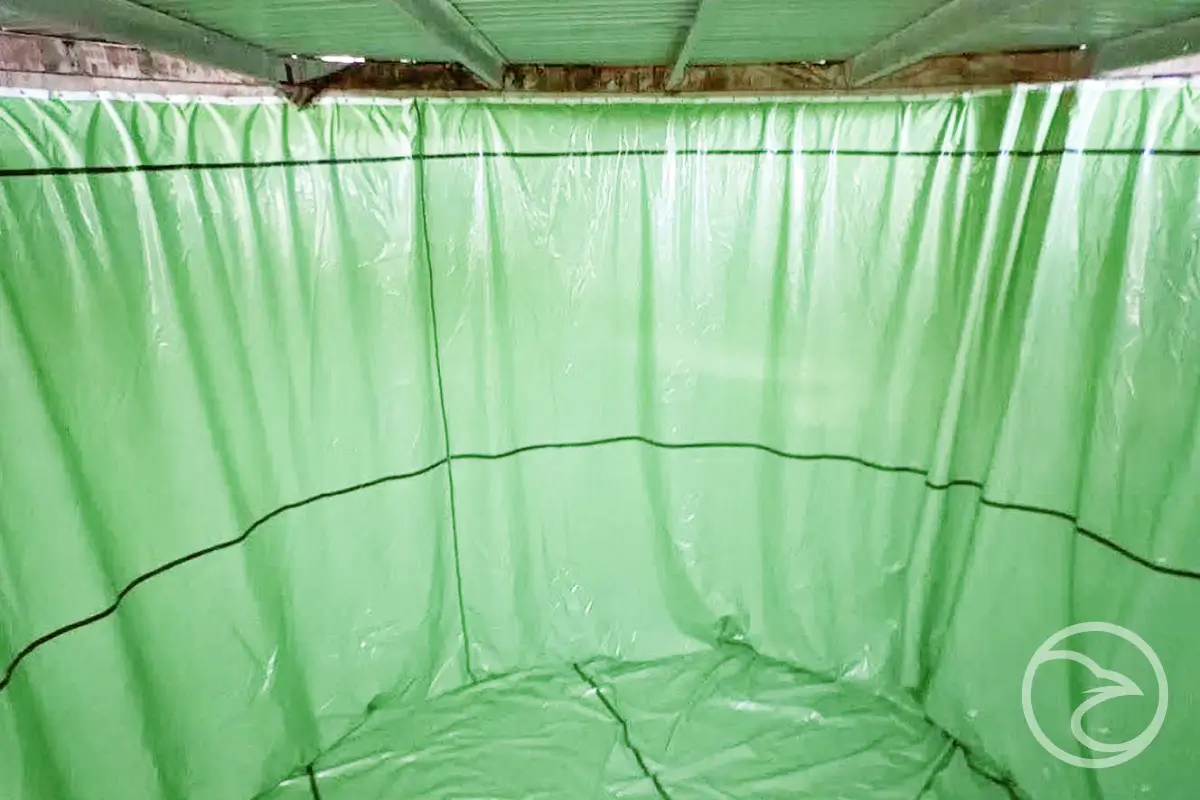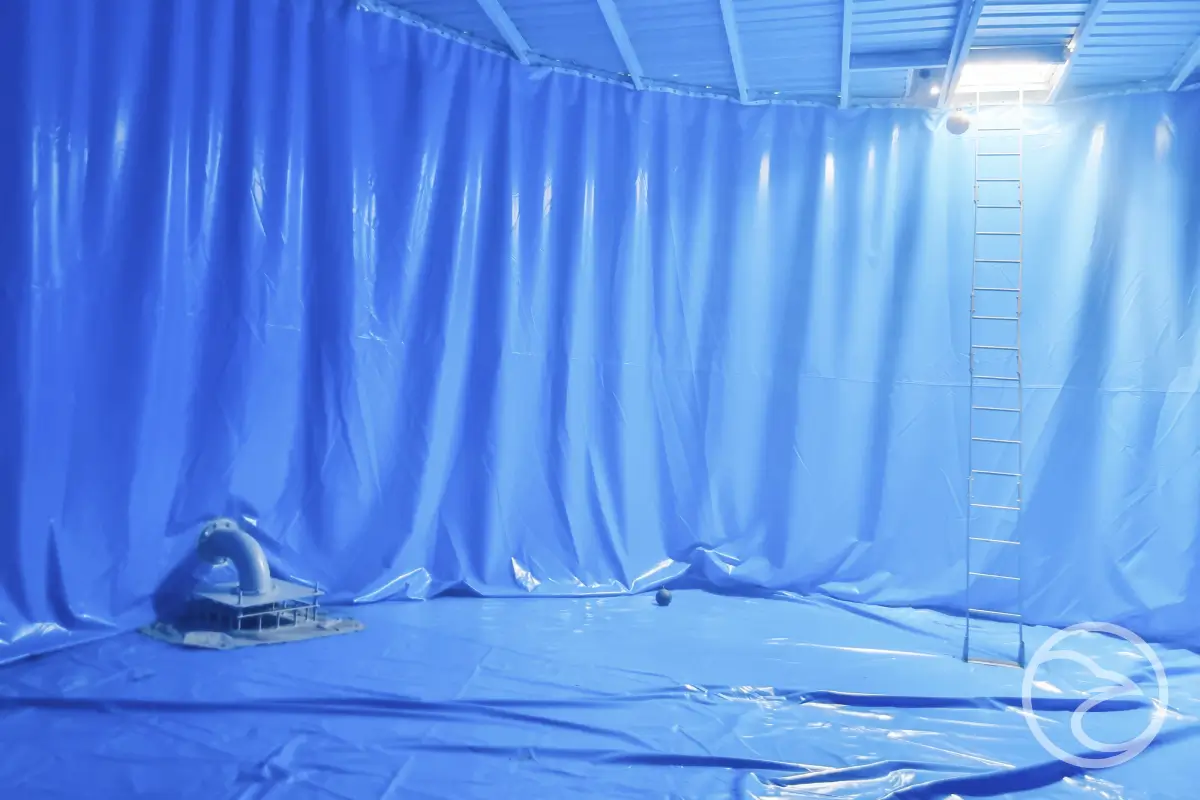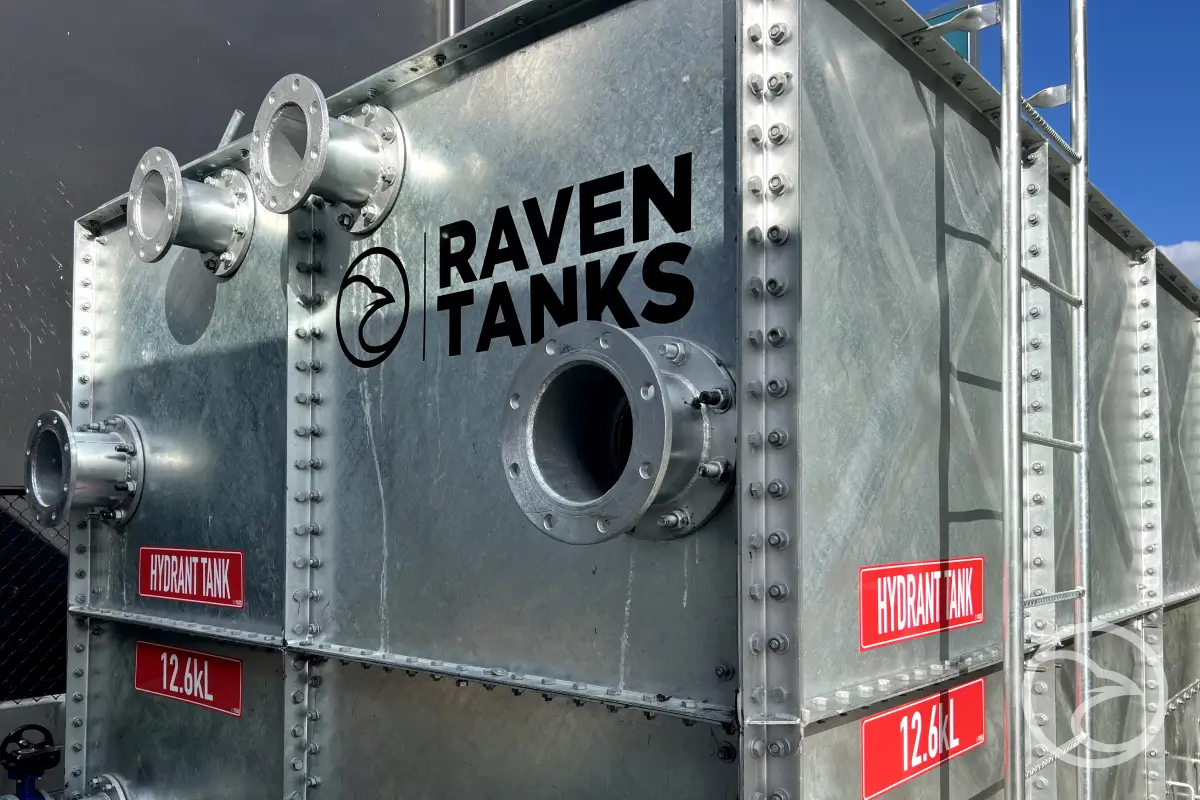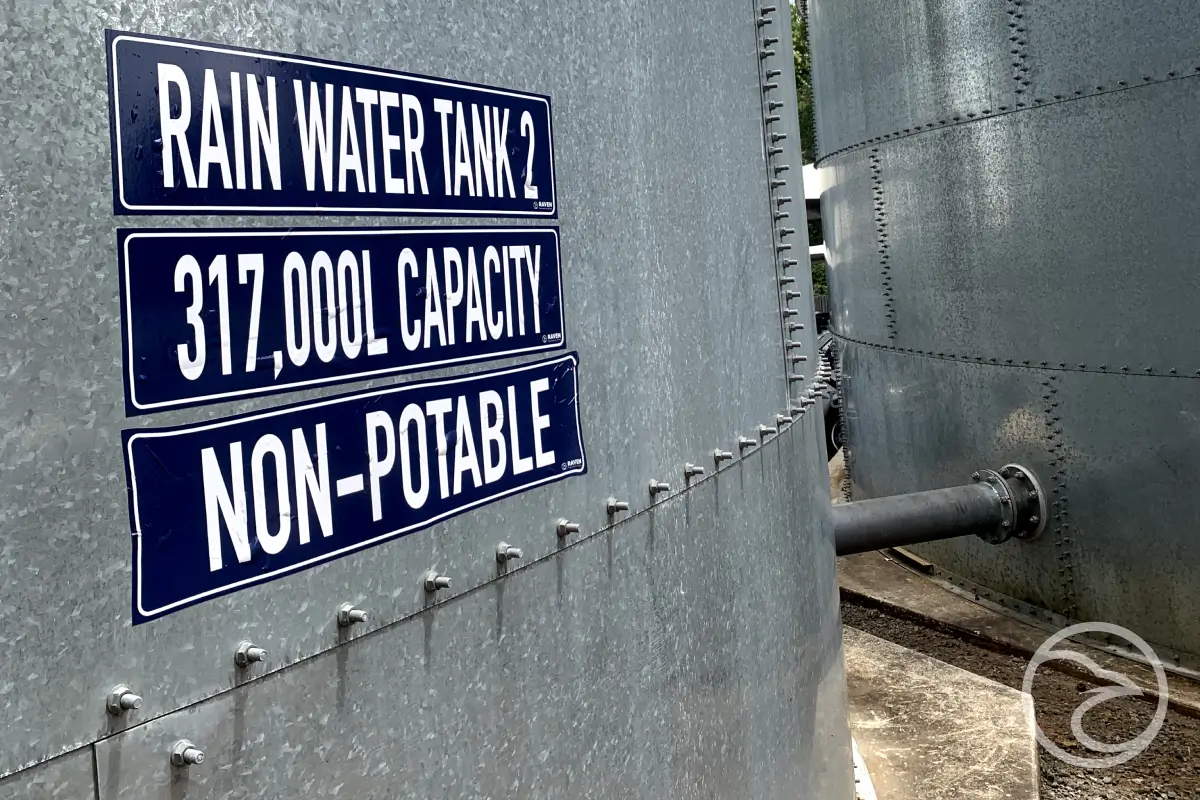
Storage tanks are essential for safely holding water, chemicals, fuels, and other industrial or agricultural materials. Over time, exposure to environmental conditions, operational stress, and natural material aging can lead to gradual structural wear. Recognizing early signs of tank structural wear helps facility operators maintain safety, reduce unexpected downtime, and protect valuable stored resources.
Surface Corrosion and Material Degradation
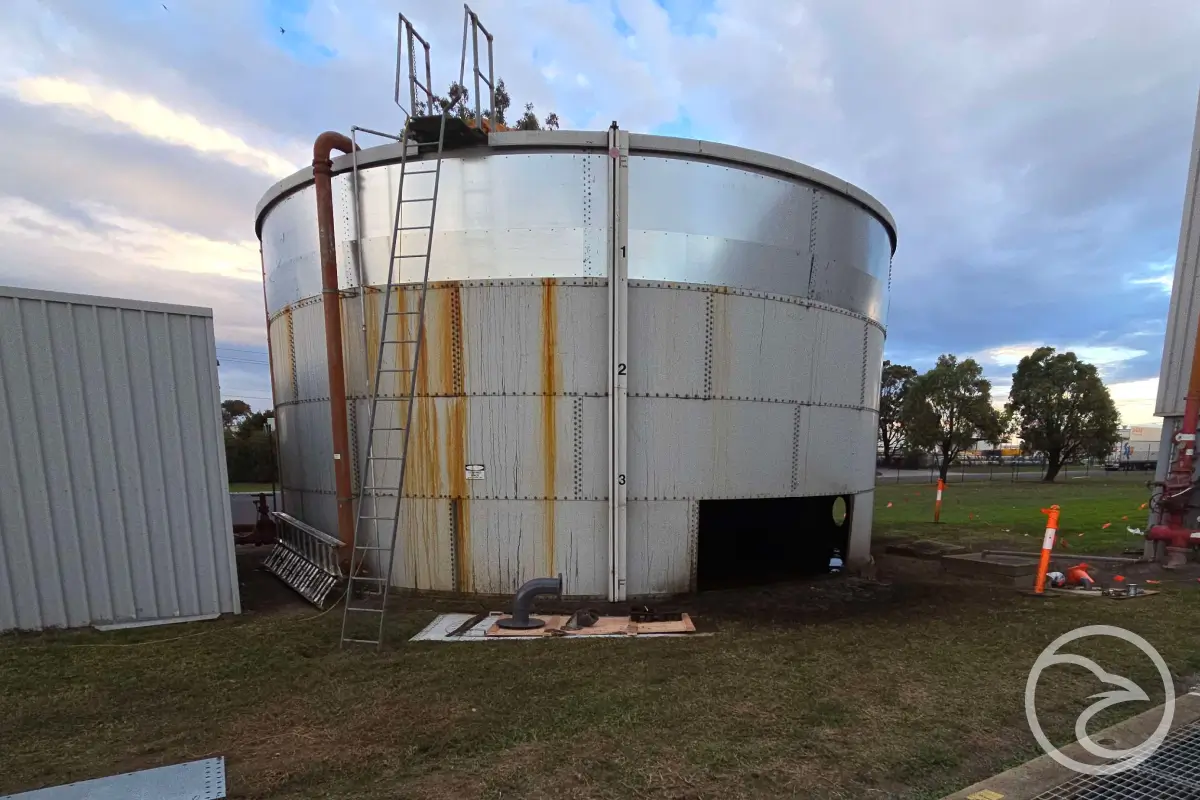
One of the most common indicators of structural wear is visible corrosion. Metal tanks, in particular, may develop rust due to moisture exposure, chemical contact, or protective coating deterioration. Even tanks made from alternative materials can show signs of surface degradation over time.
Early corrosion may appear as discoloration, pitting, or minor surface damage. While these signs may seem cosmetic initially, they often signal deeper structural changes that require monitoring to avoid more serious issues.
Cracks, Deformation, and Structural Stress
Structural cracks or unusual deformation are important warning signs. These can result from temperature fluctuations, uneven foundation settlement, internal pressure changes, or external environmental stress.
Minor cracks or slight shape distortion may develop gradually. Monitoring these changes helps ensure that structural integrity remains stable and prevents escalation into larger concerns.
Coating Wear and Waterproofing Changes
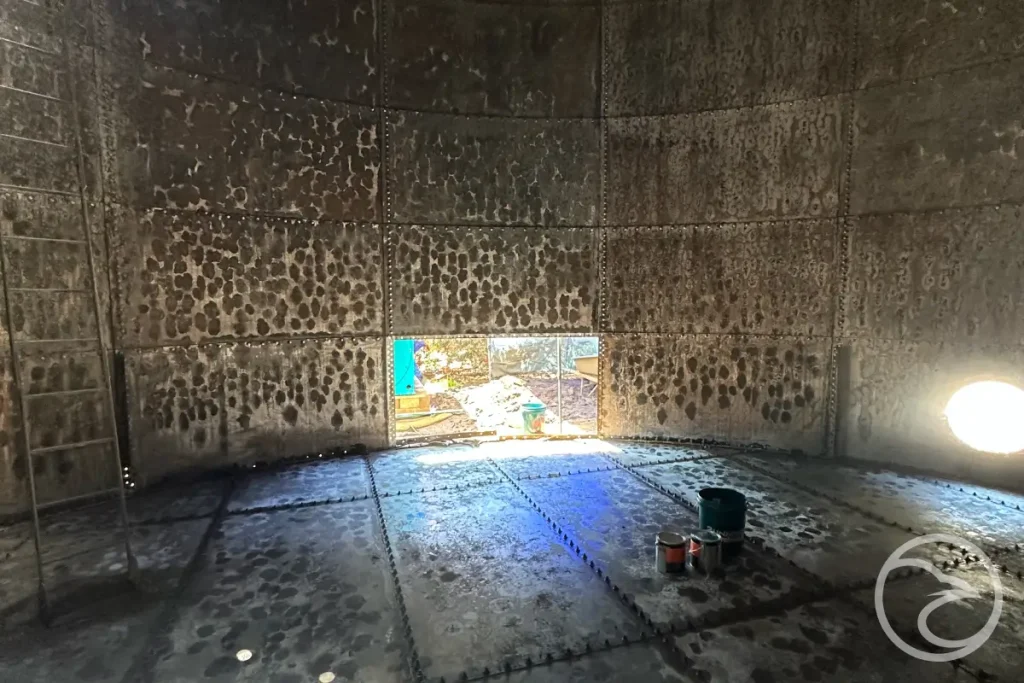
Protective coatings and waterproofing layers play a critical role in tank durability. Over time, coatings may fade, peel, blister, or lose adhesion. This deterioration exposes underlying materials to moisture, UV radiation, and chemical exposure.
Noticing coating changes early supports better long-term tank protection and helps maintain safe storage conditions.
Joint, Seal, and Connection Issues
Storage tanks often rely on joints, seams, and seals to maintain structural stability and containment. Over time, vibration, temperature shifts, and operational cycles may loosen connections or affect seal performance.
Visible gaps, moisture traces near joints, or unusual staining may indicate developing wear. Preventive structural monitoring often includes routine condition evaluations to detect these early signs.
Foundation Movement and Alignment Concerns
Tank stability depends heavily on a solid foundation. Ground movement, soil erosion, or drainage issues can lead to uneven settlement. This may cause alignment changes, additional stress on tank walls, or compromised structural balance.
Observing foundation conditions and drainage patterns helps identify potential problems before they affect tank reliability.
Environmental and Operational Factors
Environmental exposure significantly influences structural wear. Sunlight, temperature extremes, humidity, chemical exposure, and weather events can all affect tank materials over time. Operational factors such as repeated filling cycles, vibration from nearby equipment, or accidental impact also contribute to gradual wear.
Understanding these factors helps operators adapt maintenance strategies and reduce long-term risk.
Why Early Detection Matters
Signs of tank structural wear rarely appear suddenly. Most develop gradually through small, observable changes. Early awareness allows facilities to plan maintenance, manage risks proactively, and extend the useful lifespan of storage systems.
Regular observation, combined with appropriate preventive measures, supports consistent operational reliability and safety.
In many cases, preventive structural assessments help identify wear before significant issues develop.
Supporting Long-Term Storage Reliability
Maintaining tank structural integrity requires a proactive approach. Monitoring environmental conditions, maintaining protective coatings, and addressing minor structural changes early all contribute to better long-term performance.
When early signs of tank structural wear are recognized and addressed thoughtfully, storage systems remain safer, more efficient, and more dependable over time.