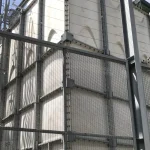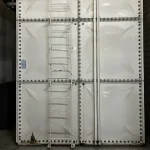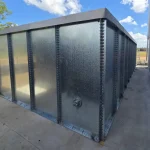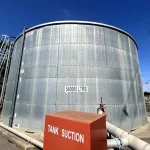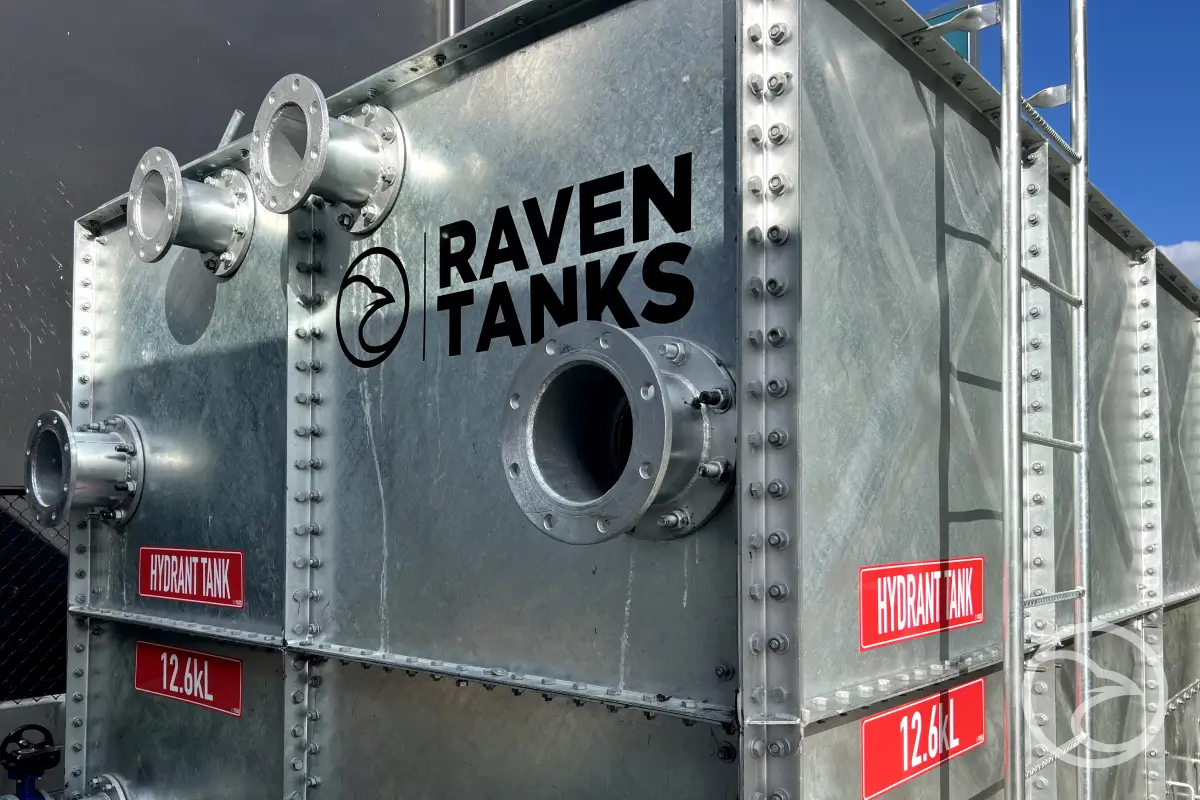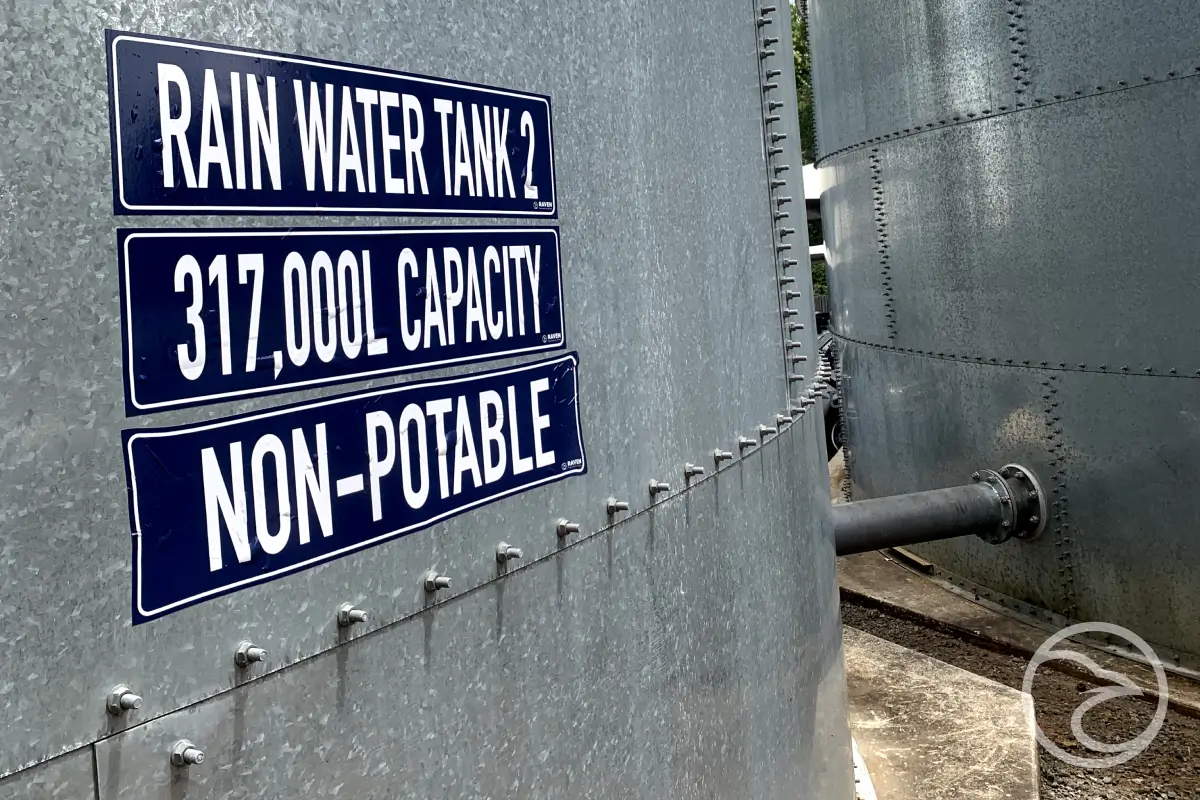
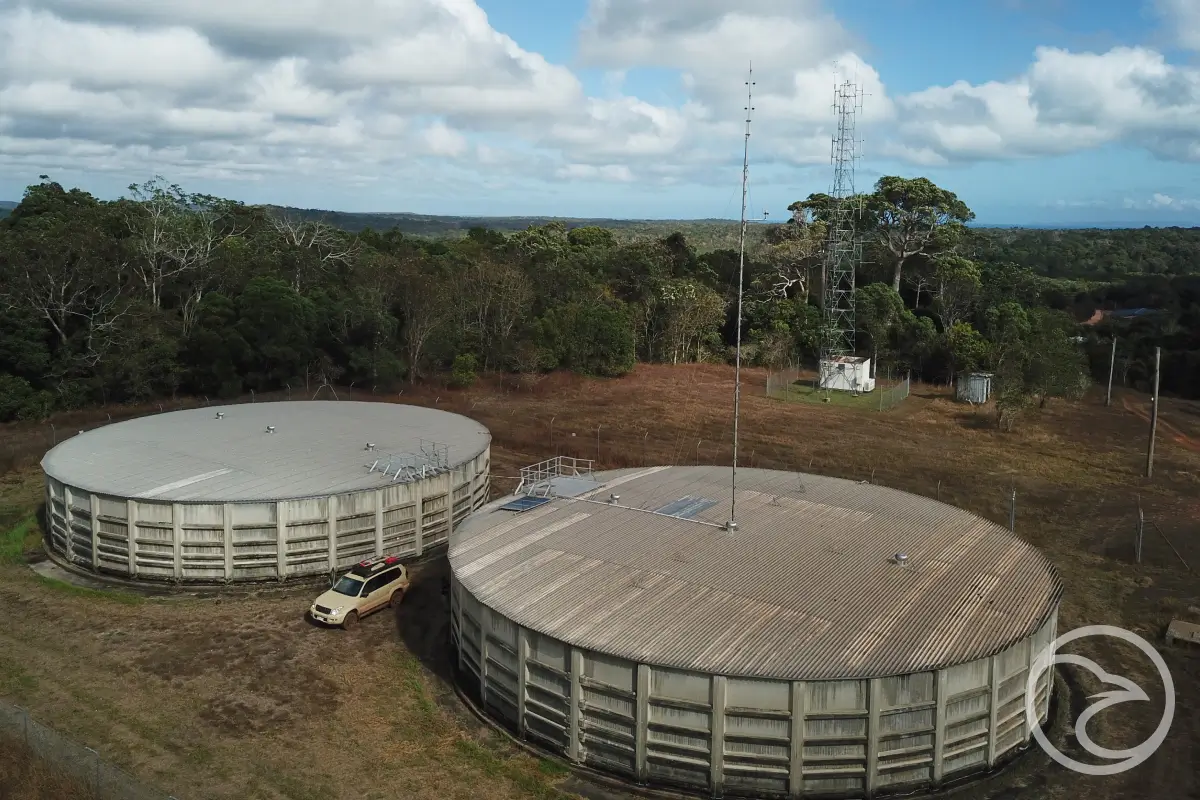
Industrial water storage tanks are often treated as static infrastructure assets. Once installed, they are expected to function reliably for years with minimal attention. In practice, however, water storage systems are exposed to constant physical, environmental, and operational influences that gradually affect their performance. Routine maintenance plays a critical role in managing these changes and supporting long-term system reliability.
Rather than focusing on emergency repairs or regulatory interventions, structured maintenance addresses small issues before they escalate into operational risks.
Why Water Storage Systems Degrade Over Time
Even well-designed tanks experience gradual wear. Environmental exposure, water chemistry, sediment accumulation, and mechanical stress all contribute to internal and external deterioration. These processes typically occur slowly, making them difficult to detect without regular observation.
Common long-term influences include:
- temperature fluctuations affecting materials and seals
- moisture exposure leading to corrosion or coating breakdown
- sediment settling that alters internal flow patterns
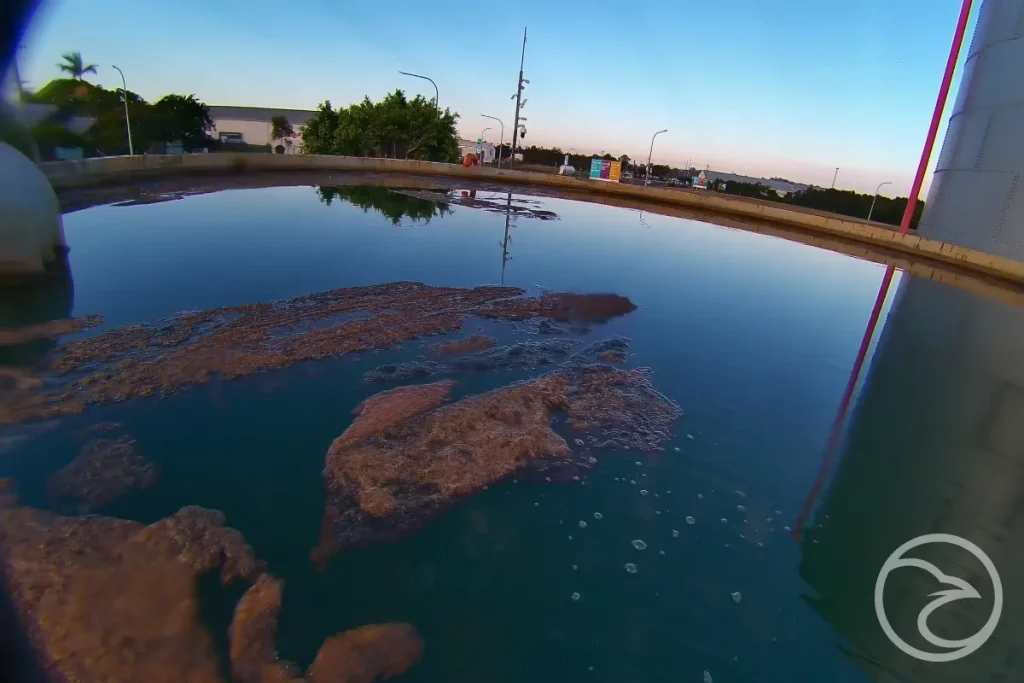
- biological growth that impacts water quality
Without routine oversight, these factors can reduce storage efficiency and shorten asset lifespan.
The Role of Preventive Maintenance in System Stability
Routine maintenance focuses on preserving existing conditions rather than restoring failed components. This approach helps maintain structural stability, internal cleanliness, and operational consistency.
Preventive maintenance activities often include visual condition checks, surface assessments, verification of fittings, and monitoring internal conditions. When performed consistently, these actions help operators understand how the system is aging and where gradual changes are occurring.
This information allows maintenance planning to remain proactive instead of reactive.
How Maintenance Supports Water Quality Management
Water quality is closely tied to tank condition. Sediment accumulation, surface degradation, and internal deposits can all influence stored water over time. Even in systems that are rarely used, stagnant conditions can accelerate quality decline.
Routine maintenance supports water quality by identifying early signs of contamination risk and verifying that internal surfaces remain stable. While maintenance does not replace treatment processes, it helps ensure that storage conditions do not undermine overall water management strategies.
Reducing Operational Risk through Ongoing Oversight
Unplanned system issues often arise from small, overlooked changes. Loose fittings, coating defects, or minor structural movement can progress unnoticed until performance is affected.
Regular maintenance reduces operational risk by:
- identifying deviations from baseline conditions
- confirming that access points and components remain functional
- monitoring areas exposed to repeated stress
This level of oversight supports predictable system behaviour, which is especially important in industrial environments where water availability is operationally critical.
Maintenance as Part of Asset Lifecycle Planning
Water storage tanks represent long-term investments. Maintenance contributes directly to extending asset lifespan by slowing deterioration and preserving original design performance.
From a lifecycle perspective, routine maintenance helps delay major interventions by maintaining system integrity. It also provides valuable historical data, allowing asset owners to make informed decisions about future upgrades or system changes.
Rather than being viewed as an isolated task, maintenance functions as an ongoing part of asset management.
Integrating Maintenance into Long-Term System Strategy
Effective maintenance is most beneficial when integrated into a broader operational strategy. This includes aligning inspection intervals with system usage, environmental exposure, and operational importance.
By treating maintenance as a continuous process rather than a response to failure, industrial facilities can support consistent performance while reducing unexpected downtime.
Conclusion
Routine maintenance plays a foundational role in supporting the long-term performance of industrial water storage systems. By addressing gradual changes, preserving internal conditions, and reducing operational risk, maintenance helps ensure that storage infrastructure continues to perform as intended over time.
Rather than focusing solely on compliance or repair, a structured maintenance approach supports reliability, predictability, and informed asset management.
Over time, integrating routine checks into broader long-term water storage management helps facilities maintain system reliability and operational consistency.