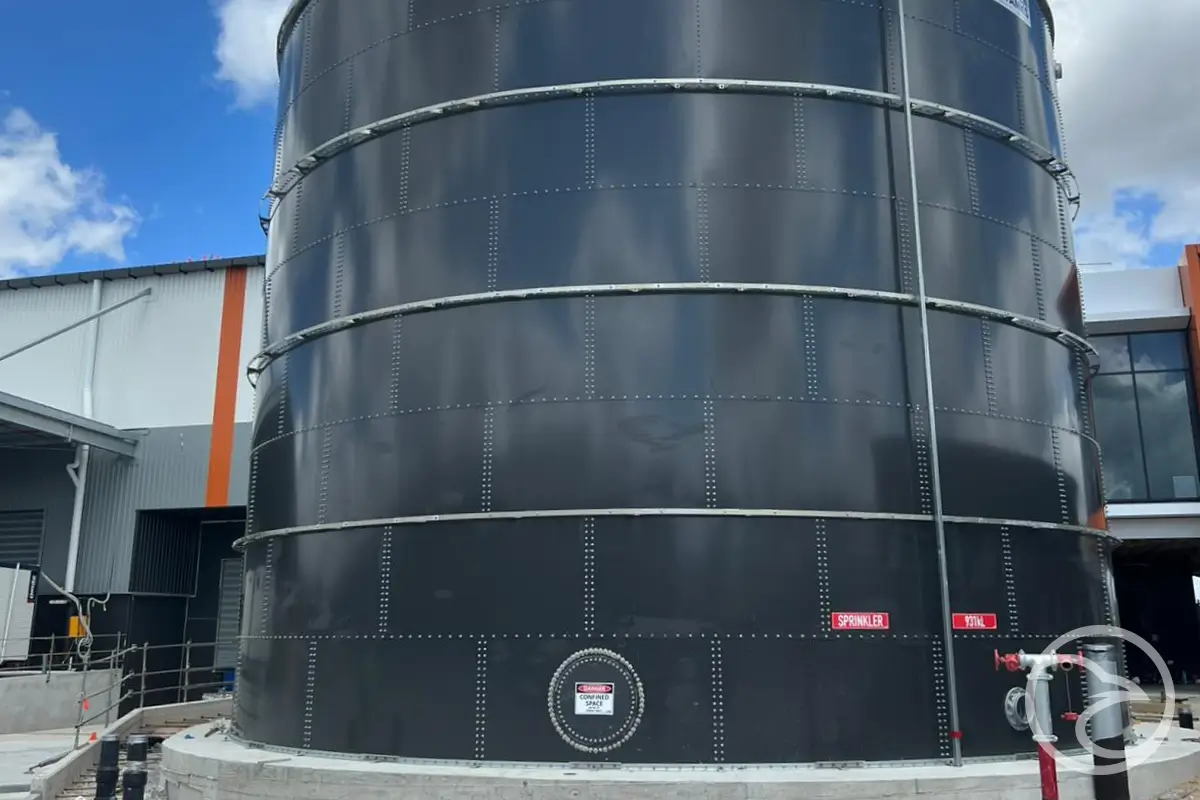
Fire water systems are designed to remain operational for years, often with minimal day-to-day interaction. Their primary role is clear: provide dependable water supply during emergencies when failure is not an option. However, long-term reliability is not guaranteed by design alone. Over time, even well-engineered fire water systems can experience gradual performance decline driven by a combination of technical, environmental, and operational factors.
Understanding what affects long-term system behaviour helps explain why reliability issues often emerge slowly and remain unnoticed until critical stages.
Reliability as a Long-Term System Characteristic
Fire water reliability should be viewed as a dynamic condition rather than a fixed system attribute. From commissioning onward, every system is exposed to changing loads, environmental stress, and evolving operational demands. While components may initially perform within expected tolerances, cumulative effects gradually influence system integrity.
This is why reliability loss is rarely sudden. Instead, it develops incrementally as small deviations compound over time.
Design Decisions and their Long-Term Impact
System reliability begins with design. Choices made at the planning stage directly influence how a fire water system performs years later. Tank configuration, material selection, corrosion protection strategies, and hydraulic layout all shape long-term outcomes.
Designs that prioritise initial compliance but overlook future access, inspection visibility, or internal condition management may appear robust early on but prove vulnerable over time. In contrast, systems designed with lifecycle considerations tend to retain performance consistency for longer periods.
Environmental Exposure and External Stress
Environmental conditions play a critical role in long-term reliability. Fire water systems are often exposed to temperature fluctuations, humidity, UV radiation, airborne contaminants, and ground movement. Each factor contributes differently depending on system location and operating context.
In coastal or industrial environments, accelerated corrosion and material fatigue can develop even when external surfaces appear intact. These environmental influences gradually affect system performance, often beneath visible thresholds.
Internal Conditions and Hidden Degradation
Internal system conditions are among the most underestimated contributors to reliability decline. Sediment accumulation, internal corrosion, microbiological activity, and water quality variations directly influence system efficiency and component longevity.
Because these changes occur out of sight, they frequently remain unaddressed until performance degradation becomes measurable. Over time, internal deterioration can restrict flow paths, compromise structural elements, and reduce effective storage capacity.
Operational Patterns and System Use
How a fire water system is used over its lifespan significantly affects reliability. Systems that remain static for extended periods experience different stress profiles compared to those subject to periodic testing, turnover, or controlled operational cycling.
Infrequent activation may increase the likelihood of stagnation-related issues, while inconsistent operating procedures can introduce uneven wear across system components. Operational discipline, even in non-emergency conditions, plays a quiet but meaningful role in sustaining long-term reliability.
Maintenance Approach and Reliability Outcomes
Maintenance strategy influences how reliability evolves rather than whether maintenance exists at all. Reactive approaches tend to address visible issues only after performance impact is detected, while proactive strategies focus on understanding gradual system change.
Fire water reliability improves when maintenance is aligned with system ageing rather than calendar intervals alone. Recognising early indicators of change allows system operators to respond before reliability loss becomes critical.
Monitoring and System Awareness
Modern monitoring tools have reshaped how reliability trends are identified. Data from level indicators, pressure monitoring, and condition assessments provide valuable insight into system behaviour over time.
However, monitoring is only effective when interpreted within a broader system context. Isolated data points rarely explain reliability loss on their own. A system-wide perspective is essential to distinguish normal variation from early signs of decline.
Why Reliability Loss Often Goes Unnoticed
One of the defining characteristics of fire water systems is long periods of inactivity. This operational reality creates a false sense of stability. Systems may appear unchanged for years while underlying conditions slowly evolve.
Because reliability degradation does not immediately disrupt daily operations, it is often overlooked until compliance reviews, inspections, or emergency demands expose performance gaps.
A Lifecycle Perspective on Fire Water Systems
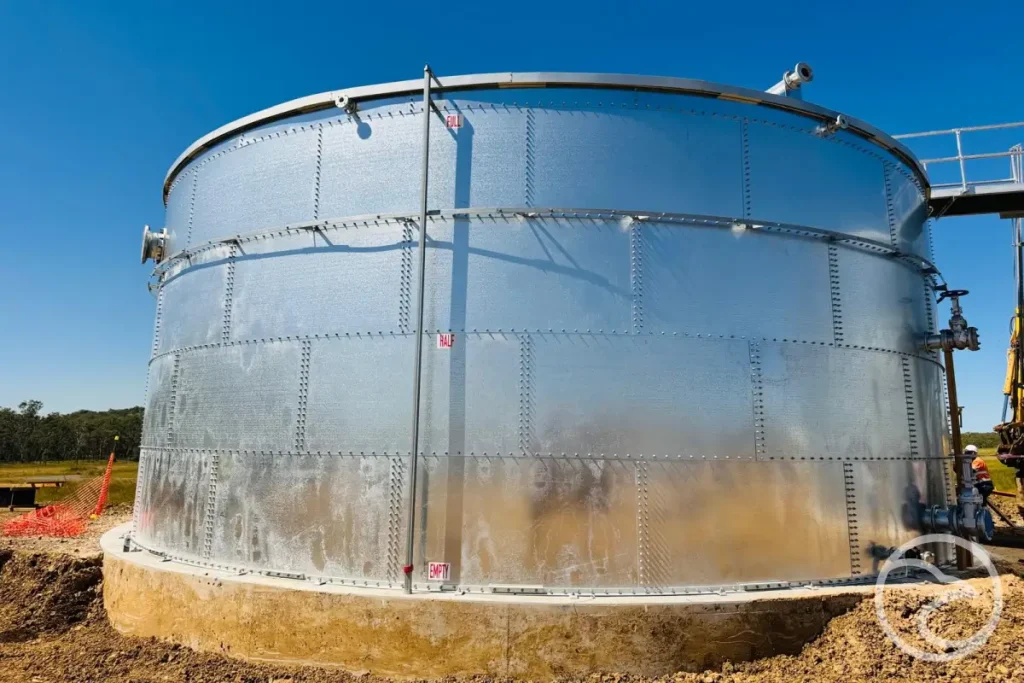
Viewing fire water systems through a lifecycle lens helps clarify why reliability outcomes vary so widely between installations. Design intent, environment, internal conditions, and operational behaviour interact continuously throughout the system’s service life.
Long-term fire water reliability is not determined by a single factor but by how effectively these influences are managed together over time.
Final Thoughts
Fire water systems are expected to perform flawlessly when needed most, yet their reliability is shaped quietly over years of exposure, use, and gradual change. Recognising reliability as a time-dependent system characteristic helps explain why issues emerge slowly and why proactive understanding is essential.
A structured, system-wide approach to reliability supports informed decision-making and helps ensure that fire water systems remain dependable throughout their operational lifespan.
From a lifecycle perspective, understanding long-term fire water reliability depends heavily on consistent system condition assessment over time.