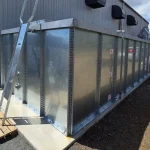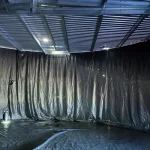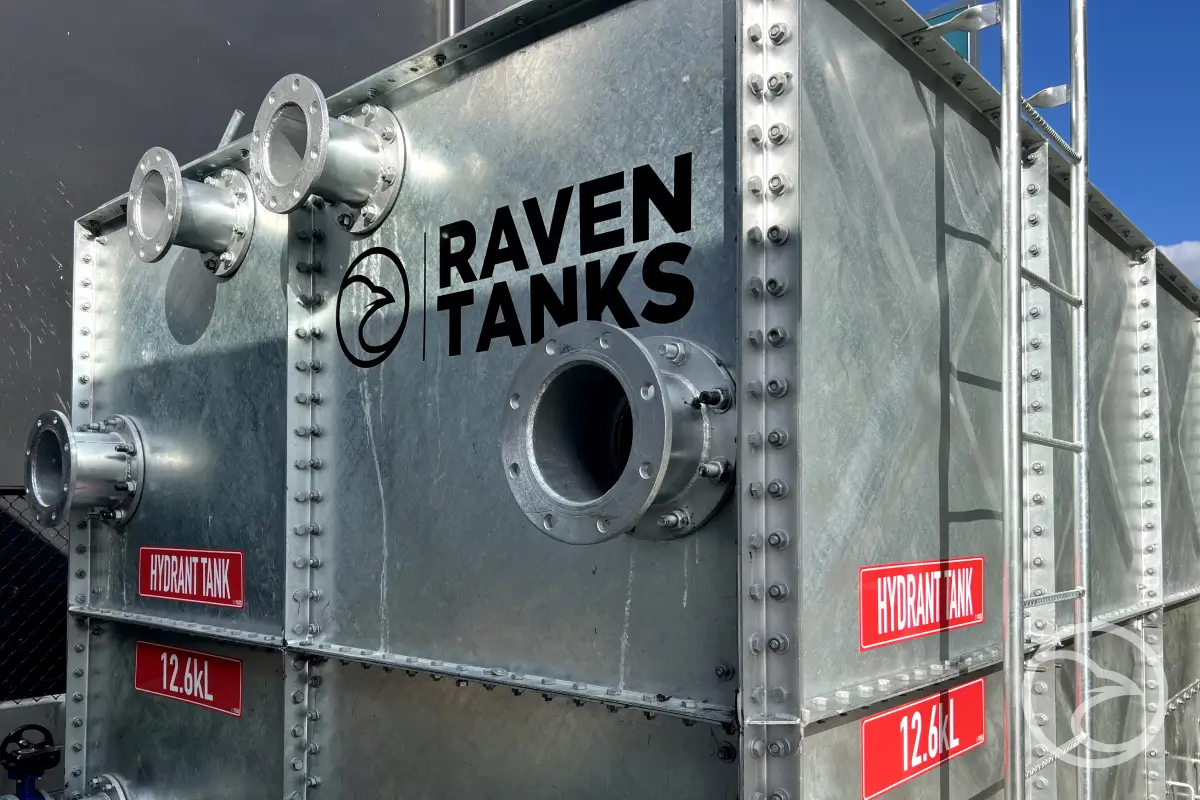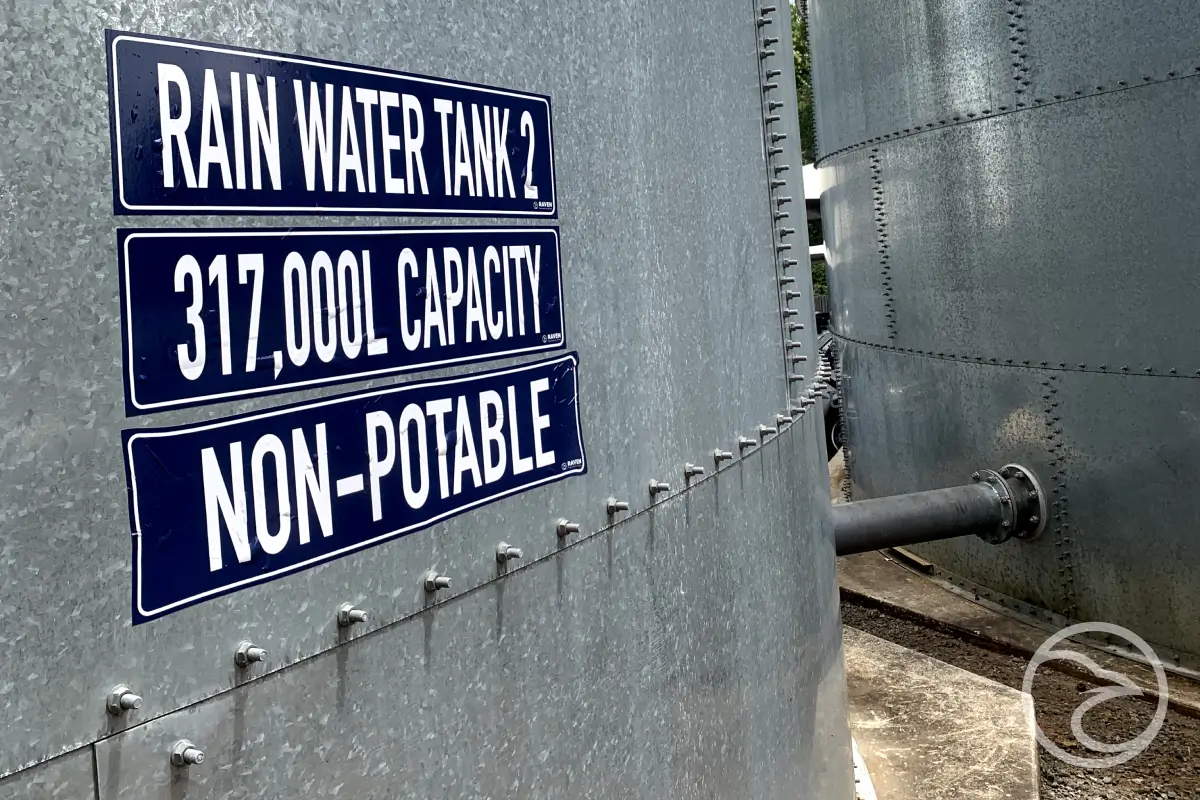
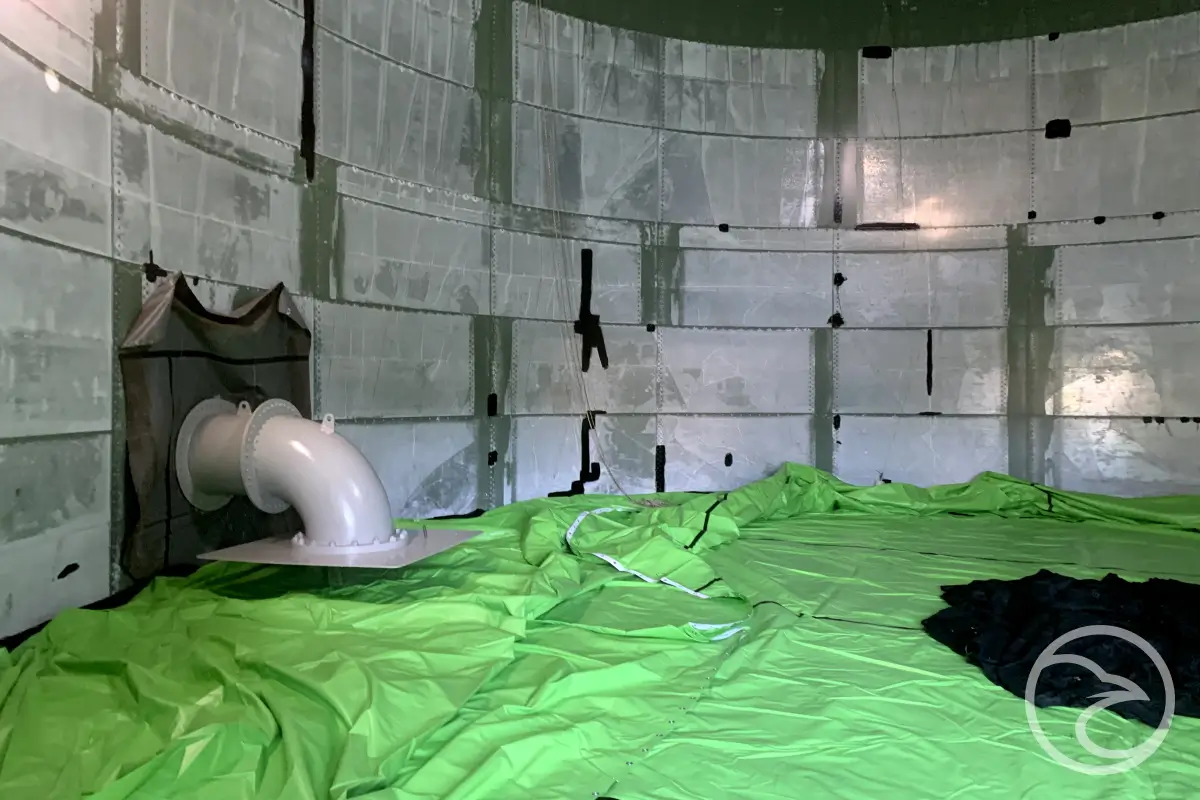
Water tank liners play a critical role in protecting storage tanks from leaks, corrosion, and contamination. Over time, even the most durable liners can suffer damage from wear, chemical exposure, or improper maintenance. Tank Liner Repair Service help restore the tank’s functionality, prevent costly water loss, and extend the system’s lifespan. This guide explains common liner issues, repair methods, and best practices to ensure long-lasting results.
Common Signs Your Water Tank Liner Needs Repairs
Early detection can save significant repair costs. Look for:
- Visible cracks or tears in the liner surface.
- Water leakage from seams or joints.
- Discoloration or blistering due to chemical reactions.
- Sediment build-up indicating liner deterioration.
- Loss of water pressure caused by liner separation.
Ignoring these signs can lead to severe damage, contamination risks, and even complete tank failure.
Causes of Liner Damage
Understanding the cause of damage ensures the right repair method is chosen:
- Aging materials – liners degrade over years of use.
- Chemical corrosion from stored liquids.
- UV exposure in outdoor tanks without proper covering.
- Abrasion from debris or cleaning equipment.
- Incorrect installation leading to seam failure.
Repair Methods for Water Tank Liner Repair Service
For minor issues, patching can be done using:
- High-quality adhesives.
- Compatible patch material.
- Heat welding for thermoplastic liners.
When seams begin to separate, resealing prevents further leakage:
- Application of food-grade sealants for potable water tanks.
- Heat bonding for industrial applications.
Full or Partial Liner Replacement:
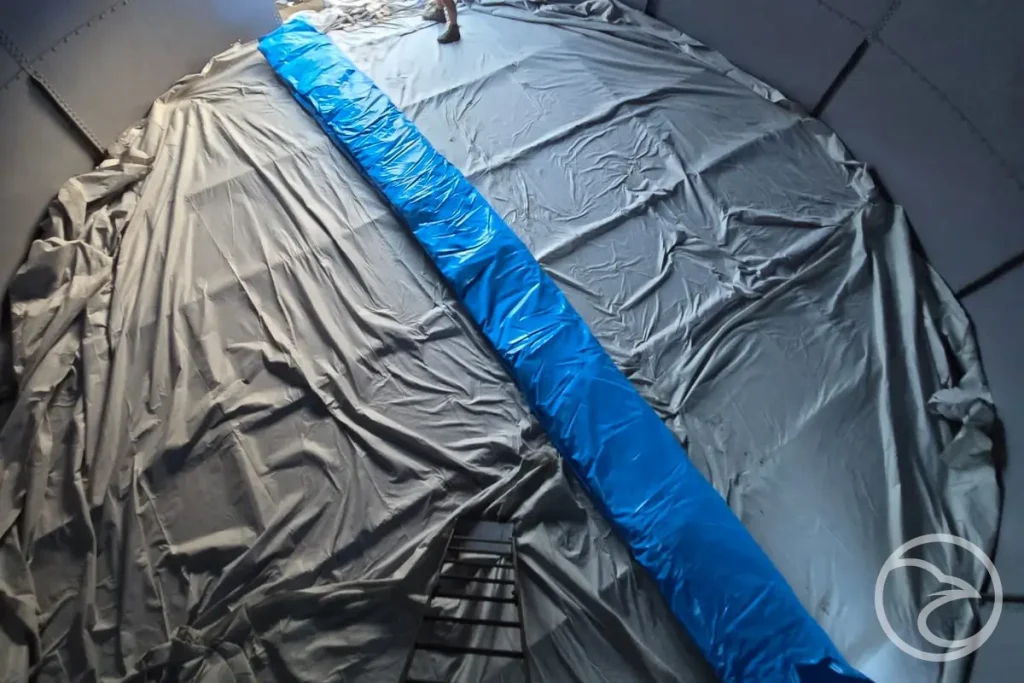
- If damage is extensive, replacing the liner may be more cost-effective than continuous patching. Modern liners, such as PVC, polyethylene, or butyl rubber, offer improved durability.
Repairing Liners in Different Tank Types
- Potable Water Tanks – Require food-grade materials to ensure safe drinking water storage.
- Concrete Tanks – Liners prevent seepage and protect against cracks in the concrete.
- Steel Tanks – Liner repairs protect against rust and corrosion.
- Plastic Tanks – Repairs must ensure compatibility to prevent chemical reactions.
Professional vs. DIY Liner Repairs
While small patches can be handled by skilled facility teams, professional liner repair services ensure:
- Correct material selection.
- Safe confined space entry procedures.
- Long-term sealing performance.
- Compliance with industry standards.
For industrial and municipal water systems, hiring certified repair specialists is recommended.
Maintenance Tips to Extend Liner Life
- Schedule regular inspections every 6–12 months.
- Remove debris and sediment promptly.
- Use correct cleaning agents to avoid chemical damage.
- Protect liners from excessive UV exposure.
- Repair small issues before they become major problems.
Conclusion
Water tank liner repairs are essential for maintaining storage tank integrity, preventing leaks, and ensuring safe water storage. Whether it’s a small patch or a full liner replacement, timely action can save money and extend your tank’s service life. Partnering with experienced professionals guarantees high-quality repairs and long-term reliability.
For expert water tank liner repairs that restore your system’s performance and reliability, call us today at +1 800 656 0167 to discuss your needs.