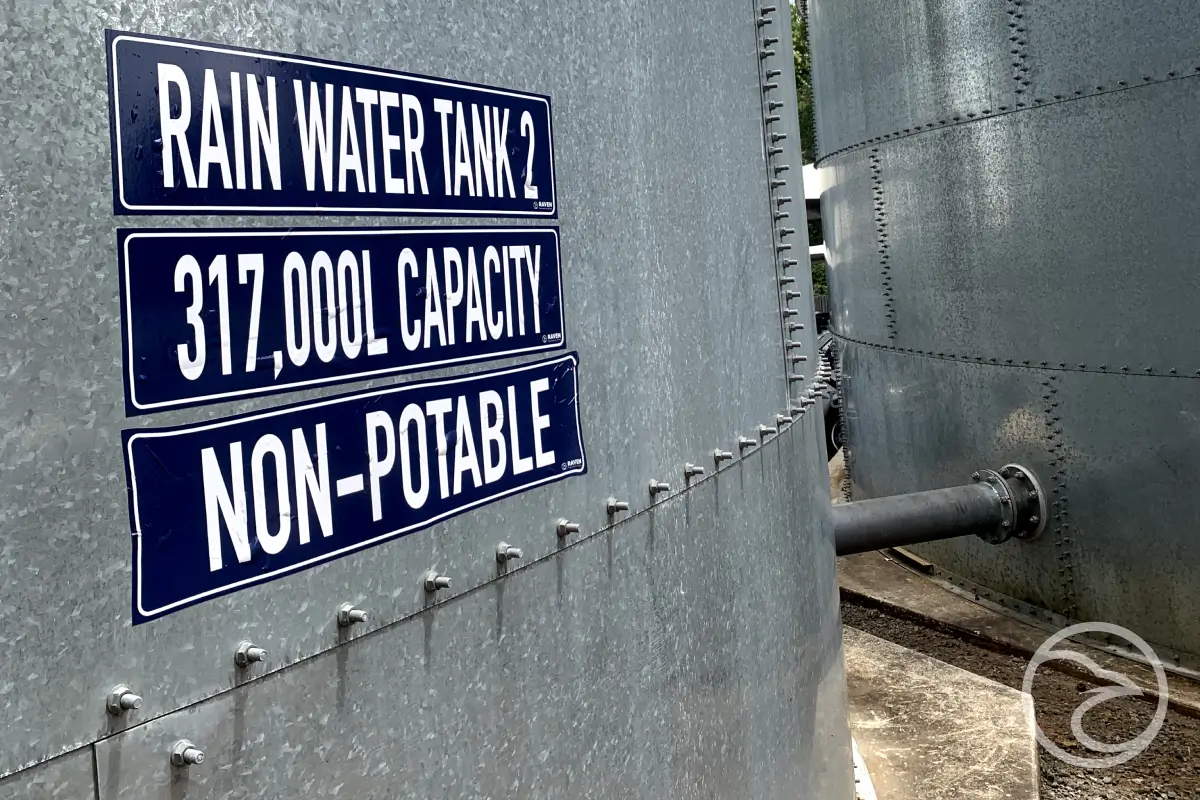
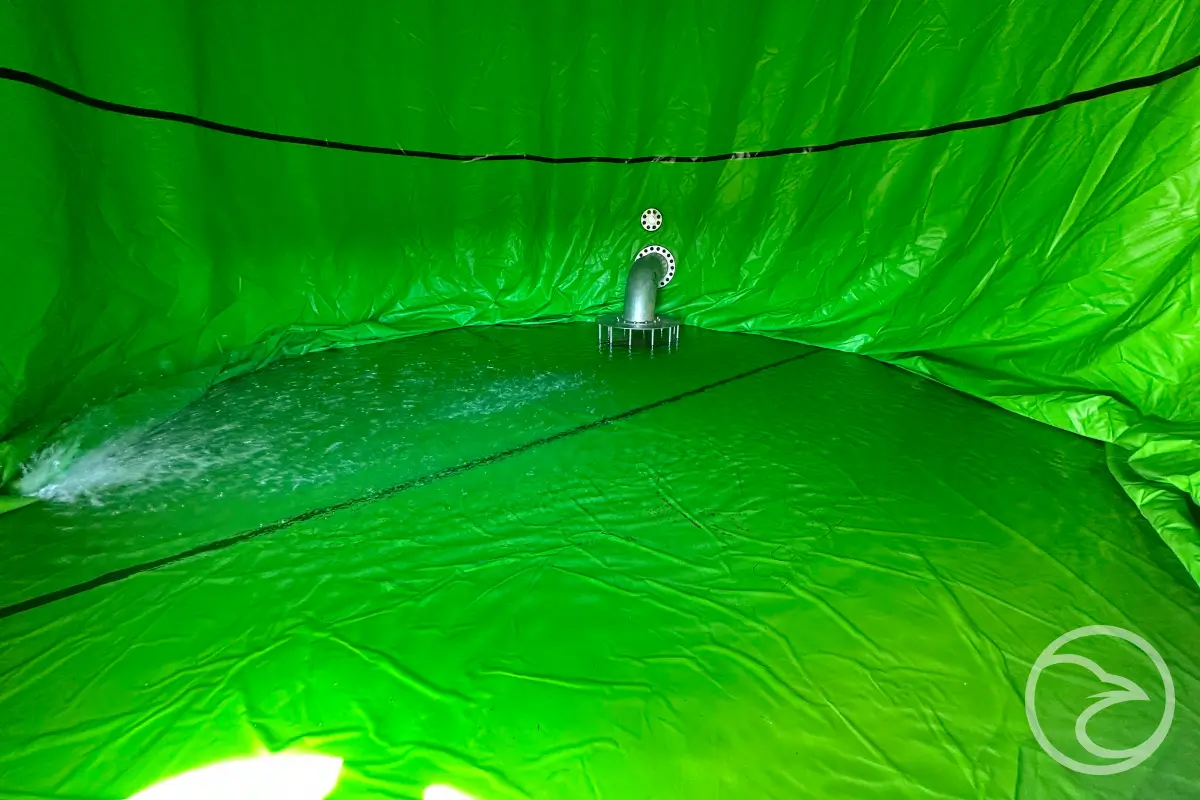
Tank water retention systems play an important role in maintaining stable water levels and protecting storage structures from gradual water loss. Storage tanks are designed to hold water safely over long periods, yet even well-constructed tanks can experience water migration, seepage, or internal moisture movement. Understanding how water retention systems function helps explain their role in long-term tank performance and structural durability.
What are Tank Water Retention Systems
Tank water retention systems refer to internal and structural measures that limit unwanted water movement within or through a storage tank. Their primary purpose is to keep stored water contained while reducing interaction between water and tank materials. Rather than focusing on external containment, these systems address how water behaves inside the tank environment.
Water retention systems are especially relevant in tanks constructed from concrete, steel, or composite materials. Each material interacts differently with stored water, making retention strategies an essential part of overall tank design and long-term operation.
Why Water Retention Matters in Storage Tanks
Even minor water loss can indicate underlying structural or material issues. Over time, small amounts of water migration may lead to surface degradation, material fatigue, or internal damage. Tank water retention systems help reduce these risks by stabilising internal conditions and minimising direct exposure between water and structural components.
In long-term storage applications, tanks often remain filled for extended periods with limited turnover. Under these conditions, consistent water retention supports predictable performance and helps preserve internal surfaces.
How Water Moves within Tank Structures
Water movement inside a tank is not always visible. Moisture can migrate through microcracks, joints, or porous materials, especially in concrete tanks. Temperature changes may also influence internal pressure and condensation, creating additional moisture pathways.
Tank water retention systems address these challenges by creating controlled internal boundaries. These boundaries limit moisture penetration and help maintain consistent internal conditions, reducing the likelihood of gradual leakage or seepage.
Material Interaction and Retention Performance
Different tank materials require different approaches to water retention. Concrete tanks may experience capillary absorption, where water slowly penetrates surface layers. Steel tanks face risks associated with condensation and corrosion if water contacts unprotected surfaces. Composite tanks, while resistant to many forms of degradation, can still be affected by long-term moisture exposure at joints and connections.
Tank water retention systems help manage these material-specific interactions. By reducing prolonged contact between water and structural surfaces, retention systems support material stability and slow ageing-related changes.
Maintaining stable internal moisture conditions is a key aspect of long-term tank performance, a topic commonly examined within broader discussions on moisture control and internal water containment in storage tanks.
Environmental and Operational Influences
Environmental conditions influence how effectively water retention systems perform. Temperature fluctuations, humidity, and external groundwater pressure can all affect internal moisture behaviour. Seasonal changes may alter internal water levels or create condensation cycles within the tank.
Operational factors also play a role. Filling patterns, static storage periods, and maintenance activities introduce movement and stress that can affect retention performance. Understanding these influences helps explain why water retention systems must function consistently under varying conditions.
Long-Term Effects of Inadequate Water Retention
When tank water retention systems are insufficient, gradual water loss may occur without immediate detection. Over time, this can lead to internal surface degradation, structural weakening, or reduced storage efficiency. In some cases, moisture migration may also affect surrounding structures or foundations.
By contrast, effective water retention supports long-term reliability. Stable internal conditions reduce material stress and help preserve the tank’s intended storage capacity.
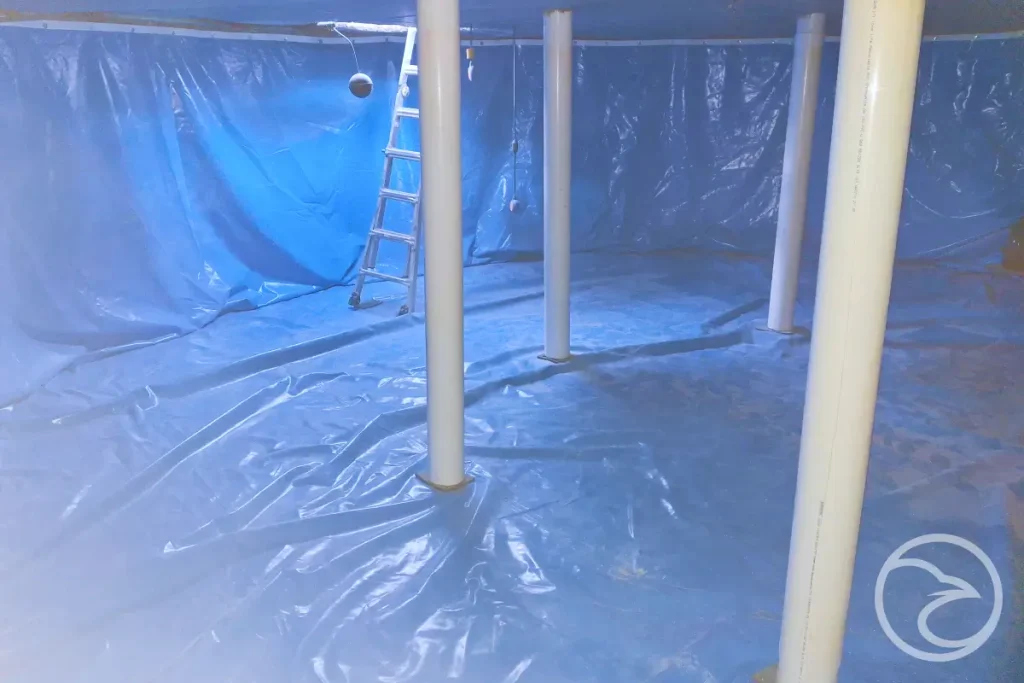
The Role of Water Retention in Tank Lifecycle Planning
Tank water retention systems are a key consideration in long-term storage planning. Rather than addressing water loss only after it becomes noticeable, retention strategies focus on prevention and control from the outset. This proactive approach supports predictable tank behaviour and reduces the likelihood of unexpected performance issues.
Evaluations of tank performance over time often consider how well water retention systems limit internal moisture movement. These assessments provide valuable insight into the relationship between retention, material durability, and overall tank lifespan.
Understanding Tank Water Retention Systems in Context
Tank retention systems are not standalone elements but part of a broader framework of internal protection and structural stability. By understanding how these systems function and why they matter, engineers and facility managers can better interpret ageing-related changes in storage tanks.
This knowledge supports informed decision-making and highlights the importance of water retention as a foundational aspect of reliable, long-term water storage.