Fuel and chemical spills can cause significant environmental and operational problems. Secondary containment systems help reduce these risks by providing an additional layer of protection when primary storage equipment fails.
Whether a facility stores diesel, oil, chemicals, or other liquids, understanding secondary containment liner requirements is essential for maintaining a safe, compliant, and environmentally responsible site.
What is Secondary Containment?
Secondary containment is a system designed to capture leaks, spills, and overflows from tanks, drums, pipes, and other storage equipment.
The primary container holds the liquid. The secondary containment system serves as a backup barrier if that container is damaged or compromised.
Common examples include:
- Containment bunds
- Retention basins
- Spill pallets
- Concrete containment areas
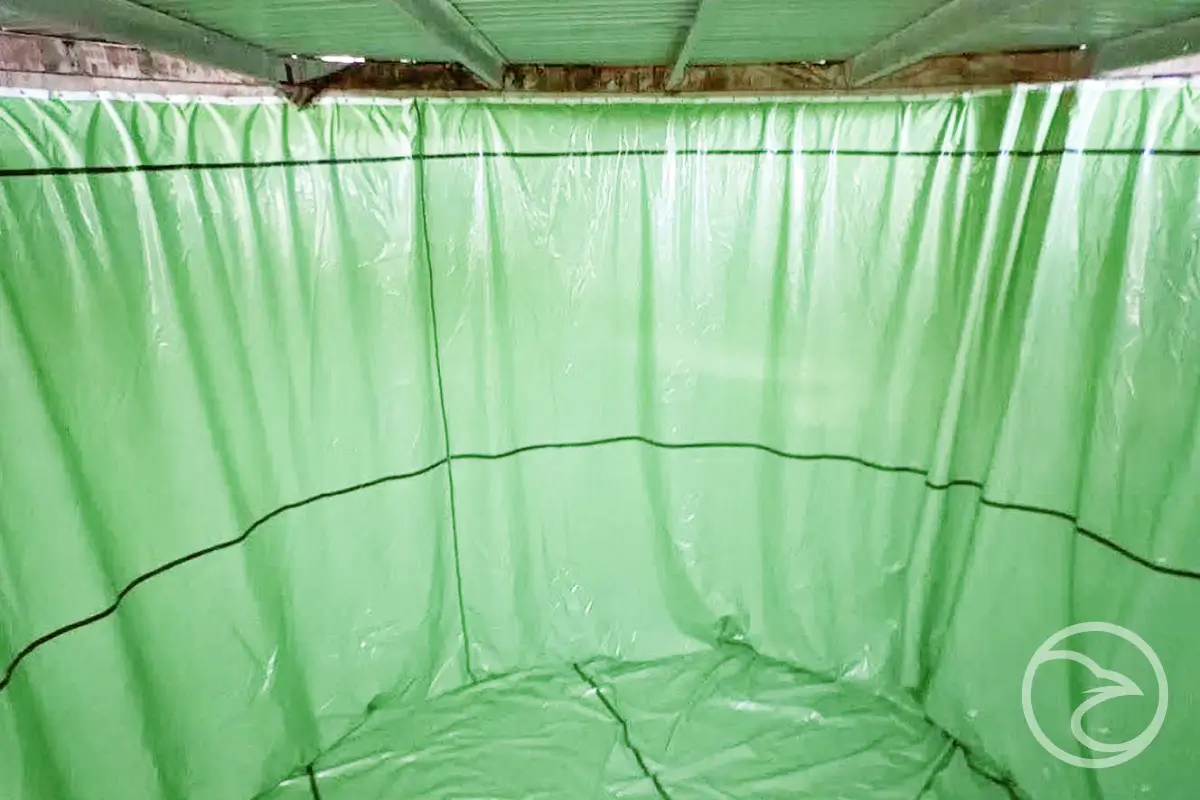
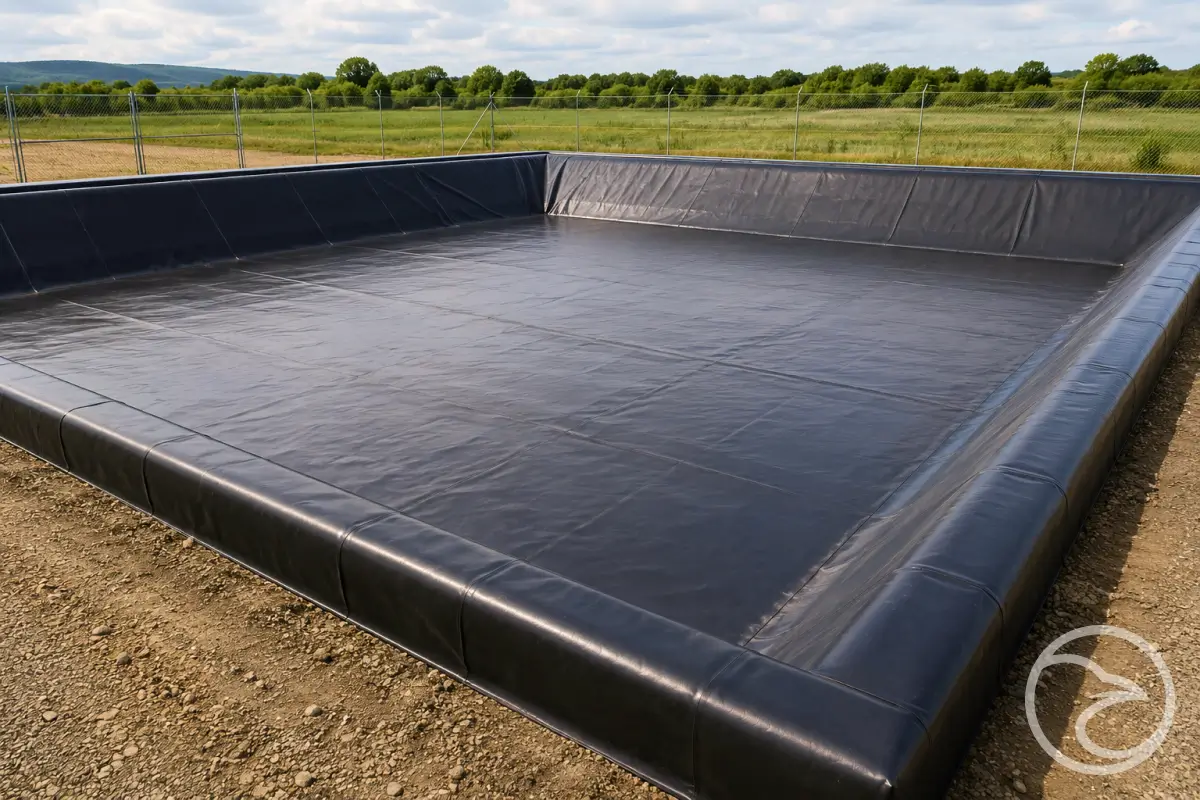
- Lined containment systems
These systems help prevent liquids from reaching surrounding soil, waterways, and groundwater sources.
Why is Secondary Containment Important?
Even a small leak can create serious consequences. Fuel and chemicals can spread quickly and remain undetected for extended periods.
Without adequate containment, facilities may face:
- Soil contamination
- Groundwater pollution
- Environmental cleanup costs
- Operational disruptions
- Regulatory penalties
Secondary containment helps minimise these risks and supports responsible storage practices. For facilities using lined containment areas, properly designed secondary containment liners can provide reliable protection against leaks and spills.
Facilities that Commonly Require Secondary Containment
Secondary containment is used across many industries where liquids are stored, transferred, or handled.
Typical applications include:
- Fuel storage facilities
- Chemical processing plants
- Mining operations
- Manufacturing sites
- Water treatment facilities
- Agricultural storage areas
- Power generation facilities
The level of containment required often depends on the type and volume of stored liquid.
Key Secondary Containment Requirements
While requirements vary between industries and locations, several core principles apply to most containment systems.
Adequate Containment Capacity
A containment system must be capable of holding a significant release event.
When determining capacity, facilities should consider:
- The size of the largest storage tank
- The total stored volume
- Potential rainfall accumulation
- Operational risks
- Site-specific regulations
Insufficient containment capacity can compromise the effectiveness of the entire system.
Chemical Compatibility
Containment materials must be compatible with the liquids being stored. Different fuels and chemicals can affect materials in different ways. Exposure may lead to swelling, cracking, or premature degradation.
Before selecting a containment system, facilities should evaluate:
- Chemical composition
- Concentration levels
- Exposure duration
- Operating temperatures
- Material resistance properties
Choosing the right material helps maximise service life and system performance.
Structural Integrity
Containment systems should remain functional throughout their service life. Regular assessments help identify potential issues before they become significant problems.
Areas commonly inspected include:
- Walls and barriers
- Liner surfaces
- Seams and joints
- Drainage points
- Penetrations and connections
A containment system is only effective when all components remain in good condition.
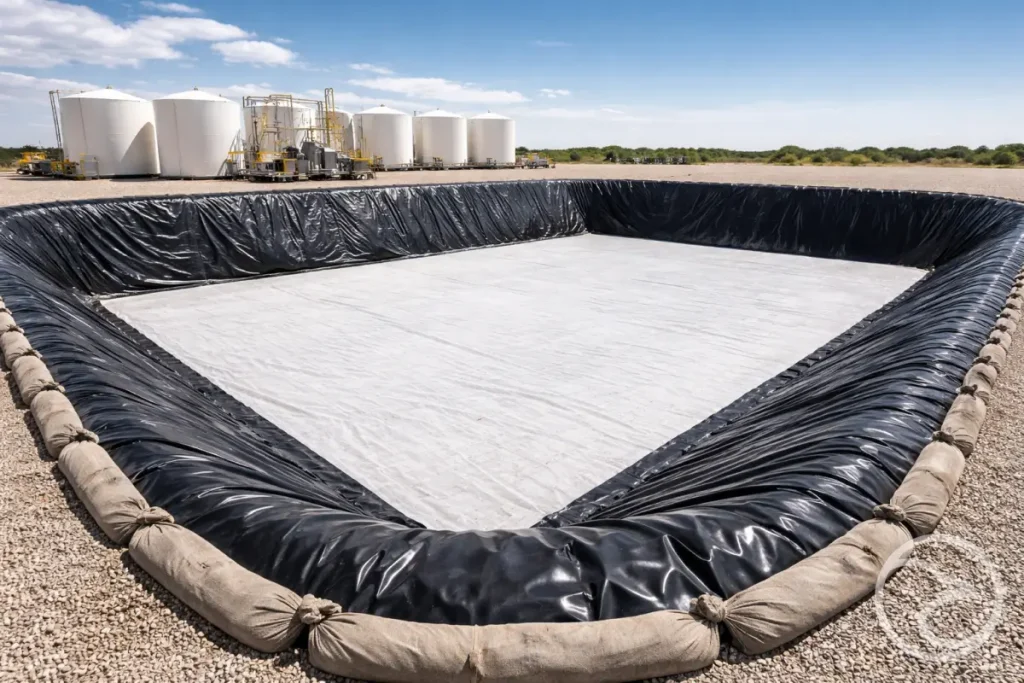
Secondary Containment for Fuel Storage
Fuel storage areas require specific attention due to the mobility of petroleum products. Leaks can spread rapidly and contaminate large areas if not properly contained.
Important considerations include:
- Fuel compatibility
- UV resistance
- Weather exposure
- Long-term durability
- Ease of inspection
Facilities storing diesel, petrol, or lubricants often rely on engineered containment systems to reduce environmental risk.
Secondary Containment for Chemical Storage
Chemical storage applications can be more complex than fuel storage. Different chemicals interact with containment materials in different ways. Some substances may require specialised liners or protective barriers.
When designing containment for chemical storage, facilities should consider:
- Chemical resistance requirements
- Potential reactions
- Temperature fluctuations
- Exposure frequency
- Long-term material performance
Proper planning helps ensure containment systems remain effective throughout their service life.
Common Secondary Containment Mistakes
Containment failures are often linked to preventable issues rather than major incidents.
Some of the most common mistakes include:
- Using incompatible materials
- Insufficient containment capacity
- Delayed maintenance
- Poor drainage management
- Infrequent inspections
Addressing these issues early can significantly reduce operational and environmental risks.
Inspection and Maintenance Requirements
Regular inspections are essential for maintaining effective containment systems. Even high-quality containment infrastructure can deteriorate over time due to weather, chemical exposure, and operational wear.
Routine inspections should focus on:
- Surface damage
- Cracks and punctures
- Seam condition
- Drainage performance
- Signs of chemical degradation
A documented inspection program can help identify problems before containment performance is affected. For a practical guide to routine inspections, read our bund liner inspection checklist.
Choosing the Right Containment Solution
No single containment solution is suitable for every application.
The most effective system depends on several factors, including:
- Stored liquid type
- Storage volume
- Site conditions
- Environmental risks
- Operational requirements
Facilities should evaluate both current and future storage needs when planning containment infrastructure. Proper design, material selection, and ongoing maintenance all contribute to long-term containment performance.
Final Thoughts
Secondary containment plays a critical role in fuel and chemical storage safety. Effective systems help reduce environmental risks, support compliance objectives, and protect valuable assets.
Understanding secondary containment liner requirements allows facility managers to make informed decisions about storage infrastructure, material selection, and long-term risk management.
Proper containment design, regular inspections, and appropriate liner specifications all contribute to safer storage operations and improved environmental protection.