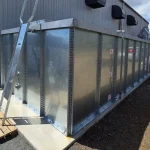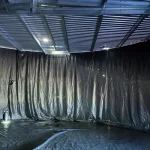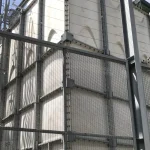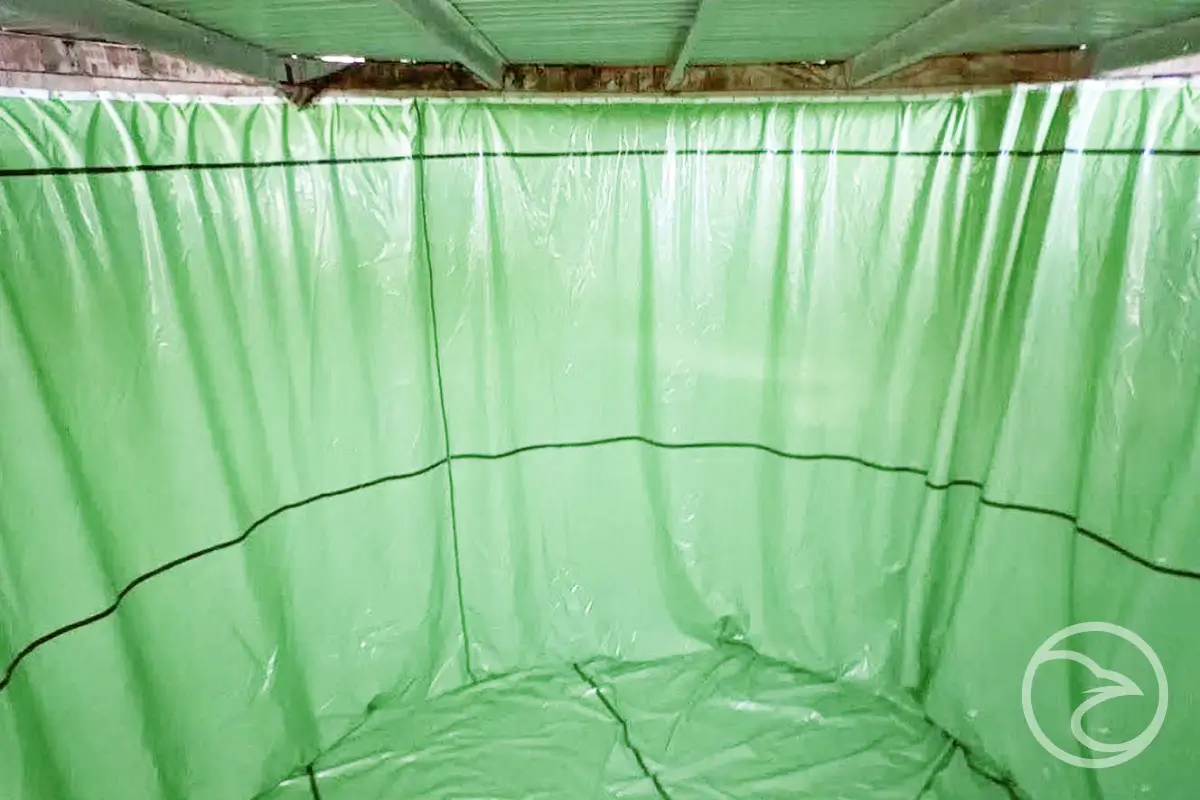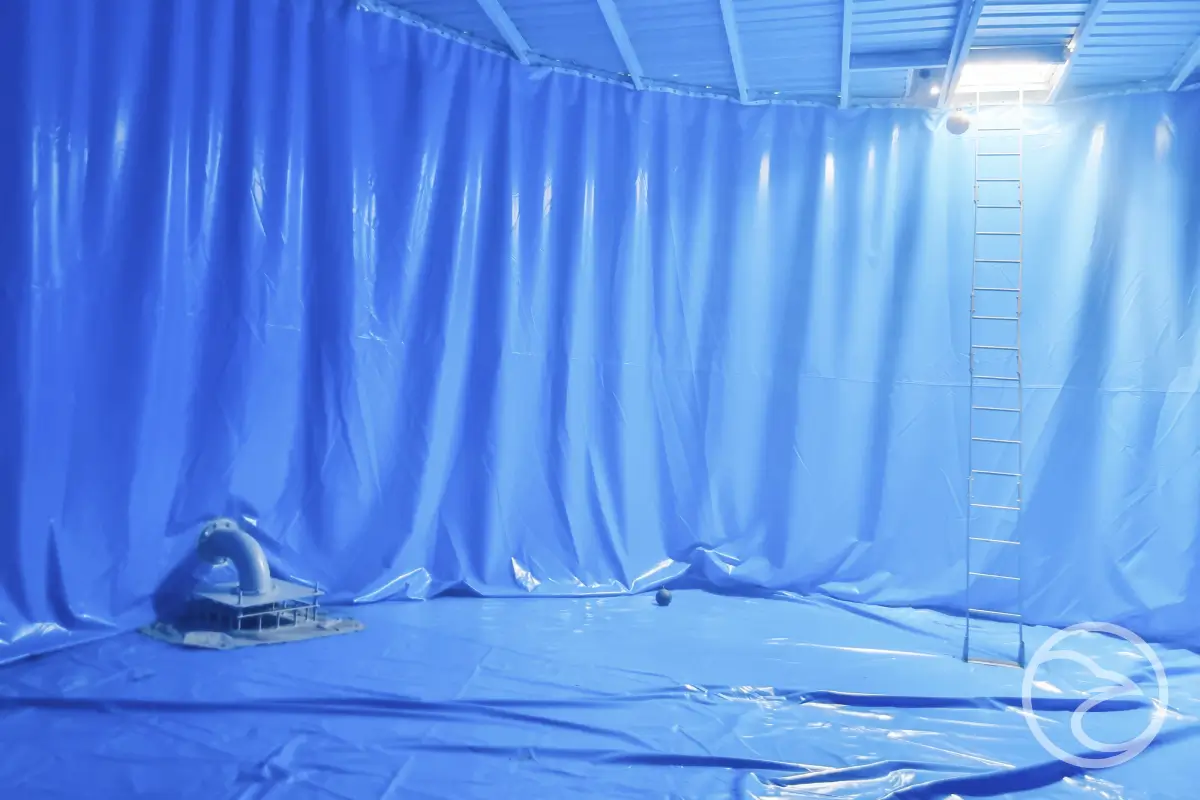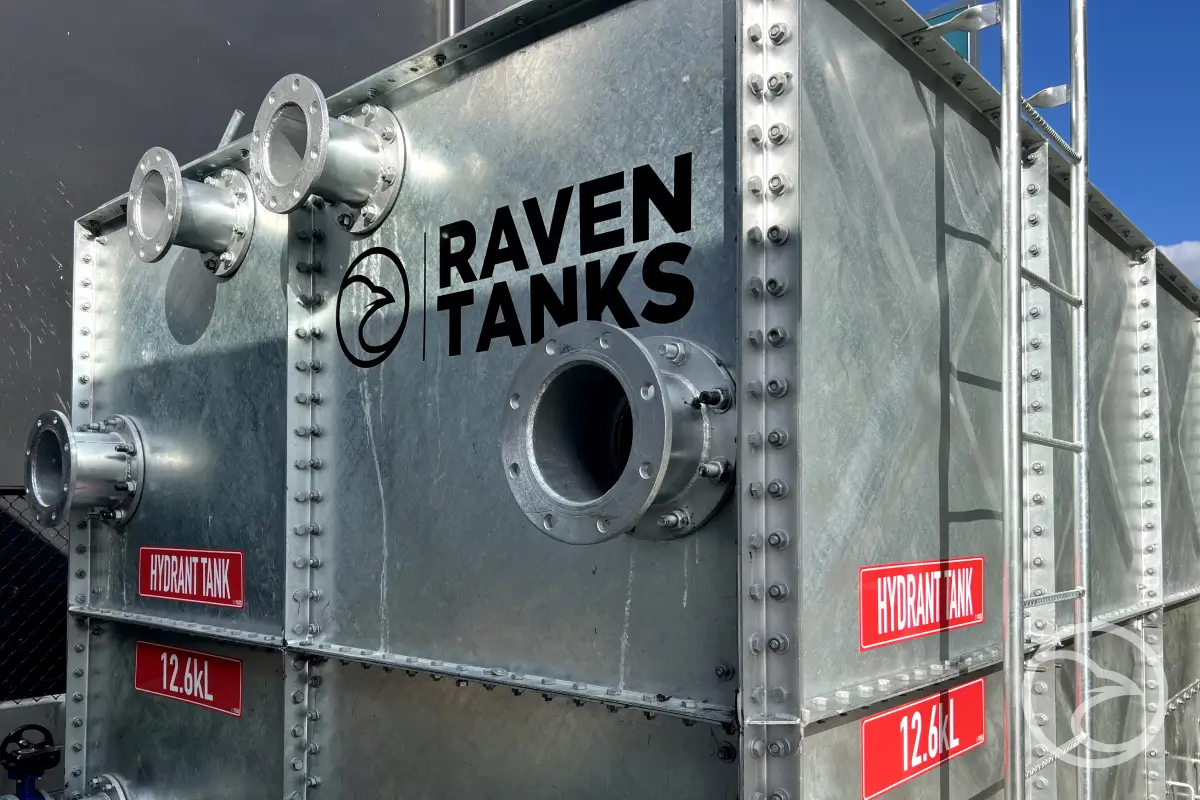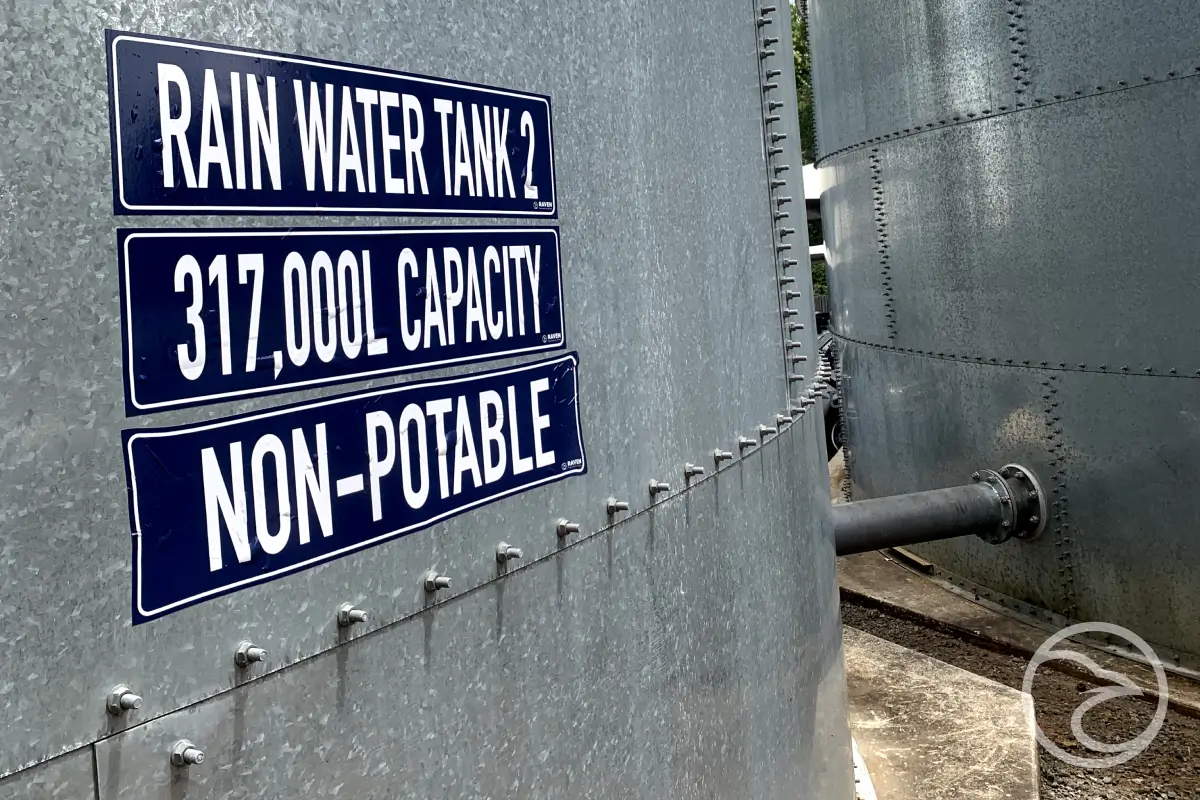
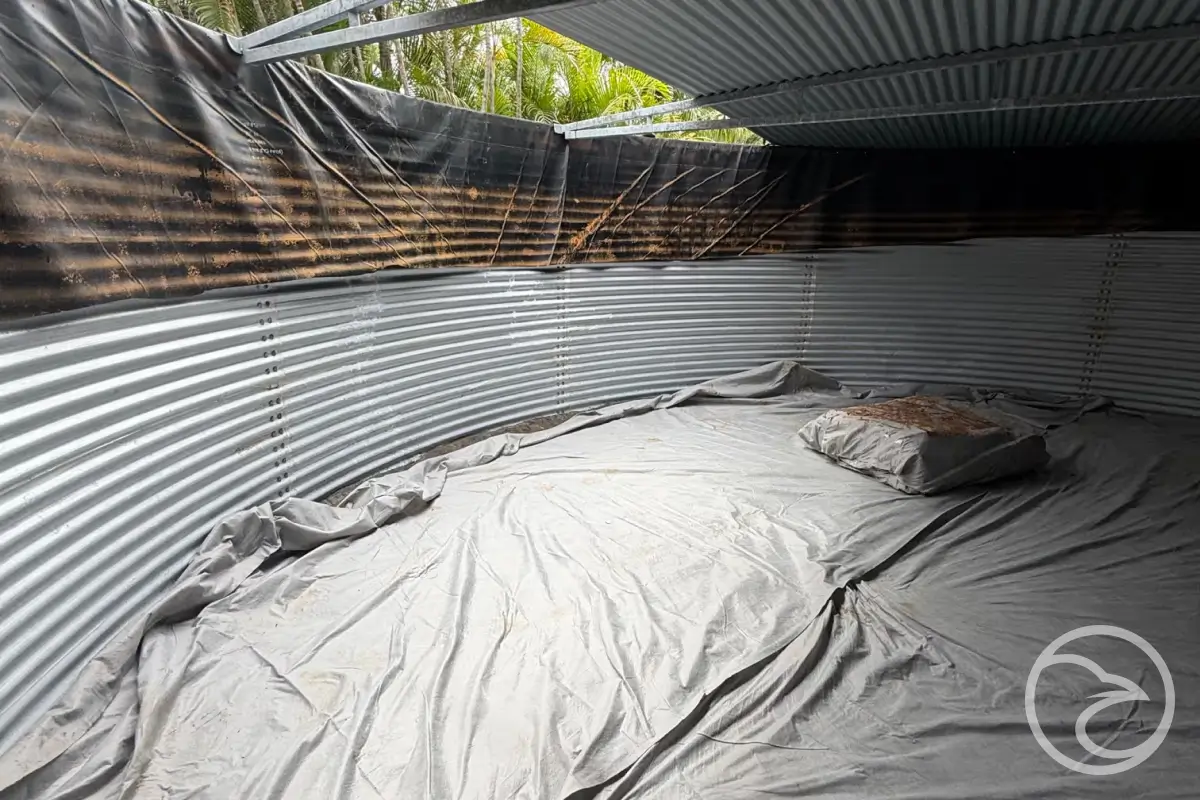
The internal lining of a fire water tank plays a critical role in protecting both the tank structure and the stored water. While the tank itself provides the strength to hold large volumes of water, the protective lining acts as a barrier against corrosion, moisture, and chemical deterioration.
Over time, even high-quality linings can develop defects. Blistering, cracking, peeling, and coating failure may occur due to age, water quality, environmental conditions, or mechanical damage. If these issues are not identified early, they can expose the underlying steel or concrete, leading to corrosion, leaks, and costly repairs.
A structured fire tank lining inspection checklist helps inspectors evaluate the condition of the protective coating in a consistent and systematic way. Rather than relying on a quick visual assessment, the checklist ensures that every critical area of the tank is examined and documented.
This guide explains what a fire tank lining inspection checklist includes, why lining inspections are important, when they should be performed, and how inspection results help determine whether a lining should be repaired or replaced.
What is a Fire Tank Lining?
A fire tank lining is a protective coating applied to the internal surface of a fire water storage tank. Its primary purpose is to create a barrier between the stored water and the tank structure.
Without a properly functioning lining, steel tanks become vulnerable to corrosion, while concrete tanks may experience surface deterioration and water infiltration. A damaged lining can also affect water quality and reduce the service life of the entire fire protection asset.
Depending on the tank design and operating environment, different lining systems may be used. Common options include epoxy coatings, polyurethane coatings, cementitious linings, and other protective systems designed for long-term immersion.
Although each material performs differently, all linings share the same objective: protecting the tank while maintaining a reliable water supply for fire protection.
Protective linings are used in many types of fire water storage tanks to prevent corrosion, preserve water quality, and extend the service life of the tank.
Who Should use a Fire Tank Lining Inspection Checklist?
A fire tank lining inspection checklist is valuable for anyone responsible for maintaining fire protection assets.It helps ensure inspections are performed consistently, regardless of who conducts them. It also provides a clear record of the lining condition over time, making it easier to identify deterioration and plan maintenance.
The checklist is commonly used by:
- facility managers
- property owners
- property owners
- maintenance teams
- fire protection contractors
- inspection companies
- asset managers
- insurance representatives
- compliance managers
Using a standard checklist reduces the risk of overlooking defects that may later develop into major structural problems. It also supports better maintenance planning by documenting the location, severity, and progression of coating damage throughout the life of the tank.
Why are Fire Tank Lining Inspections Important?
The protective lining is one of the first components exposed to water inside a fire tank. Its condition directly affects the reliability and longevity of the entire storage system. Regular inspections allow owners to identify small coating defects before corrosion develops beneath the surface.
Key benefits of routine lining inspections include:
- preventing internal corrosion
- protecting water quality
- extending tank service life
- reducing maintenance costs
- identifying defects early
- improving asset reliability
- supporting maintenance planning
- reducing unexpected downtime
Routine inspections also help determine whether local repairs are sufficient or whether a complete recoating project should be considered. Ignoring early signs of coating deterioration often results in more expensive repairs later.
How is a Fire Tank Lining Inspection Performed?
A professional lining inspection follows a structured process designed to evaluate every accessible part of the protective coating. Although the exact procedure varies depending on the tank design and site requirements, most inspections include the following steps.
1. Prepare the Tank
Before the inspection begins, inspectors review previous maintenance records, repair history, and earlier inspection reports. This information helps identify recurring defects and areas requiring closer examination.
Safety requirements are also assessed before entering the tank.
2. Drain the Tank when Required
Some inspections can be completed while the tank remains in service. However, a detailed lining assessment usually requires the tank to be isolated, drained, and prepared for confined space entry.
Draining the tank allows inspectors to examine the complete internal surface without obstruction.
3. Clean Internal Surfaces
Sediment, scale, and biological growth can hide coating defects. Before the inspection, internal surfaces may be cleaned to improve visibility and ensure accurate assessment.
Cleaning also helps inspectors distinguish between surface contamination and actual coating damage.
4. Perform a Detailed Visual Inspection
The inspector carefully examines all accessible surfaces.
Particular attention is given to:
- walls
- floor areas
- roof structure
- corners
- joints
- pipe penetrations
- support members
Each area is checked for visible signs of deterioration. High-resolution photographs are usually taken to document findings.
5. Assess the Condition of the Protective Coating
The inspection focuses on identifying defects that may compromise the lining.
Inspectors evaluate:
- coating adhesion
- surface condition
- coating thickness where required
- evidence of corrosion
- evidence of corrosion
- mechanical damage
- previous repairs
- areas of moisture penetration
Where necessary, additional testing may be recommended to confirm coating performance.
6. Record all Defects
Every observed defect should be documented.
Inspection records typically include:
- photographs
- defect locations
- estimated size
- severity
- affected components
- recommended actions
Detailed documentation makes it easier to compare future inspections and monitor the progression of deterioration.
7. Recommend Maintenance or Further Assessment
Once the inspection is complete, inspectors determine the most appropriate next steps.
Recommendations may include:
- routine monitoring
- local coating repairs
- corrosion treatment
- further testing
- partial recoating
- complete lining replacement
Early intervention usually prevents minor coating damage from becoming a major structural issue.
What Does a Fire Tank Lining Inspection Checklist Include?
A comprehensive inspection checklist helps ensure every critical component of the lining system is evaluated consistently. Rather than focusing on one visible defect, inspectors assess the overall condition of the protective coating and the surrounding tank structure.
The checklist generally covers several key inspection areas.
Surface Condition
The coating surface should appear continuous and free from obvious deterioration.
Inspectors look for defects such as:
- blistering
- peeling
- cracking
- flaking
- bubbling
- chalking
- surface wear
These issues may indicate ageing, poor adhesion, or prolonged exposure to moisture.
Corrosion Assessment
One of the primary purposes of the lining is to prevent corrosion. Inspectors carefully examine areas where the coating has deteriorated or where corrosion may already be developing.
Common findings include:
- rust staining
- pitting corrosion
- exposed steel
- corrosion around welds
- corrosion beneath damaged coating
Even small areas of exposed metal should be investigated promptly to prevent further deterioration.
Coating Adhesion
A protective lining must remain firmly bonded to the tank surface throughout its service life. Loss of adhesion reduces the coating’s ability to protect the substrate and often allows corrosion to develop beneath the lining.
During the inspection, attention should be given to:
- lifting edges
- coating separation
- delamination
- soft or loose areas
- blistering around damaged sections
In some cases, inspectors may recommend additional adhesion testing if visual signs suggest that the coating is no longer performing as intended.
Mechanical Damage
Not all coating defects are caused by age. Routine maintenance, cleaning activities, and equipment movement inside the tank can damage the lining.
Inspectors check for:
- scratches
- impact marks
- abrasion
- gouges
- damaged corners
- worn high-contact areas
Even minor mechanical damage can become an entry point for moisture and corrosion if repairs are delayed.
Tank Joints and Welds
Joints, welds, and connections experience higher stress than flat surfaces and often deteriorate first.
These areas should be examined for:
- coating continuity
- damaged sealants
- cracking around welds
- corrosion at joints
- coating separation
Because these locations are more susceptible to failure, they deserve particular attention during every inspection.
Water Quality Indicators
Changes in water quality can indicate hidden lining problems.
Inspectors may look for:
- unusual discoloration
- excessive sediment
- biological growth
- floating debris
- cloudy water
- rust particles
Although these conditions do not always confirm coating failure, they often justify a more detailed investigation.
Previous Repairs
Many fire tanks have undergone repairs during their service life.
Inspectors should assess whether previous repairs remain effective by checking:
- repaired coating areas
- patch integrity
- coating thickness consistency
- transitions between old and new coatings
- signs of recurring deterioration
Poor-quality repairs may fail earlier than the original coating system.
Common Lining Problems Found During Inspections
Routine inspections often reveal similar coating defects across different types of fire water tanks. Identifying these problems early helps prevent more extensive corrosion and reduces long-term maintenance costs.
| Problem | Possible Cause | Recommended Action |
|---|---|---|
| Blistering | Moisture trapped beneath the coating | Investigate the affected area and repair or replace the damaged coating. |
| Peeling | Poor adhesion or ageing | Remove loose coating and apply a suitable repair system. |
| Cracking | Age, movement, or coating fatigue | Assess the extent of the damage and repair affected sections. |
| Delamination | Adhesion failure | Determine the cause before recoating. |
| Rust staining | Exposed steel beneath the coating | Remove corrosion and restore the protective lining. |
| Pitting corrosion | Long-term coating failure | Assess structural impact and complete necessary repairs. |
| Abrasion | Mechanical wear | Repair damaged areas and reduce future mechanical contact. |
| Coating wear | Normal ageing | Monitor deterioration and schedule recoating when appropriate. |
Not every defect requires complete replacement of the lining. However, recurring problems or widespread deterioration often indicate that more comprehensive work is necessary.
Signs that a Fire Tank Lining Needs Immediate Attention
Some coating defects require prompt action because they may quickly develop into structural problems. If any of the following conditions are observed, the tank should be assessed as soon as possible.
Warning signs include:
- widespread blistering across multiple surfaces
- extensive peeling or flaking
- exposed steel or concrete
- severe corrosion beneath damaged coating
- coating separating from the substrate
- recurring leaks
- significant rust staining
- rapid deterioration since the previous inspection
- contamination affecting stored water
- repeated coating failures after earlier repairs
Ignoring these warning signs may allow corrosion to spread beneath the lining, making future repairs more complex and expensive. Early intervention usually results in lower repair costs and a longer service life for the tank.
If your facility follows NFPA requirements, our NFPA 25 fire tank inspection guide explains inspection frequencies, documentation requirements, and best practices for maintaining fire water tanks.
When Should Fire Tank Linings be Inspected?
A fire tank lining should not only be inspected when visible damage appears. Regular assessments help identify early defects before they compromise the protective coating or the tank structure. Most facilities include lining inspections as part of their overall fire tank maintenance programme.
Additional inspections may also be required under specific circumstances.
Common situations include:
- during scheduled fire tank inspections
- before major maintenance work
- after internal repairs
- before recoating projects
- following contamination incidents
- after long periods of service
- whenever coating damage is suspected
- after significant structural modifications
The inspection frequency depends on several factors, including the coating type, the age of the lining, operating conditions, water quality, and the results of previous inspections. Facilities operating in harsh environments may benefit from more frequent assessments to identify deterioration before it affects system reliability.
Fire tank lining inspections are typically performed as part of routine fire water tank inspections, helping inspectors evaluate both the condition of the protective coating and the overall integrity of the tank.
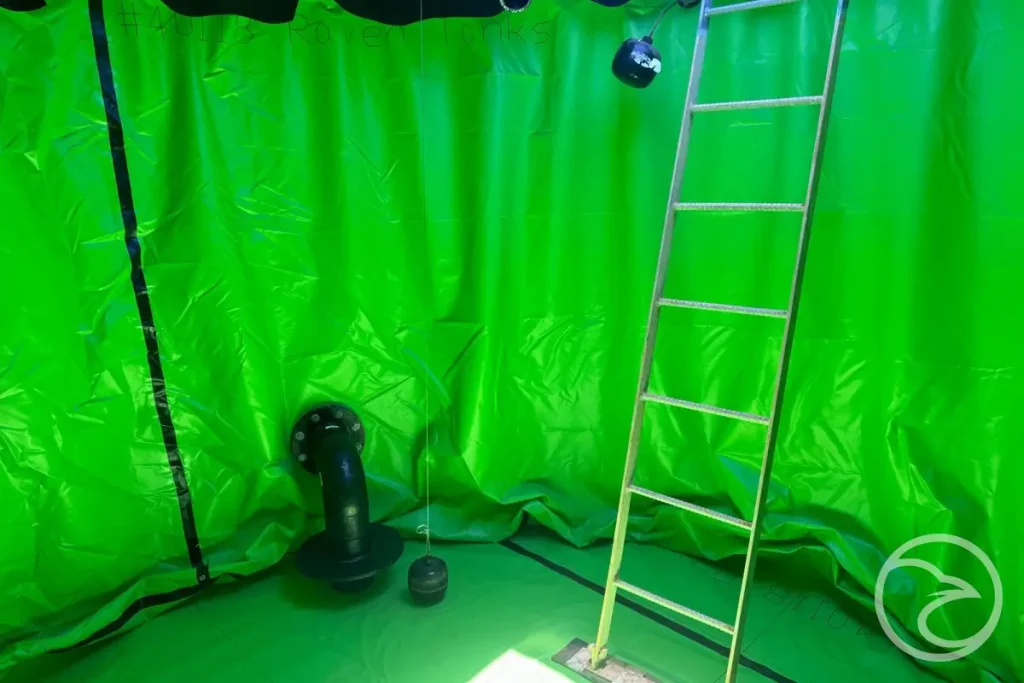
Can a Damaged Fire Tank Lining be Repaired or Replaced?
Not every coating defect requires complete replacement. The most appropriate solution depends on the type of damage, its extent, and the overall condition of the lining.
When Repairs may be Suitable
Localised repairs are often possible when damage is limited to a small area.
Repairs may be appropriate for:
- isolated scratches
- minor blistering
- small cracks
- local coating wear
- limited areas of corrosion
- small adhesion failures
Prompt repairs prevent moisture from reaching the underlying tank surface and help extend the life of the existing lining.
When Replacement is the Better Option
In some situations, repairing isolated defects is no longer practical.
Complete recoating may be recommended when inspectors identify:
- widespread coating failure
- extensive delamination
- severe corrosion
- repeated repair failures
- ageing lining systems that have reached the end of their service life
- large areas of exposed substrate
Although full replacement represents a larger investment, it often provides a more reliable long-term solution than repeated patch repairs.
Factors that Affect Lining Service Life
The lifespan of a fire tank lining depends on more than the coating material itself. Installation quality, operating conditions, and ongoing maintenance all influence how well the lining performs over time. Understanding these factors helps facility owners plan inspections and maintenance more effectively.
Several conditions can affect the service life of a protective lining.
Water Quality
Water chemistry has a direct impact on coating performance. High mineral content, contamination, or biological growth can accelerate coating deterioration and increase the risk of corrosion beneath the lining.
Regular monitoring of water quality helps identify potential issues before significant damage occurs.
Coating Material
Different lining systems are designed for different operating conditions. Factors such as abrasion resistance, chemical resistance, and flexibility vary between coating types, influencing their expected service life.
Following the manufacturer’s maintenance recommendations helps maximise coating performance.
Installation Quality
Even the highest-quality coating can fail if it is not applied correctly. Surface preparation, environmental conditions during application, and curing procedures all affect the long-term durability of the lining.
Poor installation often leads to premature blistering, peeling, or adhesion failure.
Environmental Conditions
Temperature fluctuations, humidity, and exposure to aggressive environments can all affect coating performance. Tanks located in coastal or industrial areas may require more frequent inspections because environmental conditions can accelerate deterioration.
Maintenance Practices
Routine inspections and timely repairs significantly extend the life of a protective lining. Small defects are generally easier and less expensive to repair than widespread coating failure.
Ignoring minor damage often results in larger maintenance projects later.
Best Practices for Fire Tank Lining Maintenance
Preventive maintenance is the most effective way to maximise the service life of a fire tank lining. Rather than waiting for visible failures, facility owners should follow a structured maintenance programme based on regular inspections and prompt repairs.
Recommended best practices include:
- inspect the lining regularly
- repair coating defects as soon as they are identified
- remove sediment during scheduled tank cleaning
- monitor water quality
- document inspection findings
- compare inspection reports over time
- use qualified inspection and coating specialists
- follow the coating manufacturer’s maintenance recommendations
Facilities that adopt a proactive maintenance approach typically experience fewer unexpected repairs and lower lifecycle costs.
What Should be Included in an Inspection Report?
A professional inspection report provides more than a list of defects. It creates a permanent record of the lining condition and supports future maintenance decisions. Well-prepared reports also help demonstrate that inspections have been completed and that identified issues are being managed appropriately.
A typical inspection report should include:
- inspection date
- tank identification
- inspector details
- photographs of inspected areas
- locations of identified defects
- description of each defect
- severity assessment
- recommended repairs
- maintenance priorities
- suggested follow-up actions
Maintaining consistent inspection records makes it easier to monitor coating performance over time and identify recurring problems before they become critical.
Conclusion
A fire tank lining is one of the most important protective components inside a fire water storage tank. Its condition directly affects corrosion resistance, water quality, and the long-term reliability of the entire fire protection system.
Using a structured fire tank lining inspection checklist helps ensure that every inspection follows a consistent process. It also makes it easier to identify coating defects, document deterioration, and prioritise maintenance before small issues become major repairs.
Regular inspections, accurate reporting, and timely maintenance can significantly extend the service life of a protective lining while reducing the risk of unexpected failures.
Whether the lining requires a minor repair or complete replacement, early action is almost always more cost-effective than allowing deterioration to progress. A proactive inspection programme not only protects the tank itself but also helps ensure that the fire protection system remains ready to perform whenever it is needed.