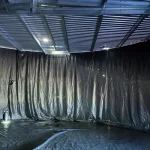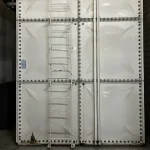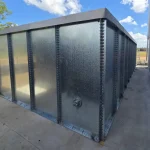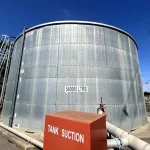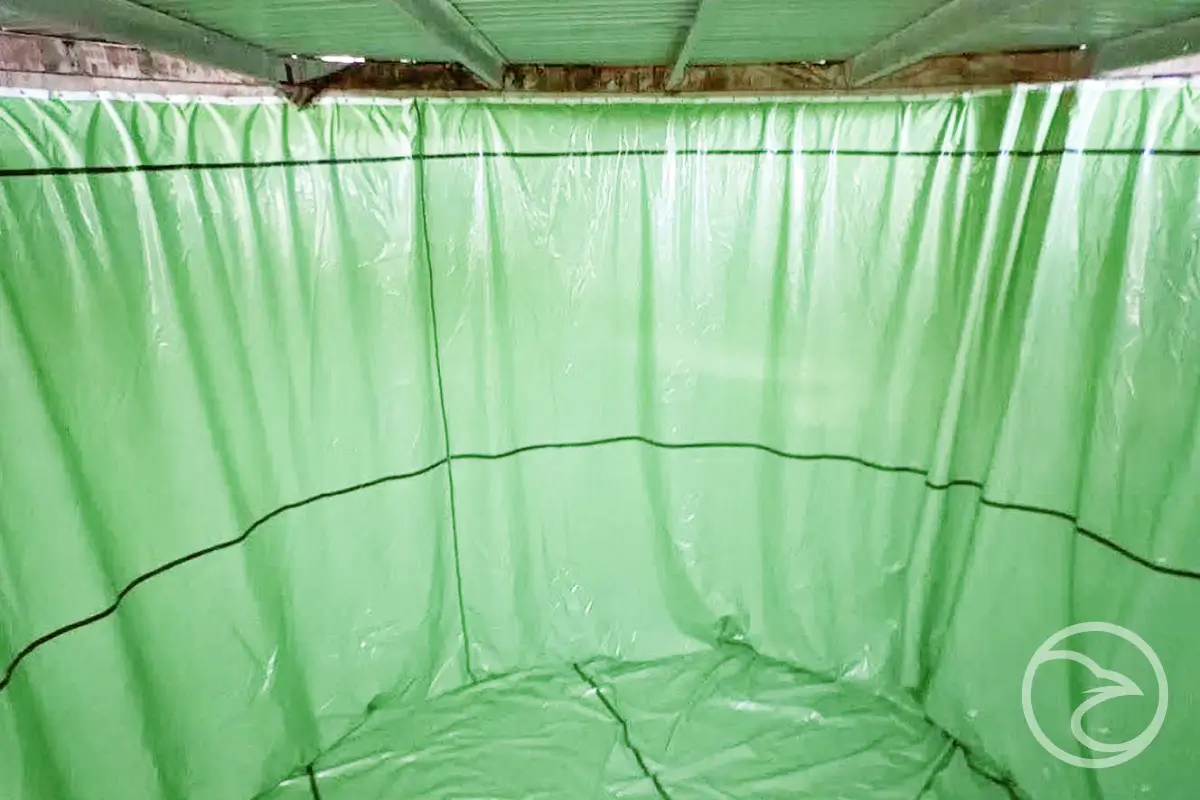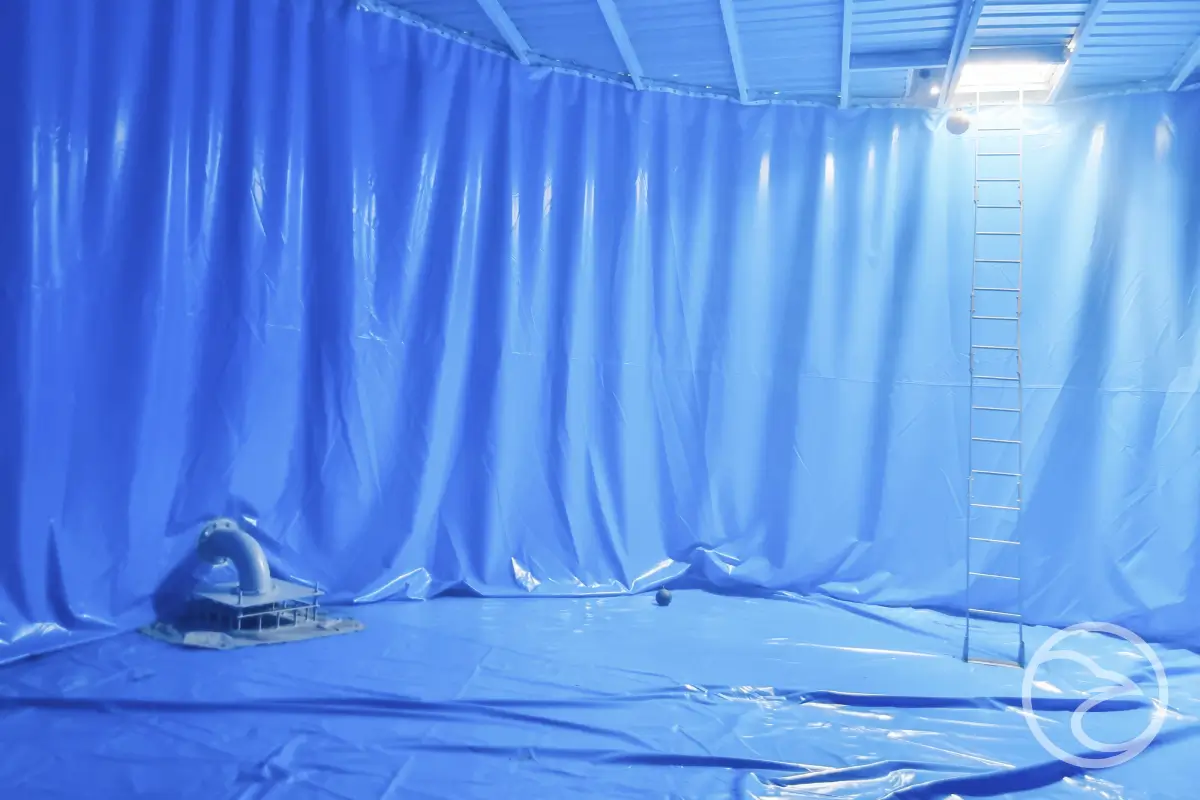
Choosing the right tank liner is critical for long-term system performance. The wrong choice can lead to leaks, damage, and costly repairs.
Each facility has different requirements based on usage, environment, and stored materials. A well-selected liner improves durability and reduces maintenance needs.
This guide explains how to choose a tank liner for your commercial application.
Why Tank Liner Selection Matters
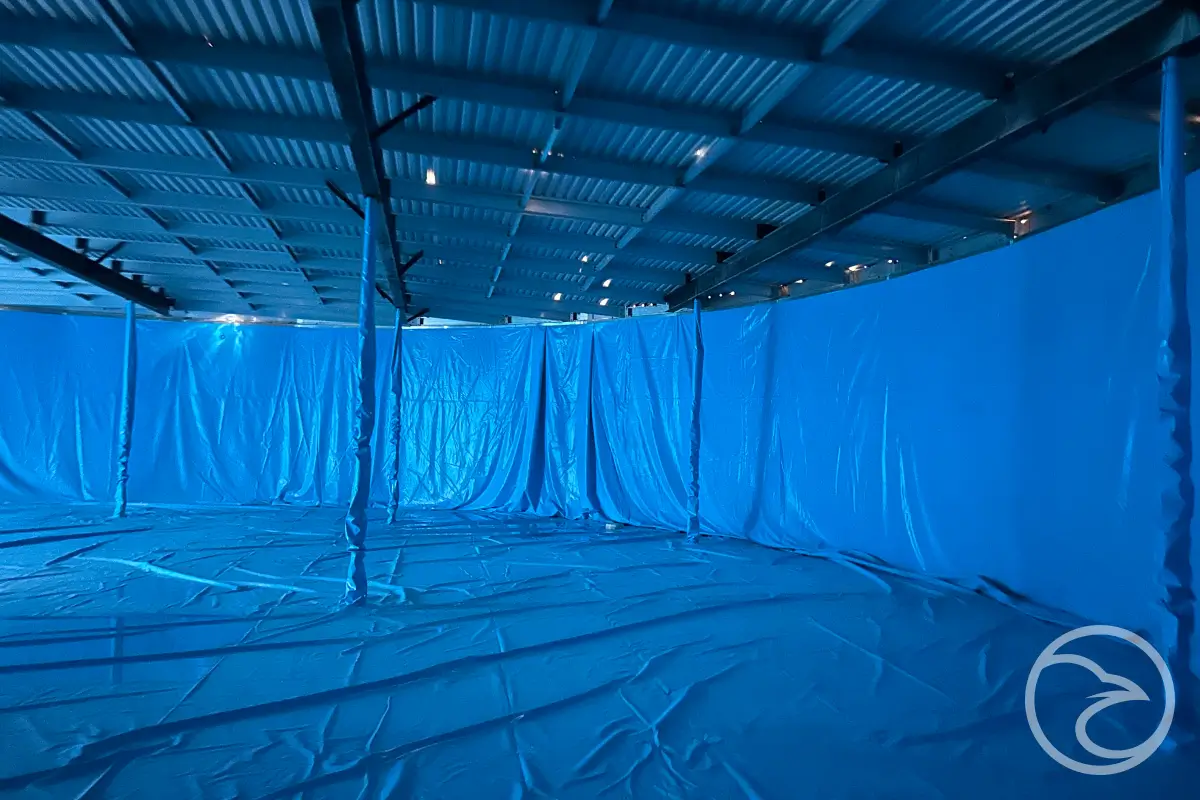
Tank liners protect storage systems from corrosion, leaks, and contamination. They act as a barrier between stored materials and the tank structure. A poor liner choice can reduce system lifespan and increase operational risks.
High-quality commercial tank liners provide long-term protection and improve system reliability.
Understand Your Application Requirements
Before choosing a liner, define how your tank is used.
Consider:
- type of liquid stored
- chemical composition
- temperature conditions
- pressure levels
Different environments require different liner properties. A liner suitable for water may not work for chemical storage.
Evaluate Material Compatibility
Material compatibility is one of the most important factors.
Common liner materials include:
- HDPE
- EPDM rubber
- polyurethane
Each material reacts differently to chemicals and environmental conditions. Always ensure the liner material is compatible with the stored substance. Incompatible materials degrade quickly and fail.
Consider Durability and Lifespan
Durability determines how long the liner will perform effectively.
Look for materials that resist:
- chemical corrosion
- UV exposure
- mechanical stress
Longer-lasting liners reduce replacement frequency and lower maintenance costs. Investing in durability often saves money over time.
Check Installation Requirements
Some liners require complex installation processes. Others are more flexible and easier to install.
Consider:
- installation time
- need for specialized equipment
- downtime impact
Improper installation can cause early failure, even with high-quality materials. Professional installation ensures better performance and longevity.
Assess Maintenance Needs
Different liners require different levels of maintenance.
Ask:
- how often inspections are needed
- how easy repairs are
- expected maintenance costs
Low-maintenance liners reduce operational workload. However, regular inspections are always necessary to detect early issues.
Evaluate Resistance to Environmental Factors
Environmental conditions affect liner performance.
Consider exposure to:
- sunlight
- temperature fluctuations
- moisture
- external pressure
Outdoor tanks require liners with strong UV resistance. Indoor systems may prioritize chemical resistance instead.
Compare Cost vs Long-Term Value
Initial cost is important, but it should not be the only factor. Cheaper liners often wear out faster and require more frequent replacement.
Focus on long-term value:
- lifespan
- maintenance costs
- repair frequency
A slightly higher upfront investment can deliver better performance and lower total costs.
Work with Experienced Professionals
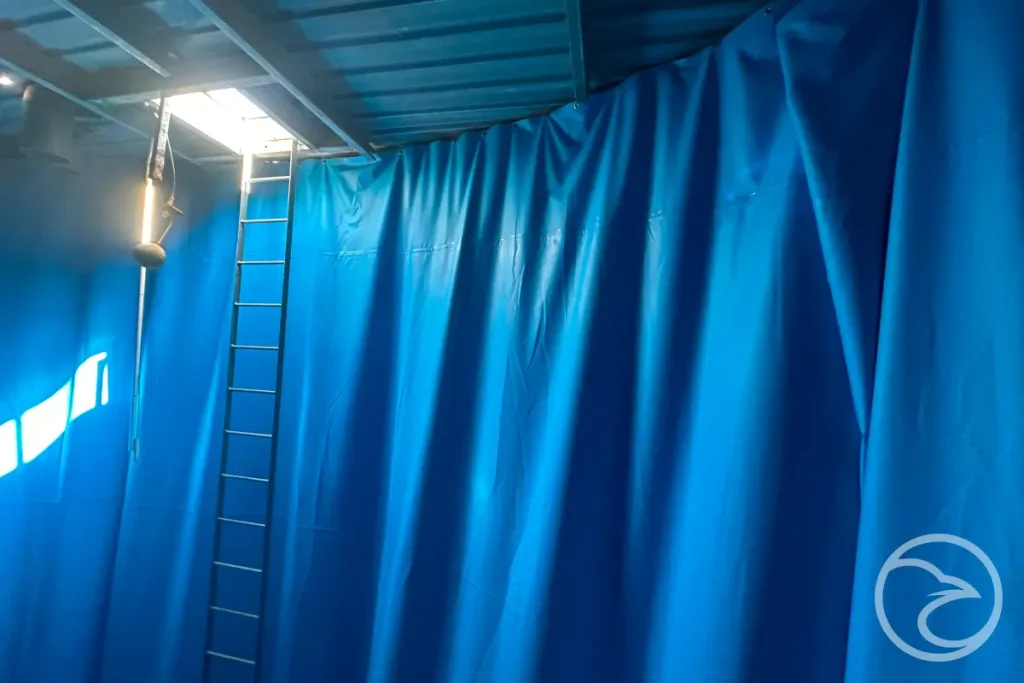
Choosing the right liner can be complex. Each facility has unique conditions and risks. Working with experienced professionals helps ensure the correct selection.
Experts can assess your system and recommend the best solution based on real conditions.
Common Mistakes to Avoid
Many facilities make avoidable mistakes when selecting liners.
Avoid:
- choosing based on price alone
- ignoring chemical compatibility
- overlooking installation quality
- skipping professional advice
These mistakes often lead to early failure and higher costs.
When to Reassess Your Tank Liner
Even the best liner will not last forever. Regular evaluation helps determine when replacement or upgrades are needed.
Watch for:
- visible wear or damage
- recurring leaks
- reduced system performance
Early reassessment prevents major failures and downtime.
Conclusion
Choosing the right tank liner is essential for protecting your storage system. The correct material and design improve durability and reduce risk. Understanding your application, evaluating materials, and planning for long-term performance are key steps when deciding how to choose a tank liner.
A well-informed decision ensures your tank system remains efficient, safe, and cost-effective.