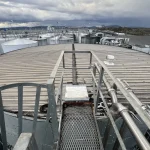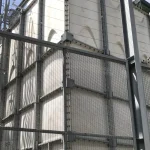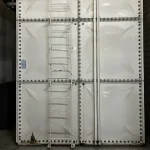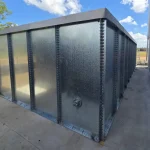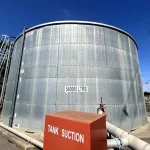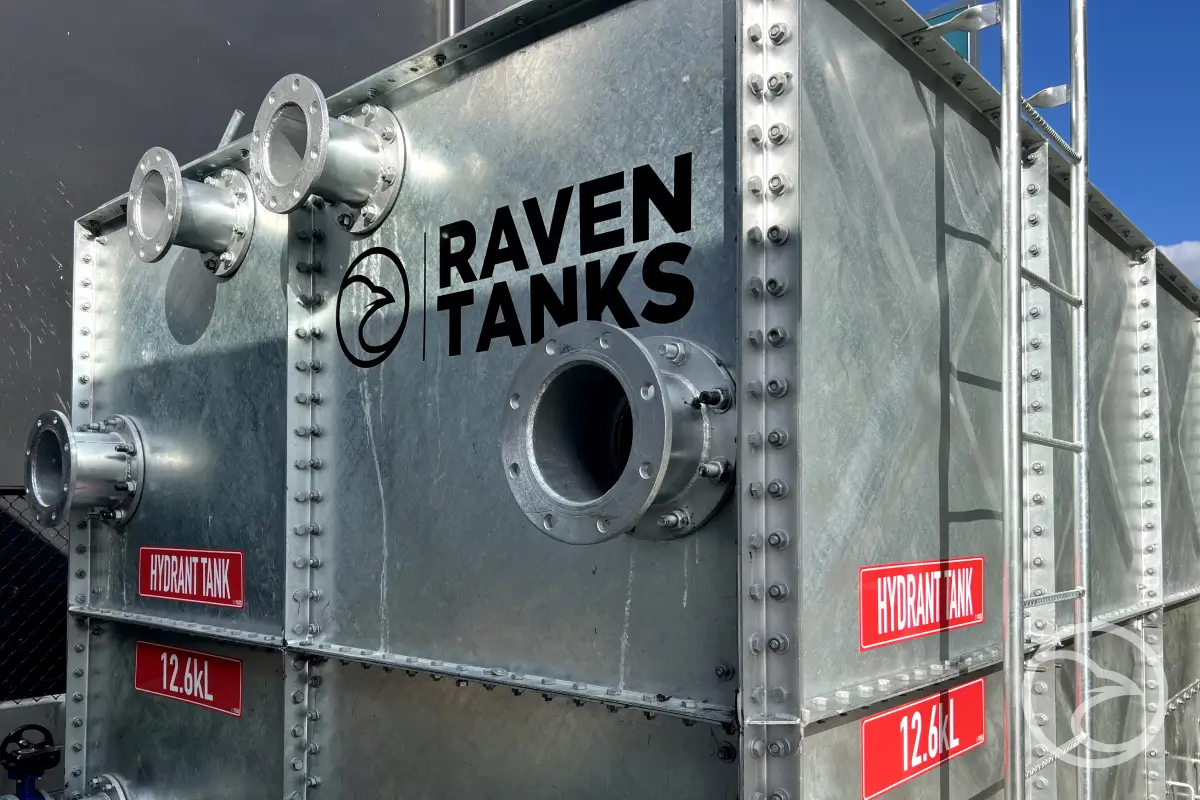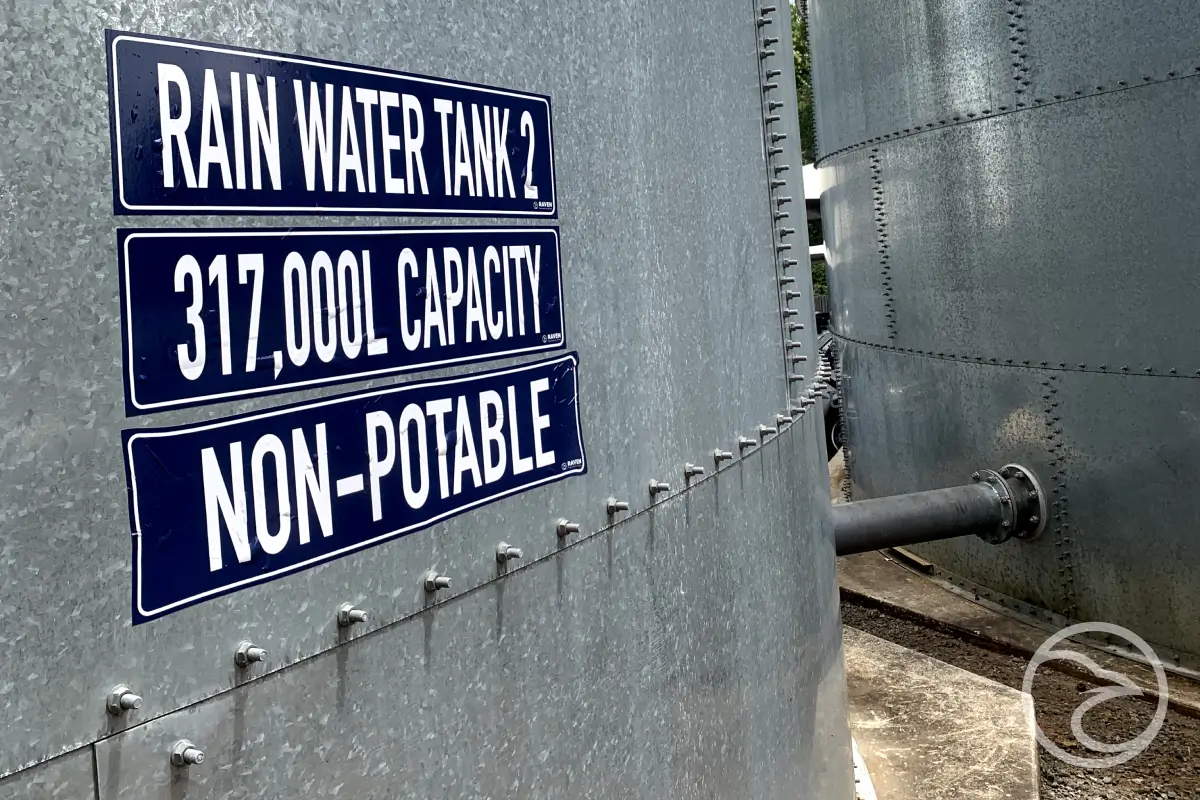
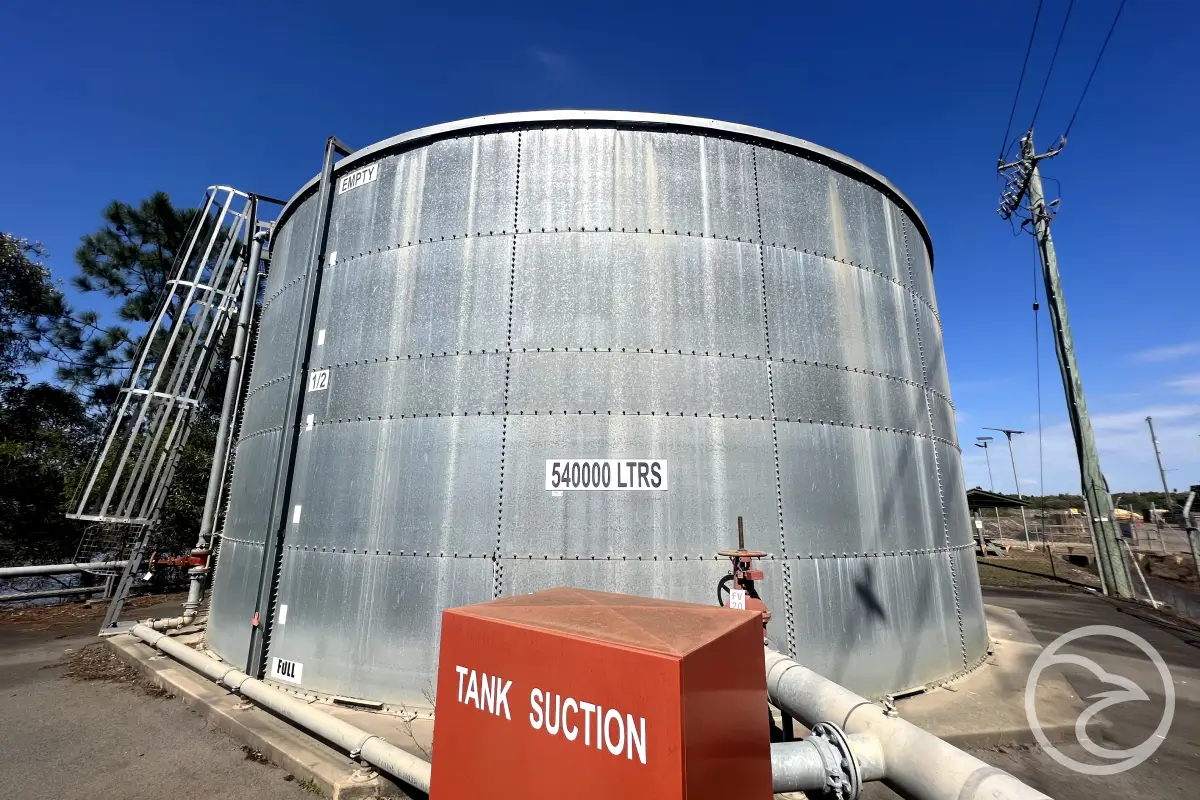
Fire water tanks are a critical part of many commercial and industrial fire protection systems. They provide a dedicated water supply for sprinklers, hydrants, and fire pumps when an emergency occurs. However, simply installing a fire water tank is not enough. Like any important asset, it requires ongoing maintenance to remain reliable.
Over time, tanks are exposed to changing weather, corrosion, sediment build-up, structural movement, and normal wear. Small issues can develop gradually and remain unnoticed until they affect water storage capacity or system performance. In some cases, poor maintenance may result in costly repairs or unexpected downtime.
A structured fire water tank maintenance program helps identify problems early, extend the life of the tank, and reduce the risk of failures during an emergency. Regular maintenance also supports compliance with applicable standards and helps building owners protect their investment.
This guide explains what fire water tank maintenance involves, why it is important, how often it should be performed, and the key tasks that help keep fire protection systems operating reliably.
What is Fire Water Tank Maintenance?
Fire water tank maintenance is the ongoing process of inspecting, monitoring, testing, cleaning, and maintaining a fire water tank to ensure it remains ready for use at all times.
Many people confuse maintenance with inspections. While inspections identify existing defects, maintenance is a broader process that helps prevent those defects from developing in the first place.
A comprehensive maintenance program typically includes:
- routine visual inspections
- leak detection
- water level monitoring
- corrosion assessments
- coating and liner inspections
- valve and pipework checks
- sediment monitoring
- minor repairs
- maintenance records
These activities work together to ensure the tank can supply the required volume of water whenever the fire protection system is activated.
Maintenance also helps identify ageing components before they fail. Replacing worn seals, repairing damaged coatings, or addressing minor corrosion early is usually far less expensive than responding to major structural damage later.
For organisations responsible for commercial buildings, warehouses, manufacturing facilities, hospitals, or public infrastructure, fire water tank maintenance forms an essential part of responsible asset management.
Why Fire Water Tank Maintenance Matters
Fire water tanks are designed to remain inactive for long periods. Unlike everyday plumbing systems, they may sit unused for months or even years before an emergency occurs.
This makes regular maintenance especially important. Problems can develop slowly without affecting day-to-day operations, yet still reduce the system’s ability to respond during a fire.
Effective fire tank maintenance provides several important benefits.
Improves System Reliability
A well-maintained tank provides confidence that sufficient water will be available when sprinklers or hydrants are activated. Routine maintenance reduces the likelihood of equipment failure during an emergency.
Extends Asset Life
Fire water tanks represent a significant investment. Regular inspections, cleaning, and preventive maintenance help slow deterioration and maximise the service life of the tank and its associated equipment.
Reduces Repair Costs
Small defects are generally easier and less expensive to repair than major structural failures. Identifying corrosion, damaged seals, or leaking joints early often prevents more extensive repairs later.
Protects Water Quality
Although fire water is not intended for drinking, excessive sediment, biological growth, or debris can affect pumps, valves, and other fire protection equipment. Routine maintenance helps maintain suitable water quality for reliable system operation.
Supports Compliance
Many commercial facilities must maintain fire protection systems in accordance with industry standards and site maintenance programs. Routine maintenance helps demonstrate that critical fire protection assets are being properly managed throughout their service life.
Improves Emergency Readiness
The primary purpose of maintenance is simple: ensuring the fire protection system performs exactly as intended when it is needed most. A reliable fire water supply can make a significant difference during an emergency.
What Does Fire Water Tank Maintenance Include?
An effective maintenance program involves much more than checking the water level. Every component of the tank should be inspected to ensure it can perform reliably during an emergency.
The scope of maintenance depends on the tank type, age, location, and operating environment. However, most fire water tanks require several core maintenance activities.
Visual Inspections
Regular visual inspections are the foundation of every maintenance program. Inspectors examine both the internal and external condition of the tank for signs of deterioration or damage. Even minor defects can indicate larger structural issues developing over time.
During a visual inspection, technicians typically check:
- tank walls and roof
- access hatches and ladders
- pipe connections
- valves and fittings
- support structures
- protective coatings
- surrounding ground conditions
Routine fire tank inspections also help identify corrosion, coating damage, or structural movement before repairs become more extensive.
Leak Detection
Water loss is not always obvious. Some leaks develop slowly and remain hidden behind wall panels, beneath foundations, or around underground pipework. Routine fire tank leak detection helps identify these issues before they reduce available water storage or damage the tank structure.
Depending on the installation, technicians may use:
- visual assessments
- pressure testing
- ultrasonic equipment
- acoustic monitoring
- drone inspections
- thermal imaging
Early leak detection reduces repair costs and helps maintain system reliability.
Water Level Monitoring
Maintaining the correct water level is essential for emergency readiness. A fire water tank level indicator provides continuous monitoring of stored water. If water levels begin to fall without system activation or scheduled maintenance, it may indicate a hidden leak or malfunctioning valve.
Many modern facilities integrate water level monitoring with their building management systems. Automatic alerts allow maintenance teams to investigate abnormal water loss before it becomes a serious problem.
Corrosion Assessment
Corrosion remains one of the most common causes of fire tank deterioration, particularly in steel tanks. Maintenance inspections assess the condition of protective coatings, galvanised surfaces, bolts, welds, and exposed steel components.
Early corrosion treatment helps prevent leaks, extends service life, and reduces the likelihood of costly structural repairs.
Liner and Coating Inspections
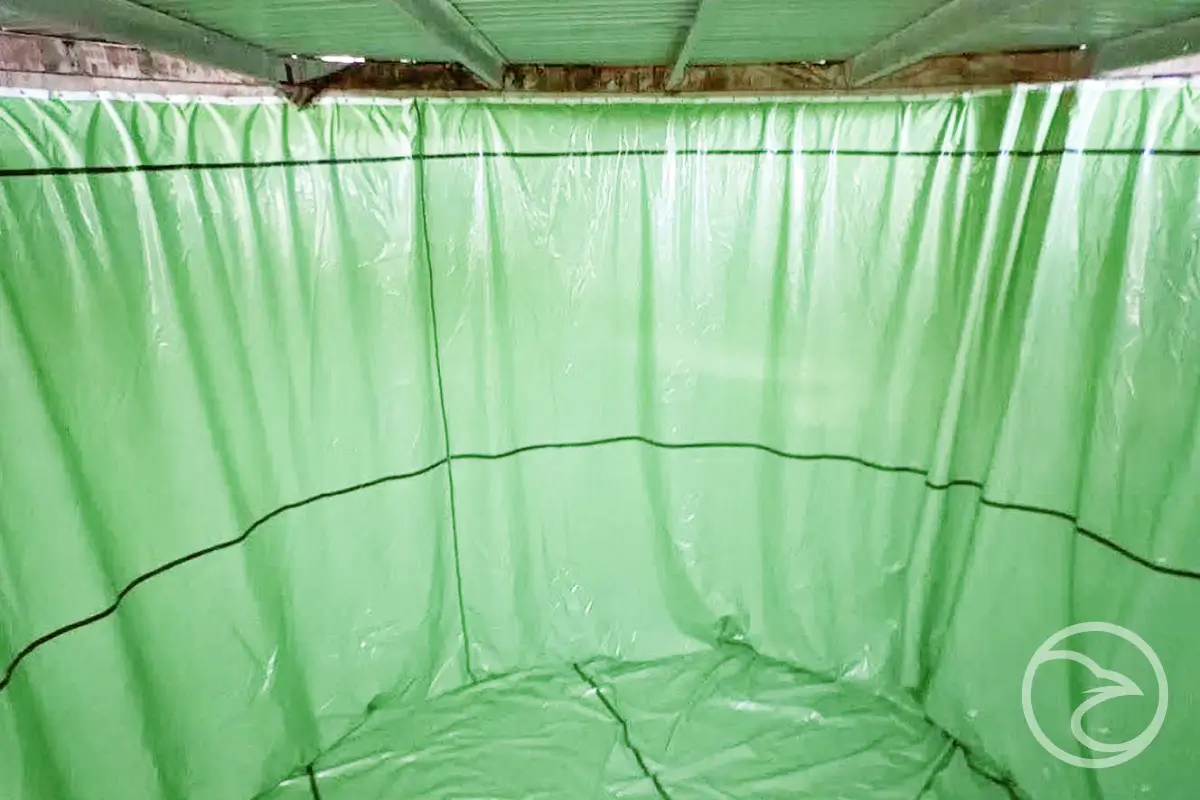
Many fire water tanks rely on internal liners or protective coatings to prevent corrosion and maintain water tightness. Over time, liners may crack, lift, or deteriorate due to ageing, water chemistry, or mechanical damage.
Inspecting these protective systems allows technicians to identify defects before water reaches the underlying tank structure.
Pipework and Valve Checks
The fire water tank is only one part of the overall fire protection system. Maintenance should also include connected pipework, isolation valves, overflow systems, inlet and outlet connections, and associated fittings.
Technicians inspect these components for:
- leaks
- corrosion
- damaged seals
- restricted flow
- loose connections
- mechanical wear
Maintaining connected infrastructure helps ensure water can move efficiently throughout the fire protection system.
Sediment and Water Quality Monitoring
Sediment naturally accumulates inside fire water tanks over time. Dust, organic matter, corrosion products, and other debris settle at the bottom of the tank, particularly where water movement is limited.
Excessive sediment may affect pump performance, restrict flow, or contribute to corrosion. Routine monitoring helps determine when cleaning is required rather than relying on fixed cleaning intervals.
Structural Assessment
The overall condition of the tank structure should also be evaluated during maintenance.
Inspectors assess the condition of:
- foundations
- support frames
- wall panels
- roofs
- anchors
- access platforms
Any signs of movement, cracking, distortion, or structural fatigue should be investigated promptly. Addressing structural issues early helps maintain the long-term integrity of the tank.
Minor Repairs
Maintenance is also an opportunity to correct small defects before they become major problems.
Common maintenance repairs include:
- replacing worn seals
- tightening fittings
- repairing damaged coatings
- replacing corroded bolts
- adjusting valves
- sealing minor leaks
Prompt fire tank repairs often prevent more extensive structural work and reduce the overall lifecycle cost of the asset.
How Often Should Fire Water Tanks be Maintained?
There is no single maintenance schedule that applies to every fire water tank. Inspection and servicing intervals depend on the tank design, environmental conditions, water quality, and the operational requirements of the facility.
High-risk sites, coastal environments, and older tanks may require more frequent attention than newer installations in less demanding conditions.
A typical maintenance program may include:
| Maintenance Activity | Typical Frequency |
|---|---|
| Visual condition checks | Monthly |
| Water level monitoring | Continuous or weekly review |
| Leak detection | As required or if water loss is suspected |
| Routine inspections | Scheduled maintenance program |
| Internal condition assessment | Periodically, based on tank condition |
| Cleaning | When sediment or contamination is identified |
| Structural assessment | During major inspections |
Rather than relying solely on a calendar, maintenance should also be driven by the condition of the tank. Changes in water levels, visible corrosion, recurring leaks, or unusual pump activity may indicate that additional inspections or repairs are needed sooner than planned.
Many organisations combine routine maintenance with a broader asset management strategy. This approach helps prioritise repairs, extend service life, and reduce the likelihood of unexpected failures.
Effective maintenance begins with selecting fire water storage tanks that are designed for the site’s water demand, environmental conditions, and long-term operational requirements.
Common Fire Water Tank Maintenance Issues
Even well-designed fire water tanks experience wear over time. Environmental conditions, ageing materials, and normal operation all contribute to gradual deterioration.
Identifying common maintenance issues early helps prevent unexpected failures and extends the life of the fire protection system.
Corrosion
Corrosion is one of the most common maintenance concerns for steel fire tanks. If protective coatings become damaged, moisture can reach the metal surface and accelerate corrosion.
Left untreated, corrosion may weaken the tank structure and eventually lead to leaks.
Sediment Build-Up
Dust, sand, rust particles, and organic matter naturally settle at the bottom of the tank. Large amounts of sediment can reduce water quality, affect pump performance, and increase the risk of internal corrosion.
Regular monitoring helps determine when cleaning is necessary.
Leaking Joints and Connections
Bolted joints, flanges, valves, and pipe connections are subject to constant pressure and natural ageing. Over time, seals and gaskets may deteriorate, allowing small leaks to develop.
These leaks are often easier and less expensive to repair when detected early.
Damaged Protective Coatings
Internal liners and protective coatings play an important role in preventing corrosion. Cracks, peeling, or worn coatings expose the tank material to moisture, increasing the likelihood of structural deterioration.
Routine inspections help identify coating defects before they become major repairs.
Faulty Water Level Indicators
A malfunctioning fire water tank level indicator may provide inaccurate readings or fail to detect gradual water loss. Regular testing ensures operators receive reliable information about available water storage.
Structural Movement
Foundation settlement, ground movement, or ageing support structures may place additional stress on the tank. Visible distortion, cracking, or uneven movement should always be investigated by qualified technicians.
Maintenance Requirements for Different Fire Water Tank Types
Different tank materials require different maintenance strategies. Understanding these differences helps facility managers plan inspections and extend the life of their fire protection assets.
Steel Fire Tanks
Steel tanks require regular monitoring for corrosion, coating damage, and leaking joints.
Maintenance typically focuses on:
- protective coatings
- bolted connections
- weld integrity
- internal corrosion
- roof condition
Early treatment of corrosion significantly reduces long-term repair costs.
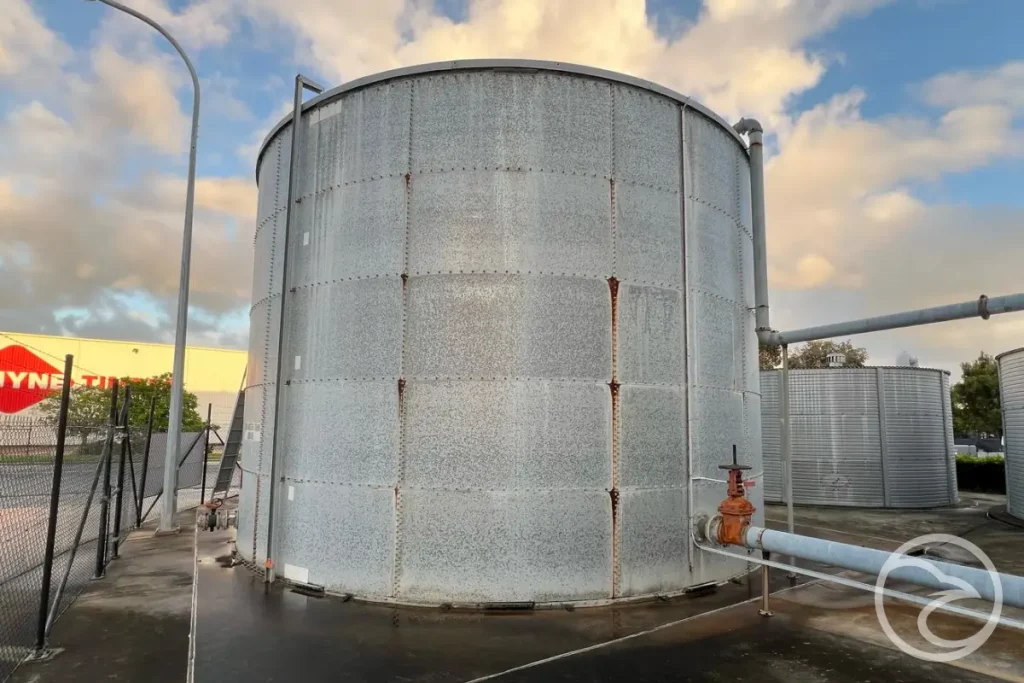
Hot-Dip Galvanised (HDG) Tanks
HDG tanks benefit from a protective zinc coating that improves corrosion resistance.
Maintenance should include inspections of:
- galvanised surfaces
- damaged coating areas
- fasteners
- seals
- pipe penetrations
Damaged galvanising should be repaired before corrosion reaches the underlying steel.
GRP Fire Tanks
Glass Reinforced Plastic tanks do not rust, but they still require routine maintenance.
Technicians inspect:
- panel joints
- sealants
- structural supports
- mechanical damage
- UV-related deterioration
Loose fittings or ageing sealants can eventually result in water leaks.
Concrete Fire Tanks
Concrete tanks should be monitored for structural movement and cracking.
Maintenance commonly includes checking:
- concrete surfaces
- waterproof membranes
- expansion joints
- pipe penetrations
- foundation stability
Even fine cracks should be assessed before they expand.
Polyethylene Fire Tanks
Poly tanks require relatively little maintenance but still benefit from routine inspections.
Technicians typically assess:
- UV degradation
- deformation
- impact damage
- outlet fittings
- overflow systems
Proper support beneath the tank also helps prevent unnecessary stress on the structure.
Who Should Perform Fire Water Tank Maintenance?
Although some routine visual checks can be carried out by on-site staff, comprehensive maintenance should be performed by experienced fire protection specialists.
Professional technicians understand how different tank materials deteriorate and know how to identify early signs of failure that may not be obvious during a basic inspection.
They also have access to specialised equipment for:
- leak detection
- internal inspections
- water level monitoring
- coating assessments
- structural evaluations
Combining routine fire tank maintenance with regular inspections helps identify wear, corrosion, and minor defects early, reducing the risk of costly repairs and extending the service life of critical fire protection assets.
Maintenance programs are more effective when supported by a structured NFPA 25 fire tank inspection checklist, helping technicians verify that key components are inspected consistently during routine servicing.
Fire Water Tank Maintenance
Maintenance is not only about protecting the tank itself. It also supports the ongoing reliability of the entire fire protection system. These requirements help ensure that fire water tanks, pumps, sprinkler systems, and associated equipment remain ready for operation throughout their service life.
Keeping accurate maintenance records, addressing defects promptly, and following a structured servicing program all contribute to improved system performance and long-term asset reliability.
Conclusion
Fire water tanks are designed to provide a dependable water supply when emergencies occur. Achieving that reliability requires more than occasional inspections. It depends on a proactive maintenance program that identifies problems early and addresses them before they affect system performance.
Regular maintenance includes inspections, leak detection, water level monitoring, corrosion assessments, structural checks, and timely repairs. Together, these activities help protect the tank, reduce lifecycle costs, and extend the life of critical fire protection assets.
Whether managing a commercial building, industrial facility, healthcare site, or public infrastructure, investing in routine fire water tank maintenance is one of the most effective ways to improve reliability and ensure the fire protection system is ready when it matters most.