
Selecting the right water storage tank involves more than simply choosing a storage capacity. Tank shape can significantly influence installation requirements, site utilisation, maintenance access, and long-term operational performance.
Two of the most common configurations used in water storage projects are rectangular panel tanks and cylindrical tanks. Both designs offer advantages, but the most suitable option depends on the specific requirements of the project.
Understanding the strengths of each configuration can help engineers, contractors, and facility owners make more informed decisions. This guide explores the situations where a rectangular panel tank may offer advantages over a cylindrical alternative.
Understanding the Difference Between Tank Shapes
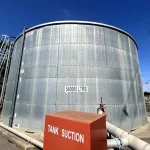
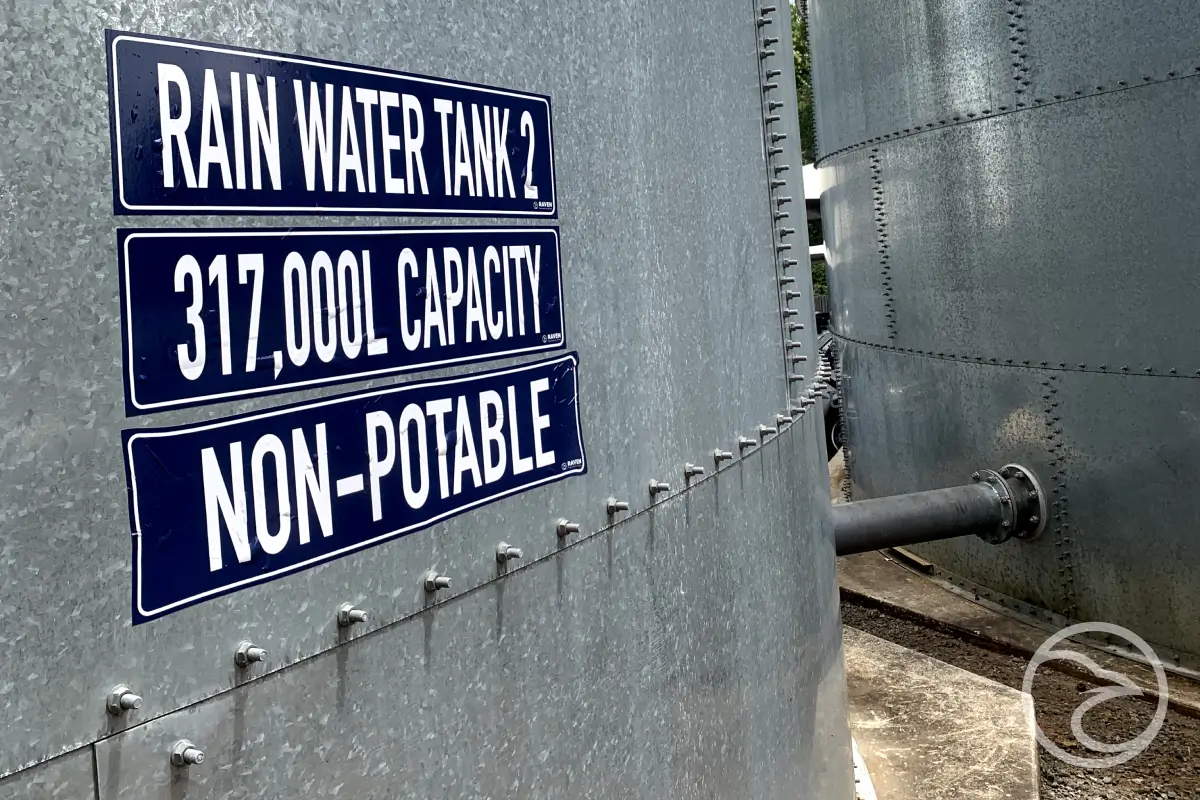
The primary difference lies in the way storage volume is arranged. Cylindrical tanks use a circular footprint and are typically manufactured as round structures.
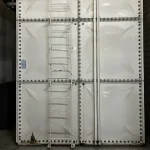
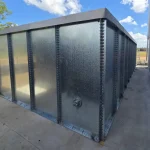
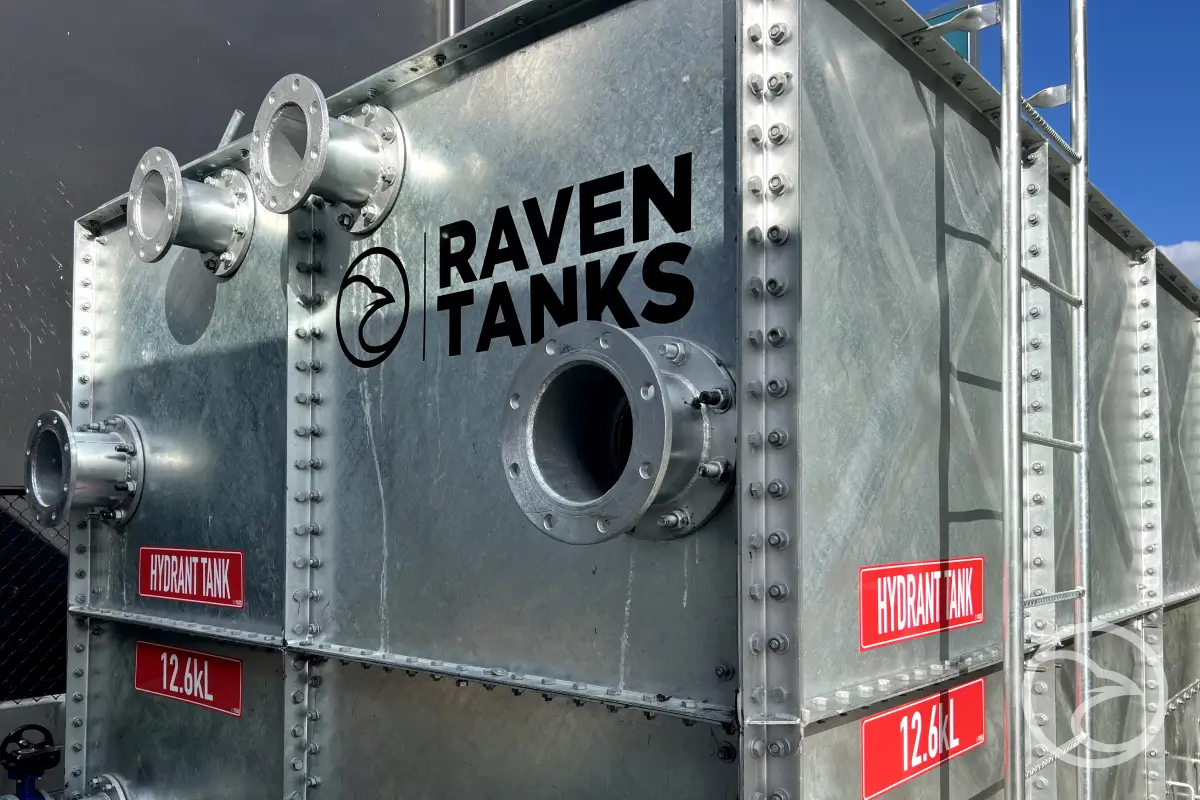
Rectangular panel tanks use modular panels assembled into square or rectangular configurations. Both options can provide reliable long-term water storage, but their design characteristics often make them suitable for different applications.
When Site Space is Limited
One of the biggest advantages of rectangular tanks is their ability to maximise available space. Many commercial and industrial facilities have installation areas with clearly defined boundaries.
Examples include:
- Plant rooms
- Building service areas
- Utility compounds
- Rooftop installations
- Basement facilities
A rectangular footprint often allows storage capacity to be maximised within these restricted spaces. Cylindrical tanks may leave unused areas around the perimeter because of their circular shape.
For projects where every square metre matters, rectangular tanks often provide a more efficient use of available space.
When Capacity Requirements are Large
Large storage capacities can sometimes be easier to achieve with modular panel construction. Rectangular tanks can be configured to suit specific dimensions while making efficient use of the installation area.
This flexibility allows designers to optimise capacity without significantly increasing the footprint. For facilities requiring substantial water reserves, modular panel systems can provide a practical solution.
When Access to the Site is Restricted
Transportation and installation challenges are common in urban environments.
Large pre-fabricated cylindrical tanks may face access limitations due to:
- Narrow roads
- Height restrictions
- Limited site access
- Existing structures
Rectangular panel tanks are delivered as individual components and assembled on site. This modular approach often simplifies installation in locations where transporting a complete tank would be difficult.
When Future Expansion may be Required
Storage requirements can change over time. Industrial facilities, commercial developments, and infrastructure projects often experience growth that increases water demand.
Modular panel tanks may provide greater flexibility for future modifications. In some cases, storage capacity can be increased through tank extensions or system upgrades.
This adaptability can support long-term planning objectives.
When Internal Building Installation is Necessary
Certain projects require tanks to be installed within existing structures.
Examples include:
- Hospitals
- Hotels
- Data centres
- Apartment buildings
- Commercial facilities
Moving a large cylindrical tank into an enclosed space may not always be practical. Panel tanks can often be assembled inside the building, making them suitable for installations with limited access.

When Fire Water Storage is Required
Fire protection systems frequently require substantial storage volumes. Many facilities choose rectangular panel tanks because they allow large capacities to be installed efficiently within constrained sites.
Rectangular tanks are commonly used in dedicated fire water storage systems where reliable capacity and efficient space utilisation are important design objectives.
When Efficient Land Use is a Priority
Land availability can influence tank selection. Projects located in urban environments often face space constraints and high land costs.
A rectangular footprint can provide more usable storage volume within a defined area. This may help improve site efficiency while reducing the amount of land required for water storage infrastructure.
Situations Where Cylindrical Tanks may be Preferred
Although rectangular tanks offer many advantages, cylindrical tanks remain a popular choice for certain applications.
They may be preferred when:
- Large open spaces are available
- Simpler designs are sufficient
- Transportation is not a concern
- Site geometry does not create space limitations
Each project should be evaluated individually to determine the most suitable solution.
Factors to Consider During Tank Selection
Several factors should be reviewed before making a decision.
These include:
- Required storage volume
- Available space
- Site access
- Installation requirements
- Future expansion plans
- Maintenance access
- Budget considerations
A comprehensive evaluation helps ensure the selected system aligns with project goals.
Maintenance Considerations
Both rectangular and cylindrical tanks require routine inspections and maintenance.
Inspection programs should review:
- Structural components
- Access systems
- Roof structures
- Pipework
- Water quality
Regular maintenance supports long-term reliability regardless of tank shape.
Long-Term Performance
The long-term performance of a tank depends on multiple factors, including design quality, material selection, installation standards, and maintenance practices.
When properly designed and maintained, both rectangular and cylindrical tanks can provide decades of reliable service. The best solution is usually the one that aligns most closely with project-specific operational requirements.
Conclusion
Both rectangular panel tanks and cylindrical tanks offer effective water storage solutions. However, rectangular configurations often provide advantages when space efficiency, site access, modular construction, and future expansion are important considerations.
Their ability to maximise available space and accommodate challenging installation environments makes them a popular choice for commercial, industrial, and infrastructure projects.
By carefully evaluating site conditions and operational requirements, organisations can select the tank configuration that delivers the best long-term value and performance.