
Modern storage solutions increasingly rely on modular construction to improve flexibility and space efficiency. Modular square tanks have become a popular option in commercial and industrial environments where storage capacity, layout constraints, and adaptability all play an important role. Their design allows systems to be tailored to specific requirements without relying on fixed, monolithic structures.
By understanding how square panel-based tanks are designed and where they are typically used, facility managers and engineers can better evaluate whether this type of storage system is suitable for their applications.
What are Modular Tanks?
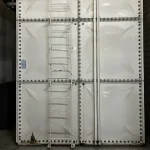
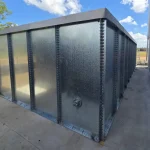
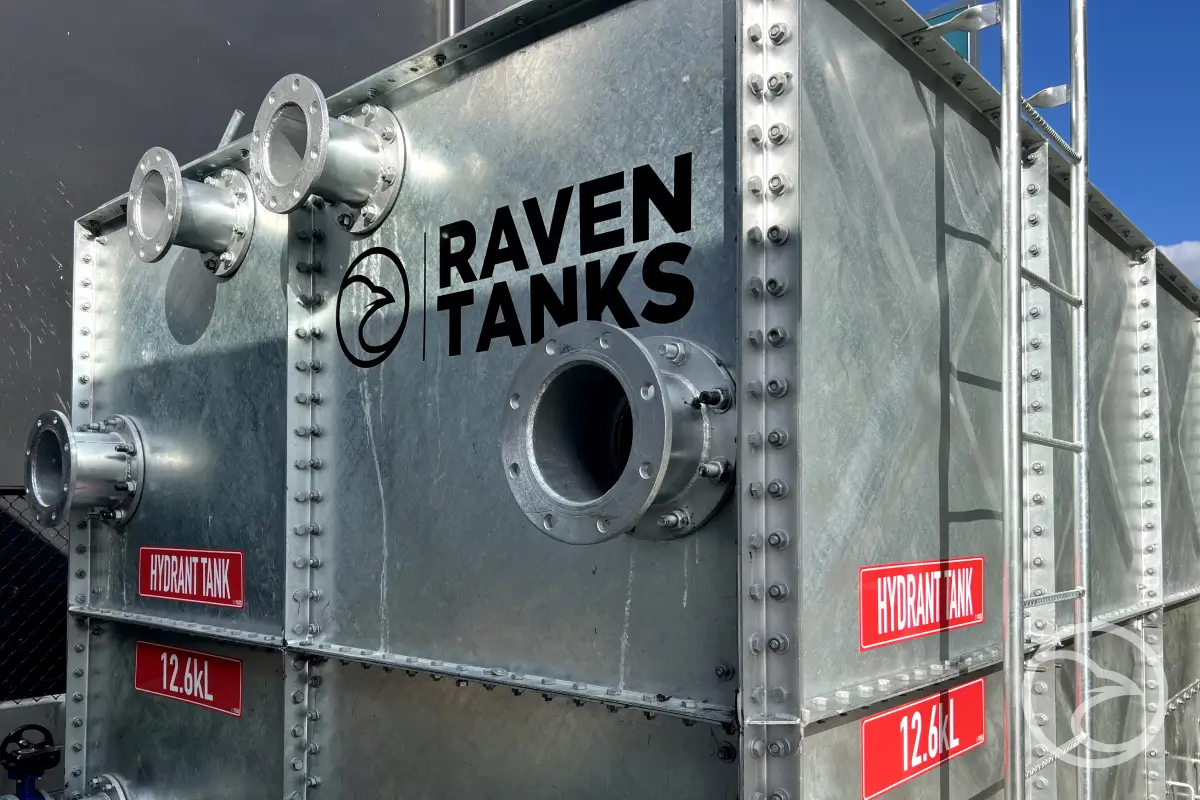
Modular square tanks are storage systems built from individual components that are assembled into a square or rectangular configuration. Rather than being manufactured as a single rigid unit, these tanks are constructed from panels or modules that form the tank walls, base, and roof.
The modular approach allows storage capacity to be adjusted by changing the number or arrangement of modules. This makes modular square tanks particularly useful in environments where space limitations or evolving operational needs require flexible design options.
How Modular Square Tank Systems are Designed
The design of modular square tanks is based on a panelized construction method. Individual panels are manufactured to precise dimensions and then assembled to create a complete storage structure. This approach supports scalability, as additional panels can be incorporated to increase capacity when required.
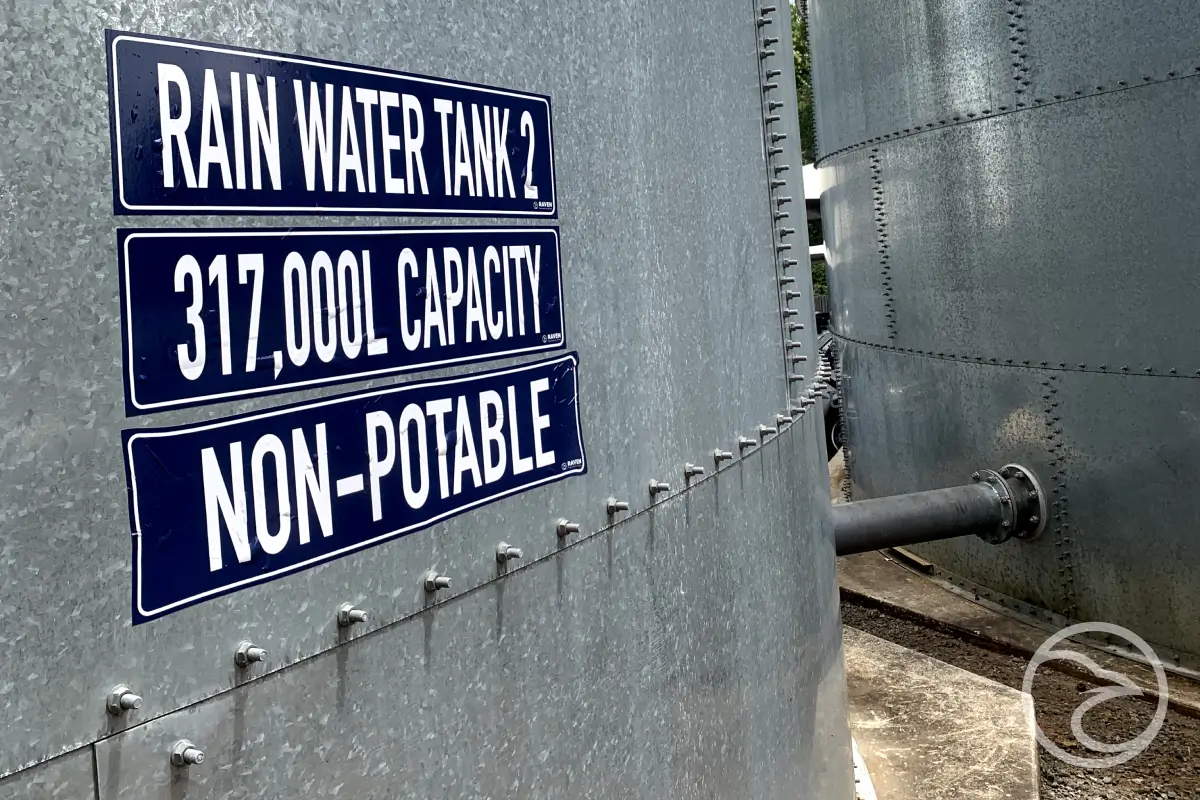
Square configurations are especially efficient for space utilization. Unlike cylindrical tanks, square tanks can be positioned closer together or installed within confined areas, making them suitable for facilities with limited footprints. The modular design also allows tanks to be configured to fit specific site layouts and storage volumes.
Key Advantages of Modular Square Tanks
One of the primary advantages of modular tank systems with square design is flexibility. Their modular nature allows systems to be adapted to different capacity requirements without redesigning the entire structure.
Other benefits include efficient use of available space, as square layouts reduce wasted areas between tanks. Modular systems also support phased expansion, enabling storage capacity to grow alongside operational demands. These characteristics make modular square tanks suitable for a wide range of storage scenarios where adaptability is essential.
Typical Applications of Modular Square Tanks
Modular square tanks are commonly used in commercial and industrial settings where reliable storage is required. Typical applications include water storage systems for facilities, industrial process storage, and infrastructure projects that demand scalable capacity.
They are also used in situations where temporary or semi-permanent storage solutions are needed. The ability to adjust configuration and capacity makes modular square tanks practical for projects with changing requirements or limited installation space.
Considerations when Choosing Modular Square Tank Systems
While square panel-based tanks offer flexibility, several factors should be evaluated before selecting this type of system. Space planning is critical, as the surrounding environment influences how modules can be arranged and accessed.
Operational requirements, such as storage volume and access needs, should also be considered. Environmental conditions, including exposure and usage patterns, can affect long-term performance. Additionally, adequate access for monitoring and maintenance should be factored into system design.

Relationship Between Modular Square Tanks and Panel-Based Systems
Modular square tanks are closely related to panel-based tank configurations, as panel construction forms the foundation of most modular designs. Panel configurations allow storage systems to be assembled, expanded, or adapted while maintaining structural consistency and reliability.
Understanding this relationship helps clarify how square panel-based tanks achieve flexibility while supporting dependable storage performance.
Conclusion
Modular square tanks offer a flexible and efficient approach to storage system design. Through modular construction and square configurations, these systems support adaptable capacity, efficient space use, and diverse applications. By evaluating design principles and operational considerations, decision-makers can determine whether square panel-based tanks align with their storage requirements and long-term planning goals.