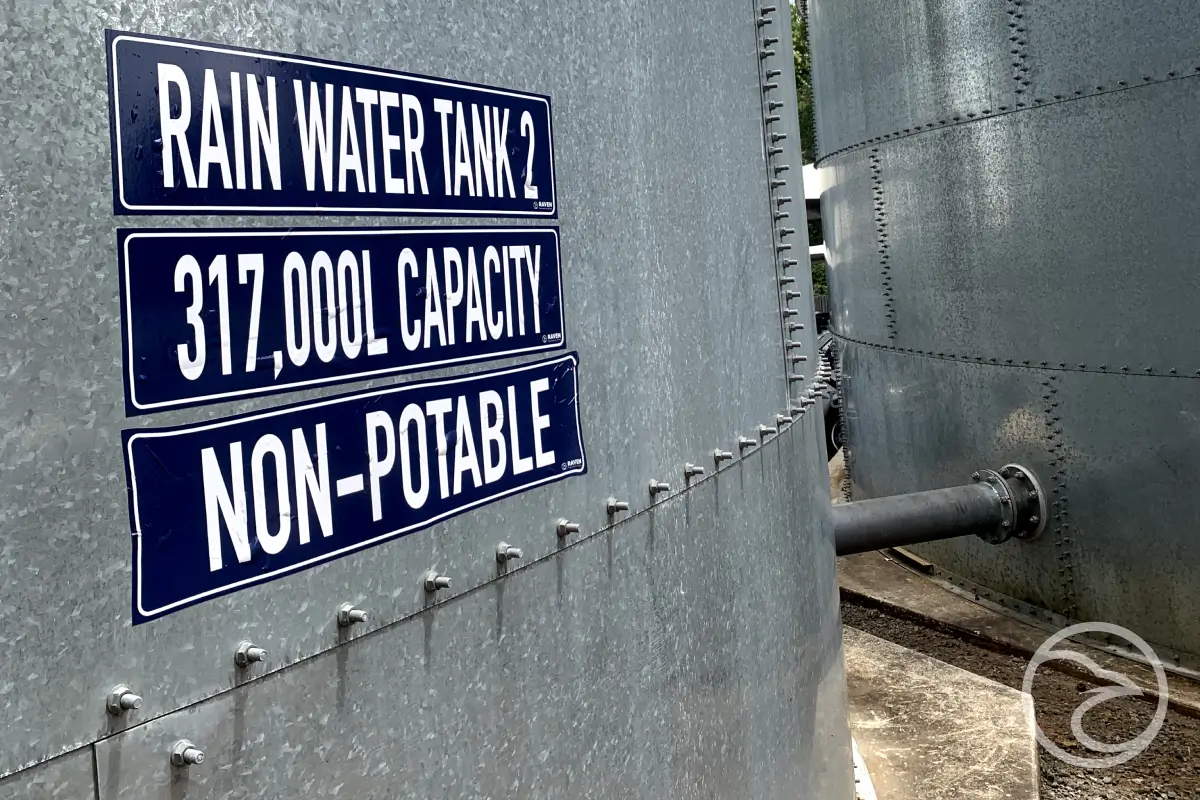
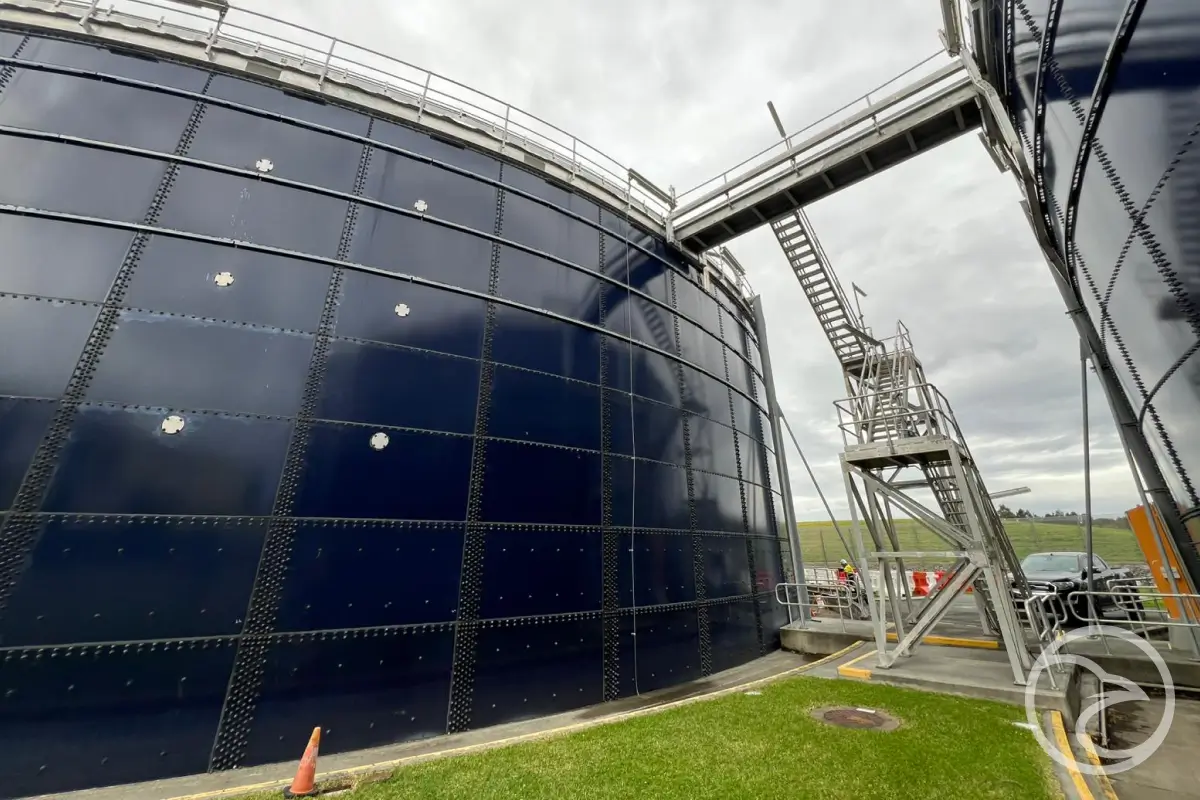
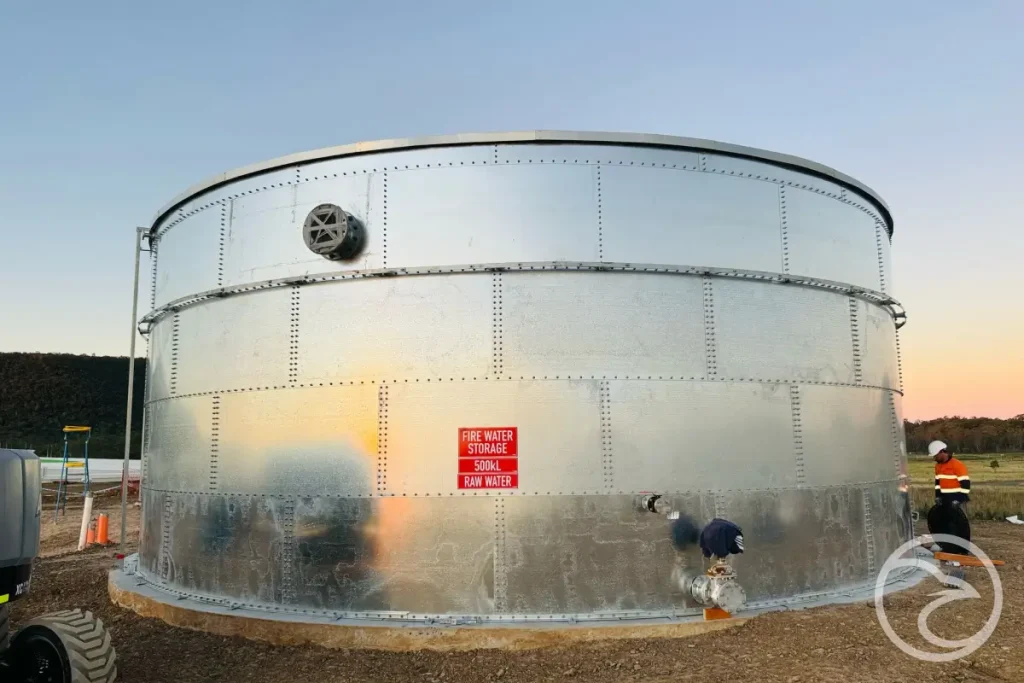
Fire water storage tanks are one of the most critical components of a fire protection system. They provide the water supply that firefighters, hydrants, sprinkler systems, and pumps rely on during an emergency.
However, simply installing a fire water tank is not enough. Every tank must be inspected and maintained to ensure it will perform when needed. This is where NFPA 25 comes in.
NFPA 25 is the industry standard for inspecting, testing, and maintaining water-based fire protection systems. It provides clear requirements for regular fire tank inspections, helping owners identify issues before they become costly failures.
This guide explains what the NFPA 25 fire tank inspection checklist includes, who should follow it, how often inspections should occur, and why compliance matters.
What is NFPA 25?
NFPA 25 stands for Standard for the Inspection, Testing, and Maintenance of Water-Based Fire Protection Systems. It is published by the National Fire Protection Association (NFPA) and is widely adopted throughout the United States and many international markets.
The standard establishes minimum requirements for maintaining fire protection systems throughout their service life.
For fire water tanks, NFPA 25 focuses on ensuring that:
- sufficient water is always available
- structural components remain sound
- pumps receive an uninterrupted water supply
- corrosion does not reduce performance
- valves and accessories function correctly
- water quality does not damage equipment
Rather than concentrating on tank construction, NFPA 25 focuses on operational readiness. While this guide focuses on the NFPA 25 inspection checklist, a broader understanding of fire water tank inspections can help facility owners develop a more effective maintenance strategy.
Who Should Follow NFPA 25?
NFPA 25 applies to any property that relies on stored water for fire protection.
Typical facilities include:
- manufacturing plants
- warehouses
- distribution centres
- commercial buildings
- hospitals
- airports
- mining operations
- data centres
- universities
- industrial facilities
- chemical processing plants
- municipal infrastructure
Any organisation responsible for maintaining a fire protection system should understand the inspection requirements.
Why Fire Tank Inspections Matter
Fire tanks often remain untouched for months or even years. Because they are rarely used, problems can develop unnoticed.
Common issues include:
- internal corrosion
- leaking panels
- deteriorated coatings
- sediment accumulation
- damaged ladders
- blocked overflow pipes
- malfunctioning level indicators
- roof damage
- failed seals
- biological contamination
Many of these issues are invisible from outside the tank. Routine inspections allow maintenance teams to detect deterioration before it threatens system performance. Proper maintenance begins with understanding how fire water storage tanks are designed, operated, and integrated into the overall fire protection system.
Understanding the NFPA 25 Fire Tank Inspection Checklist
An inspection checklist provides a structured process for evaluating the entire tank. Instead of relying on visual observations alone, inspectors examine every component that could affect fire protection.
The checklist generally includes:
- structural condition
- water level
- internal condition
- external condition
- valves
- pipework
- overflow systems
- vents
- coatings
- corrosion
- access equipment
- documentation
Each inspection should record observations, photographs, defects, and recommended corrective actions.
External Inspection Checklist
The external inspection identifies visible defects that could indicate structural problems or maintenance issues.
Inspectors typically examine:
Tank Foundation
Check for:
- settlement
- cracking
- erosion
- movement
- drainage problems
Foundation movement may affect the entire tank structure.
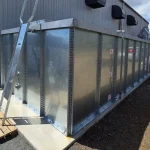
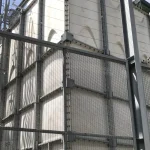
Tank Walls
Inspect:
- corrosion
- dents
- coating damage
- deformation
- loose bolts
- damaged panels
Even small defects may worsen over time.
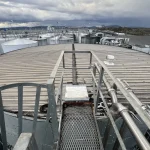
Roof Condition
The roof protects stored water from contamination.
Inspect for:
- corrosion
- leaks
- loose fasteners
- damaged roof sheets
- standing water
- missing components
External Coatings
Protective coatings reduce corrosion.
Inspect for:
- peeling
- blistering
- rust
- exposed steel
- UV deterioration
Damaged coatings should be repaired promptly.
Access Equipment
Inspect all access points including:
- ladders
- stairways
- platforms
- handrails
- cages
Safety equipment must remain secure and compliant.
Internal Inspection Checklist
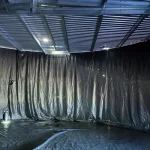
Internal inspections provide the most valuable information about tank condition. Many problems cannot be detected externally.
Inspectors evaluate:
Internal Corrosion
Look for:
- rust
- pitting
- corrosion around joints
- coating failure
- steel thinning
Corrosion is one of the leading causes of premature tank failure.
Protective Lining
Where internal linings exist, inspectors assess:
- peeling
- cracking
- blistering
- delamination
- wear
- exposed substrate
Damaged linings accelerate corrosion. If an inspection identifies blistering, peeling, or coating failure, a more detailed fire tank lining inspection checklist can help assess the condition of the protective lining and determine whether repairs or recoating are required.
Sediment Accumulation
Sediment reduces available water capacity.
Inspect for:
- mud
- scale
- sand
- debris
- sludge
Excessive sediment should be removed.
Water Quality
Inspect for signs of:
- algae
- bacterial growth
- contamination
- discoloration
- floating debris
Poor water quality may damage pumps and sprinkler equipment.
Internal Fittings
Inspect:
- suction pipes
- anti-vortex plates
- overflow fittings
- strainers
- level sensors
- supports
Every component should remain securely installed.
Mechanical Components
NFPA 25 also requires inspection of equipment connected to the tank.
Typical items include:
- inlet valves
- outlet valves
- isolation valves
- drain valves
- overflow pipes
- vents
- level gauges
- instrumentation
Inspectors verify that each component operates correctly.
Water Level Verification
One of the simplest but most important inspections involves confirming the correct water level.
Inspectors verify:
- normal operating level
- automatic refill operation
- overflow functionality
- float valve performance
- level indication accuracy
Insufficient stored water may compromise the entire fire protection system.
Signs that Immediate Maintenance is Needed
Some inspection findings require prompt attention.
Examples include:
- significant corrosion
- structural movement
- leaking panels
- damaged roofs
- blocked vents
- failed coatings
- severe sediment
- contaminated water
- leaking pipe connections
- damaged ladders
Ignoring these defects increases both operational and compliance risks.
How Often Should Fire Tanks be Inspected?
NFPA 25 establishes different inspection frequencies depending on the component.
Although exact schedules vary by installation, inspections generally include:
| Inspection | Typical Frequency |
|---|---|
| Visual inspection | Weekly or monthly |
| External inspection | Quarterly |
| Valve inspection | Quarterly |
| Water level verification | Weekly |
| Comprehensive inspection | Annually |
| Internal inspection | Every 3 to 5 years or as required |
Inspection frequency may increase if tanks operate in aggressive environments. Facilities near coastal areas, chemical plants, or heavy industry often require more frequent assessments.
What Can Affect Inspection Frequency?
Several factors may require inspections to be performed more often than the standard schedule, including:
- coastal or marine environments
- corrosive industrial conditions
- ageing infrastructure
- previous inspection findings
- poor water quality
- significant repairs or modifications
- requirements from insurers or the AHJ
Facilities operating in harsh environments often benefit from more frequent inspections to reduce the risk of unexpected failures.
Who Performs NFPA 25 Fire Tank Inspections?
Inspections should be performed by qualified personnel familiar with fire protection systems.
Many organisations engage specialist inspection companies because they offer:
- experienced inspectors
- confined space capability
- drone inspections
- coating assessments
- corrosion evaluation
- reporting
- compliance documentation
Professional inspections also provide detailed records for insurers and regulatory authorities.
Inspection Documentation
Accurate documentation is an essential part of NFPA 25 compliance.
Inspection reports typically include:
- inspection date
- inspector details
- tank identification
- photographs
- observed defects
- maintenance recommendations
- repair priorities
- compliance notes
Historical records help track deterioration over time and support maintenance planning.
Common Problems Found During Fire Tank Inspections
Routine inspections frequently identify recurring issues.
The most common include:
- corrosion around panel joints
- deteriorated internal coatings
- leaking bolts
- sediment build-up
- damaged overflow screens
- blocked vents
- roof leaks
- biological growth
- cracked sealants
- damaged ladders
Early detection usually reduces repair costs.
Benefits of Following the NFPA 25 Checklist
A structured inspection program provides several advantages.
These include:
- improved fire protection reliability
- longer tank service life
- reduced corrosion
- lower repair costs
- better maintenance planning
- improved regulatory compliance
- stronger insurance documentation
- reduced operational risk
Regular inspections also minimise unexpected outages.
How NFPA 25 Works with Preventive Maintenance
Inspection alone does not maintain a fire tank. Each inspection should be followed by appropriate maintenance.
Typical maintenance activities include:
- cleaning sediment
- repairing coatings
- replacing damaged bolts
- repairing leaks
- servicing valves
- restoring roof integrity
- replacing seals
- removing corrosion
Preventive maintenance extends the life of the entire fire protection system.
Conclusion
NFPA 25 provides a clear framework for maintaining fire water storage tanks throughout their operational life.
Regular inspections help identify corrosion, coating damage, sediment, leaks, and mechanical defects before they affect system performance.
Following a structured fire tank inspection checklist also supports compliance, reduces maintenance costs, and improves emergency preparedness.
For facility owners, insurers, and maintenance teams, routine inspections are one of the most effective ways to protect both critical assets and the people who depend on them.